bluename
 How to Care for Monstera Deliciosa? Moist and Shade-Tolerant Maintenance Techniques
You've brought home a stunning Monstera Deliciosa, drawn in by its iconic, fenestrated leaves that promise a touch of the tropics. Yet, weeks later, you might find your plant companion looking less than lush. Perhaps its leaves are turning yellow, developing crispy brown edges, or worse—failing to produce those beautiful splits and holes. The disappointment is real. The core issue often lies in misunderstanding its true needs. Despite its jungle origins, caring for a Monstera Deliciosa isn't about constant, heavy watering or deep shade. It's about mastering a balance of moist and shade-tolerant maintenance techniques that mimic its natural habitat. This guide will walk you through exactly how to achieve that balance, transforming your care routine from guesswork to a confident, thriving success.
Understanding Your Monstera's Natural Habitat
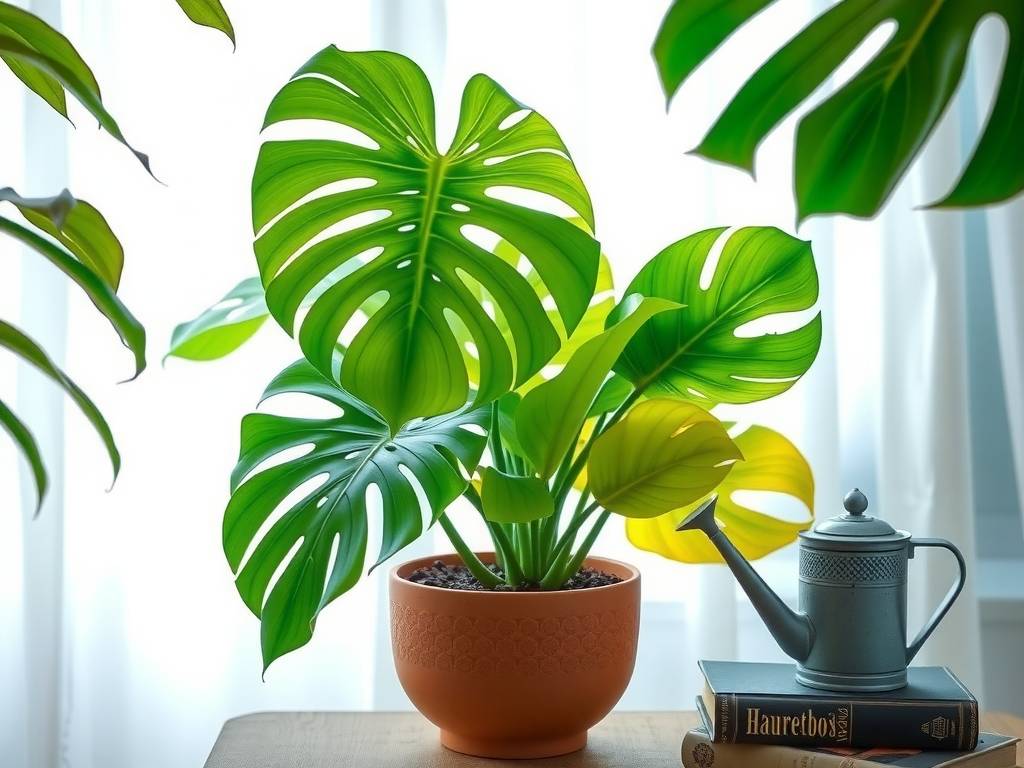
To care for Monstera Deliciosa effectively, we must first look to the tropical rainforests of Central America. Here, it grows as an epiphyte, often climbing up larger trees. This environment provides critical clues: dappled sunlight filtering through the canopy, high humidity, warm temperatures, and a well-aerated root system that is moist but never waterlogged. Your goal indoors is to replicate these conditions as closely as possible. By aligning your care with these innate preferences, you encourage not just survival, but vigorous growth and the development of its signature leaf fenestrations.
Mastering the Art of Moisture: Watering and Humidity
The term "moist" is key, but it's frequently misinterpreted. It does not mean soggy soil. Achieving the right moisture level is the cornerstone of Monstera health.
Perfecting Your Watering Routine
Forget the calendar. The most reliable method is the finger test. Insert your finger about 2 inches into the soil. If it feels dry, it's time to water. If it still feels damp, wait a few more days. When you do water, do so thoroughly until water flows freely from the drainage holes. This ensures the entire root ball is hydrated. Then, let all excess water drain away completely. Never let your Monstera sit in a saucer of standing water, as this is a fast track to root rot—the most common killer of these plants. During the active growing season (spring and summer), you may water once a week, but always check the soil first. In winter, watering frequency may drop to every two weeks or less.
Creating a Humid Environment
While Monstera Deliciosa is more adaptable to average home humidity than some tropical plants, it truly thrives with extra moisture in the air. Aim for humidity levels above 50%. You can achieve this through several simple moisture-retaining strategies. Grouping plants together creates a beneficial microclimate. Placing a tray filled with water and pebbles beneath the pot (ensuring the pot sits above the water line) provides localized evaporation. For the best results, consider using a room humidifier. Misting can offer a temporary boost, but it's less effective for sustained humidity and should be done with good air circulation to prevent fungal issues on leaves.
The Ideal Light for Shade Tolerance
"Shade-tolerant" does not mean "no-light-tolerant." In deep shade, your Monstera will survive but become leggy, with small leaves and no fenestrations. It needs bright, indirect light to flourish. An east-facing window is often ideal, providing gentle morning sun. A spot a few feet back from a south or west-facing window, shielded by a sheer curtain, is also perfect. The goal is to avoid the harsh, direct rays of midday sun, which can scorch the leaves, causing pale or brown patches. If you notice your plant stretching dramatically toward the light or its new leaves are solid without splits, it's a clear sign it needs more brightness.
Soil and Potting: The Foundation of Health
The right soil mix directly supports both moisture management and root health. A heavy, dense potting mix retains too much water. Your Monstera requires a chunky, airy, and well-draining substrate. A high-quality aroid mix is perfect. You can easily make your own by combining two parts regular potting soil with one part perlite and one part orchid bark or coconut coir. This blend allows water to drain quickly while retaining slight moisture and providing crucial oxygen to the roots.
Repotting is typically needed every 1-2 years in spring, when you see roots circling the bottom of the pot or growing out of the drainage holes. Choose a pot only 1-2 inches larger in diameter to prevent excess soil from staying wet too long. Terracotta pots are excellent for moisture-loving plants as they are porous and help wick away excess moisture from the soil.
Feeding and Support for Optimal Growth
During the growing season, feed your Monstera Deliciosa with a balanced, water-soluble fertilizer diluted to half-strength every 4-6 weeks. This provides the nutrients needed for large, healthy leaves. Avoid fertilizing in the fall and winter when growth slows.
Don't forget support! In the wild, Monsteras are climbers. Providing a moss pole or trellis allows its aerial roots to attach, which stabilizes the plant and encourages larger, more mature leaf growth. Simply insert the support into the pot and gently tie the main stem to it with soft plant ties.
Troubleshooting Common Monstera Problems
- Yellow Leaves: Often a sign of overwatering. Check your soil moisture and drainage immediately.
- Brown, Crispy Leaf Edges: Usually caused by low humidity, underwatering, or a buildup of salts from tap water or fertilizer. Increase humidity, check your watering consistency, and consider using filtered or rainwater.
- No Fenestrations (Splits/Holes): This is typically due to insufficient light. Move your plant to a brighter location with indirect light.
- Pests: Keep an eye out for common pests like spider mites (look for fine webbing) and scale (small, brown bumps). Wipe leaves regularly with a damp cloth and treat infestations promptly with insecticidal soap or neem oil.
Why are the leaves on my Monstera turning yellow? Yellowing leaves are most commonly a symptom of overwatering, which leads to root rot. Before watering again, always check that the top few inches of soil are dry. Ensure your pot has adequate drainage and that you're not using an overly dense soil mix. Occasionally, yellowing can also indicate a need for fertilizer or, less commonly, underwatering.
How can I encourage more splits and holes in the leaves? Leaf fenestration is a sign of a happy, mature Monstera receiving adequate light. The primary factor is sufficient bright, indirect sunlight. As the plant matures and climbs with support, it will naturally produce more fenestrated leaves. Be patient—young plants or cuttings often start with solid leaves.
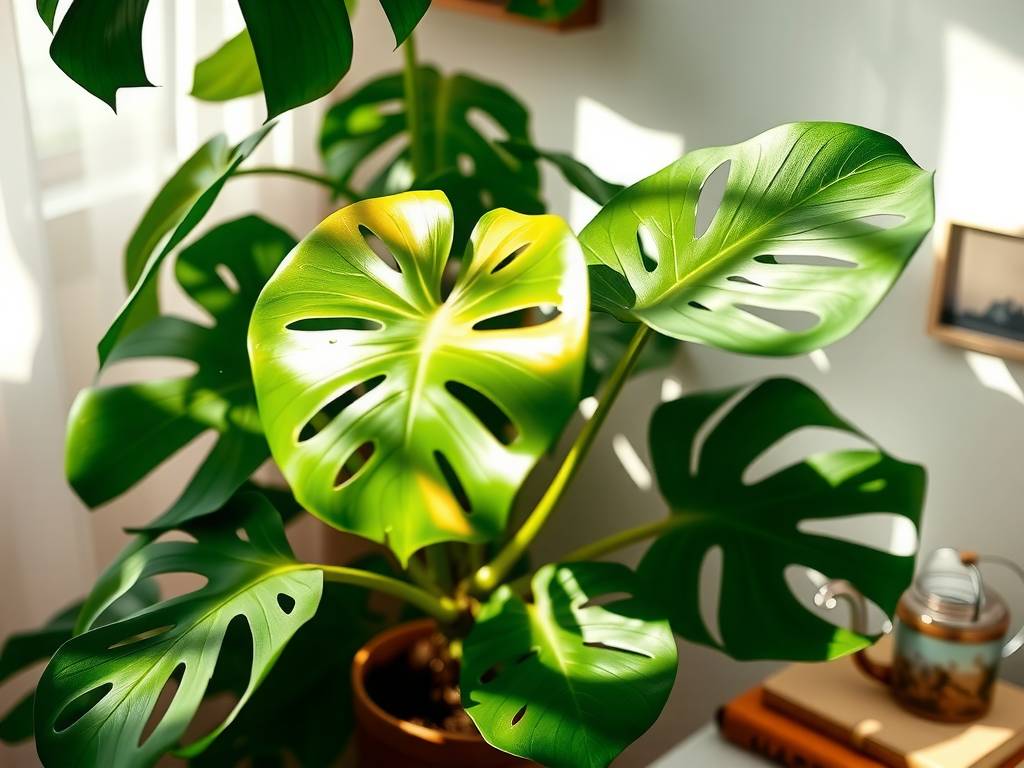
Is it normal for my Monstera to have brown tips? While some minor browning can occur, widespread brown, crispy tips are not ideal. They are frequently a cry for higher humidity. Other causes include inconsistent watering (allowing the plant to dry out too much between drinks), or a buildup of minerals and fluoride from tap water. Switching to distilled or rainwater for watering can often resolve this issue.
Caring for a Monstera Deliciosa is a rewarding journey of understanding its language. By focusing on the principles of balanced moisture—thorough watering followed by proper drainage, complemented by increased humidity—and providing the right quality of bright, filtered light, you create an environment where it can truly thrive. Remember to support its climbing nature and feed it gently during growth periods. With these shade-tolerant plant care techniques, you're not just keeping a plant alive; you're cultivating a vibrant, fenestrated piece of the jungle in your own home.