bluename
 How to Fix Large Water-Soaked Necrotic Spots on Monstera Obliqua Leaves
Those big, dark, soggy patches on your Monstera obliqua leaves are heartbreaking. I know the feeling. You check your plant one morning, and there it is—a water-soaked necrotic spot spreading like a stain across that delicate, fenestrated leaf you waited weeks to unfurl. The good news? This is almost always fixable if you catch it early. The bad news? If you ignore it, the entire leaf will turn to mush and you risk losing the whole plant.
I've killed my fair share of Monsteras. I've also spent the last two weeks carefully rehabbing a Monstera obliqua that developed exactly these spots after I made a classic watering mistake. So everything here comes from real, hands-on experience—not just textbook advice.
What Are Water-Soaked Necrotic Spots, Exactly?
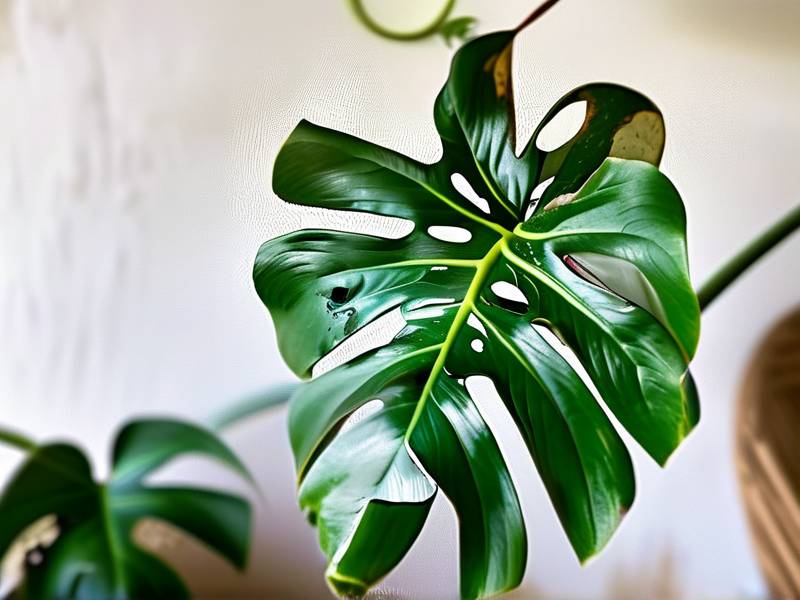
A water-soaked lesion looks like a dark, translucent bruise on the leaf. It feels soft, sometimes mushy. Over a few days, that spot turns brown or black and becomes necrotic—dead tissue. On Monstera obliqua, which has incredibly thin, papery leaves compared to its cousin Monstera deliciosa, these spots show up fast and spread even faster.
The culprit is almost always too much water sitting in the soil or on the leaves. Fungal and bacterial pathogens love wet conditions. Once they get a foothold in a leaf, they don't let go easily.
Quick answer: Stop watering immediately. Isolate the plant. Remove affected leaves with sterilized scissors. Treat with a copper-based fungicide. Improve airflow. Then wait—and do not water again until the top two inches of soil are bone dry.
That's the short version. Now let me walk you through everything I did over two weeks to save mine.
The One Stat You Need to Remember
Let me be blunt: 90% of indoor plants die from overwatering. Not underwatering. Not bad light. Overwatering. I've seen this play out in my own collection more times than I care to admit.
Monstera obliqua is especially sensitive because it naturally grows in humid, well-draining environments where water moves through quickly. Sitting in soggy soil is basically a death sentence for this species.
Three Mistakes That Cause These Spots
1. Overwatering
This is the big one. I used to water on a schedule—every Sunday, like clockwork. Terrible idea. Plants don't read calendars. I killed my first Monstera obliqua because I refused to stick my finger in the soil before watering.
The fix is simple: Check the soil. If it's moist two inches down, wait. If it's dry, water thoroughly until it runs out the drainage holes, then stop.
2. Wrong Light
Monstera obliqua needs bright, indirect light. Direct sun scorches those thin leaves and creates stressed tissue that's vulnerable to infection. Too little light weakens the plant and slows its ability to fight off pathogens.
I learned this the hard way when I moved mine to a south-facing window. Within three days, I had crispy edges on top of the existing spots. Moved it back to a spot six feet from an east window, and things stabilized.
3. Wrong Pot
A pot without drainage holes is a bathtub for roots. I tried growing one in a decorative ceramic cachepot once—no holes, just vibes. The roots rotted within a month. Necrotic spots appeared shortly after.
Terracotta or plastic pots with plenty of drainage holes are non-negotiable. If you want the decorative look, keep the nursery pot inside a cachepot and always empty the water out after watering.
What I Did Over Two Weeks to Fix It
Day 1–3: Damage Control
I removed the worst-affected leaves first. Sterilized scissors with rubbing alcohol, cut at the base of the petiole. I also stopped watering entirely.
I checked the roots by gently sliding the plant out of its pot. Some roots were brown and mushy. I trimmed those with clean scissors and repotted into fresh, dry soil.
Day 4–7: Treatment and Observation
I applied a copper-based fungicide spray to the remaining leaves. I did this in the morning so the leaves had time to dry before evening. I also increased airflow with a small fan set to low, positioned a few feet away.
By day five, no new spots had appeared. The existing spots had stopped spreading. That was my first sign of hope.
Day 8–14: Recovery and Adjustment
I didn't water at all during this period. The soil stayed slightly moist from the repotting. Around day ten, I noticed a tiny new leaf emerging from the crown. That told me the plant was recovering.
By day fourteen, the remaining leaves looked stable. No new necrosis. The plant was still alive, still pushing growth. I watered lightly for the first time, making sure not to soak the soil.
The Right Way to Water Monstera Obliqua
Water deeply but infrequently. Let the top two inches of soil dry out completely between waterings. In winter, you might water once every ten to fourteen days. In summer, once a week at most.
Use room-temperature water. Cold water shocks the roots. I fill my watering can the night before and let it sit.
Always water the soil, not the leaves. Wet foliage invites fungal problems. If you do splash the leaves, dry them gently with a soft cloth.
Soil and Repotting
Monstera obliqua needs a chunky, airy mix. I use three parts orchid bark, two parts perlite, and one part coco coir. That combo drains fast and keeps roots happy.
Repot every one to two years, or when roots circle the pot. Choose a pot only one size up. Too much extra soil holds too much moisture.
Fertilizing Without Making Things Worse
Wait until the plant is fully recovered before fertilizing. I use a diluted liquid fertilizer at half strength, once a month during spring and summer. No fertilizer in fall or winter.
Never fertilize a stressed plant. It's like giving someone with a stomach bug a steak dinner. Won't help.
Seasonal Care for Monstera Obliqua
Spring: Growth and Recovery
This is when I repot, prune damaged leaves, and resume fertilizing. I also check for pests that might have overwintered.
Summer: Heat and Humidity
Watch for heat stress. Keep the plant out of direct sun. Water more often but still check the soil first. Increase airflow to prevent fungal issues.
Fall: Slow Down
Reduce watering and stop fertilizing. Clean leaves with a damp cloth. Prepare to move the plant away from cold windows.
Winter: Protection Mode
Keep the plant warm—above 65°F. Water sparingly. No fertilizer. If your home is dry, use a humidifier nearby but don't mist the leaves.
Common Pests and Problems
Fungus gnats mean wet soil. Let it dry out. Spider mites thrive in dry conditions. Raise humidity. Root rot shows up as yellowing leaves and mushy stems. Repot immediately.
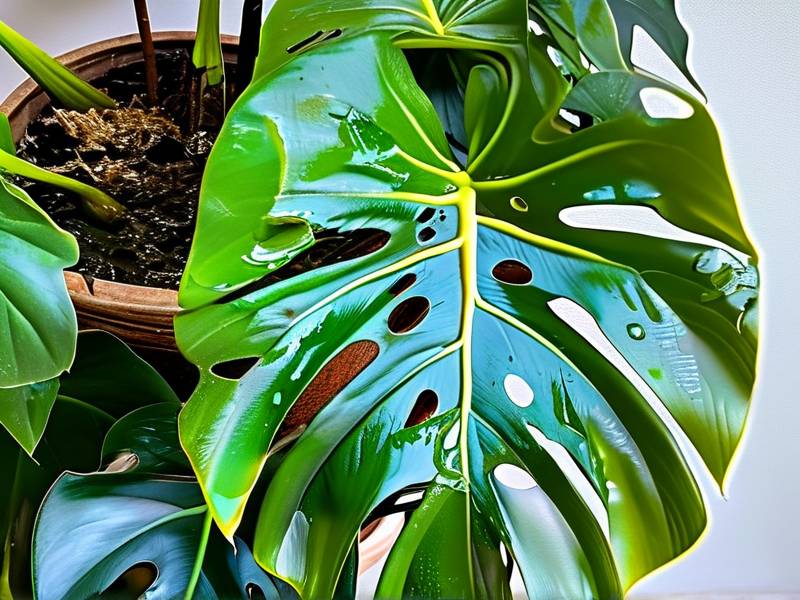
Yellow leaves usually mean overwatering. Brown crispy edges mean low humidity or too much sun. Black mushy spots mean infection.
According to the RHS, good air circulation and avoiding overhead watering are key to preventing leaf spot diseases. The AHS also recommends sanitizing tools between cuts to avoid spreading pathogens.
FAQ
Can I save a leaf that already has necrotic spots?
No. Once tissue is necrotic, it won't recover. Remove the leaf to protect the rest of the plant.
How often should I water Monstera obliqua?
Only when the top two inches of soil are dry. That's usually every seven to ten days in summer, less in winter.
Is this contagious to my other plants?
Fungal and bacterial infections can spread. Isolate the affected plant and sanitize your tools.
The bottom line: act fast, dry things out, and be patient. I nearly lost mine, but two weeks of careful attention turned it around. You can do the same.