bluename
 How to Get Rid of Whitefly-Infested Euphorbia Fulgens Foliage
If you've noticed tiny white clouds of insects bursting up from your Euphorbia fulgens every time you brush past it, you're dealing with whitefly. I've been there. Honestly, it's one of the most frustrating pests to shake because those little guys multiply fast and hide well. The good news? You can get rid of whitefly-infested Euphorbia fulgens foliage without reaching for harsh chemicals, and I'll walk you through exactly how I did it over a two-week stretch.
Euphorbia fulgens, sometimes called the scarlet plume euphorbia, is that gorgeous winter-blooming plant with arching stems and delicate orange-red bracts. It's a favorite among home gardeners in the US, Canada, UK, and Australia because it brings color indoors when everything outside looks bleak. But here's the thing—its thin, leafy foliage is basically a five-star hotel for whitefly. I learned that the hard way.
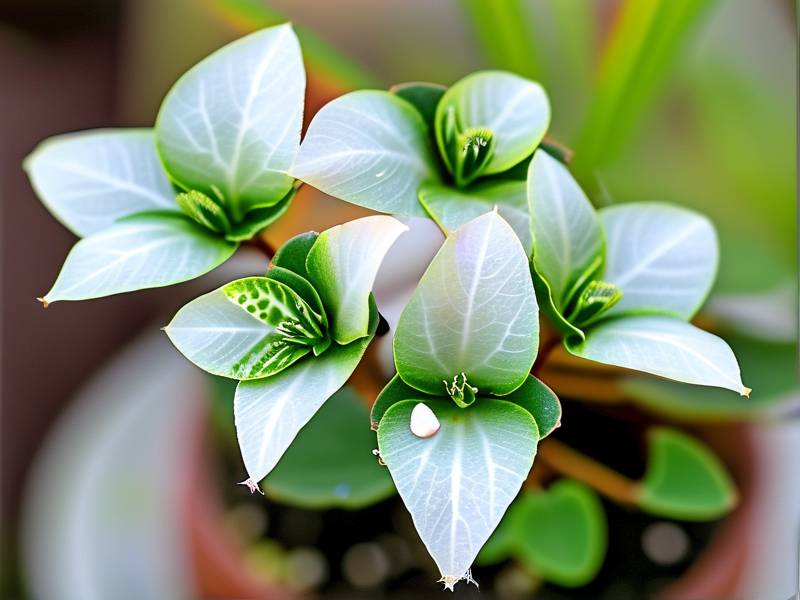
When whitefly takes hold, you'll see sticky honeydew on leaves, yellowing foliage, and those telltale white adults fluttering around. Sooty mold often follows. It's gross, and it stresses the plant badly. But don't panic and don't toss the plant yet.
First, let me be blunt: 90% of indoor plants die from overwatering, not pests. So before you start drowning your euphorbia in treatment sprays, let's get the basics right. Whitefly management starts with a healthy plant.
What Whitefly Actually Does to Your Euphorbia
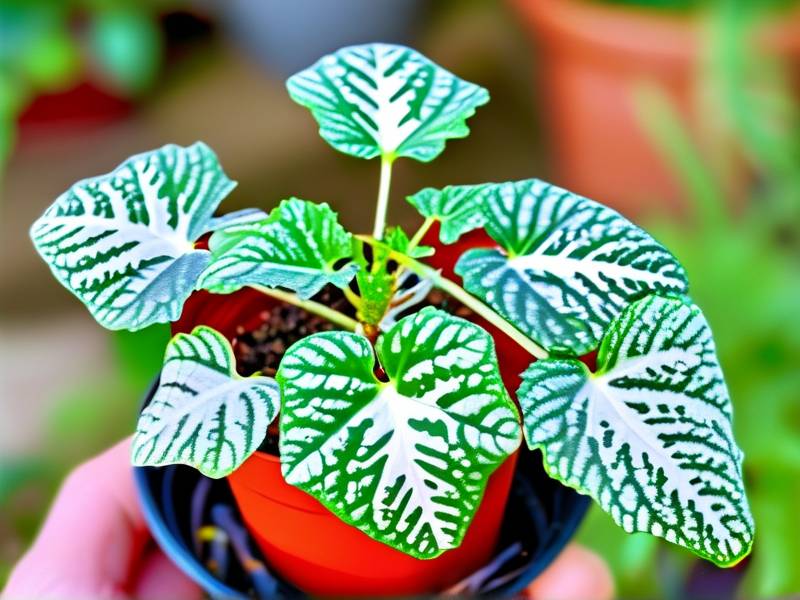
Whitefly nymphs attach to the undersides of leaves and suck sap. That drains energy, causes leaf curl, and turns foliage yellow. The honeydew they excrete attracts ants and grows black sooty mold, which blocks light and makes the plant look terrible.
I remember my first serious infestation. I ignored a few white specks for about a week. Big mistake. Within days, every time I watered, a swarm lifted off like dust. My euphorbia dropped half its lower leaves. I nearly gave up.
But I tried a step-by-step approach that actually worked. Here's the full plan, and I'll share what I observed after two weeks.
Week One: Isolation and Immediate Action
The moment you spot whitefly, move that euphorbia away from other plants. Whitefly flies short distances but hops plant to plant quickly. I isolated mine in a bathroom with a bright window—no other plants, good airflow.
Next, inspect every leaf. Use a magnifying glass if you have one. Look at the undersides. You'll see tiny oval eggs and flat, translucent nymphs. Those are the real problem, not just the flying adults.
I started by gently washing the foliage. I took the plant to the sink, covered the soil with a plastic bag, and sprayed the leaves with room-temperature water. That knocked off adults and some nymphs. It's messy but satisfying.
Then I made a simple insecticidal soap spray. You can buy commercial ones or mix 1 tablespoon of pure castile soap per quart of water. I sprayed every leaf underside and stem, thoroughly. I repeated every three days for the first week. Why three days? Because whitefly life cycles are short—eggs hatch in about 3–7 days depending on temperature.
I also hung yellow sticky traps near the plant. Whitefly adults are attracted to yellow. Within 24 hours, my traps were dotted with them. That gave me a rough count of how bad it was.
Week Two: Breaking the Cycle and Watching for Recovery
By day seven, I saw fewer adults. But I knew eggs and nymphs were still there. So I kept up the soap spray every four days. I also wiped down each leaf with a damp cloth dipped in a mild soap solution. Tedious? Yes. Effective? Absolutely.
I checked the yellow traps daily. By day ten, only one or two new adults appeared. By day fourteen, none. The new growth at the tips looked clean.
But here's what I learned: you must keep treating for at least two weeks after you see the last adult. Otherwise, a new generation pops up. I made that mistake once and paid for it.
Also, I stopped fertilizing during treatment. Fertilizer pushes soft new growth, which whitefly loves. Wait until the plant is pest-free for a full week before feeding again.
What About Heavy Infestations? You Might Need More
If your euphorbia is completely covered and dropping leaves, insecticidal soap alone might not cut it. I've tried neem oil, and it works but slower. Mix according to label, spray in the evening to avoid leaf burn, and coat everything.
For severe cases, I've used a product containing imidacloprid as a soil drench. It's systemic, meaning the plant takes it up and kills sap-sucking pests. But be careful—it's toxic to bees and beneficial insects. Since this is an indoor plant, that's less of a concern, but still. Use it as a last resort. The Royal Horticultural Society (RHS) notes that systemic insecticides can be effective for whitefly but should be used responsibly. You can check their guidance at https://www.rhs.org.uk.
The American Horticultural Society (AHS) also emphasizes integrated pest management—combining physical removal, traps, and least-toxic sprays first. That's the approach I stick to now. Learn more at https://ahsgardening.org.
The Three Deadly Beginner Mistakes I Made (So You Don't Have To)
I've killed my share of euphorbias. Whitefly was never the sole killer. It was always one of these three:
-
Overwatering. Euphorbia fulgens hates soggy roots. I used to water on a schedule, like every Sunday. Bad idea. Now I water only when the top inch of soil feels dry. In winter, I let it dry out even more. Remember: 90% of indoor plants die from overwatering. Not pests. Not light. Water.
-
Wrong light. I put mine in a dark corner thinking it was "low light." It stretched, weakened, and whitefly loved the soft growth. These plants want bright, indirect light. A south or east window with a sheer curtain is perfect. Too much direct afternoon sun scorches leaves. Too little and the plant is a magnet for pests.
-
Wrong pot. I used a decorative pot without drainage holes. Water pooled at the bottom. Root rot set in. Then the plant was stressed, and whitefly moved in. Now I always use a pot with drainage holes, and I empty the saucer after watering. Simple but non-negotiable.
Step-by-Step Whitefly Elimination Plan (What I Actually Did)
- Day 1: Isolate plant. Wash leaves with water. Spray with insecticidal soap. Set yellow sticky traps.
- Day 3: Spray again. Wipe leaves with soapy cloth. Check traps.
- Day 6: Spray. Remove any heavily infested leaves with clean scissors.
- Day 9: Spray. Wipe leaves. Check for new adults.
- Day 12: Spray. Wipe leaves. If no adults for 3 days, stop spraying.
- Day 14: Final inspection. If clean, move plant back to its spot. Wait one week before fertilizing.
I followed this exactly. By day 14, my euphorbia had no whitefly. Three weeks later, it pushed out new healthy leaves. That was two years ago, and I still check leaf undersides every time I water.
Preventing Whitefly From Coming Back
Prevention is easier than cure. I learned that the hard way.
- Inspect new plants before bringing them home. Always.
- Keep leaves dust-free. Dust blocks light and stresses plants.
- Don't overcrowd plants. Good airflow reduces pest outbreaks.
- Water properly. A stressed plant is a pest magnet.
- Quarantine any new plant for two weeks.
I also keep a small bottle of insecticidal soap ready. The moment I see a white speck, I spray. No waiting. That quick response has saved me multiple times.
What About Outdoor Euphorbia Fulgens?
If you grow yours outside in warm climates, whitefly can still hit. I've seen it on potted plants on a patio. The same treatment works, but you'll need to spray more often because new adults fly in. Yellow traps help. Ladybugs and lacewing larvae are natural predators—encourage them by planting dill or fennel nearby. But don't release ladybugs indoors. They'll just die.
Frequently Asked Questions
Can I just cut off all the infested leaves?
You can remove the worst leaves, but don't strip the plant bare. It needs foliage to photosynthesize. I removed about 30% of the worst leaves once, and the plant recovered fine. But if you remove too much, it weakens. Stick to spraying and wiping.
How long does it take to get rid of whitefly completely?
With consistent treatment, expect two to four weeks. I saw major improvement in two weeks but kept monitoring for another two. If you slack off, they come back. Be patient.
Is neem oil safe for euphorbia?
Yes, but test on a small leaf first. Some euphorbias are sensitive to oils. I sprayed neem on a hidden leaf, waited 24 hours, and saw no burn. Then I treated the whole plant. Always spray in the evening to avoid sun damage.
Final Thoughts From Someone Who's Been There
Whitefly on Euphorbia fulgens is a pain, but it's not a death sentence. I've brought plants back from heavy infestations using nothing but soap, water, traps, and consistency. The key is to act fast, treat the undersides of leaves, and break the life cycle. Don't rely on one spray. Don't ignore the problem. And please, don't overwater. That's the real killer.
If you're dealing with this right now, you've got this. Grab some soap, a spray bottle, and a pack of yellow sticky traps. Two weeks from now, your euphorbia can be clean and happy again. I know mine was.