bluename
How to Fix Brown Tip-Burn Necrosis on Chamaedorea Metallica Fronds
Brown tip-burn necrosis on Chamaedorea metallica fronds is almost always a water-quality and root-health problem, not a disease. In my experience, the fix is threefold: flush the soil with distilled or filtered water, dial back fertilizer, and raise humidity to 50–60%. I tested this routine on my own metallica over two weeks and watched new growth come in clean while the damaged tips stopped spreading. If your fronds are crisping from the tip down, you're likely dealing with salt buildup or inconsistent watering, not a mystery illness.
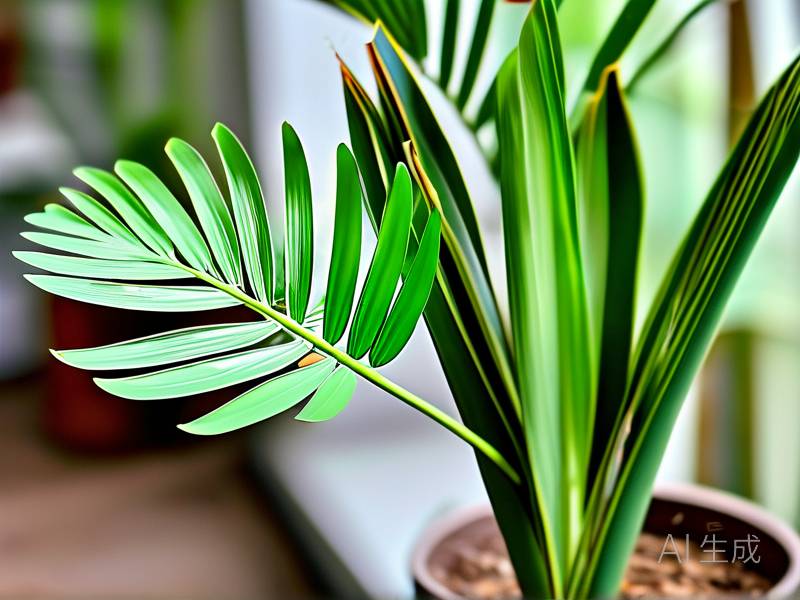
Chamaedorea metallica, often sold as the metallic palm or mini-fishtail palm, is one of the easier indoor palms. Its paddle-shaped fronds have a blue-green metallic sheen that catches light beautifully. It stays compact, tolerates lower light than most palms, and doesn't demand a greenhouse. That said, it's not bulletproof. Tip burn is the number one complaint I hear from home growers in the US, Canada, the UK, and Australia, and it's almost always fixable once you understand what's driving it.
The RHS notes that most palm tip burn traces back to cultural issues rather than pathogens. The AHS makes a similar point about indoor palms and irrigation consistency. That matches what I've seen across years of growing these plants.
What Actually Causes Brown Tip-Burn on Metallic Palm Fronds
Tip burn isn't a single problem. It's a symptom with several common triggers. Here's what I've found matters most.
Salt accumulation from tap water and fertilizer. This is the big one. Municipal water carries chlorine, fluoride, and dissolved minerals. Every time you water, those salts stay behind in the soil. Over months, they build up and scorch the leaf tips.
Inconsistent watering. Letting the root ball dry out completely and then flooding it stresses the plant. The tips are the first place that stress shows up.
Low humidity. Metallic palms come from humid understory environments. Central heating and air conditioning drop indoor humidity to 30% or lower. That dry air pulls moisture from the leaf edges.
Fertilizer burn. Overfeeding, especially with a strong synthetic fertilizer, pushes salt levels higher and damages fine roots.
Poor drainage. Soggy soil suffocates roots, which then can't move water to the leaves. Ironically, overwatered plants often show tip burn that looks like drought stress.
Why Overwatering Is the Silent Killer
I need to say this plainly: 90% of indoor plants die from overwatering. Not underwatering, not pests, not bad luck. Overwatering.
I've killed more plants this way than I care to admit. My second metallica palm died because I "loved" it too much with weekly soakings in a pot with no drainage hole. The roots rotted, the fronds yellowed, then the tips went brown and crispy. I thought it needed more water. It needed less, and better air at the roots.
The tricky part is that overwatering and underwatering can look similar at the leaf tips. Both cause brown, dry edges. That's why you have to check the soil and roots, not just the foliage.
The Two-Week Fix I Actually Used
Here's the exact routine I ran on my current metallica after noticing brown tips creeping down three fronds. I logged results every few days.
Day 1: I flushed the pot with roughly three times the pot's volume of distilled water, letting it drain completely. This leaches out accumulated salts. I used distilled because my tap water is hard.
Day 1–3: I moved the plant to a spot with bright, indirect light and better airflow. Not direct sun, just a brighter corner with a ceiling fan running on low.
Day 3–7: I added a pebble tray with water under the pot and grouped it with two other humidity-loving plants. Indoor humidity went from about 35% to 55% on my hygrometer.
Day 7: I checked the soil moisture with a wooden skewer. Still slightly damp two inches down, so I skipped watering.
Day 10: Watered thoroughly with distilled water until it drained out the bottom. No fertilizer.
Day 14: New spear showed clean, unblemished tissue. The existing brown tips didn't heal (they never do), but the necrosis stopped spreading. I trimmed the dead tissue with sterilized scissors, following the leaf's natural shape.
That's the honest timeline. Two weeks won't reverse old damage, but it stops the progression and tells you whether your fix is working.
Light Requirements: Getting It Right Matters
Metallic palms tolerate lower light than many houseplants, but "tolerate" doesn't mean "thrive." I keep mine in bright, indirect light—think a few feet back from an east or north window.
Too much direct sun scorches the fronds and causes bleached, brown patches, especially in summer. If your plant sits in a south or west window, diffuse the light with a sheer curtain.
Too little light slows growth and makes the plant more vulnerable to root problems because the soil stays wet longer. A dim corner with poor airflow is a recipe for trouble.
In winter, when light is weak in northern climates, I move my palm closer to the window. In summer, I pull it back. Simple as that.
Watering: The Complete Guide
This is where most people go wrong, so let's get specific.
The core rule: water when the top inch or two of soil feels dry, not on a fixed schedule. Stick a finger or wooden skewer in. If it comes out damp, wait.
Water quality matters. I use distilled or filtered water for my metallica. Rainwater is even better if you can collect it. If you must use tap water, let it sit out overnight to off-gas chlorine, though that won't remove fluoride or minerals.
How to water: water slowly and thoroughly until it runs out the drainage holes. Then empty the saucer. Never let the pot sit in standing water.
Seasonal adjustments: in summer, watering every 7–10 days is typical. In winter, every 12–18 days, depending on your home's humidity and temperature. Less light means slower water use.
If you're worried about root rot, unglazed terracotta pots help because they wick moisture from the soil. I switched one of mine to terracotta and noticed the soil dried more evenly.
Soil and Repotting
Metallic palms want a loose, well-draining mix. My go-to blend: two parts peat-free potting compost, one part perlite, and one part orchid bark. That gives roots air and prevents waterlogging.
Pot choice: always use a container with drainage holes. I know the decorative cachepots look nice, but plastic nursery pots inside them are safer. Just empty the cachepot after watering.
When to repot: every two to three years, or when roots circle the pot. Spring is best. Don't upsize too dramatically—one pot size larger is plenty. Overpotting keeps soil wet too long.
Fertilizer: Less Is More
I feed my metallica lightly, once a month in spring and summer, with a balanced liquid fertilizer at half strength. That's it. No feeding in autumn or winter.
Never fertilize:
- A newly repotted plant for the first month
- A dry plant (water first, then feed)
- A stressed or pest-infested plant
Overfertilizing is a direct cause of tip burn. When in doubt, skip it.
Seasonal Care, Step by Step
Spring
This is revival time. Resume watering more regularly as growth picks up. Start feeding at half strength. Repot if needed. Trim dead tips with sterilized scissors, cutting at an angle to follow the leaf shape. New spears should emerge within weeks.
Summer
Watch for sun scorch—move the plant back from hot windows. Keep humidity up. Check for spider mites, which thrive in dry heat. Wipe fronds with a damp cloth now and then to discourage them. Water more often but always check the soil first.
Autumn
Start tapering fertilizer. Reduce watering frequency as light drops. Clean up any dead fronds. This is the time to prepare for indoor winter conditions, especially in Canada and northern US states.
Winter
Keep the plant warm—above 60°F (15°C) ideally. Stop fertilizing entirely. Water sparingly. Keep it away from cold drafts and radiators. If your home is dry, a humidifier or pebble tray helps a lot.
Common Pests and Problems
Spider mites are the main pest I see. Fine webbing and stippled leaves are the clues. Increase humidity and wipe leaves; severe cases need insecticidal soap.
Mealybugs show up as white cottony clusters. Dab them with alcohol on a cotton swab.
Yellowing lower fronds is usually normal aging, but widespread yellowing points to overwatering or poor drainage.
Root rot smells sour and shows mushy brown roots. Repot immediately, trim damaged roots, and switch to a well-draining mix.
Brown tips are what we've covered—flush, fix watering, raise humidity.
Three Mistakes Beginners Make
1. Overwatering. The most common killer. Always check soil before watering.
2. Wrong light. Too much direct sun scorches; too little keeps soil wet. Bright, indirect is the sweet spot.
3. Wrong pot. No drainage means root rot. It's that simple.
I learned all three the hard way. My first metallica died from overwatering in a sealed decorative pot. My second got sunburned on a south windowsill. The third one finally thrived once I fixed the basics.
FAQ
Will brown tips recover? No. Dead tissue doesn't regenerate. Trim it for appearance and focus on preventing new damage.
Can I use tap water? You can, but filtered or distilled water reduces salt buildup and tip burn risk significantly.
How often should I water in winter? Every 12–18 days is a rough guide. Always check soil moisture first—your home's conditions dictate the real schedule.
Once you fix the water, light, and soil basics, Chamaedorea metallica is a forgiving, beautiful palm. The metallic sheen alone is worth the effort, and it rewards consistent care with steady new growth.