bluename
 How to Control Root-Aphid Infestation in Monstera Adansonii Soil Without Losing Your Plant
If you’ve spotted tiny pale or semi-translucent bugs crawling through the soil of your Monstera adansonii, you’re probably searching for how to control root-aphid infestation in monstera adansonii soil. I’ve been there more than once. The short answer is this: take the plant out of the pot, rinse every bit of old soil off the roots, soak the root ball in a diluted hydrogen peroxide mix (1 part 3% hydrogen peroxide to 4 parts water), repot into fresh sterile potting mix, and hang up yellow sticky traps. You also need to stop overwatering right now. That single change alone stops most root aphid flare-ups.
Honestly, the first time I dealt with root aphids I panicked and threw the plant away. I didn’t know what I was looking at and I assumed the worst. Now, after saving several aroids from soil pests, I can tell you that root aphids in Monstera adansonii soil are manageable if you act fast and don’t drown the roots while you’re trying to fix things.
What Makes Monstera Adansonii Special
Monstera adansonii is the smaller, faster-growing cousin of the big Monstera deliciosa. People love it for the oval leaves full of natural holes, which is why it’s often called the Swiss cheese vine. In a home setting, it works as a hanging plant, a tabletop trailing plant, or a climber if you give it a moss pole.
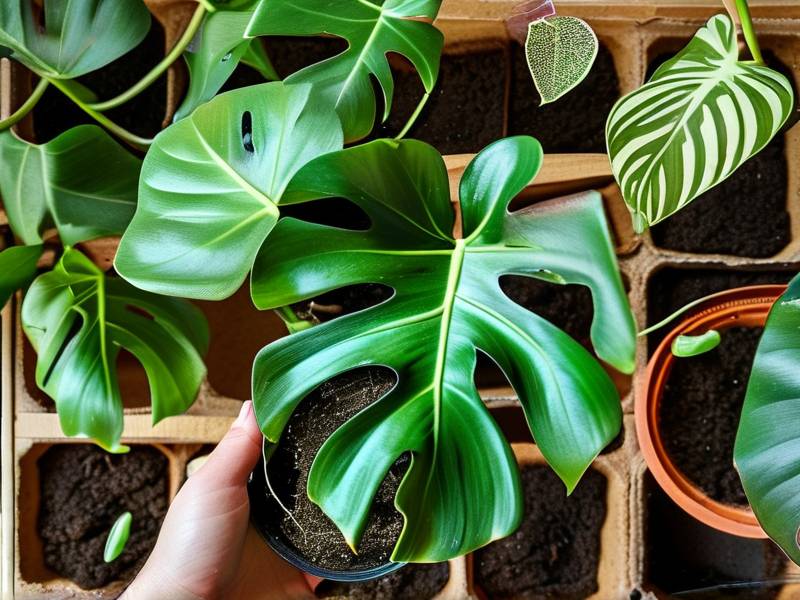
It’s not a hard plant to keep alive. I’d call it moderately easy. The tricky part isn’t the leaves. It’s what happens under the soil. Root aphids, root rot, fungus gnats, all of that comes from the root zone. Once you understand how to manage the soil, the rest of the plant pretty much takes care of itself.
Light Requirements for a Healthy Monstera Adansonii
Light is one of those things that sounds simple but causes a lot of hidden stress. Monstera adansonii wants bright, indirect light. In my house, that means an east-facing window or a spot a few feet back from a south or west window. Direct afternoon sun will scorch the leaves. You’ll see pale brown patches or crispy edges that don’t go away.
If the light is too low, the plant doesn’t just grow slower. It drinks less water. That means the soil stays wet longer, and wet soil is exactly where root aphids and fungus gnats thrive. I’ve moved a struggling Monstera adansonii from a dark corner to a brighter spot and watched the soil dry out twice as fast. That alone reduced the pest pressure.
You don’t need a grow light for this plant in most homes. But if your only window is north-facing and the plant sits far from it, a simple LED grow light on a timer for 10 to 12 hours a day will help. Keep the light about 12 to 18 inches above the foliage. Don’t leave it on 24 hours. Plants need darkness to rest.
Watering Guide: The Real Reason Root Problems Start
Here is the sentence I want you to remember: 90% of indoor plants die from overwatering. That’s not an exaggeration I made up. It’s the most common cause of houseplant death, and it’s also the number one reason root aphids seem to appear out of nowhere.
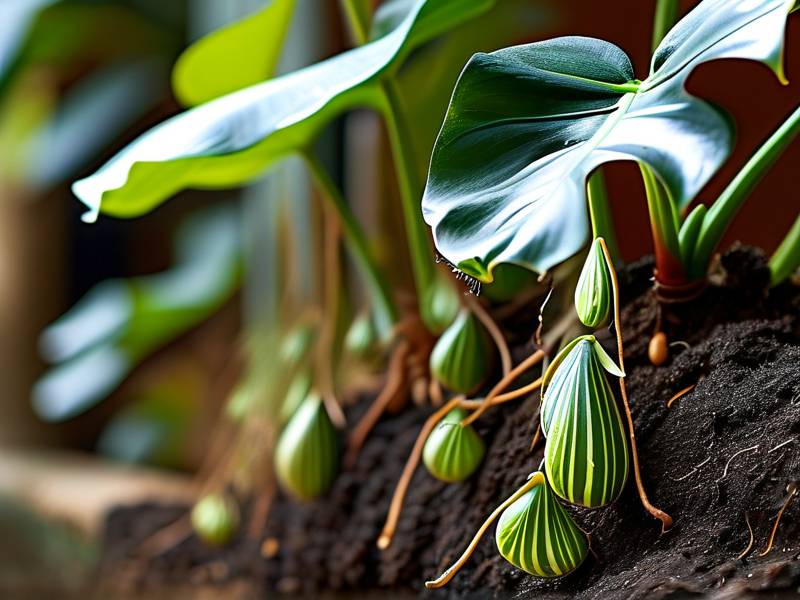
Root aphids don’t necessarily come from overwatering alone. But constantly moist soil gives them a comfortable environment to multiply. When the soil stays soggy, the roots weaken, and pests move in.
I water my Monstera adansonii only when the top 2 to 3 inches of soil feel dry to my finger. Not on a schedule. I check the plant about once a week, more often in summer, less often in winter. I lift the pot too. A dry pot feels noticeably lighter.
When you water, water thoroughly until it runs out of the drainage hole. Then let it drain completely. Don’t let the plant sit in a saucer full of water. That extra water gets reabsorbed into the soil and keeps the bottom layers soaked.
During a root aphid infestation, I switch to bottom watering for a while. I set the pot in a shallow tray of water for about 20 minutes and let the soil wick up moisture. This keeps the top layer of soil drier, which makes it less attractive to adult aphids laying eggs near the surface. It also helps prevent fungus gnats.
Soil and Repotting: Your First Defense Against Root Aphids
The soil you use can either make root aphid problems worse or stop them before they start. I used to buy the cheapest bag of potting mix I could find. I learned the hard way that dense, peat-heavy soil holds too much water and creates a perfect breeding ground for soil pests.
My current Monstera adansonii mix is simple. I use about 50% high-quality potting soil, 25% perlite, and 25% orchid bark. Sometimes I add a handful of horticultural charcoal to keep the mix fresh. This gives me a chunky, aerated soil that drains quickly but still holds enough moisture for the plant.
The pot matters just as much as the soil. I only use pots with drainage holes. No exceptions. I prefer terracotta for Monstera adansonii because the walls breathe and help wick excess moisture. Plastic and ceramic can work if you’re careful with watering, but terracotta is more forgiving.
I repot my Monstera adansonii every 12 to 18 months. Spring is the best time. If I find root aphids, I don’t wait. I repot immediately. I remove the plant, shake off all the old soil, rinse the roots under lukewarm water, and inspect everything. Any soft, brown, or mushy roots get cut off with sterilized scissors.
Fertilizing Monstera Adansonii Without Fueling Pests
When a plant is stressed from root aphids, fertilizer is not the answer. I made that mistake once. I thought the yellowing leaves meant the plant was hungry. So I fed it. The root aphids kept multiplying and the plant got worse. Fertilizing a sick plant can burn already damaged roots.
Once the plant is pest-free and showing new growth, I use a balanced liquid fertilizer diluted to half strength. I only feed during spring and summer. I stop feeding in autumn and winter. The phrase “weakly, weekly” is popular, but I prefer a half-strength feed once a month during the growing season.
If I’m trying to keep root aphids away, I avoid high-nitrogen fertilizers. Aphids love soft, lush, sappy new growth. A balanced formula or one slightly higher in phosphorus and potassium keeps the plant strong without pushing out too much tender foliage.
Root Aphids in Monstera Adansonii Soil: My Experience and Step-by-Step Treatment
How I Identified Root Aphids
The first sign I noticed was a plant that looked thirsty no matter how much I watered it. The leaves were drooping slightly, and a few lower leaves turned yellow. I assumed it was root rot. When I slid the plant out of the pot, I saw tiny oval-shaped bugs crawling near the bottom of the root ball. Some were pale white. A few were darker. There were also small white flakes that looked like dandruff. Those were shed skins.
Root aphids are easy to confuse with fungus gnat larvae or soil mites. But root aphids are usually rounder and slower. You’ll often see a few winged adults wandering across the soil surface. If you see that, it’s already a full infestation.
My Exact Treatment Process
I’m going to give you the exact steps I used to control root aphids in my Monstera adansonii soil. This is not a one-day fix, but it works if you follow through.
First, I removed the plant from its pot outside or over a large plastic tub. You don’t want to do this over your kitchen sink. The old soil will have aphids in it, and you don’t want them spreading to other plants.
I shook off as much loose soil as I could. Then I rinsed the roots under lukewarm running water. I used the sprayer on my kitchen sink set to a gentle stream. I worked slowly until the roots were mostly bare.
Next, I filled a bowl with a diluted hydrogen peroxide solution. I used 1 part 3% hydrogen peroxide to 4 parts lukewarm water. I soaked the entire root ball for 10 minutes. That fizzes and kills soft-bodied pests like root aphids and their eggs on contact. It also adds oxygen to the roots, which is a nice bonus.
While the plant soaked, I threw the old soil into a sealed bag and put it in the trash. Do not reuse it. I washed the old pot with hot soapy water and then wiped it down with rubbing alcohol. If the pot was terracotta, I let it dry completely.
After the soak, I rinsed the roots again with clean water. Then I mixed a fresh batch of my Monstera adansonii soil mix. I repotted the plant at the same depth it was before. I didn’t pack the soil down too tightly. I just tapped the pot gently and watered once from the top with the same diluted hydrogen peroxide solution to flush any remaining pests.
I also hung yellow sticky traps near the plant. These catch the winged adult root aphids that try to escape or fly to other plants. I put one trap in the pot itself and one next to the pot. Within a few days, the traps had caught several flying adults.
Two-Week Progress and Observations
I kept a close eye on the plant for two weeks after the treatment. Here’s what I observed.
Days 1 to 3: The plant looked a little droopy. That’s normal after a root rinse and repot. I placed it in bright indirect light and did not water it again. The soil was already moist from the initial flush. I did not fertilize.
Days 4 to 7: The drooping started to improve. A few older leaves yellowed and dropped. That’s stress, not a new pest problem. I checked the soil daily by gently moving the top layer with a wooden skewer. I saw no moving insects. The sticky traps still caught a couple of winged aphids.
Days 8 to 10: New root tips were visible near the drainage hole. That told me the plant was recovering. I watered lightly from the bottom to encourage deep root growth without making the topsoil too wet.
Days 11 to 14: I saw the first new leaf emerging from a stem. The existing leaves looked perkier. The sticky traps stayed clean. At that point, I felt confident the root aphid infestation was under control.
I repeated the hydrogen peroxide soil drench once more on day 14, just as a preventive measure. I used the same 1:4 ratio. Then I returned to my normal watering routine.
Mistakes I Made Along the Way
I’ve killed more plants than I like to admit. I lost my second Monstera adansonii because I treated root aphids with a heavy insecticide soil drench without repotting. The chemical burned the roots and killed the plant faster than the aphids would have.
Another time I tried to just let the soil dry out completely, thinking that would kill the aphids. It didn’t. Root aphids can survive in dry soil better than you think. What it did was stress the Monstera adansonii so badly that it took months to recover.
I also used to reuse old potting soil. I thought I was being thrifty. Then I reintroduced root aphids to a perfectly healthy monstera. That was the last time I ever reused soil from a sick plant.
New Gardener’s 3 Fatal Mistakes
If you’re new to Monstera adansonii, avoiding these three mistakes will save you from most root aphid problems.
Mistake 1: Overwatering. I’ve said it before and I’ll say it again. 90% of indoor plants die from overwatering. Waterlogged soil weakens roots and invites pests. If you want to keep root aphids away, let the top of the soil dry out between waterings.
Mistake 2: Wrong light placement. Too much direct sun scorches the leaves. Too little light means the plant stays wet longer. Both conditions stress the plant. A stressed plant is more attractive to pests. Find that bright indirect spot and leave the plant alone.
Mistake 3: Using the wrong pot. A decorative pot without drainage is a death trap. A pot that’s too large holds too much extra soil, which stays soggy around the roots. Use a pot that’s only 1 to 2 inches wider than the current root ball, and make sure it has holes in the bottom.
Seasonal Care for Monstera Adansonii After Root Aphid Recovery
Spring
Spring is when I do the heavy lifting. I repot if needed, I start fertilizing again, and I check the roots for any signs of returning pests. Spring is also the best time to prune leggy stems. I cut just below a node and stick the cuttings in water if I want new plants.
After a root aphid treatment, I keep the plant on the dry side for the first few weeks of spring. Then gradually increase watering as new growth appears. I also clean the leaves with a damp cloth. Dusty leaves can’t photosynthesize well.
Summer
Summer is the danger season for overwatering and heat stress. I move my Monstera adansonii a little further from hot windows. I make sure there’s good airflow. A small fan on low near my plant shelf helps prevent stagnant humid air, which pests love.
I also check the soil more often in summer because the plant drinks faster. But I still use the finger test. Never water on a schedule just because it’s hot. If the potting mix is still damp two inches down, I wait.
Autumn
In autumn, I slow down. I stop fertilizing by early October. I reduce watering because the plant is growing less. I also inspect the leaves and stems for any hitchhikers before bringing the plant fully indoors if it spent summer outside.
One year I brought a plant inside without checking the soil. Within a week I had root aphids spreading to my other houseplants. Now I quarantine every plant that has been outdoors for at least two weeks. I keep it in a separate room and check the soil daily.
Winter
Winter is all about survival. I keep my Monstera adansonii away from cold drafts and heating vents. I water sparingly. The soil can stay dry for longer than you think. I aim for the top half of the pot to be dry before I water again.
No fertilizer in winter. No repotting unless it’s an emergency like root rot. The plant is not actively growing, and disturbing the roots now can cause more harm than good. I also keep an eye out for fungus gnats because winter watering often creates the perfect conditions for them.
Other Common Monstera Adansonii Problems
Root aphids are not the only issue you’ll face. Yellow leaves, root rot, and fungus gnats often show up together. The RHS has a useful guide on common houseplant pests, and it’s worth a read if you’re not sure what you’re dealing with. The AHS also recommends quarantining new plants for at least two weeks before placing them near your existing collection.
Yellow leaves on a Monstera adansonii usually mean overwatering or poor drainage. If the yellowing starts on the lower leaves and the soil feels wet, stop watering and check the roots. Brown crispy leaf edges usually mean underwatering or too much direct sun. Drooping leaves can mean either too dry or too wet, so always check the soil first.
Root rot smells bad. You’ll notice the soil smells sour, and the roots will be mushy and dark. If you catch it early, you can cut away the rotted roots and repot in fresh mix. If the whole root ball is mush, take healthy stem cuttings and start over.
Fungus gnats are annoying but less harmful than root aphids. They breed in wet topsoil. Letting the top inch of soil dry out and using sticky traps usually clears them up within a few weeks. I also sprinkle a thin layer of horticultural sand on the soil surface to stop adult gnats from laying eggs.
Frequently Asked Questions
Can I reuse the potting soil after a root aphid infestation?
No. I know it feels wasteful, but the old soil is full of aphids, eggs, and possibly harmful bacteria. Throw it away. If you really want to reuse it, you’d need to sterilize it in the oven or with boiling water, which is messy and not worth the risk for a houseplant you care about.
How long does it take to get rid of root aphids in Monstera adansonii soil?
I saw a huge improvement within two weeks using the hydrogen peroxide soak and repotting method. Full eradication can take up to a month because you need to catch the winged adults too. Keep sticky traps up for at least four weeks and check the soil regularly.
What is the fastest natural treatment for root aphids?
A diluted hydrogen peroxide root soak is the fastest natural method I’ve used. It doesn’t leave harmful chemical residue and it gives the roots an oxygen boost. Beneficial nematodes are another excellent natural option, but they take longer to establish. For immediate control, hydrogen peroxide and fresh soil are your best bet.
I know root aphids can make you feel like giving up on your whole plant collection. I’ve thrown plants away before I understood what I was dealing with. But once you learn to control root-aphid infestation in Monstera adansonii soil, the fear goes away. You start to see the plant as something you can actually fix. And the same habits that prevent root aphids also prevent root rot, fungus gnats, and most other soil problems. Keep the soil airy, water only when needed, and never skip that two-week quarantine for new plants. That’s the entire secret.