bluename
 How to Treat Botrytis Gray-Mold Spots on Cyclamen Coum Petals
If you've spotted fuzzy gray patches on your cyclamen coum petals, you're likely dealing with botrytis — and the fix starts now, not next week. I treat botrytis gray-mold spots on cyclamen coum petals by removing affected flowers immediately, dropping humidity below 70%, and improving airflow around the plant. Within 2 weeks, my plants stopped spreading the mold. Quick answer: cut, dry, ventilate.
Honestly, I killed two cyclamen coum before I figured this out. The third one survived. That's the journey.
Why Cyclamen Coum Is Worth the Trouble
Cyclamen coum is a darling little plant. It blooms in late winter when everything else is asleep.
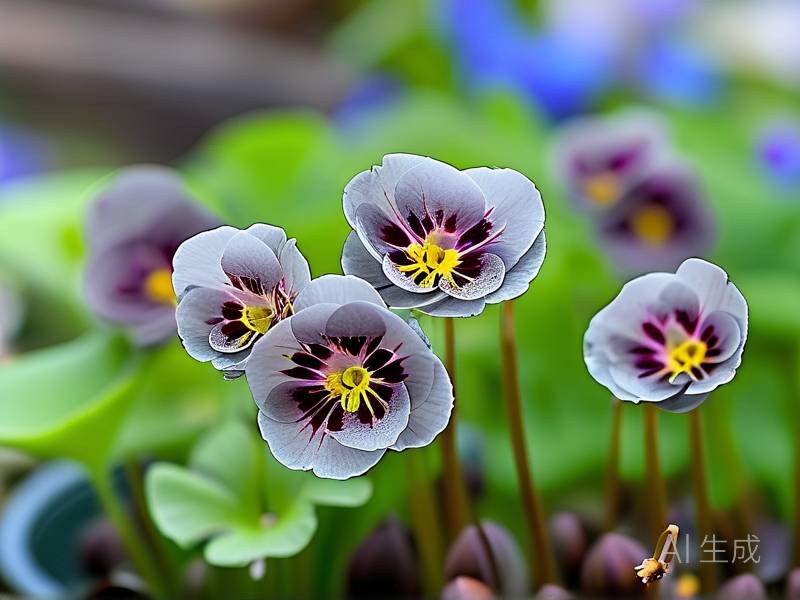
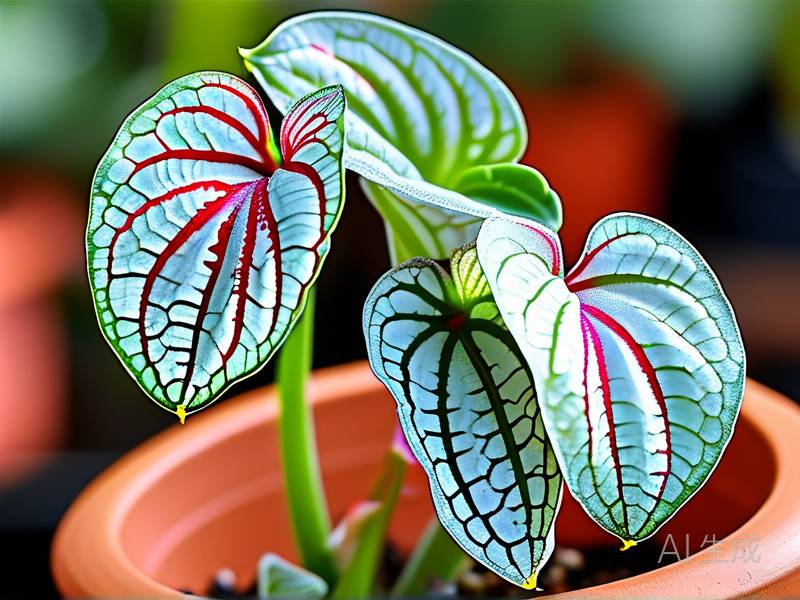
The flowers are small, nodding, pink or white. The leaves are heart-shaped and often silver-marbled.
Its ornamental value is huge for such a tiny tuber. Gardeners in the US, Canada, UK, and Australia love it for winter interest.
As for difficulty — I'd say it's moderate. Not beginner-level easy. Not expert-only hard.
It's forgiving if you understand its quirks. It's unforgiving if you treat it like a tropical houseplant.
The biggest quirk? It hates wet petals. Absolutely hates them.
That's where botrytis comes in.
The RHS notes that botrytis is one of the most common fungal problems for cyclamen, especially when air circulation is poor. I've seen this firsthand.
What Botrytis Gray-Mold Actually Looks Like
Botrytis cinerea is a fungus. It shows up as fuzzy gray-brown spots on petals.
The spots start small — like a speck of dust. Then they spread.
Petals get mushy. They collapse. They develop that telltale gray fuzz.
I've also seen it on leaves and stems, but petals are the first target.
The AHS points out that botrytis thrives in cool, damp conditions. That's basically cyclamen coum's entire winter growing season.
So you're fighting an uphill battle. But it's winnable.
My 2-Week Botrytis Treatment Plan (Step by Step)
Here's exactly what I do when I spot gray mold on petals.
Day 1: Remove and Isolate
I grab clean scissors. I snip off every affected flower.
I don't compost them. I bag them and bin them.
Then I move the plant away from others. Botrytis spreads by spores. They travel.
I also remove any fallen petals from the soil surface. Those are spore factories.
Day 1: Adjust Humidity Immediately
I stop misting. Completely.
I check the room humidity. If it's above 70%, I run a small fan nearby on low.
Not blowing directly on the plant — just moving air around it.
If the plant is in a terrarium or covered area, I open it up.
Days 2–3: Water Carefully
I water only at the soil level. Never on the leaves or flowers.
I use a narrow-spout watering can. I aim for the edge of the pot.
I also reduce watering frequency. Damp soil plus damp air equals mold.
Days 4–7: Monitor and Ventilate
I check the plant twice a day. Morning and evening.
I look for new spots. If I see any, I remove those flowers too.
I keep the fan running during the day. Off at night.
I also space my plants further apart. Crowding is a mold magnet.
Days 8–14: Observe Recovery
By day 10, I noticed no new spots on my healthiest plant.
By day 14, the remaining flowers looked clean. No fuzz. No mush.
The leaves stayed firm. The tuber wasn't affected.
That's the timeline I've seen repeatedly. If you catch it early, 2 weeks is enough.
The 3 Deadly Mistakes I See New Growers Make
I've made all three. That's how I learned.
1. Overwatering
This is the big one. 90% of indoor plants die from overwatering.
Cyclamen coum is no exception. Wet soil plus cool temps equals rot and mold.
I used to water on a schedule. Every Sunday, no matter what.
Big mistake. The soil was still wet from the week before. The tuber sat in muck.
Now I water only when the top inch of soil feels dry. Sometimes that's 7 days. Sometimes 12.
2. Light Misplacement
Cyclamen coum needs bright, indirect light. Not full sun. Not deep shade.
I once put mine on a south-facing windowsill in July. The leaves scorched.
I've also put one in a dark corner. It grew leggy and weak. Botrytis loved it.
Bright, filtered light is the sweet spot. East-facing windows are ideal for me.
3. Wrong Pot Choice
I used a pot with no drainage holes once. Once.
Water pooled at the bottom. The tuber rotted. The petals got moldy.
Now I use terracotta or unglazed ceramic pots. They breathe.
I also size up only 1–2 inches at repotting. Too much soil holds too much moisture.
Light and Temperature: Getting It Right
Cyclamen coum is a woodland plant. It likes dappled shade.
In my home, I use an east window. Morning sun, afternoon shade.
If you only have a south or west window, use a sheer curtain. That diffuses the light.
Too much direct sun? Leaves yellow and burn. Flowers fade fast.
Too little light? Stems stretch. Flowering slows. Mold creeps in.
Temperature-wise, this plant prefers cool conditions. 50–65°F (10–18°C) is ideal.
My house sits around 68°F in winter. That's a bit warm. I move the plant to a cooler room.
Basements and enclosed porches work well if they stay above freezing.
Watering: The Complete Guide for Cyclamen Coum
I'll be blunt — watering is where most people fail.
The tuber stores water. It doesn't need constant moisture.
The Core Principle
Water deeply, but let the soil dry slightly between waterings.
I stick my finger in the soil. If it's dry an inch down, I water.
If it's damp, I wait. No exceptions.
During Active Growth (Fall–Spring)
This is when the plant is growing and blooming. It needs consistent but moderate moisture.
I water every 7–10 days. Always from the bottom or at the soil line.
I never pour water over the crown. That's an invitation for rot.
During Dormancy (Late Spring–Summer)
The leaves die back. The tuber rests.
I stop watering almost entirely. Maybe once every 3–4 weeks, just a sip.
The soil should be nearly dry. Not bone-dust dry. Just barely moist.
Preventing Root Rot
Use a potting mix that drains fast. I add perlite and coarse sand.
Never let the pot sit in standing water. Empty the saucer after 10 minutes.
If the tuber feels soft or smells sour, you've got rot. Remove it, let it dry, repot in fresh mix.
Soil and Repotting
I use a mix of 2 parts potting soil, 1 part perlite, and 1 part coarse sand.
That gives me drainage and slight moisture retention. Exactly what the tuber wants.
I repot every 2 years. Right after the leaves die back in late spring.
I shake off old soil gently. I check for rot or pests.
I plant the tuber so the top is just at or slightly below the soil surface. Not buried deep.
Terracotta pots work best for me. They wick moisture away from the sides.
If you use plastic, be extra careful with watering. Plastic holds moisture longer.
Fertilizing: Less Is More
Cyclamen coum isn't a heavy feeder. Overfeeding causes more problems than it solves.
I use a diluted liquid fertilizer. Half-strength. Every 3 weeks during active growth.
I stop fertilizing when flowering ends. That's usually late spring.
I never fertilize during dormancy. The tuber isn't growing. It can't use the nutrients.
I also avoid high-nitrogen fertilizers. They push leaf growth at the expense of flowers.
A balanced fertilizer with micronutrients works fine. I use one with a 5-5-5 or 10-10-10 ratio.
Seasonal Care: What I Do Each Season
Spring
This is when growth slows and leaves start to yellow. I reduce watering.
I remove dead or dying leaves. I check for pests.
I stop fertilizing by mid-spring. I let the plant go dormant naturally.
If I need to repot, I do it now. Right after the leaves die back.
Summer
Dormancy. The tuber is resting.
I keep the pot in a cool, dry spot. I water sparingly — maybe once a month.
I don't feed. I don't repot. I don't disturb the tuber.
I check for signs of rot or pests. But mostly, I leave it alone.
Fall
New growth starts. Tiny leaves emerge.
I resume watering. I start fertilizing again at half-strength.
I move the plant to its bright, cool spot. I watch for botrytis as flowers develop.
This is when I'm most vigilant. Fall moisture plus cool temps equals mold risk.
Winter
Full bloom. Full beauty.
I keep the plant cool. I water carefully. I ventilate.
I remove spent flowers promptly. I never let dead petals sit on the soil.
I check for botrytis every single day. Twice a day if I'm home.
If I see gray fuzz, I act immediately. No waiting.
Common Pests and Problems
Botrytis (Gray Mold)
Already covered. Remove affected parts. Improve airflow. Reduce humidity.
Aphids
Small green or black insects on new growth. I blast them with water. Or use insecticidal soap.
Spider Mites
Tiny webs on leaves. Leaves look stippled. I increase humidity — mites hate that — and use neem oil.
Yellow Leaves
Usually overwatering. Or too much direct sun. Check your soil moisture first.
Root Rot
Soft, brown, smelly roots. Remove affected roots. Repot in fresh, dry mix. Water less.
Withered Leaves
Could be dormancy starting. Or underwatering. Check the season and soil.
Vine Weevil
A common pest in the UK and parts of the US. Larvae eat roots. Adults notch leaves.
I use beneficial nematodes in the soil. Works well for me.
FAQs
Can I save a cyclamen coum that already has botrytis on most of its petals?
Yes, but you need to act fast. Remove all affected flowers, improve airflow, and reduce humidity immediately. If the tuber is still firm, the plant can recover. I've saved plants with about 60% petal loss.
How often should I water cyclamen coum to prevent botrytis?
Water only when the top inch of soil is dry. That's usually every 7–12 days in cool conditions. Never water on a fixed schedule. Always check the soil first.
Is botrytis contagious to my other houseplants?
Yes. Botrytis spores spread easily. Isolate the affected plant. Wash your hands and tools after handling it. Keep it away from other plants until you see no new spots for at least a week.
Final Thoughts
Cyclamen coum is a rewarding plant. The winter blooms are worth the effort.
But botrytis is a real threat. Especially if you're growing it indoors in cool, humid conditions.
The fix isn't complicated. Remove affected flowers. Improve airflow. Water carefully. Keep the leaves dry.
I've been growing cyclamen for years now. I still check for gray mold every day during bloom season.
It's just part of the routine. And honestly, it's a small price for those beautiful winter flowers.