bluename
 How to Control Thrips-Caused Silver Stippling on Ctenanthe Burle-Marxii
If you've noticed silvery, scratchy streaks spreading across the leaves of your Ctenanthe burle-marxii, you're probably dealing with thrips. I know that panic well. The first time it happened to my own plant, I assumed it was a lighting issue and moved it around for a week before I spotted the actual culprits. Controlling thrips-caused silver stippling on Ctenanthe burle-marxii comes down to three things: catching the pest early, cleaning the leaves consistently, and fixing the environment that invited them in. In this article, I'll walk you through exactly what I did over a two-week period, the mistakes I made along the way, and the full care routine that keeps this plant thriving long-term.
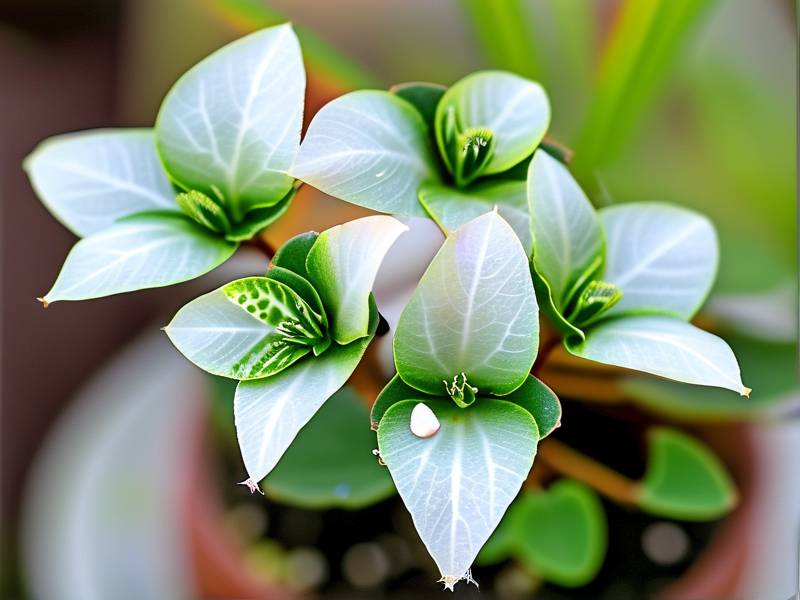
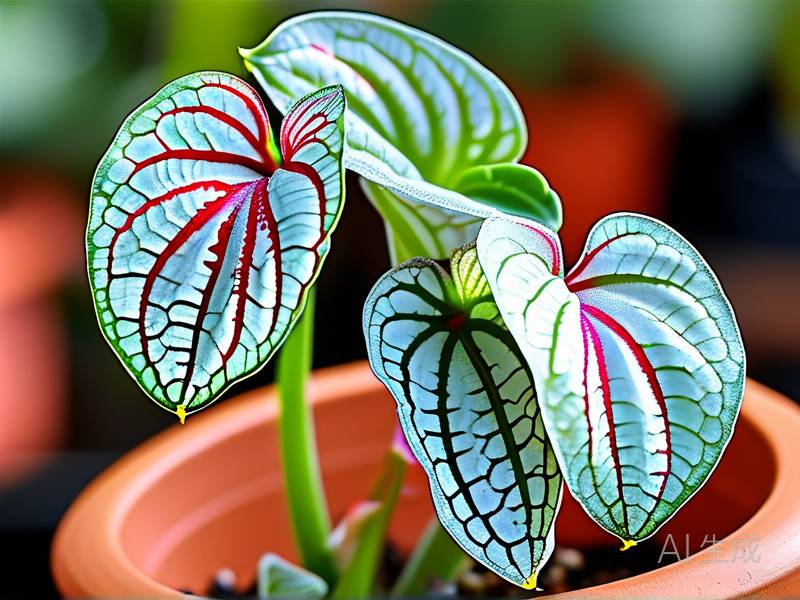
Ctenanthe burle-marxii, sometimes called the fishbone prayer plant, is one of those plants that looks delicate but isn't impossible to keep. Its silver-green leaves with dark fishbone patterns make it a standout on any shelf. The catch? Those same thin, textured leaves are a magnet for sap-sucking pests like thrips. And unlike a pothos that can shrug off an infestation, this plant shows damage fast.
Let me save you some time right at the start. If you see silver stippling, don't just treat the leaves. You need to treat the soil, isolate the plant, and commit to a two-week minimum routine. Anything less and thrips come back.
What Thrips Actually Do to This Plant
Thrips are tiny, slender insects, often no bigger than a speck of dust. They feed by piercing leaf cells and sucking out the contents. That feeding causes the silver or silvery-white stippling you see on Ctenanthe burle-marxii leaves.
On this particular plant, the damage shows up as patchy metallic streaks along the leaf surface. Sometimes you'll also see tiny black dots, which are thrips frass. If you look closely enough, you might catch the pests themselves crawling near the leaf veins.
The tricky part is that thrips multiply fast. A few can become a full-blown problem in about ten days if the conditions are right. Warm, dry indoor air speeds up their life cycle dramatically. That's why infestations often spike in winter when heating dries out the air.
Step One: Isolate and Inspect
The moment you spot silver stippling, move the plant away from your other houseplants. Thrips fly and hop, so proximity matters.
I learned this the hard way. I left an infested Ctenanthe next to a Calathea for four days, thinking it was fine. By day five, the Calathea had stippling too. Don't make my mistake.
Inspect every leaf, including the undersides. Thrips tend to hide near the midrib and along the leaf edges. Use a flashlight if needed. A magnifying glass helps too, though honestly, once you know what you're looking for, your eyes adjust.
Step Two: Shower and Wipe
Here's what worked for me. I took the plant to my kitchen sink and gave it a gentle but thorough shower with room-temperature water. The goal is to physically knock off as many thrips as possible.
After showering, I wiped each leaf with a soft microfiber cloth. I used a diluted solution of mild castile soap and water, about one teaspoon per quart. I made sure to wipe both the top and bottom of every leaf.
I did this every other day for two weeks. That's the key part. One cleaning session won't cut it because thrips lay eggs inside leaf tissue. You need repeated disruption to break the cycle.
By day four of this routine, I noticed fewer live thrips. By day ten, new leaf growth looked clean. By day fourteen, I felt confident the infestation had stopped spreading.
Step Three: Treat the Soil
A lot of people forget that thrips can pupate in the soil. If you only treat the leaves, you're leaving half the problem underground.
I mixed a diluted neem oil solution and watered it into the soil once a week during the two-week treatment. Neem doesn't kill adult thrips instantly, but it disrupts their hormones and feeding behavior.
Alternative options include beneficial nematodes or a light dusting of diatomaceous earth on the top inch of soil. I've tried both. The neem drench was easier for me and less messy. But if you're dealing with a heavy infestation, combining soil treatment with leaf cleaning gives you the best shot.
Light Requirements for Ctenanthe Burle-Marxii
This plant wants bright, indirect light. Think of the light you'd get a few feet back from an east-facing window. That's the sweet spot.
Direct sun will scorch those patterned leaves in a hurry. I once put mine on a south-facing sill in March, thinking the winter sun was weak enough. Within three days the leaf edges turned crispy and brown.
Too little light is also a problem. In low light, the silver patterning fades, growth slows, and the plant becomes more vulnerable to pests because it's stressed. Stressed plants attract thrips. It's that simple.
If your natural light is limited, a grow light placed twelve to eighteen inches above the plant works well. I run mine for ten hours a day and the plant stays compact and colorful.
Watering Without Killing the Plant
Let me say this plainly: 90% of indoor plants die from overwatering. That number comes up again and again in conversations with experienced growers, and it matches what I've seen in my own collection.
Ctenanthe burle-marxii likes consistently moist soil, but not soggy soil. There's a big difference. Moist means the soil feels like a wrung-out sponge. Soggy means water pools when you press down.
I water when the top inch of soil feels dry to the touch. In summer, that's roughly every five to seven days. In winter, every ten to fourteen days. Your home's humidity and temperature will shift those numbers, so always check the soil first.
Use room-temperature, filtered water if you can. This plant is sensitive to the chemicals in tap water, and you'll see the tips turn brown. I let my water sit out overnight before using it. It's a small habit that makes a real difference.
Always use a pot with drainage holes. Always empty the saucer after watering. If water sits in the saucer for more than an hour, you're asking for root rot and fungal gnats.
Soil Mix and Repotting
The right soil mix for Ctenanthe burle-marxii drains well while holding some moisture. I use a blend of two parts potting mix, one part perlite, and one part orchid bark. It's airy, chunky, and roots love it.
Avoid heavy, peat-based mixes that compact over time. They suffocate roots and hold too much water.
Repot every eighteen to twenty-four months, ideally in spring. Choose a pot that's only one to two inches wider than the current one. Going too big is a classic beginner mistake. A huge pot means excess soil that stays wet for too long. That's how root rot starts.
When repotting, gently shake off old soil and trim any mushy or dark roots with clean scissors. Fresh mix, fresh start.
Fertilizing the Right Way
Feed lightly. This is not a heavy feeder. Overfertilizing causes salt buildup, which burns leaf edges and attracts pests.
I use a balanced liquid fertilizer diluted to half strength, once a month from spring through early fall. In winter, I stop entirely. The plant isn't actively growing and doesn't need the extra nutrients.
If you've recently repotted, wait at least six weeks before feeding. Fresh potting mix already contains some nutrients.
Never fertilize a plant that's stressed, infested, or sitting in soggy soil. Fix the underlying problem first. Feeding a struggling plant is like giving a heavy meal to someone with a stomach ache.
Seasonal Care That Actually Matters
Ctenanthe burle-marxii originates from Brazilian forests, so it responds strongly to seasonal shifts. Adjusting your routine through the year makes a huge difference in leaf quality and pest resistance.
Spring: Wake-Up Time
Spring is when I do the heavy lifting. I check roots, repot if needed, and start fertilizing again. I also trim off any damaged leaves from the winter. Cutting them back near the base encourages fresh growth.
If the plant is leggy or lopsided, spring is the time to propagate. Stem cuttings root well in water or moist sphagnum moss. I've had the best success with cuttings that have at least two nodes.
Watch for early signs of thrips in spring. New growth is tender and appealing to pests.
Summer: Watch the Heat
Summer heat stresses this plant, especially if the air is dry. I run a small humidifier nearby and keep the plant out of direct sun. Temperatures above 85°F slow growth and increase pest activity.
Water more frequently but check the soil every time. Don't water on a schedule. Water based on what the soil tells you.
Good airflow matters too. A gentle fan on low, placed a few feet away, keeps air moving without blasting the leaves. Stagnant air plus warmth equals thrips heaven.
Fall: Dial It Back
As growth slows, I reduce fertilizing to every six weeks and start watering less often. I also clean the leaves thoroughly before bringing the plant inside if it spent summer outdoors.
This is the time to check for pests one more time before winter. Thrips love the dry indoor air that comes with heating season.
Winter: Keep It Alive and Pest-Free
Winter is survival mode. I stop fertilizing completely, water sparingly, and keep the plant away from drafty windows and heating vents.
Humidity drops in winter. I group my humidity-loving plants together and run a humidifier. Misting alone isn't enough, but it helps in a pinch.
Inspect leaves weekly during winter. Thrips reproduce fast in dry, warm indoor conditions. Catching them early in December saves you a nightmare in February.
The Three Biggest Beginner Mistakes
I've made all three of these. More than once.
Mistake one: watering too much. People water on a schedule. The plant doesn't care about your calendar. It cares about soil moisture. Stick your finger in the soil before every watering. If it's wet, walk away.
Mistake two: putting it in the wrong light. Direct sun burns it. Deep shade weakens it. Find that middle ground of bright, indirect light and the plant will reward you with dense, colorful foliage.
Mistake three: using the wrong pot. Oversized pots, pots without drainage, or decorative pots with no holes are all trouble. Terracotta or plastic with drainage holes is what you want. Size up gradually, not dramatically.
I killed my first Ctenanthe burle-marxii because of all three combined. Overwatered it in a big glazed pot with no drainage, sitting in direct afternoon sun. It didn't stand a chance. But that failure taught me more than any success.
Common Pests and Problems
Besides thrips, watch for spider mites and fungus gnats. Spider mites cause fine webbing and pale speckling. Fungus gnats hover around wet soil.
Yellow leaves usually mean overwatering or cold drafts. Brown, crispy edges point to low humidity or tap water chemicals. Curling leaves often signal underwatering or heat stress.
Root rot shows up as mushy stems, foul smell, and sudden collapse. If you catch it early, trim the damaged roots, repot in fresh dry mix, and hold off on watering for a week.
For thrips specifically, the two-week routine I described earlier remains my go-to. Consistency beats intensity. Skipping a day sets you back.
According to the RHS, early detection and repeated physical removal are among the most effective methods for managing thrips in home settings. The AHS also emphasizes the importance of proper air circulation and avoiding overcrowded plant groupings to reduce pest pressure. I've found both of these principles hold true in my own experience.
Frequently Asked Questions
Can silver stippling on Ctenanthe burle-marxii heal itself?
No. The damaged leaf tissue won't turn green again. Once thrips have sucked out those cells, that silver color is permanent. Your best move is to stop new damage, then trim off the worst leaves over time as new growth replaces them.
How long does it take to get rid of thrips on this plant?
With consistent effort, you'll see significant improvement in about two weeks. Full eradication can take three to four weeks because of the egg-laying cycle. Keep treating until you've gone two full weeks with zero signs of live thrips.
Is neem oil safe for Ctenanthe burle-marxii?
Yes, when diluted properly and applied in low light or evening. Don't apply it in direct sun. Test on one leaf first to make sure your plant doesn't react badly. I've used diluted neem on mine for two years with no leaf burn, as long as I kept it out of bright light for twenty-four hours after applying.
What I've learned after years of growing Ctenanthe burle-marxii is that this plant isn't difficult. It's just specific. It wants consistent moisture, indirect light, and clean leaves. When you meet those needs, thrips rarely become a problem. And when they do show up, a calm two-week routine of showering, wiping, and treating the soil will bring things back under control. Don't panic, don't overwater, and don't skip the underside of the leaves. That's where the battle is won.