bluename
 How to Eliminate Broad-Mite Crumpled New Growth on Fittonia Verschaffeltii
If the new leaves on your Fittonia verschaffeltii are coming in crumpled, twisted, and smaller than they should be, broad mites are almost certainly the culprit. I have watched this exact problem wreck a beautiful nerve plant I had babied for eight months. The new growth looked like someone had pinched every emerging leaflet before it had a chance to open. It was frustrating and honestly a little heartbreaking.
Here is the good news. Broad mites on Fittonia are beatable if you catch them early and stay consistent with treatment for at least two weeks. I know that sounds like a long time. It is. But I have done it, and I have seen healthy new leaves come back.
Quick answer before we dive deep: isolate the plant immediately, spray with a miticide or neem-based product every four to five days, keep humidity high, and remove any growth that is too far gone. That is the short version. The rest of this article walks through everything I learned from my own mistakes so you do not have to repeat them.
What Makes Fittonia Verschaffeltii So Special (and So Vulnerable)
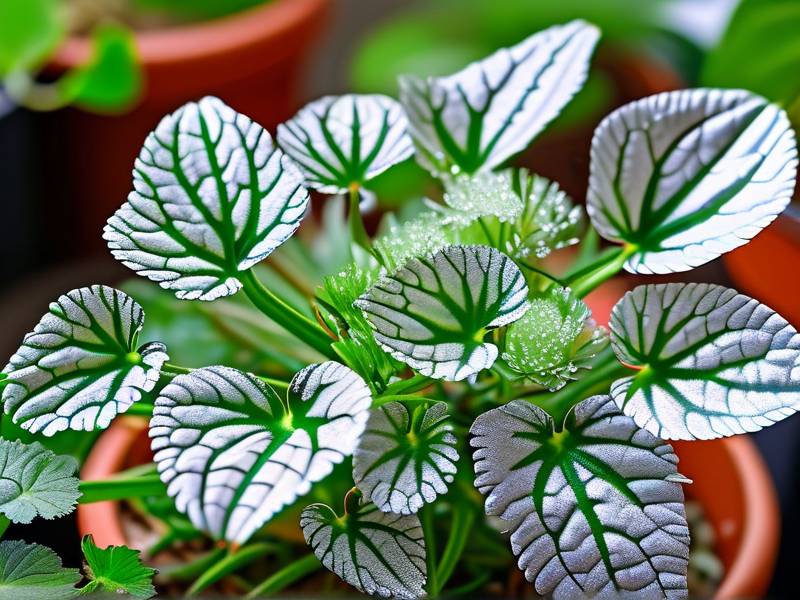
Fittonia verschaffeltii, commonly called the nerve plant or mosaic plant, is loved for its striking veined leaves. The foliage comes in shades of green, pink, red, and white. It looks almost painted. People grow it in terrariums, on desks, in bathrooms, anywhere with decent humidity.
It is not an easy-care plant for everyone. I would say it sits somewhere in the middle. Not as forgiving as a pothos. Not as demanding as a calathea. But it does have opinions, and it will let you know when something is off.
One thing I learned the hard way: Fittonia has thin, tender leaves. That makes it a magnet for pests that prefer soft new growth. Broad mites are at the top of that list. These tiny pests are almost invisible to the naked eye. They measure about 0.1 to 0.2 millimeters. You will not see them crawling around like spider mites. What you will see is damage.
The Damage Pattern That Tells You It Is Broad Mites
Broad mite damage on Fittonia looks very specific. The newest leaves come in crinkled, curled downward, and sometimes with a bronzed or purplish edge. The internodes stay short, so the plant looks bunched up. Leaves may feel stiff and brittle. In severe cases, the growing tip dies.
I remember staring at my plant thinking it needed more water. Then I thought it needed more light. Then I convinced myself it was a nutrient deficiency. I wasted almost three weeks guessing before I finally grabbed a magnifying glass. That is when I saw the tiny, translucent, almost glassy specks moving near the leaf base. Broad mites.
If you are reading this and nodding, you are in the right place.
Why Broad Mites Are So Hard to Eliminate
Broad mites are not insects. They are arachnids, same family as spiders and spider mites. That matters because many common insecticides do not work on them. You need something labeled as a miticide.
They also hide in places you would not expect. They burrow into the tight new growth where leaves have not yet unfurled. Spraying the outside of the plant often misses them entirely.
They reproduce fast. A single female can lay dozens of eggs in her short life. In warm indoor conditions, a generation can turn over in about a week. That is why a single spray never works. You have to break the cycle.
My Two-Week Broad Mite Treatment Plan (Step by Step)
I want to walk you through exactly what I did. This is not theory. This is me standing over my kitchen sink with a spray bottle and a lot of stubbornness.
Day 1: Isolation and Inspection
First thing I did was move the Fittonia away from every other plant. Broad mites spread by contact and by wind. A gentle breeze from a fan or open window can carry them to nearby plants. I put mine in a separate room.
Then I inspected every plant within three feet of where the Fittonia had been sitting. I found early damage on a small pothos. That went into isolation too.
Day 1: Pruning and Cleaning
I grabbed clean scissors and removed every leaf that was severely crumpled. I cut back to healthy tissue. It felt brutal but necessary. I also wiped down the outside of the pot and the saucer with soapy water.
Then I sprayed the entire plant with a miticide. I used a product containing abamectin, which is available in many garden centers in the US, UK, Canada, and Australia. If you prefer organic options, neem oil with azadirachtin can work but you must apply it more often.
Critical tip: Spray undersides of leaves, growing tips, and even the soil surface. Broad mites can drop onto the soil and crawl back up.
Day 4: Second Spray
Three days later, I sprayed again. Not because I saw new damage, but because eggs hatch on a staggered schedule. Missing a spray day gives the next generation a free pass.
Day 7: Third Spray and Humidity Check
I kept humidity above 60 percent by placing the pot on a tray of wet pebbles. Ironically, broad mites prefer dry, hot conditions. Raising humidity slows them down. I also stopped fertilizing. Fertilizer pushes soft new growth, which is exactly what broad mites want.
Day 10: Fourth Spray
By this point, I noticed something. The newest leaf tip that had been crumpled was starting to open more normally. It was tiny, but it was progress.
Day 14: Final Spray and Observation
Two weeks in, I had sprayed four times. The new growth still looked a little uneven, but it was no longer crinkled into a tight ball. I waited another week to be sure. No new damage. The plant was on the mend.
One thing I want to be honest about: the old damaged leaves never healed. They stayed crinkled. That is normal. What you are looking for is healthy new growth. If the new leaves come in flat and normal, you won.
The Three Mistakes That Almost Killed My Fittonia
I have killed more than one plant in my life. I am not proud of that, but it taught me things. Here are the three mistakes I see new growers make over and over.
Mistake One: Overwatering
I cannot count how many times I drowned a plant thinking I was helping. Fittonia likes consistent moisture, but not soggy soil. When the roots sit in water, they rot. Rotting roots cannot support new growth. And guess what? Broad mites love a stressed plant.
Here is a stat that should stick with you: 90% of indoor plants die from overwatering. That is not an exaggeration. It is the number one killer.
Fix: Water when the top inch of soil feels dry. Use a pot with drainage holes. Always.
Mistake Two: Wrong Light
Fittonia is a understory plant. In the wild, it grows on the forest floor. It wants bright, indirect light. Direct sun scorches the leaves. Too little light makes it leggy and weak.
I once put mine on a south-facing windowsill thinking more light equals more growth. The leaves turned crispy and pale. Broad mites moved in two weeks later. Stressed plants attract pests.
Fix: Place it a few feet back from a bright window. East or north exposure works well. If you use grow lights, keep them 12 to 18 inches away.
Mistake Three: The Wrong Pot
I used to think any pot would do. I was wrong. Fittonia has a shallow, fibrous root system. A pot that is too large holds too much moisture around the roots. A pot with no drainage is a death sentence.
I tried growing one in a cute ceramic pot without holes. It looked great for two weeks. Then the leaves started yellowing and dropping. Root rot.
Fix: Use a pot that is only one to two inches wider than the root ball. Terracotta is okay but dries out fast. Glazed ceramic with drainage holes is my go-to.
Soil, Repotting, and the Setup That Works
I mix my own soil for Fittonia. Two parts peat-based potting mix. One part perlite. One part orchid bark. That gives me moisture retention plus airflow. The roots stay happy.
I repot every 12 to 18 months, preferably in spring. If the roots are circling the pot, it is time. If not, wait.
When I repot, I gently loosen the root ball. I do not pack the new soil too tightly. I water thoroughly and then let it drain completely.
Fertilizing: Less Is More
Fittonia is not a heavy feeder. I use a balanced liquid fertilizer diluted to half strength. Once a month during spring and summer. That is it.
I never fertilize in winter. I never fertilize a plant that is stressed or infested. And I never fertilize dry soil. Always water first, then feed.
Seasonal Care for Fittonia (This Matters More Than You Think)
Spring: Recovery and Growth
Spring is when I do the heavy lifting. I prune back any dead or damaged growth. I repot if needed. I start fertilizing again. I also check for pests because broad mites wake up with the warmer weather.
I mist the plant more often in spring. Not because it needs it, but because I am watching for any early signs of crumpling.
Summer: Heat and Humidity Balance
Summer is tricky indoors. Air conditioning dries the air. Fittonia hates dry air. I group my humidity-loving plants together to create a microclimate. I also keep the plant out of direct sun.
I water more often in summer but still check the soil first. I never water on a schedule. I water when the plant tells me.
I also watch for spider mites in summer. They thrive in dry heat. Broad mites prefer cooler temps, but both are active.
Autumn: Slow Down
Autumn is transition time. I reduce fertilizing to every six weeks. I water less as growth slows. I clean the leaves with a damp cloth to remove dust. Dust blocks light and gives pests a place to hide.
I also do a thorough pest check in autumn. Any plant coming inside from a summer outside needs a full inspection.
Winter: Survival Mode
Winter is when most Fittonia die indoors. Low light. Dry air from heating. Cold drafts. It is a perfect storm.
I move my Fittonia away from windows at night. I use a humidifier nearby. I stop fertilizing completely. I water sparingly. I let the top two inches of soil dry out before watering again.
I also check for broad mites in winter. They can stay active in heated homes. If I see any crumpling, I start treatment immediately.
Common Pests and Problems Beyond Broad Mites
Broad mites are the main event here, but other issues can mimic the damage.
Spider Mites
Spider mites cause stippling and fine webbing. They also hate humidity. Raising humidity helps.
Aphids
Aphids cluster on new growth. They are visible. A strong spray of water knocks them off.
Fungus Gnats
Fungus gnats mean wet soil. Let the top inch dry out. Use sticky traps.
Yellow Leaves
Yellow leaves usually mean overwatering. Could also be a nutrient deficiency. Check the soil first.
Brown Crispy Leaf Edges
Low humidity or direct sun. Move the plant and raise humidity.
Root Rot
Mushy stems and a foul smell. Unpot the plant immediately. Trim rotten roots. Repot in fresh, dry soil.
What the Experts Say
The Royal Horticultural Society (RHS) recommends isolating infested plants and using a systemic miticide for broad mites, as contact sprays alone often miss eggs and hidden mites. You can read their full guidance at https://www.rhs.org.uk.
The American Horticultural Society (AHS) emphasizes that healthy, stress-free plants are less susceptible to pest outbreaks. They also note that broad mites are particularly problematic in greenhouse and indoor environments. More details are available at https://ahsgardening.org.
I have found both organizations reliable for cross-checking treatment options. Their advice lines up with what I learned through trial and error.
Frequently Asked Questions
How long does it take to get rid of broad mites on Fittonia?
With consistent spraying every four to five days, you should see improvement in new growth within two to three weeks. Full recovery depends on how early you caught it.
Can I use neem oil for broad mites on Fittonia?
Yes, but neem oil works best as a preventive or for light infestations. For active broad mites, you may need a stronger miticide. Always test on a small leaf first.
Will my crumpled leaves ever go back to normal?
No. Damaged leaves stay damaged. The goal is healthy new growth. Once the new leaves come in flat and normal, the mites are gone.
Closing Thoughts
Broad mites on Fittonia are a pain. There is no sugarcoating that. But they are not invincible. I have brought a plant back from the brink. You can too.
Isolate early. Spray on schedule. Fix the growing conditions that made the plant vulnerable in the first place. And remember that 90% of indoor plants die from overwatering. Do not add to that statistic.
Your Fittonia wants to thrive. Give it the right light, the right water, the right soil, and a little patience. The crumpled leaves will be a memory.