bluename
 How to Rescue a Dying Nephrolepis Cordifolia Fern from Crown Rot Damage
I still remember staring at my third lemon button fern, watching its center turn to brown mush while the outer fronds stayed green for a few more days. That was crown rot. And by the time I figured out what was happening, I had maybe a week to act. Here's the short answer up front: crown rot in Nephrolepis cordifolia almost always comes from water sitting in the crown of the plant, not from underwatering. You need to stop all watering immediately, remove the mushy tissue with sterilized scissors, treat the remaining crown with a copper-based fungicide or cinnamon, repot into fresh fast-draining mix in a smaller pot, and keep it in bright indirect light with good airflow for at least 2 weeks. I did exactly this on a sad little fern I bought from a grocery store shelf, and by day 14 I had three new fiddleheads pushing up from the soil line.
Quick Reality Check Before You Panic
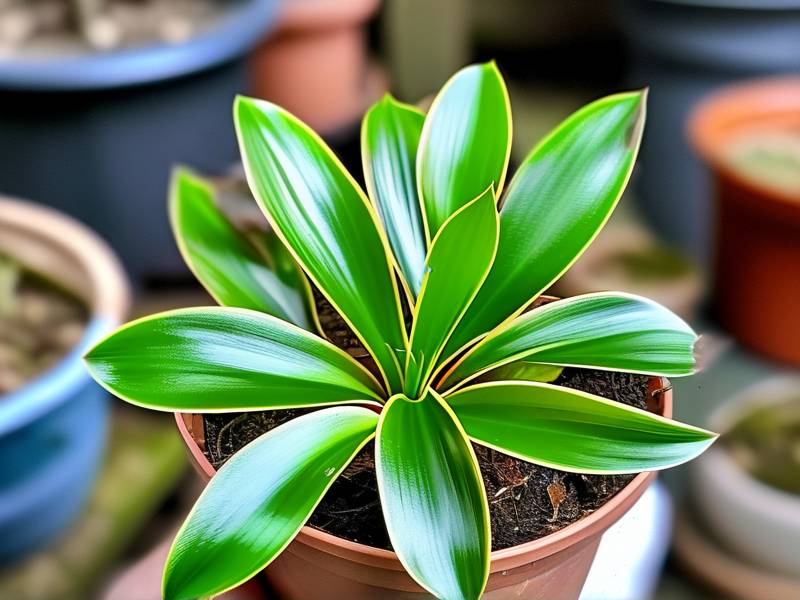
Crown rot is not the same as root rot. Root rot happens below the soil. Crown rot happens right where the fronds meet the soil surface. It's the growing point of the plant. And once it's gone, the fern can't produce new fronds from that spot.
That's why timing matters so much. I've lost two ferns because I waited "just a few more days" to see if things improved. They never did.
The good news? Nephrolepis cordifolia, also called the lemon button fern or sword fern depending on where you shop, is surprisingly tough underground. If the crown has even a small patch of healthy tissue left, it can recover. I've seen it happen.
How to Tell If It's Actually Crown Rot
Not every brown fern is dying of crown rot. Here's what I check:
- The center of the plant is soft and dark brown or black. When you gently tug on the innermost fronds, they pull out with almost no resistance.
- The soil smells sour or like a swamp. That's a dead giveaway.
- Outer fronds may still look green even while the center is rotting. This is the deceptive part. I almost missed it once because the plant looked 80% fine from above.
- There's a fuzzy white or gray growth around the base if it's advanced. That's fungal mycelium.
If you see these signs, act today. Not tomorrow.
My Step-by-Step Rescue Process (What I Actually Did)
First, I took the fern out of its pot and shook off as much wet soil as I could. Gently. I rinsed the roots with room-temperature water to see what was healthy. Healthy roots are firm and light-colored. Rotting roots are dark, mushy, and smell bad.
Then I took clean, sharp scissors and cut away everything soft and brown at the crown. I wiped the blades with rubbing alcohol between cuts. This matters. You don't want to spread the fungus to healthy tissue.
After that, I dusted the cut surfaces with ground cinnamon. I know that sounds like a grandma remedy, but there's actual research behind it. Cinnamon has antifungal properties. The RHS also notes that good sanitation and airflow are critical for preventing fungal spread in ferns. When I didn't have cinnamon on hand, I used a copper-based fungicide spray, which is what the AHS recommends for crown rot issues in ornamental plants.
Then I repotted into a clean pot that was actually smaller than the original. This is key. A pot that's too big holds too much moisture around the roots. I used a mix of 2 parts peat-free potting compost, 1 part perlite, and 1 part orchid bark. The bark helps air get to the crown.
I watered once lightly after repotting, then didn't water again for 6 days. I kept the pot in a spot with bright, indirect light and a small fan running on low nearby. Not blowing directly on the plant. Just moving air around the room.
What Happened Over 2 Weeks
Day 1 to 3: Nothing good. The remaining fronds drooped. I panicked a little. I checked the crown every morning like a worried parent.
Day 4: One outer frond turned yellow and died. I cut it off. That's normal. The plant is redirecting energy.
Day 6: I watered for the first time since repotting. Just a little. Maybe 2 tablespoons around the edge of the pot. Not near the crown.
Day 9: I noticed a tiny green nub at the soil line. I wasn't sure if it was a new frond or a weed. I left it alone.
Day 11: That nub unfurled into a fiddlehead. I literally cheered out loud.
Day 14: Two more fiddleheads appeared. The plant was officially on the mend. The remaining old fronds still looked rough but weren't getting worse.
That fern is now 8 months old and sits on my bathroom windowsill. It gets steam from showers and indirect light. I water it maybe once every 10 days in summer, less in winter.
The 3 Mistakes That Kill More Ferns Than Anything Else
Mistake 1: Overwatering
I know you've heard this. But let me put a number on it. 90% of indoor plants die from overwatering. That's not an exaggeration. It's the single most common cause of crown rot and root rot in home settings.
I used to water my ferns on a schedule. Every Sunday. That was stupid. Plants don't read calendars. Now I stick my finger into the soil up to the second knuckle. If it feels moist, I wait. If it feels dry, I water. Simple.
Mistake 2: Wrong Light
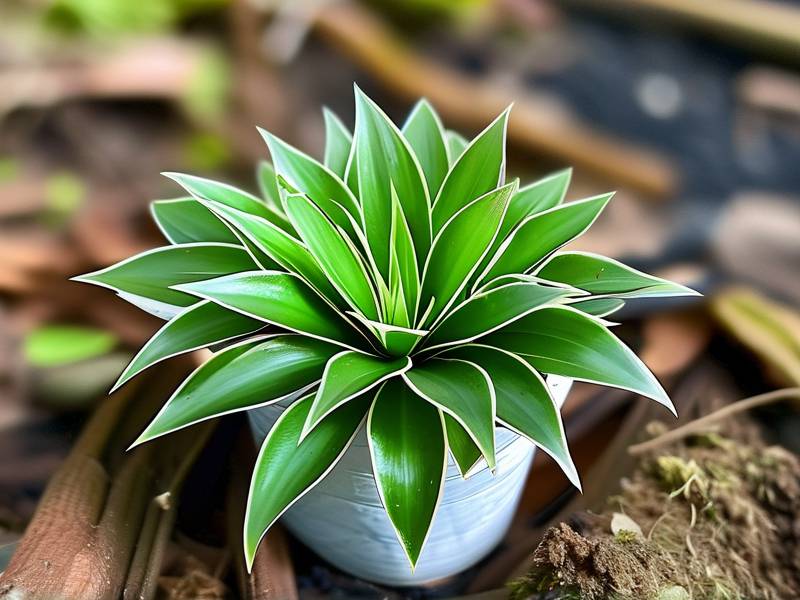
Nephrolepis cordifolia wants bright, indirect light. Not deep shade. Not direct sun. I once put one on a south-facing windowsill in July. The fronds bleached and crisped in 3 days. I've also put one in a dark corner and watched it slowly fade to pale yellow over a month.
The sweet spot for me is an east-facing window with a sheer curtain. Or 3 feet back from a south window.
Mistake 3: Wrong Pot
I used to think bigger pots meant happier plants. Wrong. A small fern in a big pot is a death sentence. The roots can't drink all that moisture. The soil stays wet. The crown sits in a swamp.
Now I use pots that are only 1 to 2 inches wider than the root ball. Terra cotta is great because it breathes. Plastic works if you're careful with watering. But never, ever use a pot without drainage holes. I don't care how pretty it is.
Preventing Crown Rot From Coming Back
Once you've rescued a fern from crown rot, you have to change how you care for it. Otherwise it'll happen again. I've learned that the hard way.
Water at the soil level, not from above. I use a small watering can with a narrow spout and aim for the edge of the pot. Never pour water into the center of the plant.
Let the top inch of soil dry out between waterings. For lemon button ferns, that's usually every 7 to 10 days indoors. In winter, every 2 to 3 weeks.
Improve airflow. A small clip-on fan set to low, running for a few hours a day, makes a huge difference. Fungus hates moving air.
Use a fast-draining mix. I've stopped using straight potting soil for ferns. The perlite and orchid bark blend I mentioned earlier works great. You can also add a handful of charcoal bits.
A Few More Things I Wish I'd Known Earlier
Ferns don't like to be repotted often. Once every 2 years is plenty. If you repot more than that, you stress the crown.
Don't fertilize a recovering fern. I made that mistake once. The fertilizer burned the new fiddleheads and set the plant back by weeks. Wait until you see at least 4 new healthy fronds before feeding. And even then, use half-strength liquid fertilizer.
Crown rot can come back. If you see the center turning brown again, repeat the rescue process. Don't assume it's cured forever.
Frequently Asked Questions
Can a fern with crown rot recover if the crown is completely mushy? Honestly, probably not. If the entire crown is soft and black, the growing point is dead. You can try to salvage side divisions if any exist, but I've never had success with a fully rotted crown. That's why you need to act at the first sign.
How long does it take to see new growth after treating crown rot? In my experience, 10 to 14 days if the plant has enough healthy tissue left. If you don't see anything by day 21, the plant is likely too far gone. I've had one fern push a new frond on day 8, and another take 18 days. It varies.
Should I cut off all the old fronds after treating crown rot? No. Leave the green ones. They're still photosynthesizing and feeding the plant. Only remove fronds that are yellow, brown, or mushy. The plant needs every bit of energy it can get.
Final Thoughts
Rescuing a Nephrolepis cordifolia fern from crown rot is not complicated. But it is urgent. Stop watering. Cut away the rot. Repot small. Keep the air moving. Wait. That's it.
I've killed my share of ferns. I've also brought several back from what looked like certain death. The difference between the ones that lived and the ones that died was almost always how fast I acted. So if you're reading this and your fern's center is soft and brown, close this article and go deal with it. Right now. You've got maybe a week.