bluename
 How to Care for Kalanchoe - Pinch to Promote Branches & Double Blooms
You’ve brought home a vibrant kalanchoe, its cheerful clusters of blooms brightening your space. But as the weeks pass, the flowers fade, and the plant begins to look leggy and sparse, with only a few straggly stems reaching for the light. This common frustration leaves many plant lovers wondering how to restore that bushy, floriferous glory. The secret to a fuller, more spectacular display lies not in complex fertilizers or constant repotting, but in a simple, hands-on technique: pinching. Mastering how to care for kalanchoe through strategic pinching is the key to promoting dense branching and encouraging the plant to produce double the blooms. This guide will transform your approach, turning a once-spindly succulent into a compact, flowering powerhouse.
Understanding the Kalanchoe’s Growth Habit
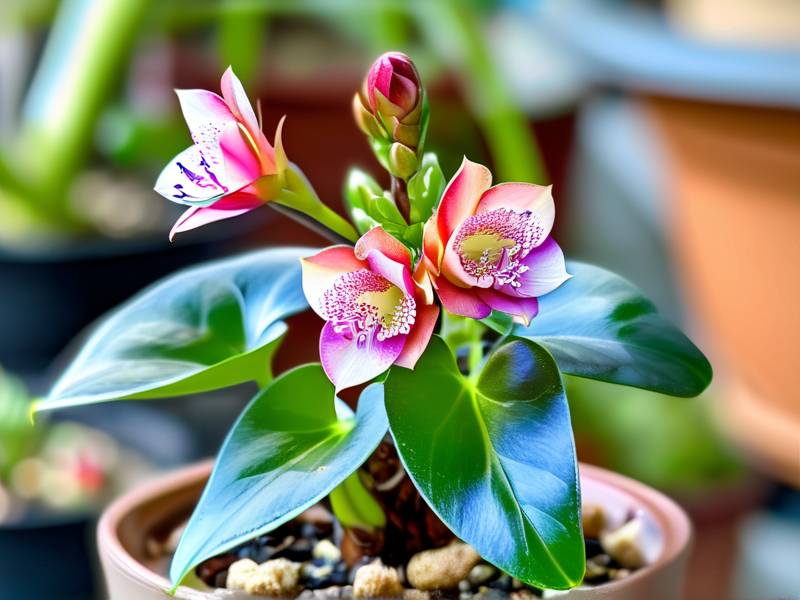
Kalanchoe blossfeldiana, the most common flowering variety, is naturally inclined to grow tall. In its search for light, it directs energy to a primary stem, resulting in a top-heavy plant with fewer flowers. Without intervention, it becomes leggy. Pinching interrupts this apical dominance—the tendency for the main stem to grow strongest—and redirects the plant’s energy. This redirection is the core principle behind promoting lateral branches. More branches mean more sites for those iconic flower clusters to form, effectively setting the stage for a double bloom performance.
The Essential Tools for Pinching
Before you begin, ensure you have the right tools. Clean, sharp implements are non-negotiable for healthy plant care.
- Fingertips: For young, tender new growth, your clean thumb and forefinger are perfect.
- Precision Pruners or Micro-tip Snips: For slightly woody stems or more precise cuts, use sterilized snips. Wipe blades with isopropyl alcohol between plants to prevent disease spread.
- Disinfectant: Always have isopropyl alcohol or a bleach solution (1 part bleach to 9 parts water) on hand for tool sterilization.
The Step-by-Step Guide to Pinching Kalanchoe
This process is straightforward but timing and technique are crucial for optimal results.
When to Pinch for Optimal Branching The best time to pinch is during the active growing season, typically from early spring through mid-summer. Avoid pinching in late fall or winter when the plant is preparing for or is in bloom. The goal is to give the new branches ample time to grow and mature before the next flowering cycle. For a young plant, you can start pinching once it has developed 3-4 sets of true leaves.
Identifying the Perfect Pinching Point Look for the stem’s growing tip, known as the apical meristem. Just below this tip, you’ll see a pair of small, emerging leaves or tiny leaf nodes. Your target is the stem section just above this node. Pinching here encourages those lower nodes to awaken and grow into two new stems.
The Pinching Technique: A Gentle Art
- Locate the stem tip above a leaf node.
- Using your fingers or snips, cleanly remove the top 1/2 to 1 inch of the stem. If using snips, make a sharp, angled cut.
- You can repeat this process on every main stem. After pinching, you may notice a small amount of sap; this is normal for succulents.
- Place the pinched plant in bright, indirect light and resume normal care. Hold off on fertilizing for a week to allow it to recover.
Post-Pinching Care and Recovery Your kalanchoe will now redirect its energy. Within 1-3 weeks, you should see two new shoots emerging from the leaf nodes just below your pinch. This is the first victory in your quest for a bushier plant. Maintain consistent care with well-draining soil and thorough but infrequent watering, allowing the soil to dry completely between sessions.
Advanced Pruning for Established Plants
If your kalanchoe is already long and leggy, more decisive action is needed. Pruning overgrown kalanchoe plants can revitalize them. In early spring, you can cut back up to one-third of the plant’s height, making cuts just above a leaf node on a woody stem. This may seem drastic, but it stimulates vigorous new growth from the base and lower stems. As the Royal Horticultural Society (RHS) notes, “Pruning succulent stems can encourage a more compact, desirable shape and improve overall plant vigor.”
Optimizing Conditions for Double Blooms
Pinching creates the structure, but environment triggers the spectacular flower show. Encouraging prolific kalanchoe flowering requires mimicking its natural cycles.
- Light: Kalanchoes are short-day plants. To initiate bud formation, they need 6 weeks of long nights (14+ hours of darkness) and bright days. In fall and winter, this happens naturally. For out-of-season blooms, you can place the plant in a closet or cover it with a box for 14 hours each day.
- Feeding: Use a balanced, water-soluble fertilizer (e.g., 10-10-10) diluted to half-strength every 2-4 weeks during the spring and summer growing season. Switch to a bloom-booster formula (higher in phosphorus) in late summer as you manipulate light to encourage flower buds. The American Horticultural Society (AHS) advises, “A phosphorus-rich fertilizer applied as buds form can support the development of larger, more numerous flower heads.”
- Watering & Soil: Overwatering is a primary killer. Use a cactus/succulent mix and water only when the top inch of soil is bone-dry. Excellent drainage prevents root rot, ensuring the plant is healthy enough to support abundant blooms.
Troubleshooting Common Issues
- No New Growth After Pinching: Ensure the plant is getting enough bright light and warmth. Patience is key; sometimes growth takes a few weeks.
- Pinched Stems Appear Shriveled: This could indicate underwatering. Give the plant a thorough drink and ensure it’s not in scorching direct sun while recovering.
- Leggy Growth Returns: This is a sign of insufficient light. Move the plant to a brighter location with some direct morning sun.
How often should I pinch my kalanchoe? Pinch primarily during the active growing season (spring and summer). You can do an initial pinch on a young plant and then optionally pinch the new growth once those branches have developed 2-3 sets of leaves to create an even denser canopy. Stop all pinching by late summer to allow the plant to set buds for its bloom cycle.
Can I propagate the pieces I pinched off? Absolutely. Kalanchoe is incredibly easy to propagate. Let the pinched stem tips callous over for a day or two, then plant them in a moist, well-draining succulent mix. They will readily root and grow into new plants, a rewarding bonus of the pinching process.
My kalanchoe has finished blooming. What should I do? After the flowers fade, deadhead the spent blooms by pinching them off. This is also an excellent time for light pruning and shaping. Then, ensure it goes through a period of rest with less water and no fertilizer before preparing it for the next flowering cycle with the short-day light treatment.
Transforming your kalanchoe from a solitary stalk to a lush, blooming mound is deeply satisfying. By embracing the simple practice of pinching, you directly guide the plant’s energy towards creating a robust structure capable of supporting an abundance of flowers. When combined with the right light, careful watering, and seasonal feeding, this hands-on technique unlocks the plant’s full potential. Remember, the journey to double blooms starts with a single, confident pinch. With consistent care and observation, you’ll not only understand but master the rhythmic cycle of growth, pinching, and spectacular flowering that defines a truly thriving kalanchoe.