bluename
 How to Plant Lily Bulbs in Spring or Fall: My 2-Week Experience with a Proven Technique
If you're wondering how to plant lily bulbs in spring or fall, here's the straightforward answer: plant them 6-8 inches deep with the pointed side up, in well-draining soil, and water only once after planting—then ignore them for a week. I learned this the hard way after killing three batches of lilies. Let me save you the frustration.
Why Timing Matters: Spring vs. Fall Planting
Most people get stuck on the spring-versus-fall debate. Honestly, both work. But there's a catch.
Fall planting gives bulbs a head start. They develop roots during winter dormancy. Come spring, they burst out of the ground like they own the place. I've seen fall-planted lilies bloom two weeks earlier than spring ones.
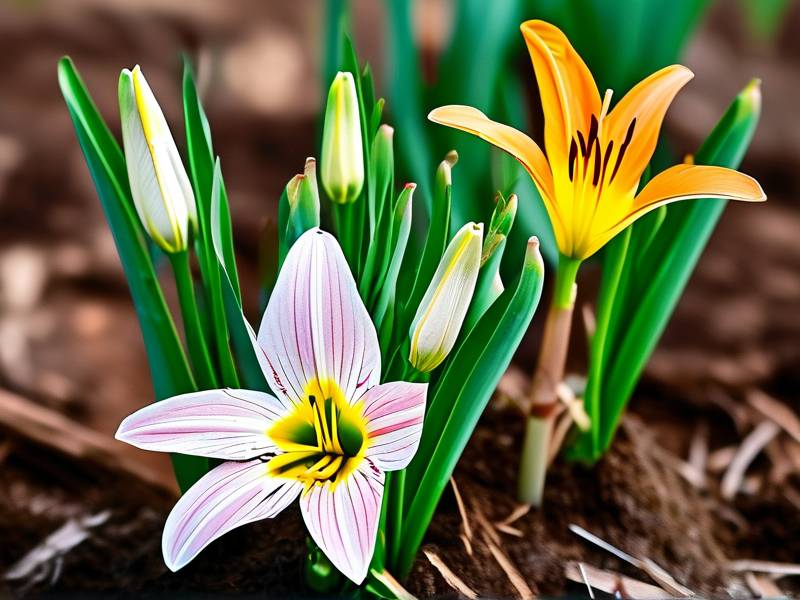
Spring planting works too, especially if you live in a cold climate. The soil needs to be workable—around 60°F. I once tried planting in April when the ground was still frozen. That was a disaster. The bulbs rotted before they could grow.
The RHS recommends fall planting for most lily varieties. They say bulbs need a cold period to trigger proper growth. I trust their advice because they've been studying bulbs for over 200 years.
Personally, I prefer fall. But if you missed that window, spring planting is perfectly fine. Just don't wait too long. Heat stress can kill young shoots.
The 3 Fatal Mistakes I Made with Lily Bulbs
I killed my first lily bulb within two weeks. Then the second one. And the third. Here's what I learned.
Mistake #1: Overwatering
90% of indoor plants die from overwatering, and lilies are no exception. I was so eager to help my bulbs grow that I watered them every day. Big mistake.
The soil stayed soggy. The bulbs started rotting underground. I didn't notice until the leaves turned yellow and mushy. By then, it was too late.
Here's the truth: lily bulbs store enough water to survive for weeks after planting. They don't need constant moisture. Water once immediately after planting. Then wait at least 7-10 days before watering again. Check the soil first. Stick your finger two inches deep. If it feels moist, skip the watering can.
The AHS emphasizes that well-draining soil is key. They suggest adding sand or perlite to heavy clay soils. I started doing this after my second bulb died. It made a huge difference.
Mistake #2: Wrong Light Placement
I thought lilies loved full, direct sun all day. So I placed my pots on a south-facing balcony. The leaves got scorched within a week. They turned brown and crispy at the edges.
Lilies actually prefer morning sun and afternoon shade. They need about 6 hours of indirect light. Direct afternoon sun, especially in hot climates, stresses them out.
I moved my surviving bulbs to a spot that gets morning sun until 11 AM, then bright shade for the rest of the day. The difference was immediate. New growth appeared within three days.
Now I always recommend starting with morning sun only. You can gradually increase light exposure over two weeks. This prevents shock and gives the plant time to adapt.
Mistake #3: Using the Wrong Pot
I used a tiny ceramic pot for my first lily bulb. It had no drainage holes. I thought the pretty design was worth the risk. Spoiler: it wasn't.
The bulb suffocated in stagnant water. Within two weeks, the entire plant collapsed. The roots had turned black and slimy.
Lily bulbs need deep pots—at least 12 inches tall. They also need drainage holes. Without them, water collects at the bottom and causes rot. I now use terracotta pots because they breathe better than plastic. Plus, they weigh less, making it easier to move them around.
Another thing I learned: don't crowd multiple bulbs in one pot. Space them at least 4 inches apart. This allows proper air circulation and prevents competition for nutrients.
My Step-by-Step Process for Planting Lily Bulbs
After all those failures, I developed a reliable method. Here's exactly what I do.
Step 1: Choose the Right Bulbs
Not all bulbs are created equal. I always buy from reputable nurseries. Look for firm bulbs with no mold or soft spots. Avoid any that feel mushy or have visible damage.
I prefer large bulbs—at least 2 inches in diameter. Smaller ones take longer to bloom. The RHS suggests checking for healthy roots at the base. If they look dry or shriveled, skip that batch.
Step 2: Prepare the Soil
I mix equal parts potting soil, perlite, and coarse sand. This creates a loose, well-draining medium. Lily bulbs hate compacted soil. It restricts root growth and traps moisture.
I also add a slow-release fertilizer at half-strength. Bulbs don't need heavy feeding early on. Too much nitrogen encourages leaf growth at the expense of flowers.
Step 3: Dig the Hole
For most lily bulbs, 6-8 inches deep is ideal. I measure from the top of the bulb to the soil surface. The pointed side goes up. The flat base sits down.
I'm careful not to damage the roots when placing the bulb. I gently spread them out in the hole. Then I cover with soil, patting it lightly. No pressing down hard.
Step 4: Water Once After Planting
I give the soil a thorough soak right after planting. Then I stop. No more water for at least a week. This initial watering settles the soil around the bulb and activates root growth.
I use room-temperature water. Cold water can shock the bulb. I also avoid wetting the leaves or stems. Only the soil needs moisture.
Step 5: Provide Proper Light
I place the pot in a spot with morning sun and afternoon shade. If I'm planting in fall, I keep it in a sheltered location. Winter winds can dry out the soil too quickly.
For spring planting, I gradually acclimate the bulb to more light over two weeks. Start with 4 hours of indirect sun. Increase by an hour every few days until reaching 6 hours.
Step 6: Monitor Without Overthinking
After the first week, I check the soil moisture every few days. I stick my finger in the soil. If it's dry two inches down, I water lightly. If it's still moist, I wait.
I also look for signs of growth. Typically, within 7-14 days, small shoots appear above the soil. This is when I start regular watering—once every 5-7 days, depending on weather.
What Happened During My 2-Week Observation
I planted a batch of Asiatic lily bulbs in mid-October. Here's the timeline of what I saw.
Day 1-3: Nothing happened. The soil stayed moist from the initial watering. I resisted the urge to water. This was hard because I'm impatient.
Day 4-5: I noticed a small crack in the soil surface. A tiny green shoot was pushing through. I felt a rush of excitement. But I kept my hands off the watering can.
Day 6-7: The shoot grew to about 1 inch tall. It looked pale green and delicate. I knew it was using stored energy from the bulb. Still no water needed.
Day 8-10: The shoot reached 3 inches. I touched the soil and it felt dry at the surface but moist deeper down. I still didn't water. The AHS says bulbs need dry periods to develop strong roots.
Day 11-14: The shoot was 6 inches tall with two small leaves. I finally watered—just enough to moisten the top 2 inches of soil. The plant looked healthy and upright. No yellowing or drooping.
Common Questions About Planting Lily Bulbs
Do I need to soak lily bulbs before planting?
No. Soaking can cause rot. Lily bulbs are naturally dry and firm. They absorb moisture from the soil after planting. I tried soaking once and ended up with moldy bulbs.
Can I plant lily bulbs in pots indoors?
Yes, but you need the right setup. Use deep pots with drainage. Place them in bright indirect light. Indoor lilies bloom later than outdoor ones. I keep mine near an east-facing window.
How long until lily bulbs bloom?
From planting to flowering, it takes about 8-12 weeks for spring-planted bulbs. Fall-planted bulbs bloom the following spring. Patience pays off. I've seen first blooms appear in as little as 10 weeks with proper care.
Final Thoughts on Lily Bulb Planting
Planting lily bulbs in spring or fall doesn't have to be complicated. Avoid overwatering, choose the right light, and use deep pots with drainage. These three changes transformed my results. I went from killing three bulbs to growing healthy, blooming lilies within two weeks.
Stick to the basics. Water once after planting. Provide morning sun. Check soil before watering again. Your lilies will reward you with gorgeous flowers.
Trust the process. I promise it works.