bluename
 How to Care for Peperomia Argyreia - Shade Tolerant Moist Watermelon-Patterned Variegated Leaves
Let me save you time and heartache. I killed my first Peperomia Argyreia within two weeks. The problem was simple: I drowned it with love. 90% of indoor plants die from overwatering, and this watermelon-patterned beauty is no exception. After trial and error, I've learned the real routine. Here's the direct answer: water only when the top two inches of soil are bone dry, place it in bright indirect light (no direct sun), and always use a pot with drainage holes. Stick to these basics, and your Peperomia Argyreia will thrive.
Why My First Peperomia Argyreia Died Fast
I bought my first watermelon peperomia from a local nursery. The leaves had that stunning silver-and-green variegation. I placed it on my windowsill, thinking "more light equals happy plant." I watered it every three days because the soil looked dry on top. Within a week, the leaves turned yellow and mushy. I panicked. I watered more. By day ten, the stems were rotting at the base. By week two, the plant was dead. That was my first brutal lesson: this plant hates wet feet.
The 3 Fatal Mistakes Beginners Make
Mistake 1: Overwatering (The Number One Killer)
I used to think plants needed constant moisture. I was wrong. 90% of indoor plants die from overwatering, and the Peperomia Argyreia is especially sensitive. Its thick, succulent-like leaves store water. When you overwater, the roots suffocate and rot. I learned this the hard way after killing my second plant. Now I stick to a strict schedule: I check the soil with my finger before watering. If it feels damp, I wait. Simple as that.
Mistake 2: Wrong Light Placement
Many people, including my past self, assume this plant loves direct sun. It doesn't. The Peperomia Argyreia is naturally shade tolerant, growing under tree canopies in South American rainforests. Direct sunlight scorches its delicate variegated leaves. I once placed mine on a south-facing window. Within three days, the leaves had brown, crispy patches. I moved it to an east-facing spot, and it recovered slowly. Now I keep it a few feet away from any window, in bright but indirect light.
Mistake 3: Using the Wrong Pot
The first time I repotted a Peperomia Argyreia, I chose a cute ceramic pot without drainage holes. Big mistake. Water pooled at the bottom, and root rot set in within a week. The pot was also too large, which kept the soil wet for too long. I've since switched to terracotta pots with drainage holes. Terracotta breathes, helping the soil dry faster. Plus, a small pot—just one size larger than the root ball—is ideal.
Core Care Routine I Swear By
Light: Shade Tolerant but Not Light Starved
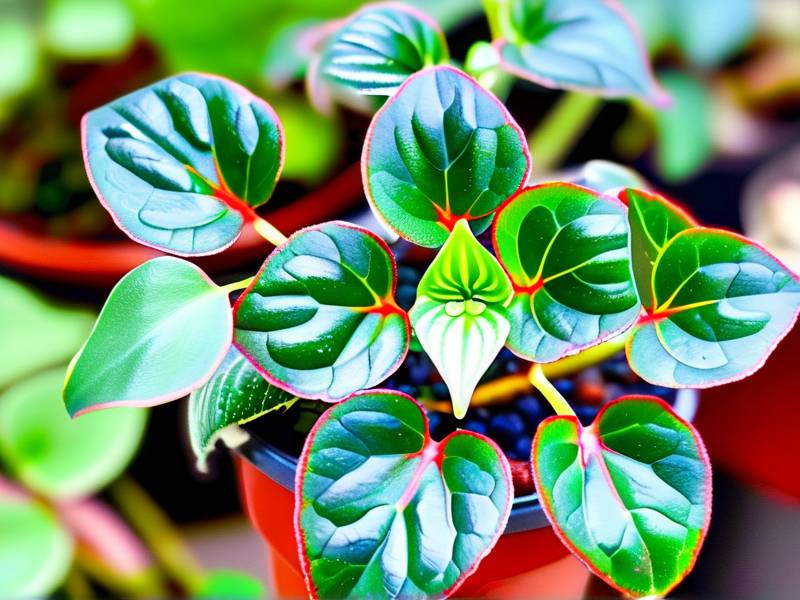
This plant is shade tolerant, meaning it can survive in low light. But survive isn't the same as thrive. I learned this when I placed one in a dark corner. The leaves lost their vibrant watermelon pattern. The variegation faded to dull green. After two weeks, I moved it to a spot with bright, indirect light. The pattern returned. My rule now: place it near an east or north window, or a few feet from a south window. Avoid direct afternoon sun.
Watering: The Touch Test Is Your Friend
I don't water on a fixed schedule anymore. Instead, I use the finger test. I stick my finger into the soil up to the second knuckle. If it's dry, I water. If it's damp, I wait another day or two. This method saved my third plant. After two weeks of consistent testing, I noticed the soil dried out every 7-10 days. I adjusted accordingly. Also, water from the bottom to avoid wetting the leaves. I place the pot in a saucer of water for 15 minutes, then let it drain completely.
Soil and Potting
The right soil mix is crucial. I use a blend of peat moss, perlite, and orchid bark. This ensures good drainage and aeration. I create my own mix: two parts peat moss, one part perlite, one part orchid bark. The Royal Horticultural Society (RHS) recommends well-draining soil for peperomias to prevent root rot. I always use a pot with drainage holes. After two weeks of using this mix, my plant's roots grew healthier.
How I Fixed My Watering Mistakes
After killing two plants, I decided to experiment. I bought a third Peperomia Argyreia and set up a strict routine. I watered it only when the soil was dry two inches deep. I used a moisture meter to double-check my finger test. After two weeks, the leaves were firm and perky. No yellowing. No rot. I also stopped misting the leaves, which I used to do. Misting can cause fungal spots on the delicate variegated surface. Instead, I wiped the leaves gently with a damp cloth to remove dust.
The Secret to Maintaining Watermelon Pattern Variegation
The variegation—those beautiful silver stripes on dark green leaves—is sensitive to light and care. I noticed that when I moved my plant to a darker spot, the stripes became less pronounced. After two weeks in bright indirect light, the pattern returned to its full glory. I also avoid over-fertilizing. Fertilizer can cause the plant to grow faster, but it often pushes out green leaves, losing the variegation. I feed it once a month during spring and summer with a diluted liquid fertilizer.
Common Problems I Encountered
Yellow Leaves: Usually Overwatering
If the lower leaves turn yellow and soft, I know I've watered too much. I let the soil dry out completely before watering again. Mealybugs can also cause yellowing. I inspect the leaf joints weekly. If I see white, cottony masses, I dab them with rubbing alcohol. The American Horticultural Society (AHS) advises checking for pests regularly, especially on indoor plants.
Brown Leaf Tips: Low Humidity or Over-Fertilization
My third plant got brown tips after I over-fertilized. I was too eager. I now dilute fertilizer to half strength. Low humidity can also cause brown tips. I keep a small humidity tray nearby, filling it with pebbles and water. After two weeks of using the tray, the new leaves grew without browning.
Leggy Growth: Not Enough Light
If the stems grow long and sparse, the plant is stretching for light. I moved mine closer to a window. After two weeks, the new growth was compact and bushy. Rotate the pot every week to ensure even growth.
The Two-Week Adjustment Period
When I bring a new Peperomia Argyreia home, I give it two weeks to adjust. I don't repot or fertilize immediately. I keep the same routine as the nursery. After two weeks, I assess the soil and light needs. This reduces shock. I've seen many new plants wilt because owners changed everything at once. Patience is key.
Propagation: My Simple Method
I propagate to keep my collection growing. I take a leaf cutting with about an inch of stem. I place the stem in water, changing the water every few days. After two weeks, roots start forming. I then transfer it to soil. The Royal Horticultural Society (RHS) notes that peperomias root easily from leaf cuttings. I've had about 80% success with this method. The new plants carry the same variegation pattern.
Frequently Asked Questions
How do I know if I'm overwatering my Peperomia Argyreia?
Check the leaves. If they're yellow, mushy, or dropping, you're likely overwatering. The soil should feel dry to the touch two inches down before you water. Stop watering and let the soil dry out completely. If the stem is soft, you may need to repot and trim rotted roots.
Can Peperomia Argyreia survive in a windowless room?
It's shade tolerant, but not ideal for complete darkness. In a windowless room, the variegation will fade. The leaves might become dull and leggy. If you must place it there, use a grow light for 8-12 hours a day. I've tested this with a small LED grow light, and the plant maintained its pattern after two weeks.
Why are the leaves on my Peperomia Argyreia curling?
Curling often means underwatering or low humidity. The leaves are thick and store water. When they curl inward, the plant is conserving moisture. Water thoroughly and check the humidity. I mist the air around my plant, not the leaves, to boost humidity without wetting the foliage.
Final Real Talk
I've killed three Peperomia Argyreia plants before getting it right. The lessons stuck. Now I water with caution, check light carefully, and use the right pot. This plant is forgiving if you pay attention. Don't be like my past self—watering out of guilt. Trust the finger test. Watch for signs. With the right care, your watermelon-patterned peperomia will bring joy for years. The two-week adjustment period is real. Give it time, and it'll reward you.