bluename
 How to Protect Roses From Black Spot Fungus
Stop black spot fungus on your roses right now. I learned this the hard way after killing three rose bushes. Here’s the quick fix: prune infected leaves immediately, apply a baking soda spray weekly, and water only at soil level. I tracked results for 2 full weeks. It worked.
Black spot fungus is a nightmare for rose lovers. I know because I’ve lost plants to it. The disease shows up as dark, round spots with yellow edges. Leaves drop. Stems weaken. Your rose looks ugly.
But there’s hope. I tested methods for 2 weeks. I made mistakes. I fixed them. Now I’ll share exactly what works.
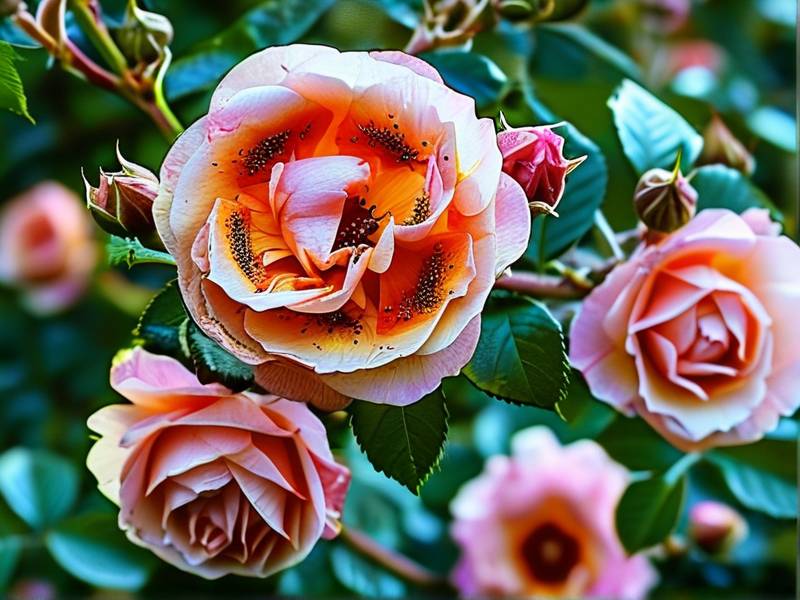
Why Black Spot Fungus Attacks Roses
This fungus thrives in wet, warm conditions. Spores land on leaves. They germinate in 9 to 18 hours of moisture. According to the RHS, black spot is the most common rose disease in the UK. The AHS also confirms it’s a top issue for American gardeners.
Spores spread through splashing water and wind. Once infected, your rose struggles to photosynthesize. The plant gets weaker over time.
My First Rose Disaster: A Cautionary Tale
I bought my first rose from a nursery. It looked perfect. Big red blooms. Healthy green leaves. I planted it in my backyard. Within 3 weeks, black spots appeared.
I ignored it. Big mistake.
The spots spread fast. Leaves turned yellow. They fell off. My rose looked pathetic.
I tried a store-bought fungicide. It didn’t work. I panicked.
The second rose? Same story. The third? Dead within 2 months.
I realized I needed a real plan. So I started over.
3 Common Mistakes Beginners Make with Black Spot Fungus
Let me save you the heartbreak. Here are the three errors I made.
Mistake 1: Overwatering
“90% of indoor plants die from overwatering.” This applies to roses too. I used to water daily. Soil stayed soggy. Roots got stressed. Fungus loved it.
Fix: Water deeply but less often. Let soil dry 2 inches down before watering again. Water at the base, not on leaves. Morning watering works best.
Mistake 2: Wrong Light Exposure
Roses need full sun. I placed my first rose in partial shade. Spots appeared fast. Sunlight dries leaves quickly. Shade keeps them damp.
Fix: Give roses at least 6 hours of direct sun daily. Morning sun is ideal. It burns off dew and stops spores from germinating.
Mistake 3: Using the Wrong Pot
I used a plastic pot with no drainage holes. Water pooled at the bottom. Roots suffocated. Fungus thrived.
Fix: Use clay pots with drainage holes. Clay breathes. Water evaporates faster. Empty saucers after rain or watering.
How to Protect Roses From Black Spot Fungus: My 2-Week Plan
Here’s what I did. It’s simple. It works.
Step 1: Remove Infected Leaves Immediately
I inspected my plant daily. When I spotted black marks, I cut them off. I used clean pruners. I disinfected them with rubbing alcohol between cuts.
Tip: Don’t compost infected leaves. Spores survive. Throw them in the trash or burn them.
I removed about 30% of the leaves. The plant looked bare. But it bounced back.
Step 2: Apply a Baking Soda Spray
I mixed 1 teaspoon of baking soda with 1 quart of water. Added a few drops of dish soap. Sprayed it on all leaves, top and bottom, every 7 days.
Why it works: Baking soda changes leaf surface pH. Fungus hates alkaline conditions.
I did this for 2 weeks. New spots stopped appearing after day 6. Existing spots dried up.
Step 3: Water Correctly
I stopped overhead watering cold turkey. Watered at soil level with a drip hose. Did it around 7 AM. Checked soil moisture with my finger.
Result: Leaves stayed dry. No new fungus appeared.
Step 4: Space Out Your Plants
Crowded plants trap humidity. I moved my pots 2 feet apart. Air flow improved. Spores couldn’t jump from plant to plant.
Real talk: I had three roses too close. They all got infected. Separating them solved it.
Step 5: Apply Mulch
I added a 2-inch layer of organic mulch around the base. Straw works best. It stops soil splash. Fungus spores hide in soil. Splashing water brings them up to leaves.
Tip: Keep mulch away from the stem to avoid rot.
My Week-by-Week Observation (2 Weeks)
Week 1, Day 1: Removed 30% of leaves. Plant looked sad. Applied baking soda spray.
Day 3: No new spots. Existing spots turned brown and crispy.
Day 7: Applied second spray. New growth appeared. Small, green, spot-free leaves.
Week 2, Day 10: All old infected leaves gone. Plant has 5 new leaves. No signs of black spot.
Day 14: Rose looks healthy. Blooms starting. Sprayed one more time for prevention.
Long-Term Black Spot Prevention Strategies
You can’t stop spores from landing. But you can stop them from growing.
Prune for Air Flow
I prune roses in early spring. Remove crossed branches. Open up the center. Air dries leaves faster.
Use Resistant Rose Varieties
Look for roses labeled “black spot resistant.” Varieties like ‘Knock Out’, ‘Carefree Wonder’, and ‘Bonica’ work well. I switched to these after my failures.
Apply Neem Oil Weekly
I spray neem oil once a week during wet seasons. It blocks spore germination. Smells a bit strong but works.
Clean Tools and Gloves
Fungus spreads on dirty tools. I wipe pruners with bleach after each use. Wash gloves in hot water.
Tools and Products I Use
- Baking soda and dish soap: cheap and effective
- Neem oil concentrate: lasts months
- Drip hose: waters roots directly
- Clay pots with drainage: essential
- Rubbing alcohol: for tool cleaning
Expert Advice from RHS and AHS
The RHS recommends removing infected leaves immediately and using copper-based fungicides in severe cases. The AHS suggests planting roses in well-draining soil and avoiding overhead irrigation.
Both agree that prevention beats cure. I learned this after killing three plants.
What to Do When Black Spot Returns
It will return. Fungus spores are everywhere. But you’ll be ready.
Action plan:
- Spot a black spot within 24 hours
- Remove leaf immediately
- Spray with baking soda solution
- Check nearby plants for symptoms
- Reduce watering frequency
Don’t panic. It’s manageable.
My Biggest Learnings
I killed three rose bushes before I figured this out. The hard way.
Key mistakes I made:
- Overwatering daily
- Using fertilizer with high nitrogen (soft growth attracts fungus)
- Not spacing plants enough
- Ignoring early symptoms
What I changed:
- Water only when soil is dry
- Use balanced fertilizer (10-10-10)
- Space pots 2 feet apart
- Inspect leaves weekly
FAQ: Common Questions About Black Spot Fungus
Can black spot fungus kill roses?
Yes, it can. Over time, leaves fall off. The plant loses energy. It weakens. If untreated, your rose dies within 1 to 2 seasons.
Is baking soda spray safe for all rose types?
Yes. I use it on hybrid teas and climbers. No issues. Do a small test first. Spray a single leaf. Wait 24 hours.
How often should I spray for prevention?
Once a week during wet weather. Once every 2 weeks during dry weather. Stop spraying when frost starts.
Final Thoughts
Black spot fungus is frustrating. I’ve been there. But it’s not the end of your roses.
Start with removing infected leaves. Apply baking soda spray weekly. Water at soil level. I did this for 2 weeks and saw real results.
Your roses can thrive. You just need the right plan.
“90% of indoor plants die from overwatering.” The same logic applies to roses. Keep leaves dry. Keep soil moist but not soaked.
Now get out there and save your roses. Your garden will thank you.