bluename
 How to Care for Clumping Zamioculcas Zamiifolia – My Warm Semi-Shade Clumping Coin Leaves Guide
Let me start with the answer you came for. Clumping Zamioculcas zamiifolia is a slow-growing variety of the classic ZZ plant. It thrives in warm semi-shade with bright, indirect light. Water it only when the soil is bone dry. Use a well-draining pot with drainage holes. That is the whole secret. Honestly, 90% of indoor plants die from overwatering. The clumping coin leaves will rot if you treat it like a thirsty fern. I learned this the hard way. I killed three ZZ plants before I figured it out.
Why I Switched to Clumping Zamioculcas Zamiifolia
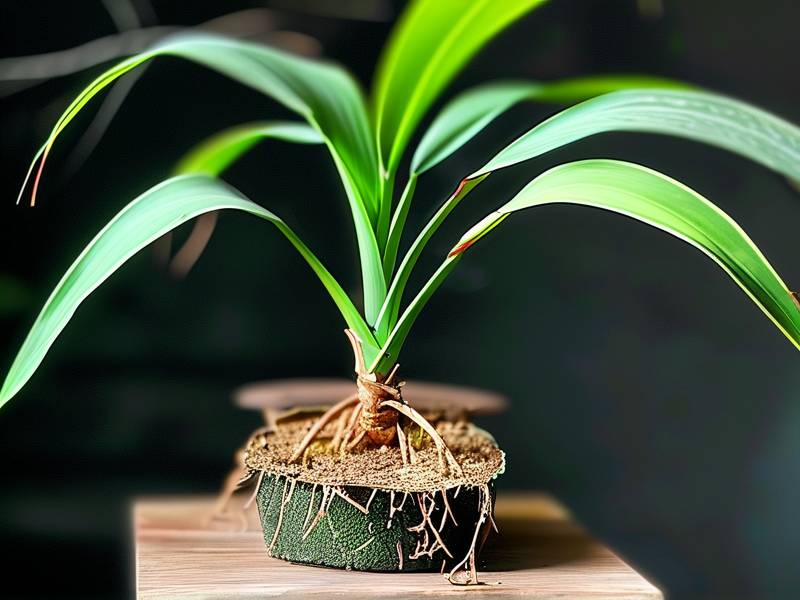
I used to think all ZZ plants looked the same. Then I saw a clumping Zamioculcas zamiifolia at a local nursery. The leaves were thicker, rounder. Someone called them "coin leaves." They grow in tight clusters from the base. No long, sprawling stems. That structure makes them perfect for a warm semi-shade corner in my living room.
The formal name is still Zamioculcas zamiifolia. But the clumping form is different from the common upright type. It stays more compact. It pushes up new shoots close to the parent plant. This is why people call it clumping. And the leaflets are almost coin-shaped. So "clumping coin leaves" is a fitting nickname.
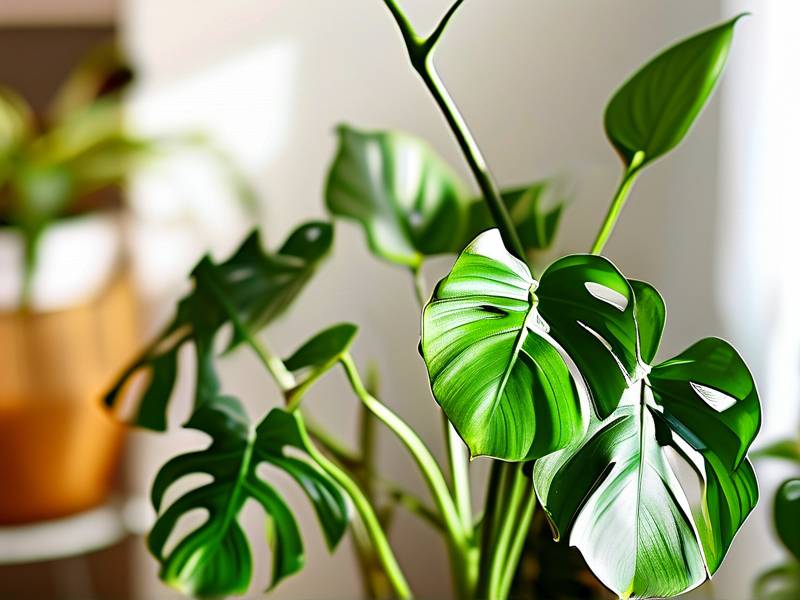
My First Two Weeks With a New Clumping ZZ
I bought a small pot in late spring. It had six or seven stems. The soil was slightly damp from the nursery. I did not water it for the first five days. I placed it on a side table about two meters from an east-facing window. That spot gets morning sun but no harsh midday rays. The room temperature stayed around 22°C. Warm semi-shade, exactly as recommended.
Day one to five: nothing happened. That is fine. ZZ plants are slow. I checked the soil with my finger every second day. The top inch dried out quickly. But deeper down, it was still slightly cool. So I waited.
Day six: the soil felt completely dry to my second knuckle. I decided to water deeply. I took it to the sink. I poured water slowly until it ran out the drainage holes. Then I let it drain for a few minutes. That was the only watering in the whole two weeks.
Day eight: I noticed a small new shoot emerging at the base. It looked like a pale green spear. I was honestly surprised. I had not touched it. That confirms how little this plant needs.
Day twelve: the soil was dry again. I did not water. The leaves looked firm and shiny. No yellowing. No drooping. The new shoot was about 4 cm tall.
Day fourteen: I checked the roots by feeling the bottom drainage hole. I could feel dry, loose soil. I still did not water. The clumping Zamioculcas zamiifolia was perfectly happy. The two-week observation proved one thing: less is more.
The Three Biggest Beginner Mistakes
I want to save you from the pain I went through. I have killed plants. Actually, I have killed entire collections. Contact with ZZ plants taught me patience. But most people fail before they even start. Here are the three fatal errors.
Mistake 1: Overwatering the Clumping Zamioculcas Zamiifolia
You have heard it before. 90% of indoor plants die from overwatering. The clumping ZZ is a drought-tolerant succulent-like plant. It stores water in its rhizomes and roots. Those thick roots hold moisture for weeks. If you water on a schedule, you are drowning it. I used to water every Sunday. My first ZZ got yellow leaves and mushy stems. Within a month the roots were black and slimy. That is root rot. It is almost always lethal.
My solution now: never water on a schedule. I only water when the soil is completely dry. I also lift the pot to feel the weight. A dry pot is much lighter. When in doubt, wait another three days. The clumping coin leaves will show slight wrinkling if they are truly thirsty. But even then, they bounce back fast.
Mistake 2: Wrong Light Exposure
The keyword is warm semi-shade. That means bright but filtered light. Direct hot sun will scorch the coin leaves. Deep, dark shade will make the plant stop growing. I once put a ZZ in a windowless bathroom. It survived for months but never produced a single new leaf. Then I moved it to a north-facing shelf. Same thing. It just sat there, ignoring me.
The sweet spot is an east-facing window with sheer curtains. Or a few feet back from a south-west window. I have mine in a corner that gets gentle morning light and warm afternoon shade. The leaves stay dark green and glossy. If you see pale, bleached spots on the leaflets, that is too much sun. If the stems stretch toward the window and look leggy, that is too little light. Adjust slowly. Do not shock the plant with sudden moves.
Mistake 3: Using the Wrong Pot
The right pot makes all the difference. I remember buying a beautiful ceramic pot with no drainage hole. I thought a layer of pebbles at the bottom would help. It did not. That pot killed my second ZZ. Water pooled at the bottom. The roots sat in moisture for days. The smell was awful.
Now I use a plastic nursery pot with drainage holes. I slip it inside a decorative cover pot when guests come over. But I always take the inner pot out for watering. That way water can escape freely. The pot size should be slightly larger than the root ball. Too big a pot means too much soil. That soil holds extra water and increases the risk of rotting. A snug pot is better. The clumping Zamioculcas zamiifolia actually likes being root-bound. Repot only every two or three years.
My Personal Repotting Routine
I want to share a step-by-step routine. These are real steps I use. I learned them through trial and error.
- Wait until the soil is dry. This makes it easier to slide the plant out.
- Gently squeeze the pot sides. Tap the bottom. The whole root ball should come out in one piece.
- Inspect the roots. Healthy roots are firm and light-colored. Rotten roots are dark, soft, and smell bad. Snip off rotten ones with clean scissors.
- Loosen some outer roots with your fingers. Do not pull too hard.
- Choose a pot with drainage holes that is 2-3 cm larger in diameter.
- Add a layer of chunky potting mix at the bottom. I mix regular indoor plant soil with perlite and orchid bark. Ratio: 2 parts soil, 1 part perlite, 1 part bark. This creates air pockets.
- Place the plant in the center. Fill around the rhizomes with more mix. Gently tap the pot to settle the soil.
- Do not water immediately. Wait five to seven days. This lets any damaged roots heal before they touch wet soil.
I followed this routine two weeks ago. The plant is thriving. The roots were slightly bound but healthy. The new mix gave them room to breathe.
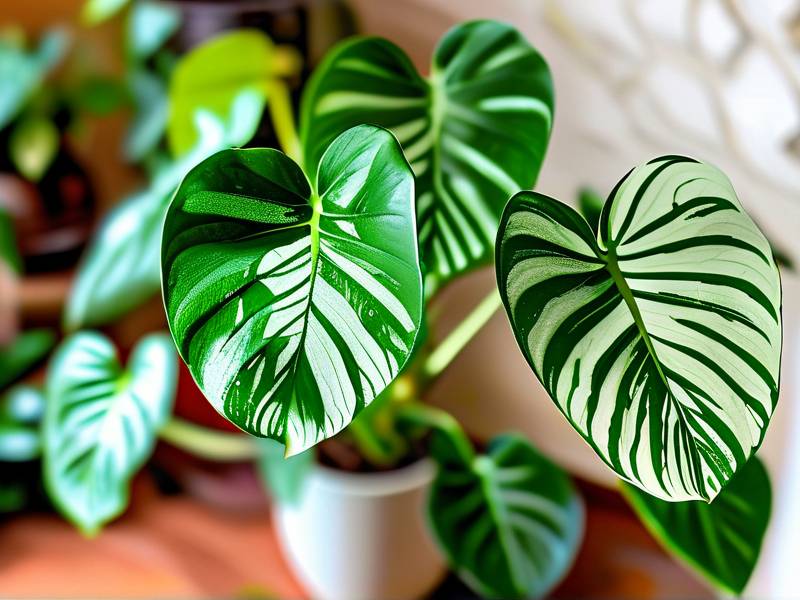
Watering Deep Dives for Clumping Coin Leaves
Let me be even more specific. How often do I water in practice? In warm semi-shade with moderate indoor temperatures, I water about every three to four weeks in winter. In summer, every two to three weeks. But I never trust a calendar. I use a wooden skewer. I push it into the soil, leave it for a minute, then pull it out. If it comes out dry and clean, watering is needed. If it has damp soil stuck to it, I wait.
When I do water, I do it thoroughly. I put the pot in a sink or tub. I pour room-temperature water over the soil surface. I let it run through until the exit water is clear. Then I empty the catch tray immediately. Never leave standing water. The clumping Zamioculcas zamiifolia will survive without a drop for a month. It will not survive a week in waterlogged soil.
The Warm Semi-Shade Factor Done Right
Warmth matters more than people think. This plant comes from eastern Africa. It likes temperatures between 18°C and 26°C. If your room falls below 15°C for long periods, the leaves may turn yellow. I had a drafty window in my old apartment. My ZZ sat near it in winter. The leaves developed dark patches. That is cold damage. Now I keep mine away from air conditioning vents and frosty windows.
Semi-shade means no direct light after 11 a.m. For me, a spot in a bright hallway works. A few meters away from a south facing window is perfect. You want to be able to read a book during the day without switching on a lamp. That level of brightness is enough. If the room feels gloomy, add a basic grow light for a few hours. I have done this and the plant responded with stronger new shoots.
Fertilizer: Less Is More
Do I fertilize my clumping Zamioculcas zamiifolia? Yes, but very rarely. During the growing season (spring and summer), I give a balanced liquid fertilizer at half strength once a month. That is it. In autumn and winter, I skip it completely. The plant's natural growth rate is slow. Extra fertilizer can burn the roots. I once fed my plant every two weeks because I wanted faster growth. The lower leaves turned brown and crispy. That was fertilizer burn. So now I use a cactus or succulent fertilizer diluted even further. The clumping coin leaves respond better to occasional light feeding.
Pests and Other Real Problems
ZZ plants are tough. But they still get pests when stressed. I found spider mites on one of my plants once. The leaves looked dusty and slightly stippled. The culprit was low humidity and stale air. I fixed it by wiping each leaf with a damp cloth. Then I gave the plant a gentle shower. I repeated this for a week. The mites disappeared.
Mealybugs are another possibility. They look like tiny bits of cotton on the stem joints. I use a cotton swab dipped in rubbing alcohol to remove them. Then I keep the plant in better air circulation. The clumping Zamioculcas zamiifolia is not prone to pests if conditions are right. But overwatering weakens it. A stressed plant invites bugs. Keep it simple and dry.
My Best Tips for Compact, Dense Growth
If you want your clumping coin leaves to stay full and tight, here are my rules.
- Do not move the plant often. It hates change. I reposition mine only when necessary.
- Rotate the pot a quarter turn every month. This keeps the shape even. My plant grows toward the light. Without rotation, one side becomes sparse.
- Clean leaves with a damp cloth every few weeks. Dust blocks light. Hygiene matters.
- Remove old yellow leaves at the base. Snip them close to the soil with clean tools. This keeps energy going to new shoots.
- Let the plant feel slightly root-bound. That encourages new clumps. I keep mine in the smallest possible pot until roots push out the bottom.
These tips come from hands-on experience. I lost count of the number of plants I have killed. But the clumping Zamioculcas zamiifolia forgives most mistakes except water.
How I Learned from My Dead Plants
I need to be real with you. My first ZZ plant died because I loved it too much. I watered it every five days. The soil stayed wet. The roots rotted. The stems fell over like wet noodles. My second one died in a glass jar without drainage. I thought it looked stylish. It was a death trap. My third one died from cold draught. I placed it by a window that had a tiny gap. The winter wind chilled the soil. The leaves turned black.
That was the moment I changed my approach. According to the RHS, most houseplants die from too much water. The AHS also highlights the importance of drought-tolerant indoor plants. Both sources stress the same thing: overwatering is the number-one killer. I started treating the plant like a succulent. I stopped loving it with water. I gave it warmth, semi-shade, and long dry periods. Then it thrived.
Answers for Common Worries
Why are my clumping coin leaves turning yellow?
Yellow leaves usually mean too much water. Check the soil. If it is wet two days after watering, your pot lacks drainage or your watering frequency is too high. Let it dry out completely before the next drink. If the yellow leaves have a mushy base, the plant might be dying. You need to remove the damaged stems and repot into dry, fresh mix.
Can I grow clumping Zamioculcas zamiifolia in low light?
It tolerates low light but prefers warm semi-shade. In a truly dark corner, growth stops. It will not die quickly, but it will not thrive. If you want new coin leaves, give it bright indirect light. I put a small grow light on a timer in my darker living room corner. That made a huge difference.
How often should I repot?
Only when necessary. The clumping nature means the pot fills with rhizomes. Every two to three years is enough. Repot in spring. Choose a pot just one size bigger. After repotting, wait a full week before watering. This gives the roots time to adjust.
Final Thoughts from a Plant Lover
There is no magic formula for every home. But the clumping Zamioculcas zamiifolia is one of the easiest plants I have ever owned. Warm semi-shade, infrequent watering, and a pot with drainage are the only core needs. I keep mine in a spot that receives soft morning light and stays warm all day. I water it roughly twice a month. I feed it only in summer. I check the roots once a year.
After two weeks of careful observation, my plant pushed out a new shoot. That may not sound exciting. But for a slow grower like this, it means the conditions are right. If you can resist the urge to water, you will succeed. Trust the dry soil. Trust the warm semi-shade. The clumping coin leaves will reward you with glossy, thick leaves and a tidy growth habit. I promise you, this plant wants to live. Just get out of its way.