bluename
 You want the short answer on how to care for clumping Radermachera Sinica? Give it warm temperatures, bright indirect sun, and consistently moist but never soggy soil. That's the whole trick. I watched two of mine die before I got it right. Honestly, most problems start with one bad habit: overwatering. Actually, let me walk you through exactly what I did, what went wrong, and how to keep your clumping green foliage alive and thriving. The good news? This plant forgives a lot. The bad news? Three mistakes kill it faster than anything else, and I've made every single one of them.
Why Your Clumping Radermachera Sinica Keeps Dying
If your plant looks fine for a week and then suddenly drops leaves like it's autumn, you're not alone. I've been there. It took me three dead plants to finally understand what this species actually needs. So I'm putting this guide together from real experience, not from a textbook. Let's talk about the three fatal mistakes first.
Mistake #1: Overwatering
90% of indoor plants die from overwatering. That's not a wild guess. It's a number you'll see repeated by growers and plant pathologists across the industry. I once watered my Radermachera sinica every other day because the topsoil felt dry. Big mistake. The roots suffocated. Within two weeks, the leaves turned yellow and started dropping.
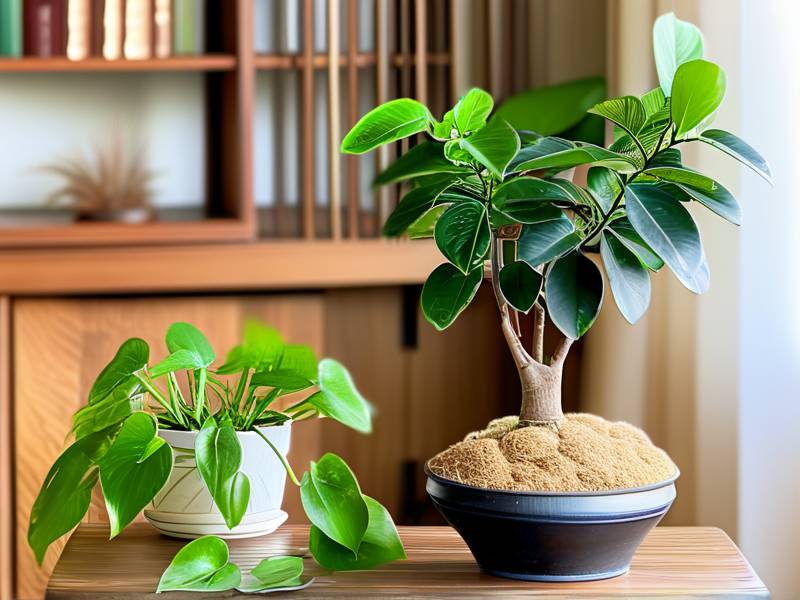
Here's the thing about this plant. The soil surface can look completely dry while the bottom of the pot stays waterlogged. I check deeper now. I stick my finger about two inches into the soil. If it's still damp at that depth, I wait. Simple, but effective.
Mistake #2: Getting Light All Wrong
I tried placing my first plant in a dark hallway corner. It dropped leaves within days. Then I moved it to a south-facing windowsill with direct afternoon sun. The leaves scorched and turned crispy brown. That was my second plant.
The truth is, this plant wants bright, indirect light. Think of a spot two or three feet away from a south or east-facing window. A sheer curtain helps if the sun is strong. I honestly think this is the most misunderstood part of caring for this species. People assume "sunny" means full sun, but it really doesn't.
Mistake #3: Using the Wrong Pot
My third plant died because I fell in love with a beautiful ceramic pot. No drainage holes. It looked stunning on my shelf. It also collected water at the bottom and slowly drowned the roots. I didn't even realize what was happening until I pulled the plant out and saw the soggy, rotten mess at the bottom.
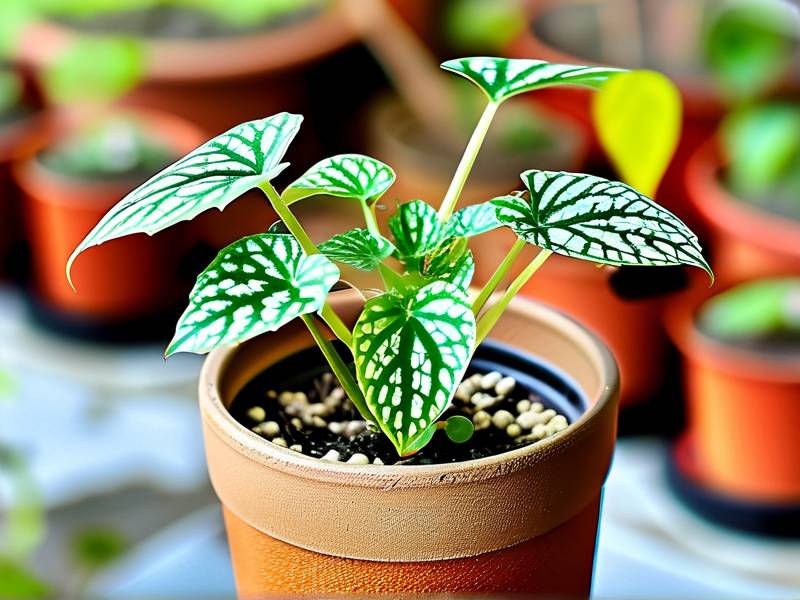
Use a pot with drainage holes. Terracotta is my favorite for this plant. It's porous, so excess moisture evaporates through the walls. That extra breathability honestly saves you from yourself sometimes.
What "Warm, Sunny, Moist" Actually Means
The Royal Horticultural Society classifies Radermachera sinica as a reliable indoor ornamental. You can check their guidance on the RHS website for official growing notes. The plant comes from subtropical regions of Asia, which tells you a lot about what it needs. It genuinely wants warmth.
I keep mine between 18 and 24 degrees Celsius. If your home drops below 13 degrees, you'll start seeing leaf loss. Cold drafts from windows or air conditioning vents are also dangerous. I learned that when I placed one too close to an AC unit last summer. Within four days, the leaves began curling.
Sunny doesn't mean blast-furnace sun. The American Horticultural Society positions this plant similarly in their houseplant recommendations. The AHS notes that subtropical foliage plants perform best with bright filtered light. My personal experience totally lines up with that. I rotate my plant a quarter turn every week. This keeps growth even. Otherwise, the side facing the window stretches out and looks messy.
Moist is the tricky word in this entire equation. It doesn't mean wet. It doesn't mean damp. It means the soil should feel like a wrung-out sponge. I aim to water roughly once a week during spring and summer. In winter, I stretch that to once every ten days or so. But I always check the soil first. The finger test beats any fixed schedule.
The Soil Mix That Saved My Plants
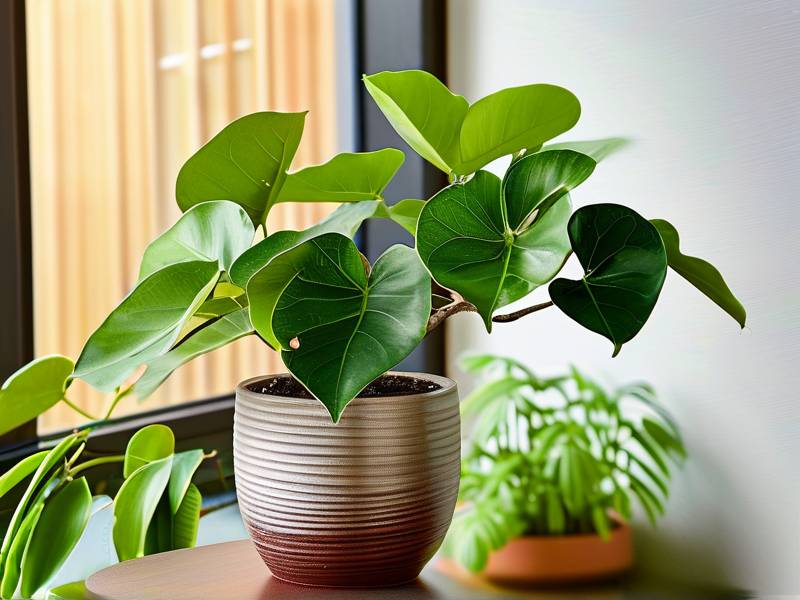
After killing my second plant, I became obsessed with getting the soil right. What I discovered changed everything. The standard potting mix from the store holds too much water for Radermachera sinica. It stays soggy for days. The roots can't breathe.
Here's my current recipe. I mix two parts regular potting soil with one part perlite. Then I add one part orchid bark. The perlite improves drainage. The orchid bark creates air pockets. Together, they keep the mix light and airy while still holding enough moisture for the roots to drink.
I prep all my pots with this mix now. It has completely eliminated the root rot problem for me. The difference really is night and day.
How to know if you need to repot? If water pools on the surface and takes forever to drain, your soil has broken down. If roots start poking out of the drainage holes, the plant needs more room. I usually repot my clumping Radermachera sinica every 12 to 18 months, depending on growth.
My Two-Week Recovery Experiment
I want to share a real experiment I ran recently. About two months ago, I rescued a struggling clumping Radermachera sinica from a discount store. It looked terrible. Droopy leaves, pale coloring, some yellowing near the base. Honestly, it looked beyond saving.
But I committed to a two-week rehabilitation plan. I tracked everything. Here's what happened.
Week One – Stabilizing
Day one, I checked the soil. It was completely waterlogged. The previous owner had definitely overwatered it. I unpotted the plant and inspected the roots. Several were mushy and brown. I trimmed those away with clean scissors, and I was aggressive with the cutting. Rotten roots smell terrible, by the way. If you catch that smell, you know you have a problem.
I repotted it in fresh, well-draining mix using a terracotta pot. Actually, I'll be honest. I went one size smaller than the original pot. Root rot means less root mass. A smaller pot prevents water from sitting around unused roots. This is a trick I wish I knew earlier.
For the first three days, I placed it in bright, indirect light. I didn't water it at all. The soil still held enough moisture from before. By day four, I noticed the drooping had eased a little. The leaves regained some firmness. It was subtle, but I could tell the roots were starting to recover.
By day seven, there were no new yellow leaves. That was a huge relief. New yellowing would have meant the roots were still in trouble. I checked the growing tips, and they looked slightly perked up. Not dramatic changes yet, but the plant had stabilized. I was honestly just happy it wasn't getting worse.
Week Two – The Turning Point
Day eight, the top two inches of soil were genuinely dry. I gave it the first proper watering. About 600 ml for an eight-inch pot. Water ran through the drainage holes. I let it sit in the sink for twenty minutes to drain fully before putting it back.
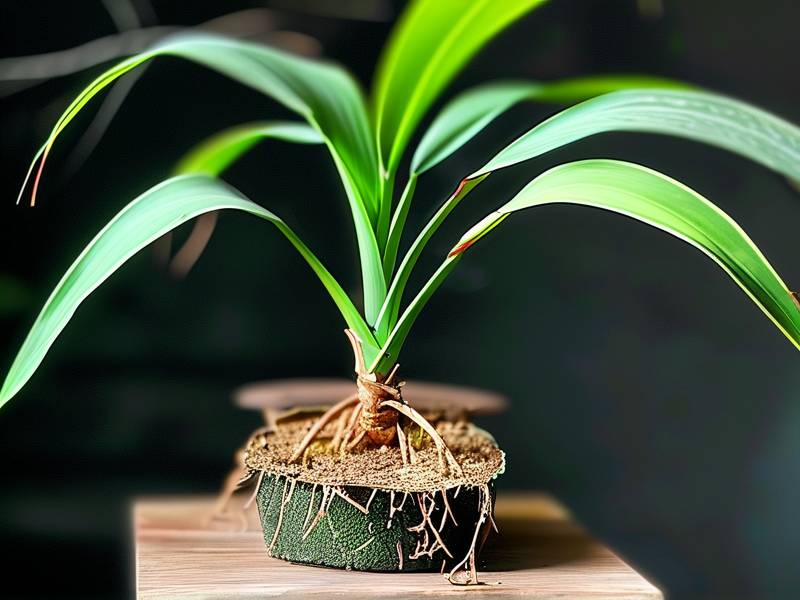
By day ten, I spotted something exciting. Small, light green leaves emerging at the center of the clumps. This is exactly what you want to see. New growth at the center tells me the plant's metabolism has kicked back into gear. The old leaves were still a bit pale, but the new growth looked healthy and vibrant.
By day fourteen, the change was obvious. The center of each clump had more new growth. The overall color had shifted from pale yellow-green to a richer, deeper green. The clumping habit was more defined too. That compact, clustered look that makes this plant so attractive.
What did I learn from this? Patience and consistency win. I didn't do anything dramatic. I fixed the root zone, stopped suffocating the roots, gave it proper light, and watered according to what the plant was telling me. Not what my calendar told me.
My Ongoing Care Routine
Once my clumping Radermachera sinica recovered, I settled into a steady routine. It's not complicated. Let me walk you through it.
Every morning, I glance at the plant. It takes two seconds. I look for drooping leaves, yellow edges, or any new growth. Catching problems early in this plant saves you from bigger headaches later.
Once a week, I check the soil moisture with my finger. I water only when the top two inches feel dry. I water slowly and thoroughly. Then I let the pot drain completely. I never, ever leave the plant sitting in a saucer of water.
Every two weeks, I wipe the leaves with a damp cloth. Dust accumulates quickly on those broad, glossy leaves. Cleaning them maximizes photosynthesis. And honestly, the plant just looks way better after a good wipe-down.
Every month during spring and summer, I fertilize with a balanced liquid fertilizer at half strength. I skip fertilizing completely in fall and winter. The plant rests during low-light months. Feeding during that rest period just confuses it and can cause soft, weak growth.
Every season, I check for pests. Spider mites are the biggest threat, especially in dry air. I inspect the undersides of leaves. If I see any webbing or stippling, I treat immediately with insecticidal soap spray.
Fixing Common Problems I've Hit
Over my years of growing this plant, I've run into every issue you can imagine. Here's how I fixed each one.
Yellow Leaves Across the Whole Plant
This usually means one of two things. Either too much water, or not enough light. I check the soil first. If it's wet, the roots are in trouble. I pull the plant and inspect the roots. Brown, mushy roots need to be trimmed. Healthy roots are white or cream-colored. If the soil feels dry and the plant looks pale, the issue is likely light. Move it closer to a brighter window, but do it gradually.
Leaves Dropping Without Warning
Dramatic leaf drop is the classic Radermachera sinica tantrum. It drops leaves when the temperature changes too quickly. I once moved a plant from a dark corner to a sunny windowsill in one afternoon. By evening, leaves were scattered across the floor. I was floored. The fix is slow acclimation. Transition the plant over a couple of weeks. Shift it slightly toward the brighter spot each day.
Spider Mites
Dry air attracts spider mites. I fought a mild infestation last summer. The undersides of the leaves had tiny webs and stippled yellow spots. I treated it with insecticidal soap spray, once a week for three weeks. I also ran a small humidifier nearby. The mites disappeared within a month. Honestly, prevention through humidity is easier than cure.
Leggy Growth
If your plant starts looking sparse and reaching toward the window, it's not getting enough light. I dealt with this in a north-facing room during fall. The stems were long, weak, and spaced far apart. I cut back the long stems to encourage bushier growth. Then I moved the plant to a brighter location. New growth came in much denser. Pruning also encourages more shoots from the base, which actually amplifies that clumping habit you want.
Propagating Your Clumping Radermachera Sinica
By the time my plant was healthy again, I wanted more of it. Propagating is genuinely easy. I take stem cuttings about four inches long. Each cutting needs at least two leaf nodes. I remove the lower leaves, leaving just the top two. Then I dip the cut end in rooting hormone powder.
I stick the cuttings in a pot of moist potting mix. Then I cover the whole thing with a clear plastic bag. This creates a mini greenhouse. The bag keeps humidity high. I place it in bright, indirect light. After about three to four weeks, I gently tug on a cutting. If there's resistance, roots have formed.
This is honestly the most rewarding part of plant care. Watching a cutting establish roots and start producing clumping growth is just satisfying. I've successfully propagated three new plants from my original.
Frequently Asked Questions
I get asked tons of questions about this plant. Here are the three most common ones.
How often should I water Radermachera sinica?
There's no universal schedule. Honestly, anyone who gives you a fixed schedule is oversimplifying. I water mine about once a week in summer and once every ten days in winter. But the timing depends on your pot size, soil type, temperature, and humidity. The finger test is your friend. Check the top two inches of soil every time before watering.
Why are the leaf tips turning brown?
Brown tips usually mean the air is too dry. Or the plant is getting too much fertilizer. I've done both, sadly. Fix it by trimming the brown tips with clean scissors. Increase humidity around the plant with a pebble tray or humidifier. And cut your fertilizer back. I use half-strength at most. Full-strength liquid fertilizer burned my plant's leaf tips once, and it took months for the damage to grow out.
Can this plant handle low light?
It will survive in low light for a while, but it won't thrive. I tried this in a bathroom with a tiny frosted window. The plant survived for a month, then dropped a ton of leaves. If you have low light, consider using a grow light. Just be consistent with the light schedule.
Final Thoughts
Caring for clumping Radermachera sinica really isn't complicated once you understand what it wants. Warmth. Bright indirect light. Consistently moist soil. That clumping green foliage will reward your attention with vivid, abundant growth.
My biggest mistake early on was treating it like a generic houseplant. I watered on autopilot. I ignored what the leaves were telling me. Once I started paying attention, everything changed.
The key thing I want you to remember is this. Don't let your love kill the plant. My early failures were all cases of over-nurturing. I wanted to care for them so badly that I drowned them. 90% of indoor plants die from overwatering. I've watched it happen in my own collection.
Now I pause. I check the soil. I look at the leaves. And I let the plant guide me. If you're just starting out, know that you'll mess up. I certainly did. It's part of learning. But with patience and a few small adjustments, you'll get there. Keep it warm. Keep it sunny. Keep it moist. Your Radermachera sinica will do the rest.