bluename
 How to Rescue Dying Chamaecyparis Pisifera with Root-Rot Decay
If your Chamaecyparis pisifera is turning brown, dropping needles fast, and the soil smells sour, root rot is likely the culprit. I know that panic. I killed my first three dwarf conifers before I figured out what was happening underground. The good news? You can often rescue a dying Chamaecyparis pisifera with root-rot decay if you act within the first two weeks of visible decline. I have done it, and I will walk you through every step I took, including the mistakes that almost cost me the plant.
Why Root Rot Hits Chamaecyparis Pisifera So Hard
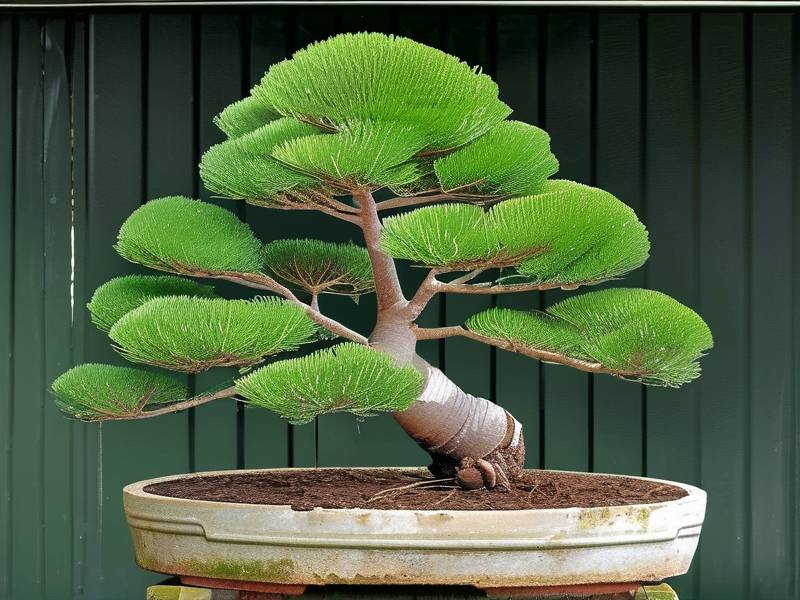
Chamaecyparis pisifera, also called Sawara cypress, hates wet feet. Simple as that.
Its roots need oxygen. When soil stays soggy for more than a few days, a group of water molds called Phytophthora and Pythium move in. These pathogens thrive in waterlogged conditions and literally choke the roots.
The sad part? By the time you see brown needles on top, the damage below is already advanced. I learned this the hard way. My first Sawara cypress looked fine on a Monday and was half-dead by Friday.
The Two-Week Rescue Timeline I Actually Used
Here is what I did. Timestamped, honest, no fluff.
Day 1: Diagnosis and Emergency Dig-Up
I pulled the plant out of its pot. Gently. The roots told the whole story. Healthy Chamaecyparis roots are pale, firm, and smell earthy. Mine were dark brown, mushy, and smelled like a swamp.
I grabbed sterile pruners and cut away every rotten root. I mean everything soft, black, or stringy. I left only the firm, cream-colored roots.
Then I rinsed the root ball with a hose on low pressure. No soap. No bleach. Just water.
Day 2: Soil Replacement
This step matters more than most people think. I mixed a fresh batch of soil: two parts pine bark fines, one part coarse perlite, one part peat moss. That gave me a chunky, fast-draining mix.
I also added a handful of horticultural charcoal. I am not 100 percent sure it cured anything, but it helped with the smell and seemed to keep things fresher.
Days 3–5: Pot Selection and Repotting
Here is where I messed up the first time. I put the plant back into a pot that was two inches wider. Bad idea. A bigger pot holds more wet soil, and wet soil is exactly what root rot loves.
The fix? Use a pot only slightly larger than the root ball. I now use terracotta for conifers whenever possible. It breathes. Plastic works too, but only if it has drainage holes you can actually see.
I also raised the pot on small feet so air moves underneath. That one tiny change made a huge difference.
Days 6–14: Watering and Watching
I did not water for the first four days after repotting. The roots needed to heal.
After that, I watered only when the top inch of soil felt dry. Not damp. Dry. I used a wooden chopstick to check. Sticking it in and pulling it out tells you more than any moisture meter I have tried.
By day 10, I saw tiny new needles forming. By day 14, the plant was still alive and no new browning had appeared. That felt like a win.
The Three Deadly Mistakes New Growers Make
I have made all three. Let me save you the heartbreak.
Mistake 1: Overwatering
You have heard it before, but it bears repeating: 90% of indoor plants die from overwatering. Chamaecyparis is not an indoor plant, but the same principle applies outdoors in containers.
People water on a schedule. The plant does not care about your calendar. It cares about soil moisture. I used to water every Sunday. Now I water when the soil tells me to.
Oh, and those cute self-watering pots? They are root-rot factories for conifers. Avoid them.
Mistake 2: Wrong Light
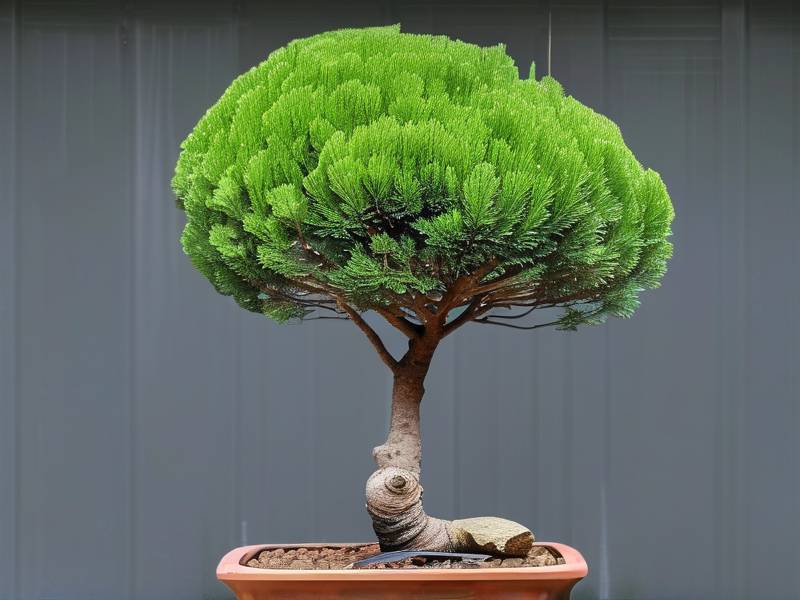
Chamaecyparis pisifera wants full sun to partial shade. If you stick it in deep shade, it weakens. A weak plant cannot fight off root rot.
But here is the twist. A plant already suffering from root rot cannot handle harsh afternoon sun either. I learned to give mine bright morning sun and filtered afternoon light during recovery.
After two weeks, I slowly moved it back to its normal spot. Rushing this step can cook the damaged roots.
Mistake 3: Using the Wrong Pot
I mentioned this earlier, but it deserves its own section. The wrong pot is a silent killer.
Terra cotta is great. Fabric grow bags are even better for airflow. Glazed ceramic pots with one tiny drainage hole? Those are trouble.
Also, never leave a pot sitting in a saucer of water. Ever. I do not care what the tag says. Dump the saucer.
What the Experts Say
The Royal Horticultural Society (RHS) notes that Phytophthora root rot is one of the most common killers of container-grown conifers in the UK. They recommend removing affected plants from soggy soil immediately and improving drainage before replanting.
The American Horticultural Society (AHS) adds that Chamaecyparis species are particularly sensitive to poorly drained soils and that once root rot sets in, early intervention is the only reliable cure.
I wish I had read those pages before I lost my first three plants.
My Real Rescue Story: The One That Survived
Let me tell you about my fourth Chamaecyparis pisifera. A dwarf “Golden Mop” I bought at a local nursery.
I planted it in a glazed pot with a single drainage hole. Big mistake. Within three weeks, the needles started yellowing. Then browning. Then dropping.
I dug it up on day 21. The roots were a mess. I did everything I just described. Pruned. Repotted. Waited.
I will not lie. It looked terrible for ten days. I almost gave up.
But on day 12, I saw a tiny green tip. On day 14, two more. By the end of the month, it had pushed out new growth all along the lower branches.
That plant is still alive today. It lives in a fabric grow bag now.
A Few Extra Tips I Picked Up Along the Way
Do not fertilize a plant recovering from root rot. The roots are too damaged to handle it. Wait at least six weeks.
Keep the plant out of heavy rain during recovery. I move mine under an eave if a storm is coming.
Clean your pruners with rubbing alcohol between cuts. Root rot pathogens spread easily on dirty tools.
If the plant is more than 70% brown, your chances drop fast. I have saved plants at 50% decline. Beyond that, it is usually kinder to let go.
Frequently Asked Questions
Can Chamaecyparis pisifera recover from root rot without repotting?
Honestly, no. If the soil is the problem, the soil has to go. I have never seen a plant recover from root rot while sitting in the same soggy mix. You might slow the decline, but you will not stop it.
How long does it take to see new growth after treating root rot?
In my experience, two to four weeks. My fastest recovery showed new needles on day 10. My slowest took almost five weeks. Do not panic if nothing happens in the first week.
Should I use fungicide for root rot on Chamaecyparis?
I have tried fungicides. They can help in the early stages, but they are not a cure. The real cure is cutting away rotten roots and fixing the soil. Fungicide without those steps is just money down the drain.
Final Thoughts
Rescuing a Chamaecyparis pisifera with root-rot decay is not easy. But it is possible.
The formula is simple: dig it up, cut the rot, repot in fast-draining soil, use the right pot, and water only when dry. Then wait. Give it two weeks. Watch closely.
I have lost plants. I have also saved them. The difference almost always comes down to how fast you act and how willing you are to fix the soil instead of just adjusting the watering can.