bluename
 How to Fix Sunken Stem-Rot Lesions on Graptopetalum Amethystinum
I still remember the exact moment I realized my favorite Graptopetalum amethystinum was in serious trouble. The main stem had gone soft right near the base, and there was this dark, sunken lesion that looked almost like someone had pressed their thumb into a ripe peach. That plant had been with me for almost two years, and I nearly lost it because I did the exact wrong thing first: I watered it more, thinking it was just thirsty.
Here's the short answer, straight up: those sunken stem-rot lesions are almost always caused by water sitting against the stem in soil that never dries out, and the fix is to cut away the rot, let the cut callus for several days, replant in gritty fast-draining mix, and stop watering for at least two weeks while you watch for new growth. That's it. No magic spray, no secret fertilizer. Just surgery, patience, and a change in habits.
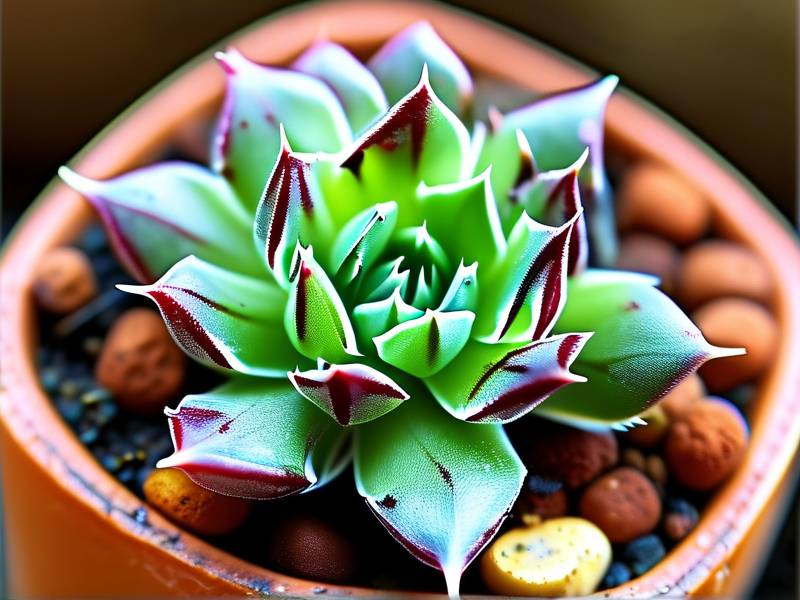
The rest of this article is everything I learned during my own two-week recovery watch, including the mistakes that nearly killed my plant and the small details nobody tells you about.
Why Sunken Lesions Show Up in the First Place
A sunken lesion on a Graptopetalum amethystinum stem is basically dead tissue. The cells have collapsed. It usually starts as a small dark spot near the soil line, then sinks inward as the tissue underneath turns to mush.
Fungal and bacterial pathogens love this setup. They need moisture plus poor airflow, and potted succulents in a typical living room provide both if you're not careful.
The Royal Horticultural Society notes that most stem and root rots in container plants are linked to overwatering and poorly drained growing media, not to some exotic disease you brought home from the nursery. That matches everything I've seen. I've never once had rot in a plant I forgot to water. I've had it plenty of times in plants I babied too much.
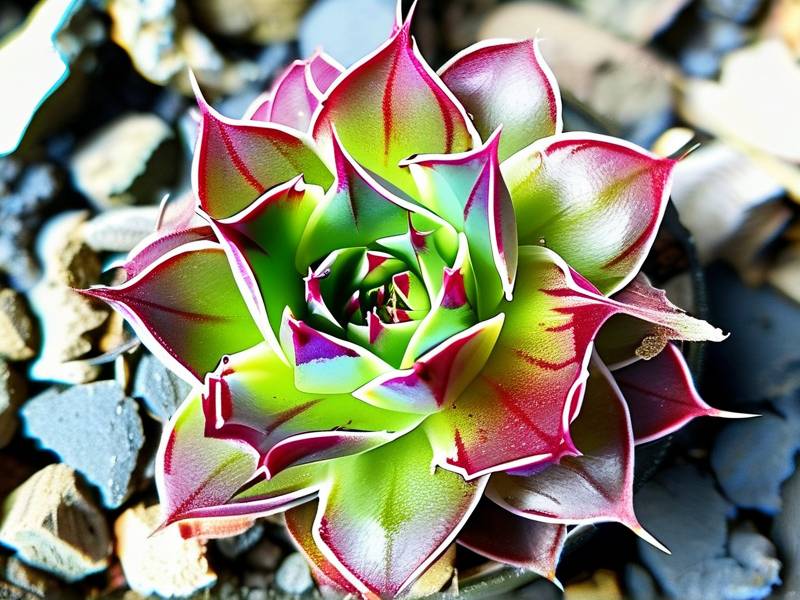
And here's the line that changed how I think about all of this: 90% of indoor plants die from overwatering. Not underwatering, not bad light, not pests. Overwatering. Once that clicked for me, my whole approach to succulents shifted.
The Three Beginner Mistakes That Cause This
I made all three of these. Not one. All three. Let me walk you through them so you can skip the painful part.
Mistake One: Watering on a Schedule Instead of Checking the Soil
I used to water every Sunday. It felt responsible. It felt organized.
It was killing my plants.
Graptopetalum amethystinum is a Mexican species that grows on rocky slopes. It expects long dry stretches between rains. When I watered weekly, the soil never dried out at the root zone, and that constant moisture is exactly what rot pathogens need to take hold.
Now I stick a wooden skewer into the pot and only water when it comes out completely dry, usually every 10 to 14 days in summer and much less in winter. Sometimes three weeks go by and the plant is fine.
Mistake Two: Putting It in the Wrong Light
I once moved my amethystinum to a shaded shelf because I read that intense afternoon sun could scorch it. True enough for a freshly shipped plant, but I left it there for months.
The plant stretched, the stem got thinner, and the base stayed damp far longer because there was less evaporation. Weak light and wet soil are best friends, and neither one is good for your succulent.
The American Horticultural Society recommends bright light with some direct sun for most echeveria-type rosettes, and Graptopetalum amethystinum fits that pattern well. Mine now sits where it gets four to five hours of direct morning sun and bright indirect light the rest of the day. The difference in stem thickness after six weeks was honestly kind of dramatic.
Mistake Three: Using a Pot That Holds Water
My first amethystinum lived in a glazed ceramic pot with a single tiny drainage hole. It was beautiful. It was also a swamp at the bottom.
I killed that plant in about four months. The stem rot started low and worked its way up.
Now I use unglazed terracotta or a plastic pot with multiple drainage holes, always one size smaller than you'd think. Succulents like being slightly root-bound. A too-large pot means a huge volume of wet soil surrounding a small root ball, and that's a rot factory.
My Two-Week Recovery Log: What I Actually Did
When I spotted the sunken lesion on my current plant, I didn't panic-email anyone. I grabbed a clean knife and got to work. Here's the exact sequence, day by day, so you can follow along.
Day 1: Diagnosis and Surgery
The lesion was about the size of a pencil eraser and located roughly an inch above the soil line. I squeezed it gently with clean fingers. It gave way like a overripe avocado. That confirmed active rot, not a healed scar.
I pulled the plant out of its pot and shook off the soil. The roots looked surprisingly okay, which told me the rot had started above ground, probably from water splashing onto the stem during watering.
I sterilized a sharp knife with rubbing alcohol and cut about half an inch above the visible rot, straight through healthy green tissue. The cut surface was clean and firm, no brown streaks. If you see brown streaks going up the stem, keep cutting until the cross-section is completely clean.
Then I removed any mushy leaves near the wound. Rot spreads through contact, so leaving a soggy leaf touching the cut is asking for round two.
Day 1 to Day 5: Callusing
I set the cutting in a dry, bright spot out of direct sun and left it alone. No soil. No water. Nothing.
This is the part most people rush. The cut needs to form a callus, a dry scab that seals the wound. Mine took five days in my climate, but in humid areas it can take a week or more.
I've tried planting immediately after cutting. The stem turned to jelly within four days. Learned that lesson the hard way.
Day 6: Repotting
I mixed my own gritty blend: roughly equal parts potting soil, perlite, and coarse horticultural sand. Some people use pumice instead of perlite, and that works fine too. The goal is a mix that drains within seconds when you water it.
I used a 4-inch unglazed terracotta pot with a drainage hole. I planted the callused cutting about an inch deep and firmed the soil just enough to hold it upright. No watering.
Day 6 to Day 14: The Waiting Game
This is the hardest part. I did not water for the entire first week after repotting. Not a drop.
On day 12, I noticed the first tiny root nubs when I gently tugged the stem. Resistance means roots. That was my green light.
I gave it its first light watering on day 13, just enough to moisten the soil around the base, not soak the whole pot. By day 14, the stem was firm, the color had deepened back toward that lovely lavender-pink, and a tiny new rosette was starting to form at the growth point.
Two weeks. That's all it took, but only because I resisted every urge to "help" it along.
What to Do If the Rot Keeps Coming Back
Sometimes you cut, you wait, and the lesion reappears. I've had that happen twice. Both times, the problem was environmental, not surgical.
Check your watering frequency first. If the soil stays moist for more than three days after watering, your mix is too heavy.
Check airflow second. A plant crammed against a wall or in a closed terrarium-style setup will rot even with perfect watering.
Check the pot third. If there's no visible drainage hole, that's your answer right there.
If you've fixed all three and rot still returns, consider taking leaf cuttings as a backup. Graptopetalum amethystinum propagates easily from single leaves, and having a few babies growing on the side takes the pressure off the mother plant.
Preventing Future Lesions Without Becoming a Nervous Wreck
Honestly, once you understand the mechanics, prevention is simple.
Water deeply but infrequently. Let the soil dry completely. Keep the rosette dry when you water. Give it strong light. Use a pot that breathes.
I also stopped misting my succulents entirely. Misting keeps the stem surface damp, and damp stem surfaces are where rot begins.
One more thing: don't repot into fresh soil and then water immediately. I know it feels wrong to leave a newly repotted plant dry, but fresh soil holds moisture longer than you expect. Wait a week before that first watering. Your plant will thank you.
Frequently Asked Questions
Can a succulent recover from stem rot without cutting?
No, not if the lesion is sunken and soft. That tissue is already dead, and rot will keep spreading through it. Cutting above the rot is the only reliable fix. I've never seen a plant heal a sunken lesion on its own.
How long should I wait before watering after cutting and repotting?
Wait at least seven days, ideally ten to fourteen. The cutting needs time to grow new roots, and wet soil around a rootless stem is a recipe for more rot. I check by giving the stem a gentle tug. If it resists, roots have formed and it's safe to water lightly.
Why does stem rot keep coming back on my Graptopetalum amethystinum?
In my experience, it's almost always one of three things: soil that stays wet too long, a pot without proper drainage, or watering on a fixed schedule instead of checking the soil first. Fix those three and the rot stops returning. If it still comes back, your light might be too weak, which slows evaporation and keeps the stem damp.
The bottom line is that sunken stem-rot lesions look scary, but they're fixable if you act fast and resist the urge to overcare. Cut clean, let it callus, repot into gritty mix, and give it two quiet weeks. That's the whole method, and it's saved more of my succulents than any product I've ever bought.