bluename
 How to Control Spider-Mite Outbreaks on Callisia Fragrans Foliage
If you've noticed silvery stippling, fine webbing, and leaves that seem to be drying out from the underside upward, you're likely dealing with a spider-mite outbreak on your Callisia fragrans. I've been there. The first time it happened to my own plant, I panicked, sprayed everything I could find, and ended up making things worse. So let me give you the short answer right up front: the fastest way to control spider mites on Callisia fragrans foliage is to isolate the plant immediately, wash the leaves thoroughly with room-temperature water, then apply insecticidal soap or neem oil every three to four days for at least two weeks. That's it. No mystery. The hard part is consistency, and catching it before the mites have already spread to every leaf.
I'm writing this as someone who has killed more than a few houseplants out of sheer stubbornness. I've tried everything from dish soap sprays to predatory mites. Some worked, some failed miserably. This article is the honest version of what actually works when spider mites move in.
Why Callisia Fragrans Is a Spider-Mite Magnet
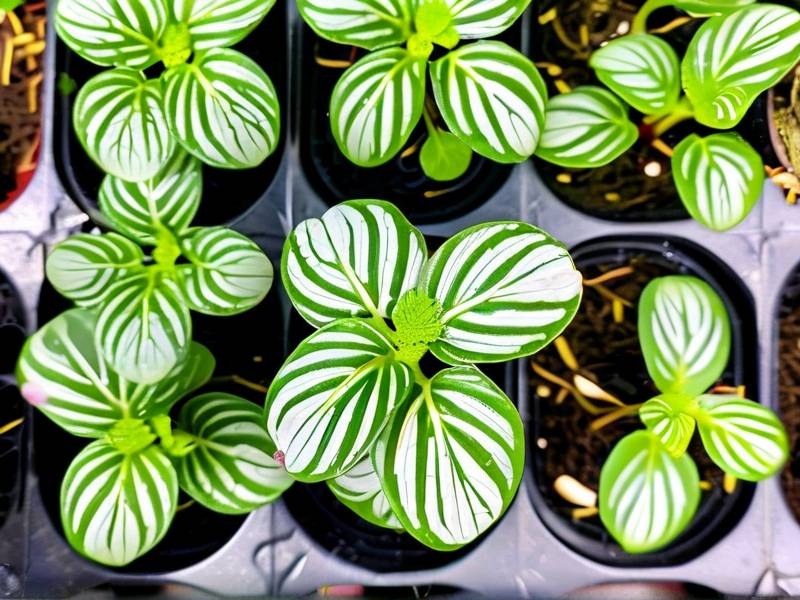
Callisia fragrans, sometimes called the basket plant or inch plant, has soft, fleshy leaves that grow in tight rosettes. Those tight spaces between leaves are basically a five-star hotel for spider mites. They hide where sprays can't reach, and by the time you see damage on the top of the leaf, the infestation has usually been brewing for a week or more.
Spider mites thrive in dry, warm indoor conditions. If your home is heated in winter and the humidity drops below 40%, you're basically rolling out a welcome mat. I learned this the hard way after moving my Callisia fragrans near a radiator for "better light." Within ten days, the leaves were covered in fine webbing. That was my first real spider-mite rodeo, and I lost about half the foliage before I got it under control.
The Connection Between Plant Stress and Mite Outbreaks
Here's something I wish someone had told me years ago: spider mites rarely devastate a healthy, well-watered plant. They target stressed plants. And in my experience, the number one stress factor for indoor plants is overwatering. You've probably heard the phrase "90% of indoor plants die from overwatering," and honestly, it's not far off. Overwatered roots can't take up nutrients properly, the plant weakens, and suddenly every pest in the room sees an easy target.
The same goes for light. If your Callisia fragrans is sitting in a dim corner, it's going to be sluggish and more vulnerable. If it's getting blasted by harsh afternoon sun through a window, the leaves get scorched and stressed in a different way. Both scenarios invite mites.
How I Actually Got Rid of Spider Mites (Step by Step)
Let me walk you through exactly what I did the last time this happened, about six months ago. This isn't theoretical. I watched the plant every day for two weeks and took notes.
Day 1: Isolation and Inspection
The moment I saw webbing on the undersides of the leaves, I moved the plant to my bathroom, away from every other plant I own. Spider mites spread fast. They can crawl, and they can hitch a ride on a breeze or on your sleeve. Isolating the plant is non-negotiable. I also checked every neighboring plant with a flashlight and a magnifying glass. Two of them had early signs, so they got quarantined too.
Day 1: The First Wash
I took the plant to the sink and gave it a thorough shower with room-temperature water. Not cold, not hot. I focused on the undersides of the leaves, where mites lay their eggs. The water pressure knocked off a huge number of adults and webbing. I let the plant drain completely before putting it back in its spot. Never let water sit in the saucer. That's how you get root rot on top of a mite problem.
Day 2: Insecticidal Soap Application
I mixed insecticidal soap according to the label, which is usually about one tablespoon per quart of water. I sprayed every surface of every leaf, especially the undersides. I also sprayed the top of the soil lightly. Then I let it dry. I did this in the evening, not in direct sun, because wet leaves plus strong light equals scorch marks. I learned that lesson with a different plant years ago.
Days 3–14: The Every-Three-Days Routine
This is the part most people skip, and it's why their mites come back. Spider mites have a life cycle of about five to seven days in warm indoor conditions. If you only spray once, you kill the adults but not the eggs. Three days later, a new generation hatches and you're back to square one.
So every three days for two full weeks, I sprayed with either insecticidal soap or neem oil, alternating them. Neem oil is slower-acting but it also disrupts the mites' feeding and reproduction. By day seven, I was seeing far fewer live mites under the magnifying glass. By day fourteen, I couldn't find any. I kept checking for another week just to be safe.
Day 14: The Recovery Check
After two weeks, my Callisia fragrans had stopped losing leaves. New growth was starting to come in at the crown. It wasn't pretty yet, but it was alive and clearly on the mend. I gave it a light feed with diluted liquid fertilizer to help it recover, but I waited until I was sure the mites were gone. Fertilizing a stressed plant can backfire.
The Three Mistakes I See New Growers Make Every Time
I've been active in a few gardening forums, and I see the same three mistakes over and over. I've made all of them myself, so no judgment here.
- Overwatering
This is the big one. People see a sick plant and think "it needs more water." So they water it more. The roots suffocate, the plant weakens, and the mites get stronger. Callisia fragrans likes to dry out slightly between waterings. Stick your finger in the soil. If it's still moist an inch down, wait.
- Wrong Light
Callisia fragrans wants bright, indirect light. Not deep shade, not harsh midday sun. If you put it in a dark corner, it gets leggy and weak. If you put it in direct southern exposure, it gets scorched. Either way, stress goes up and pest resistance goes down. I keep mine a few feet back from a south-facing window, and it's been happy there for over a year.
- Bad Container Choices
This one doesn't get talked about enough. If you plant your Callisia fragrans in a pot that's way too big, the soil stays wet for too long and the roots rot. If you use a pot with no drainage hole, same problem. If you use a pot that's too small, the roots get cramped and the plant dries out too fast. I've had the best luck with terracotta or unglazed ceramic pots that are just one size up from the root ball. They breathe, they wick away excess moisture, and they're heavy enough not to tip over.
What the Experts Say
The Royal Horticultural Society (RHS) recommends a combination of cultural controls and repeated applications of plant-based sprays for spider mite management. They emphasize that thorough coverage of leaf undersides is essential. The American Horticultural Society (AHS) also notes that maintaining adequate humidity and avoiding plant stress are key preventive measures. I've found both of these to be true in my own experience. You can't just spray once and walk away. You have to change the conditions that allowed the mites to take hold in the first place.
Prevention: Keeping Mites From Coming Back
Once you've fought a spider-mite outbreak, you never want to do it again. Here's what I do now to keep my Callisia fragrans mite-free.
Raise the humidity. I run a small humidifier near my plant shelf in winter. Mites hate humidity. I also group my plants together, which creates a microclimate with higher moisture. Just don't crowd them so much that air can't circulate.
Rinse the leaves regularly. Every time I water, I take a damp cloth or a soft spray bottle and wipe down the leaves. It takes thirty seconds and it disrupts any mites that might be thinking about settling in.
Inspect new plants before bringing them home. I quarantine every new plant for at least two weeks in a separate room. I check the undersides of the leaves every few days. You'd be surprised how often nursery plants come with a few stowaway mites.
Keep the plant healthy. This sounds obvious, but it's everything. Right light, right water, right pot, occasional feeding during the growing season. A healthy Callisia fragrans can shrug off minor pest pressure that would kill a stressed one.
Frequently Asked Questions
Can I use just water to get rid of spider mites on Callisia fragrans?
Water alone can knock down a light infestation, especially if you're diligent about washing the undersides of the leaves every few days. But for a real outbreak, you'll want to follow up with insecticidal soap or neem oil. Water is a good first step, not a complete solution.
How long does it take to fully clear spider mites?
Plan on at least two weeks of consistent treatment. In my experience, you'll see major improvement by day seven and near-total clearance by day fourteen. Keep monitoring for another week after that, because eggs can hatch late.
Will spider mites come back after treatment?
They can, especially if the conditions that attracted them in the first place haven't changed. Dry air, stressed plants, and missed leaf undersides are the usual culprits. Fix those and your chances of a repeat outbreak drop dramatically.
Final Thoughts
Dealing with spider mites on Callisia fragrans is frustrating, but it's absolutely doable. Isolate the plant, wash it thoroughly, treat every three days for two weeks, and fix the underlying conditions that made it vulnerable. I've brought plants back from the brink using exactly this method, and you can too. Just don't skip the follow-up. That's where most people slip up, and that's where the mites win.