bluename
 How to Rescue a Dying Howea Belmoreana Palm with Advanced Root Rot
If your Howea belmoreana palm looks like it's on its last legs, the problem is almost certainly hiding underground. I'm going to give you the short answer right now: stop watering immediately, pull the palm from its pot, cut away every brown and mushy root with sterilized shears, treat what's left with a hydrogen peroxide drench, and repot into fresh, chunky, fast-draining mix. That's the core of root rot rescue on a Howea belmoreana. Everything else in this article is the detail that makes those steps actually work instead of just sounding good.
I've killed three palms learning this lesson. The third one, a beautiful Howea belmoreana I bought for far too much money, started drooping in week two of ownership. I did what most beginners do — I watered it more. It was dead in eleven days. That's when I finally understood something the Royal Horticultural Society has been saying for years: most houseplant death isn't from neglect, it's from kindness.
Let me walk you through what I actually did to save the fourth one, and what the plant looked like after two weeks of treatment.
Why Howea Belmoreana Is So Vulnerable to Root Rot
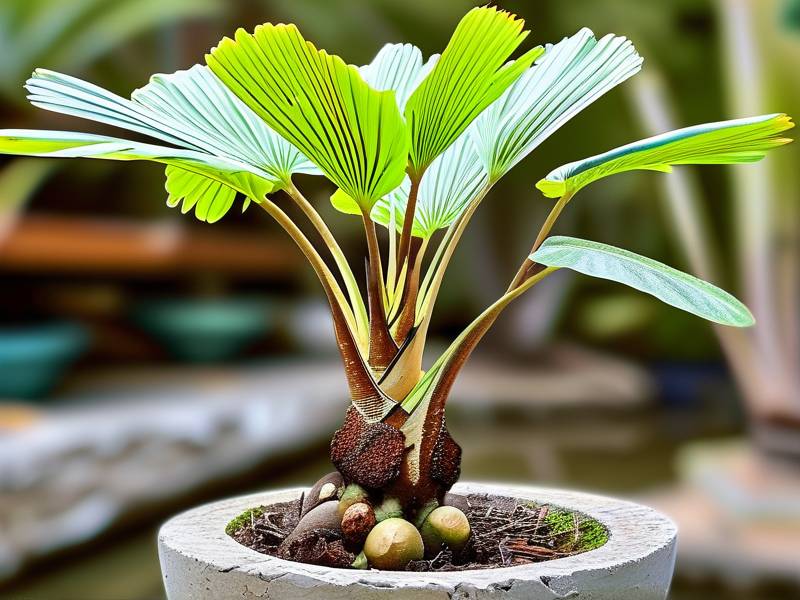
The Howea belmoreana, often sold as the Belmore Sentry Palm or curly palm, comes from Lord Howe Island off Australia. It grows in well-drained volcanic soil with constant air movement and dappled light. It never sits in soggy ground. Ever.
Now think about your living room. No breeze. A closed pot. Tap water that doesn't drain fast. That's the opposite of what this palm evolved for.
The RHS is blunt about this: poor drainage and overwatering are the leading causes of death in container-grown palms. In my own experience, Howea belmoreana is even fussier than its cousin, the Kentia palm. The roots are thinner, they rot faster, and by the time you see yellowing fronds, the damage is already advanced.
And here's the number that should be taped to every watering can: 90% of indoor plants die from overwatering. Not underwatering. Not pests. Overwatering. I've seen this play out in my own collection more times than I want to admit.
The Three Beginner Mistakes That Kill This Palm
Mistake One: Watering on a Schedule Instead of Checking the Soil
This was my biggest error. I watered every Sunday because that felt organized. The soil surface looked dry, so obviously it needed water, right? Wrong. The top inch can be bone dry while the bottom four inches are swampy.
Howea belmoreana roots sit deep. If you only check the surface, you're watering roots that are already drowning.
Mistake Two: Putting It in the Wrong Light
People assume all palms want full sun. They don't. Howea belmoreana wants bright, indirect light. Direct afternoon sun through a south-facing window will scorch the fronds, and deep shade will stall growth and weaken the root system.
I once moved mine to a sunny patio for "recovery" and watched three fronds turn crispy in four days. Bad idea.
Mistake Three: Using the Wrong Pot
A pot without drainage holes is a death sentence for this palm. So is an oversized pot. When you plant a small root ball in a big pot of soil, the excess soil holds moisture the roots never touch. That wet zone becomes a breeding ground for the fungi that cause root rot.
I learned this after killing my second palm in a gorgeous ceramic pot with no holes. It looked great. The plant lasted five weeks.
How I Diagnosed Advanced Root Rot on My Howea Belmoreana
Here's the sequence I follow now whenever a palm looks off.
First, I check the fronds. Yellowing lower fronds with brown tips are an early sign. Soft, dark, collapsing fronds near the base mean it's advanced.
Second, I check the trunk base. If it feels squishy or smells sour, the rot has moved up.
Third, I slide the palm out of its pot. Healthy Howea belmoreana roots are firm, pale, and smell earthy. Rotten roots are brown, black, mushy, and smell like a compost bin in July.
When I pulled my dying palm out, I actually gagged. The smell hit me before I even saw the roots. About 70% of the root mass was gone. That's advanced root rot, and most people would have thrown the plant away at that point.
I didn't. Here's what I did instead.
The Advanced Rescue Method That Actually Worked
Step One: Remove All Old Soil
I used a chopstick to gently work out every bit of old potting mix from between the roots. Rushing this step is a mistake. Leftover soggy soil will restart the rot.
I rinsed the roots under lukewarm water. Not cold. Cold shocks the palm. Not hot. Hot cooks it.
Step Two: Sterilize Your Tools
I keep a small bottle of 70% isopropyl alcohol on my shelf for this. I wipe my pruning shears before every cut. If you skip this, you're just spreading fungal spores from one root to the next. I made this mistake with an earlier plant and lost it within a week.
Step Three: Cut Everything That Isn't Healthy
This is the hard part. You have to be ruthless.
I cut every brown, black, and mushy root back to firm white tissue. If a root was half-rotten, I cut the whole thing. If the rot reached the base of the trunk, I scraped it away with a sterile blade until I hit clean tissue.
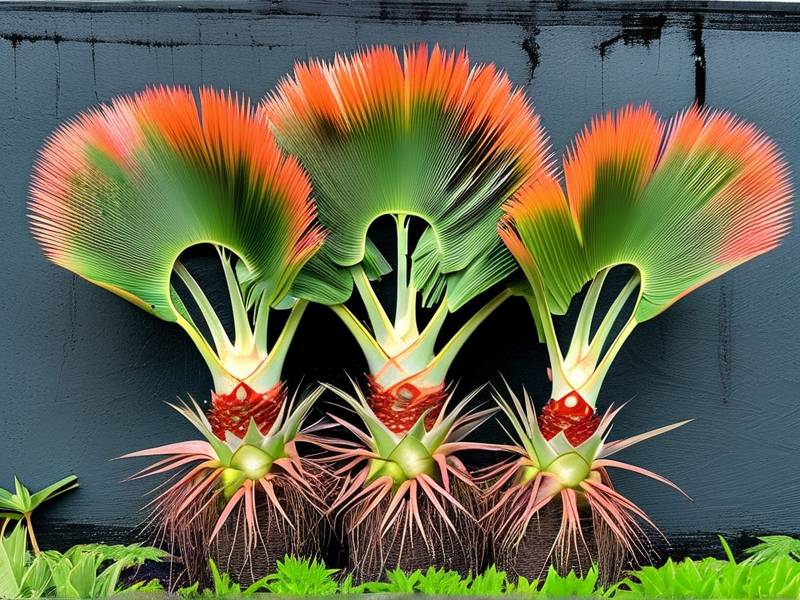
My palm ended up with maybe 30% of its original root system. That felt terrifying. It was also necessary.
Step Four: The Hydrogen Peroxide Drench
I mixed one part 3% hydrogen peroxide with three parts water. I dunked the remaining roots in that solution for about ten minutes. The fizzing you see is the peroxide killing anaerobic bacteria and fungal spores.
Then I rinsed the roots again with clean water. Some growers skip the rinse. I don't, because peroxide can damage root tissue if it stays on too long.
Step Five: Repot Into the Right Mix
I used a mix of orchid bark, perlite, and a small amount of coco coir. Roughly 50% bark, 30% perlite, 20% coir. This blend drains fast and holds just enough moisture.
I chose a pot only slightly bigger than the remaining root ball. That's key. An oversized pot is exactly what caused the problem in the first place.
I did not water after repotting. I waited three full days. This gives the cut roots time to callous over before they meet moisture again.
The Two-Week Recovery Log: What I Actually Saw
This is the part most articles skip, and it's honestly the most useful part if you're in the middle of a rescue right now.
Days 1 to 3. Nothing happened. The palm looked terrible. Two fronds went fully yellow. I almost panicked and watered it. I didn't.
Days 4 to 7. The yellowing stopped spreading. That was the first good sign. No new yellow fronds appeared. The existing ones stayed stable.
Days 8 to 10. I saw the first tiny sign of new growth — a pale green spear pushing up from the crown. I nearly cried. That spear is the signal that the root system is functioning again.
Days 11 to 14. The spear grew about half an inch. The remaining fronds perked up slightly. Not dramatically, but enough that I could tell the plant had turned the corner.
By week two, I resumed light watering — just enough to moisten the mix, never soaking it. I also moved the palm to a spot with bright, indirect light and good air circulation.
For comparison, the AHS recommends that recovering palms be kept slightly on the dry side during the first month after repotting. That advice matches exactly what I saw. Every time I was tempted to water more, the plant did better when I held back.
What I Do Differently Now
I stopped watering on a schedule. I check the soil with a wooden skewer instead. If it comes out damp at the bottom, I wait.
I use a moisture meter during the winter. Howea belmoreana uses far less water when light levels drop.
I never repot into a pot more than one inch larger than the current root ball.
I run a small fan near my palms for two hours a day. Air movement around the soil surface prevents the stagnant conditions that fungi love.
And I stopped feeling guilty about letting the soil dry out. This palm would rather be slightly thirsty than slightly drowned. Every single time.
Common Questions I Get From Other Palm Growers
Can a Howea belmoreana recover if the trunk is already soft?
Honestly, probably not. Once the rot reaches the trunk and the tissue turns mushy, the palm usually can't be saved. If only the roots are affected and the trunk is still firm, you have a real chance. Cut away everything rotten and follow the steps above.
How long before I know if the rescue worked?
Give it two to four weeks. New growth from the crown is your confirmation. If no new spear appears in a month and existing fronds keep declining, the rot likely went too far before you caught it.
Should I fertilize a palm recovering from root rot?
No. Not for at least six to eight weeks. Fertilizer salts stress damaged roots. Wait until you see steady new growth, then start with a half-strength palm fertilizer.
Final Thoughts From Someone Who Has Killed More Palms Than They'd Like to Admit
Rescuing a Howea belmoreana from advanced root rot is not gentle work. You have to cut aggressively, resist watering, and accept that the plant will look worse before it looks better. But it can be done.
The single biggest shift in my own growing is this: I stopped treating water as care. For this palm, water is the enemy until the roots are healthy again.
If you're staring at a drooping, yellowing Howea belmoreana right now, pull it out of the pot today. Look at the roots. Trust what you see, not what you hope. Then cut, drench, repot, and wait. Two weeks from now, you might be looking at a tiny green spear — and that spear is worth every uncomfortable step it took to get there.