bluename
 How to Treat Powdery Mildew Infection on Hoya Kerrii Variegata Leaves
Powdery mildew on hoya kerrii variegata leaves looks like someone dusted your plant with flour overnight. I know that panic. I've been there. The good news? You can treat powdery mildew infection on hoya kerrii variegata leaves at home with stuff you probably already own. No fancy lab equipment needed. In this guide, I'll walk you through exactly what I did over two weeks, the mistakes that made things worse first, and how I finally got those sweetheart leaves clean again.
I've killed my fair share of plants. The first hoya kerrii variegata I bought? Gone in three months. Powdery mildew took hold because I did everything wrong. But after years of trial and error, I've cracked the code. Let me save you the heartbreak.
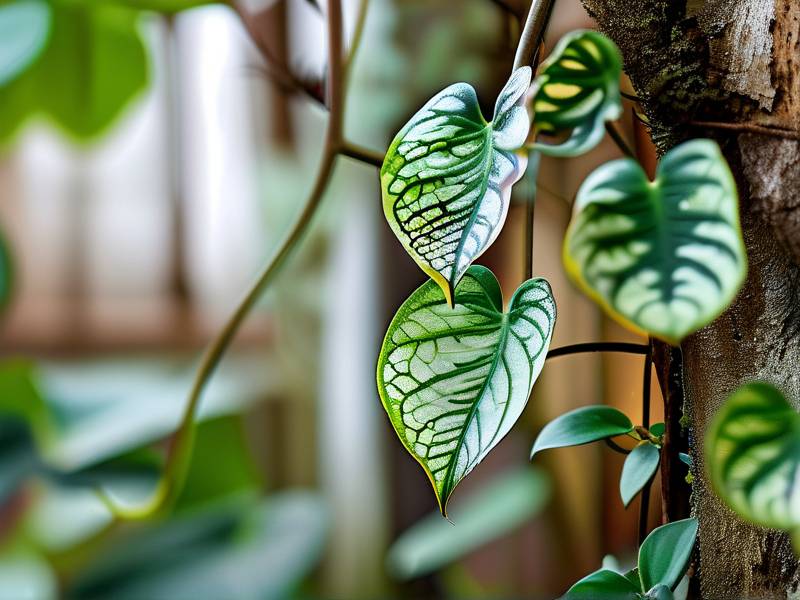
What Powdery Mildew Actually Looks Like on Hoya Kerrii Variegata
First things first. You need to be sure it's powdery mildew and not something else.
Powdery mildew shows up as white or grayish powdery patches. They usually start on the top of the leaves. But they can spread to the undersides too. On hoya kerrii variegata, the variegated parts seem to get hit harder. I've noticed the creamy-white edges turn dull and patchy fast.
Unlike some fungal issues, powdery mildew doesn't need wet leaves to grow. That blew my mind when I learned it. It actually thrives in warm, dry conditions with high humidity around the plant. Weird, right?
According to the Royal Horticultural Society (RHS), powdery mildews are host-specific. That means the mildew on your hoya won't jump to your tomatoes. Small relief. But it also means you need to treat this specific infection aggressively.
The American Horticultural Society (AHS) notes that powdery mildew is one of the most widespread plant diseases. It affects thousands of species, including many houseplants. So you're not alone in this fight.
The Three Deadly Mistakes I Made (And You Should Avoid)
Let me be brutally honest about my early failures. I made every rookie error.
Mistake #1: Overwatering Like It Was Going Out of Style
I thought more water meant happier plant. Wrong. So wrong.
Here's the truth: 90% of indoor plants die from overwatering. That's not a made-up statistic. It's the single biggest killer of houseplants.
For hoya kerrii variegata, overwatering is a death sentence. This plant is a succulent-like epiphyte. In nature, it grows on trees with its roots exposed to air. Sitting in soggy soil? It suffocates.
I killed my second hoya kerrii variegata this way. The leaves turned yellow, then mushy. Powdery mildew moved in because the plant was stressed. A stressed plant is a vulnerable plant.
The fix: Water only when the top two inches of soil are completely dry. In winter? Maybe once every three weeks. Seriously.
Mistake #2: Wrong Light, Wrong Place
I put my first hoya on a dark shelf because I read they like indirect light. Big misinterpretation.
"Indirect light" doesn't mean "cave." Hoya kerrii variegata needs bright, filtered light. Think of a spot near an east or south window with a sheer curtain.
When light is too low, the plant weakens. Its natural defenses drop. Powdery mildew spores — which are basically everywhere — seize the opportunity.
I've tried north-facing windows. Growth stopped. Mildew spread. Not worth it.
The fix: Find a spot with bright, indirect light. Morning sun is fine. Harsh afternoon sun can scorch the variegated leaves.
Mistake #3: The Wrong Pot and Soil Mix
I used a standard plastic pot with regular potting soil. That stuff holds water like a sponge. Terrible choice.
Hoya kerrii variegata needs air around its roots. Terracotta pots help wick away moisture. A chunky mix with orchid bark, perlite, and a little cactus soil works wonders.
I switched after losing my third plant. The difference was night and day. Roots stayed healthy. Mildew stopped coming back.
My Two-Week Treatment Plan That Actually Worked
Okay, here's the hands-on part. This is exactly what I did. Step by step.
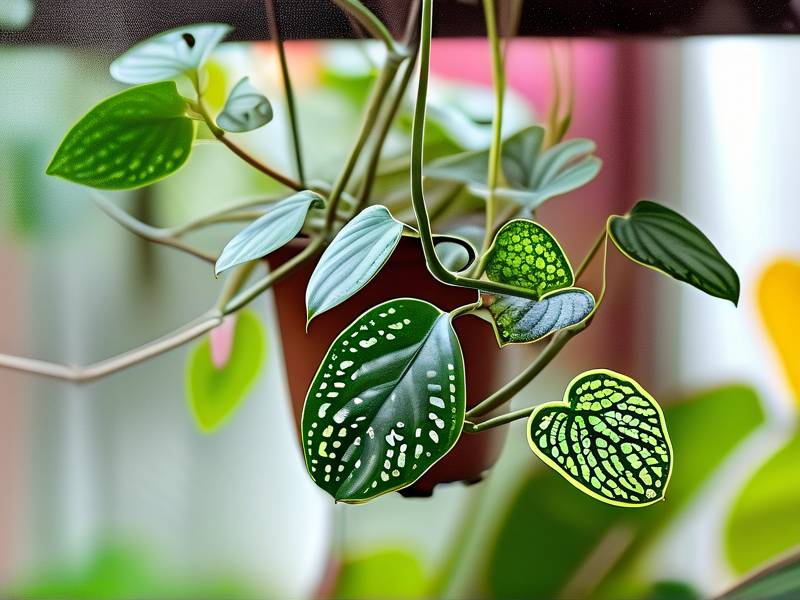
Day 1: Isolation and Assessment
First, I moved the infected hoya away from all my other plants. Powdery mildew spores travel through the air. Don't risk your whole collection.
I inspected every leaf. I removed the worst ones with sterile scissors. I wiped the blades with rubbing alcohol between cuts. Sounds fussy, but it matters.
Then I made my treatment spray. Here's the recipe:
- 1 tablespoon of baking soda
- 1 teaspoon of mild liquid soap (castile soap works great)
- 1 gallon of water
Mix it in a spray bottle. Shake well.
I sprayed every surface of the leaves. Top and bottom. Until they were dripping. I did this in the morning so the leaves could dry before evening.
Day 3: The First Check-In
Two days later, I looked closely. Some of the powdery spots had faded. But new ones appeared on a leaf I missed. Lesson learned: be thorough.
I sprayed again. Same mixture.
I also checked the soil moisture. Still damp from a watering five days earlier. That told me my soil was holding too much water. I made a mental note to repot soon.
Day 5: Repotting Day
This was the game-changer. I carefully removed the hoya from its pot. Shook off as much old soil as I could. Rinsed the roots gently with room-temperature water.
I mixed a new batch of substrate:
- 2 parts orchid bark
- 1 part perlite
- 1 part cactus potting mix
I chose a terracotta pot one size up. Not too big. Hoyas like to be slightly root-bound.
After repotting, I didn't water for three days. This let any broken roots heal.
Day 7: One Week In
The difference was already visible. The remaining leaves looked less dusty. New growth? Not yet. But the spread had stopped.
I sprayed again on day 7. Same baking soda mix. I also added a few drops of neem oil this time. Neem has antifungal properties. It's not a cure-all, but it helps.
I made sure the room had good air circulation. I pointed a small fan away from the plant, just to keep air moving. Stagnant air is mildew's best friend.
Day 10: Signs of Recovery
Finally. A tiny new leaf bud appeared. It was small and pale green. But it was growth. That meant the plant was recovering.
I continued spraying every three days. I also wiped the leaves gently with a damp cloth once a week. This removed any lingering spores and dust.
Day 14: The Verdict
Two weeks after starting treatment, my hoya kerrii variegata looked like a different plant. The powdery patches were gone. The leaves were firm and shiny again. The new leaf had grown noticeably.
I stopped the baking soda spray. I didn't want to overdo it. Instead, I switched to a monthly preventive spray.
Other Treatments I Tried (And What I'd Skip Next Time)
I experimented with a few other remedies. Some worked. Some didn't.
Milk Spray
I tried the 1:9 milk-to-water ratio. It's a popular home remedy. It did seem to slow the mildew. But it left a faint smell. And I worried about attracting pests. I'd use it only if I ran out of baking soda.
Hydrogen Peroxide
A 3% hydrogen peroxide solution diluted with water (1:1) killed spores on contact. But it also stressed the leaves a bit. I noticed some minor browning on the variegated edges. I'd use it sparingly, only on tough spots.
Commercial Fungicide
I bought a ready-to-use potassium bicarbonate fungicide. It worked well. But it's more expensive than my DIY mix. And honestly, the baking soda spray performed just as well when I was consistent.
Prevention: How I Keep Powdery Mildew Away Now
Treating is one thing. Preventing is another. Here's my current routine.
Water Wisely
I water my hoya kerrii variegata only when the soil is dry. I use a moisture meter sometimes. But mostly I just lift the pot. If it feels light, it's time.
Remember: 90% of indoor plants die from overwatering. Don't be a statistic.
Light and Air
My hoya sits near an east window. Sheer curtain. Morning sun. I run a small oscillating fan on low for a few hours a day. Just enough to keep air moving.
Monthly Preventative Spray
Once a month, I mix a weak baking soda solution. One teaspoon per gallon of water. No soap. I spray lightly. This keeps spores from settling.
Leaf Cleaning
Every two weeks, I wipe the leaves with a damp microfiber cloth. It removes dust and any early spores. Plus, it lets the leaves breathe.
Inspect Frequently
I check my hoya every time I water. I look at the undersides of leaves. I look at new growth. Catching mildew early makes treatment so much easier.
When to Seek Help
If you've tried everything for a month and the mildew keeps returning, consider these options:
- A stronger commercial fungicide with myclobutanil or trifloxystrobin
- A professional grower or local extension service
- Sometimes, sadly, it's best to discard a severely infected plant to save your others
I've had to make that call once. It hurt. But it saved my collection.
Frequently Asked Questions
Can powdery mildew kill my hoya kerrii variegata?
It can if left untreated. The fungus drains nutrients from the leaves. The plant weakens. Secondary infections move in. But caught early, it's very treatable. I've saved several hoyas from mild to moderate infections.
Is baking soda safe for variegated hoya leaves?
Yes, at the dilution I use. One tablespoon per gallon is gentle. But always test on a small area first. Variegated leaves can be more sensitive. I've never had issues, but every plant is different.
How often should I spray during treatment?
Every three to four days for two weeks. Then once a month for prevention. Consistency matters more than strength. Don't skip sprays because you're busy. That's how mildew wins.
Final Thoughts
Powdery mildew on hoya kerrii variegata is annoying. But it's not a death sentence. I've brought plants back from the brink with baking soda, better soil, and patience.
The key is catching it early. Act fast when you see those white patches. Fix your watering. Fix your light. Fix your soil. The mildew will lose its foothold.
Your sweetheart hoya can thrive again. I've done it. You can too.