bluename
 The single-stem Pachira aquatica sits on my windowsill right now. Its leaves are glossy, deep green, and pointing upward. That wasn't always the case. If you're struggling with your single-stem Pachira aquatica, here's the short answer: water it only when the top two inches of soil are dry, put it in bright indirect light, and keep it in a pot with drainage holes. That's it. Everything else is details.
Let me be honest with you. I killed three money trees before I figured this out. The fourth one survived. I want you to skip the pain I went through.
The Three Fatal Mistakes That Kill Single-Stem Pachira Aquatica Plants
Mistake 1: Overwatering
90% of indoor plants die from overwatering. I believe that number. I was the poster child for it.
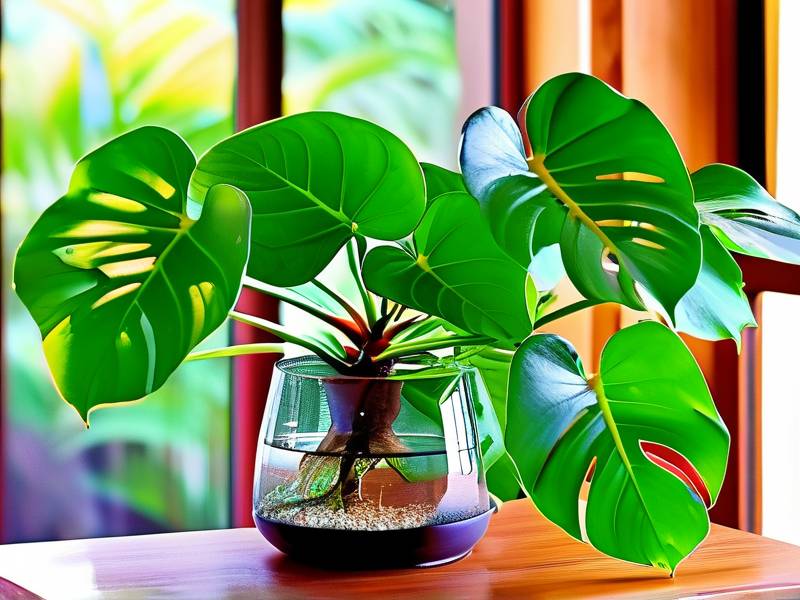
My first single-stem money tree got watered every three days. I figured more water meant more growth. What actually happened was the roots rotted. Two weeks in, the leaves turned yellow. Then brown. Then they fell off constantly.
I checked the soil after the plant died. It was soggy, dark, and smelled sour. The roots were brown mush. That was the moment I learned to let the soil dry out.
The fix is easy. Stick your finger two inches into the soil. Water only if it feels dry at that depth. I don't water on a schedule anymore. The plant tells me when it's thirsty.
Mistake 2: Wrong Light
My second plant got the opposite problem. I placed it in full, blazing direct sunlight. I thought the phrase "warm sunny single stem shiny leaves" meant maximum sun exposure. I was wrong.
The leaves got white scorch patches. They looked burnt and crispy. The plant was literally sunburned.
Then I tried putting it in a dark corner. The leaves went dull and the plant stretched toward the light. It became this weird, leggy, ugly shape.
Bright indirect light is the target. Place it near an east-facing window or a few feet away from a south-facing window. It gets some gentle morning sun but not the harsh afternoon blast. That's the sweet spot.
Mistake 3: Wrong Pot
My third plant died because of the pot. I used a beautiful ceramic pot with zero drainage holes. I even added a decorative layer of pebbles at the bottom. I told myself that would be fine. It wasn't.
Water pooled at the bottom. The roots sat in it. Within weeks, root rot took over.
Now I only use pots with drainage holes. My plants live in basic plastic nursery pots. Those sit inside decorative outer pots. When I water, excess runs out. I dump the saucer after a minute.
This single change made the biggest difference in my single-stem pachira care routine.
My 2-Week Care Plan That Saved My Plant
Let me walk you through exactly what I did. This was the two-week stretch that turned my struggling plant around.
Day 1 Through 3: Dry-Out and Repot
The soil was wet when I started. I took the plant out of the decorative pot. The nursery pot inside was waterlogged. I let it sit on my counter, bare-rooted, for three hours.
Then I repotted it into fresh mix. I used two parts standard potting soil and one part perlite. I added a handful of orchid bark for extra airflow. The roots appreciated it.
I placed the plant next to my east-facing window. It gets direct morning sun for a few hours. Then bright shade for the rest of the day.
I did not water for the first three days. The soil was already moist from before. The plant needed time to breathe, not drink.
Day 4 Through 7: First Signs of Recovery
By day four, the drooping leaves had firmed up. Not dramatically, but I could feel the difference when touching the leaves. They felt less papery.
On day five, I noticed the stem felt more solid. Before this, it had a slightly soft spot near the base. That scared me. A soft stem near the base usually means rot. But after drying out, that softness went away.
I didn't water on day six. The soil still had a little moisture. I waited.
Day 8 Through 10: The First Real Watering
On day eight, the top two inches were completely dry. Time to water. I poured slowly until water came out the bottom. Then I emptied the saucer after two minutes.
Within a few hours, the leaves looked perkier. I know that sounds like I'm imagining it. But when a plant is properly hydrated after being dry, you can see it in the leaf angle. They lift slightly.
Day 11 Through 14: New Growth
On day eleven, I spotted a tiny new leaf at the top. It was small and light green. That was the moment I knew the plant was safe.
By day fourteen, that leaf had grown to full size. It turned the same glossy deep green as the others. That "warm sunny single stem shiny leaves" look I'd wanted all along. The plant was officially back.
The key was patience. I didn't over-correct. I let the plant dry, gave it light, and let it work.
Watering a Single-Stem Pachira Aquatica: The Right Way
Let me talk more about watering, since it caused my first three failures.
I water roughly every seven to ten days. But I always check first. Temperature, humidity, and season change the schedule.
In summer, when my home is warmer, I water more often. In winter, I might go two weeks between waterings. The plant grows less in cool months.
When I water, I do a full soak. I use lukewarm water. Cold water can shock tropical roots. I pour it slowly across the whole soil surface. I stop when it drains from the bottom.
Then I empty the saucer. Always. This is non-negotiable. The pot should have drainage holes. The saucer should never hold standing water.
If you use tap water, let it sit out for a day first. Some tap water has chlorine or fluoride that can accumulate over time. I store water in a spare watering can overnight. Easy and effective.
Light Requirements for Glossy Leaves
The single-stem Pachira aquatica is a tropical plant. In the wild, it grows near rivers in Central and South America. It gets dappled light through tree canopies. Replicating that is the goal.
My east-facing window gives it direct sun in the morning. That's gentle and helpful. From noon onward, it sits in bright shade. The combination produces those shiny leaves.
If you only have a south-facing window, don't put the plant right in front of it. The afternoon sun through glass can be too intense. Keep the plant three to five feet back. Use a sheer curtain if needed.
If you have a north-facing window, the plant will survive. Growth will be slower. Leaves might become less shiny. I used to have a plant in a north window. It lived but looked tired. A small grow light fixed it.
Turn the pot a quarter turn each week. I do this on Sundays while I check the soil. An even growth pattern keeps the stem straight.
Soil and Potting Mix for Single-Stem Pachira Aquatica
You don't need fancy soil. But you do need loose, fast-draining soil. Standard potting mix alone is too dense.
My mix recipe:
- 2 parts all-purpose potting soil
- 1 part perlite
- A handful of orchid bark or coarse sand
That's it. The perlite creates air pockets. The bark prevents clumping. Roots get oxygen and water flows through quickly.
When repotting, choose a pot one size larger than the current one. I went from a 6-inch pot to an 8-inch pot last year. The roots had filled the old pot. I saw them circling through the drainage hole.
One size up only. A bigger jump holds too much soil. Wet soil lingers. You already know what happens next.
Temperature and Humidity Needs
This plant likes consistency. I keep my apartment around 70 to 78°F. It's comfortable for me and for the plant.
Cold drafts are the enemy. I keep the pachira away from exterior doors and air conditioning vents. A sudden temperature drop can trigger leaf drop. I learned this when I left my plant near a drafty window one winter. It dropped six leaves overnight.
Humidity should be moderate. Average home humidity around 40 percent works. In dry heating seasons, I mist the leaves every few days. Not enough to soak them. Just a light spray.
If you want to go simple, set a tray of pebbles with water under the plant pot. The evaporating water adds some humidity. Don't let the pot itself sit in that tray water though.
Keeping the Stem Strong and Upright
A single-stem pachira is like a small tree. It needs a straight, sturdy trunk. Otherwise it starts bending at odd angles.
I used a bamboo stake for the first six months. I tied the stem loosely with a soft fabric strip. The stem grew against the stake. Once it thickened and became woody, I removed the stake.
The stem will thicken naturally in bright light. If it grows thin and floppy, it's reaching for more light. Move the plant closer to a window.
I also rotate the plant regularly. The stem grows uniformly when the light hits all sides. This keeps it balanced.
Fertilizing: Less Is More
I fertilize once a month during spring and summer. I use a balanced liquid houseplant fertilizer at half strength. This supports leaf growth and stem development.
I don't fertilize in fall or winter. Many plant owners feed year-round, thinking it helps. In reality, it just builds up salts in the soil. That can burn roots.
I also skip fertilizing right after repotting. Fresh soil already has nutrients. Let the plant settle first.
One tip: if the leaves are pale yellow-green, a small dose of fertilizer can help. Nitrogen deficiency shows up as pale new growth. But check watering first. Pale leaves are still more commonly an overwatering sign.
Common Issues and Fixes
I want to cover the usual problems. You'll likely face some of these. Everyone does.
Yellow lower leaves. This is the classic overwatering symptom. The bottom leaves turn yellow, then drop. The soil stays wet too long. Remove the yellow leaves and let the soil dry completely.
Brown crispy tips. Underwatering or dry air. Increase watering frequency. Mist regularly. Check if the plant is too close to a heat source.
Drooping leaves. Could be either underwatering or overwatering. Feel the soil and judge. Wet soil with drooping leaves means root stress. Dry soil with drooping leaves means it's thirsty.
Falling green leaves. If healthy-looking leaves suddenly drop, it's stress. A recent move, a cold draft, or repotting can trigger it. Check recent changes and reverse them.
White speckles on leaves. That could be spider mites. Wipe the leaves with a damp cloth. Use insecticidal soap if they persist. I caught these early once and solved it in a week.
Soft, mushy stem near the soil line. That's advanced root rot. It may be too late. Try cutting above the mushy section and rooting the top in water. I saved a plant this way when I bought it already waterlogged.
What the Experts Say
The RHS advocates letting houseplants dry out between waterings. Their guidance on tropical plants emphasizes matching native conditions. Warmth, humidity, and good drainage are primary.
The American Horticultural Society also recommends appropriate pot sizing and avoiding excess water. I appreciate how both organizations focus on simple, practical care steps.
I read their materials when I was researching why my plants kept dying. The real lesson stuck with me: our instinct to pamper plants with water and attention often harms them.
What to Check Before You Buy
If you're shopping for a single-stem Pachira aquatica, look for these signs:
Leaves should be firm and glossy. Avoid plants with dull, wrinkled leaves. They might already be dehydrated or stressed.
Check the stem base. Gently squeeze it. A healthy stem feels solid. A soft base is a warning sign for rot.
Check the soil. Wet and swampy at the store? Walk away. The plant is already overwatered and may be past the point of no return.
Quarantine new plants. Keep them separate from your other plants for a week. I brought spider mites home once. Treating all my plants was awful.
Cleaning the Leaves
Dust collects on big leaves. When dust builds up, less light reaches the leaf surface. Photosynthesis drops. Leaves can lose their shine.
I wipe each leaf with a damp microfiber cloth every couple weeks. It takes two minutes. I hold the leaf from underneath while I wipe the top. This prevents torn leaves.
Plain water is enough. Some people use leaf shine sprays. I don't trust them. They can clog the leaf pores. Water works perfectly.
Signs Your Single-Stem Pachira Is Thriving
Wondering if you're doing it right? Look for these:
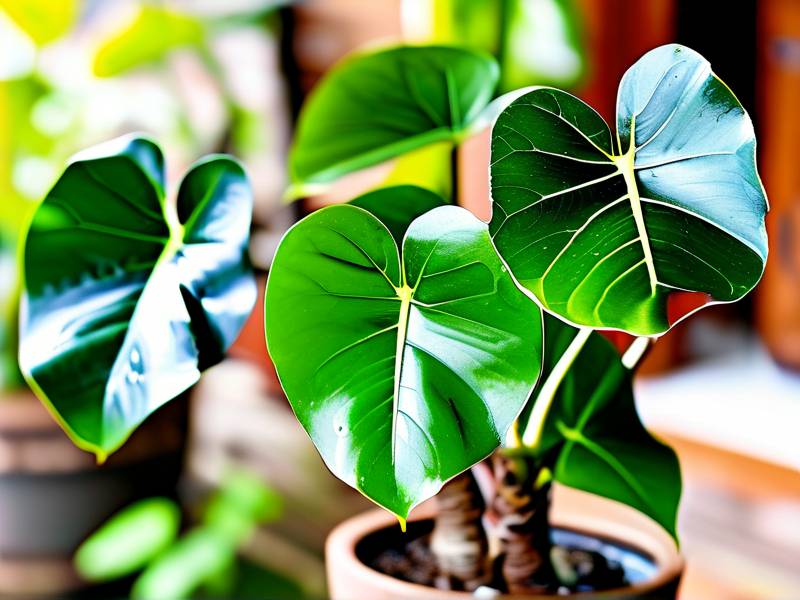
New leaves. A healthy pachira produces new leaves at the top in spring and summer.
Glossy surface. The leaves should have a noticeable waxy shine. Dull leaves mean it wants more light.
Firm stem. A sturdy, upright stem that grows slightly thicker over time.
Even green color. Uniform deep green means no major stress. Yellow or pale patches indicate issues.
If you see those signs, keep doing exactly what you're doing. Consistency works.
Final Thoughts
Honestly, I think people assume this plant is harder than it is. The name "money tree" makes it sound exotic. But really, single-stem Pachira aquatica care comes down to three things: don't overwater, give bright indirect light, use a pot that drains.
I killed three plants learning this. You don't have to. Start simple. Check the soil before watering. Keep it in a bright spot. Leave it alone.
The "warm sunny single stem shiny leaves" look you're after will come. Just let the plant adjust. Give it a few weeks. You'll see the difference.
FAQ
How do I know when my single-stem Pachira aquatica needs water?
Stick your finger two inches into the soil. If it feels dry at the tip, water thoroughly. If it feels cool or damp, wait. On average, that's every 7 to 10 days in normal conditions.
Can I prune a single-stem Pachira aquatica?
Yes. Use clean scissors to cut back leggy growth above a leaf node. The plant will branch near the cut. New growth comes from below the pruning point. Spring is the best time.
Why does my single-stem Pachira have brown spots on the leaves?
Brown spots can come from sunburn, pests, or a mineral buildup in the soil. Check the leaf undersides for tiny insects. Look at the spot pattern. Dry pale-brown patches usually mean sunburn. Wet-looking dark spots may mean a fungal issue from excess moisture.