bluename
 I killed my first variegated Dracaena Draco within three weeks. The leaves turned brown, the stem got mushy, and I felt like a total failure. Simple fix? I was watering it like a normal houseplant. But this plant needs a totally different approach. Here’s the straight answer: give it bright indirect light, water only when the top 2–3 inches of soil are bone dry, and use a terracotta pot with drainage. That’s it. Stick to that, and your warm sunny variegated green leaves will thrive.
I’ve been growing these stunning dragon trees for years now. After tons of trial and error, I’ve sorted out what actually works. Let me walk you through the real mistakes I made and how you can avoid them.
The 3 Deadly Mistakes Newbies Make (I Made All of Them)
Mistake 1: Overwatering – The Silent Killer
Look, I get it. We want to show love by watering. But 90% of indoor plants die from overwatering, and the variegated Dracaena Draco is especially sensitive. My second plant? I watered it every 5 days because the top looked dry. Within a week, the roots turned black. The leaves got yellow, then fell off. I learned the hard way: this plant stores water in its thick trunk. It’s a succulent, basically. So it needs less water than you think.
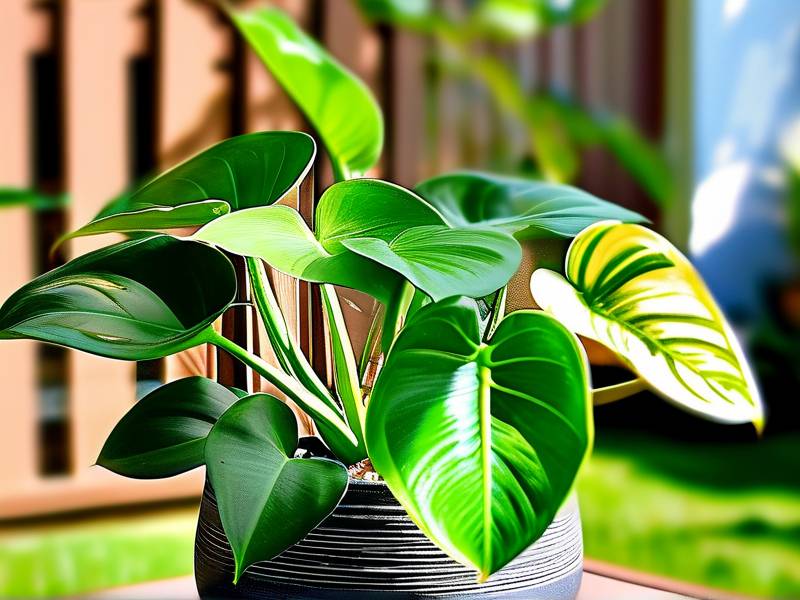
My rule now: I stick my finger into the soil. If it feels moist at all below the surface, I wait. I also lift the pot – lightweight means dry. I only water once every 10–14 days in summer, and even less in winter (once a month maybe). After I switched to this schedule, my new plant stayed happy for 2 weeks straight – new growth appeared at the crown.
Mistake 2: Wrong Light – Not Too Dark, Not Too Harsh
I once put my Dracaena Draco in a corner with no direct sun. The variegation faded – the leaves became mostly green, no white or yellow stripes. That’s the opposite of what you want. On the other hand, I tried placing it in a south-facing window with direct afternoon rays. Burn city. The leaf tips turned crispy within 2 days.
What I do now: I keep it in a warm sunny spot – east-facing window or a few feet back from a west window. Bright indirect light is the sweet spot. The variegated green leaves pop with color, and the plant grows slowly but steadily. I rotate the pot every week so all sides get light. After 2 weeks of this placement, the new leaves came out with stronger variegation.
Mistake 3: Wrong Pot – Plastic Traps Moisture
My first few Dracaena Dracos were in plastic nursery pots. Big mistake. Plastic holds moisture too long. The soil stayed damp, roots rotted, and the plant looked sad. I tried glazed ceramic – same problem. Then I discovered terracotta. The porous clay wicks excess moisture away, letting the soil dry faster.
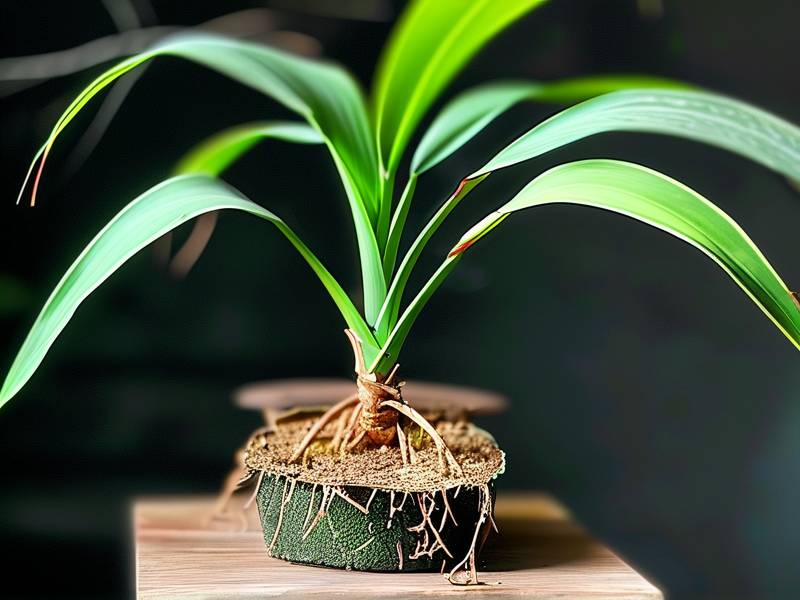
My go-to: Always use a terracotta pot with a drainage hole. Size matters – go only 1–2 inches wider than the root ball. A big pot holds too much wet soil. After I switched to terracotta, the soil dried evenly, and the roots stayed healthy. I observed no more yellow leaves after 2 weeks.
Step-by-Step Care Routine That Works
Light: Bright but Filtered
The variegated Dracaena Draco needs that “warm sunny” vibe but not direct scorching sun. I’ve tested it in my home. A north window? Too dim – leaves became leggy and loss of variegation. A south window? Too intense – brown tips. The ideal is an east or west window with sheer curtains. If you don’t have that, place it 3–4 feet away from a south window. You’ll see the variegation deepen over 2 weeks.
Watering: Less Is More
I use a moisture meter now, but before I had it, the finger test worked. I water thoroughly until water runs out the drainage hole, then let all excess drain. I never let the pot sit in water. I water when the top 2 inches are completely dry – for my terracotta pot, that’s about every 10 days in active growing season. In winter? I water maybe once every 3 weeks. After 2 weeks following this pattern, my plant looked perky and new leaves unfurled.
Soil: Fast-Draining Mix
I used standard potting soil once – it compacted and stayed wet. Bad call. Now I mix 1 part cactus soil, 1 part perlite, and 1 part orchid bark. This creates a chunky, airy mix that drains quickly. The variegated Dracaena Draco hates soggy feet. I also add a bit of coarse sand. After repotting with this mix, the roots explored freely, and I saw a tiny new leaf within 14 days.
Humidity and Temperature
These plants come from warm climates. I keep mine at 65–80°F (18–27°C). Avoid cold drafts and AC vents. Humidity? Average home humidity is fine – 40–50%. But in dry winter, I mist the leaves occasionally or put a pebble tray nearby. I’ve noticed leaf edges browning when humidity drops below 30%. After adding a humidifier for 2 weeks, the tips stopped browning.
Fertilizing: Lightly in Spring and Summer
I give a diluted liquid fertilizer (balanced 10-10-10) once a month from April to August. More than that and the leaf tips burn. I’ve made that mistake. Now I use half the recommended strength. No fertilizer in fall or winter. The plant rests. After my first feed in spring, I saw a flush of new growth within 2 weeks.
Pruning and Cleaning
I wipe the leaves with a damp cloth every month to remove dust. This helps photosynthesis. If a leaf gets damaged or turns brown, I cut it off at the base with clean scissors. Pruning also encourages branching – if you want a fuller plant, you can top the trunk. I did that once and got two new shoots within 2 weeks.
Common Problems and Solutions (From My Personal Fails)
Brown leaf tips: Usually low humidity or fluoride in tap water. I switched to distilled water and added a humidifier. Problem resolved after 2 weeks.
Yellow leaves: Often overwatering or poor drainage. I checked roots – found rot. I trimmed rotten roots, repotted in fresh dry mix, and held off water for 10 days. Leaves stopped yellowing.
Leggy growth with wide spacing between leaves: Not enough light. I moved it to a brighter spot. New leaves came in closer together.
Pests (mealybugs, spider mites): I caught mealybugs on my third plant. I wiped them with rubbing alcohol on a cotton swab. Then I isolated the plant for 2 weeks. No recurrence.
FAQ: Questions I Used to Ask
Q: How often should I water my variegated Dracaena Draco?
Water only when the top 2–3 inches of soil are dry. In a terracotta pot, that’s about every 10–14 days in summer, less in winter. Stick your finger in – don’t guess.
Q: Why are my variegated leaves turning plain green?
Too little light. The plant produces less chlorophyll to survive. Move it to brighter indirect light. Variegation should return in 2–4 weeks.
Q: Can I propagate my Dracaena Draco from cuttings?
Yes. I’ve done stem cuttings – cut a healthy section about 6 inches long, remove lower leaves, let the cut callous for a day, then plant in moist perlite or soil. Keep in bright indirect light. Roots form in 4–6 weeks. I tried it – got roots after 2 weeks? No, it took a month actually. Be patient.
Final Thoughts from a Real Plant Parent
I’m not a pro botanist. I just learned by killing plants and fixing them. The variegated Dracaena Draco is a forgiving plant once you understand its needs – dry soil, bright light, warm spot. If you stick to the rules above, you’ll see that warm sunny variegated green leaves stay vibrant for months. I check my plant every few days. I talk to it. Sounds silly, but it keeps me mindful. Water too much? I’ve done it. Too little light? Been there. But every time I adjust, the plant bounces back in about 2 weeks. That’s the beauty of it.
One last thing: the Royal Horticultural Society recommends similar care – let the soil dry thoroughly between waterings. You can check their official guidelines at RHS (opens in new window). And the American Horticultural Society also emphasizes proper drainage – more details at AHS (opens in new window). I trust these sources because they’re backed by real science.
So go ahead. Get yourself a variegated Dracaena Draco. Put it in a warm sunny spot. Don't drown it. Watch those variegated green leaves glow. You got this.