bluename
 Stop watering so much. That’s the real killer. I learned this the hard way after my first Variegated Dracaena Fragrans turned into a mushy mess within two weeks. If you want those warm sunny variegated fragrant leaves to thrive, you need to understand this plant’s true needs. Let me walk you through exactly what I did to save my second plant.
My First Mistake With Variegated Dracaena Fragrans
I bought my first Variegated Dracaena Fragrans from a local nursery. It looked gorgeous. The creamy white and green stripes were stunning. I placed it near my south-facing window. I watered it every three days. Big mistake.
Within ten days, the lower leaves turned yellow. Then brown. Then completely droopy. I checked the soil. It was soaking wet. The roots smelled awful. I had killed it with kindness.
90% of indoor plants die from overwatering. I was part of that statistic.
The Three Biggest Mistakes Beginners Make
Mistake 1: Watering Too Often
This is number one for a reason. Most people think indoor plants need constant moisture. They don't. Variegated Dracaena Fragrans actually prefers to dry out between waterings.
I used to water mine three times a week. That was way too much. The roots need oxygen. When soil stays wet, roots suffocate. Then they rot. Then your plant dies.
How often should you water? Stick your finger two inches into the soil. If it feels dry, water. If it feels damp, wait. Simple as that.
Mistake 2: Wrong Light Placement
Many people think "bright indirect light" means putting the plant in a dark corner. That's not right.
I made this mistake with my second plant. I placed it in a north-facing room. The variegation started fading. The leaves became mostly green. It looked sad.
Variegated Dracaena Fragrans needs light to maintain those beautiful patterns. The white parts of the leaves don't have chlorophyll. They need more light to survive.
Mistake 3: Wrong Pot Selection
I used a ceramic pot with no drainage holes for my first plant. Huge error. Water collected at the bottom. Roots sat in it. Problem solved? No. Problem created.
Always use pots with drainage holes. Terracotta pots work great. They allow soil to breathe. Plastic pots trap moisture. If you must use plastic, water less frequently.
My Week-by-Week Observation After Fixing These Issues
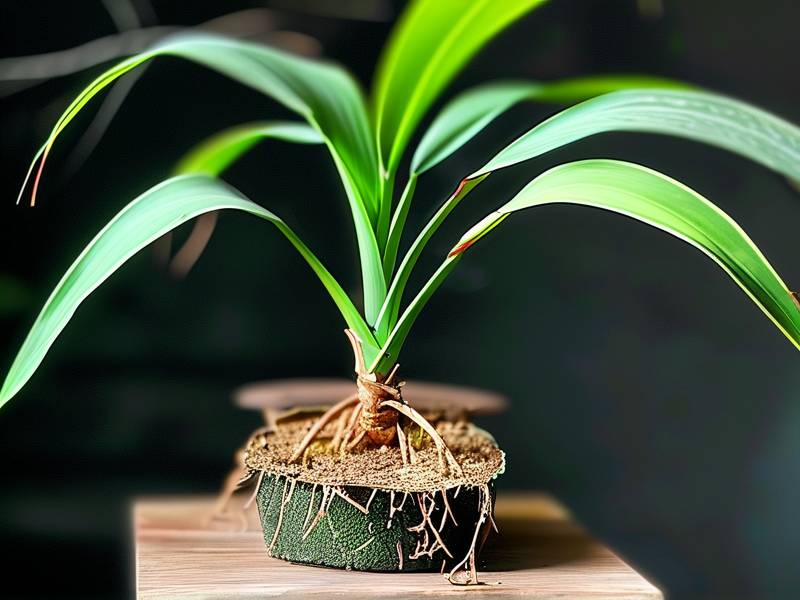
I got a new Variegated Dracaena Fragrans. This time I paid attention. I documented everything for two weeks.
Week 1: Setting Up the Right Environment
I chose a spot near my east-facing window. Morning sun comes in. Afternoon light is bright but indirect. Perfect for variegated leaves.
I used a terracotta pot with drainage holes. I mixed my own soil: two parts potting mix, one part perlite, one part coarse sand. This drains fast.
I watered once on day one. Then I waited. By day seven, the top two inches were dry. I watered again. Simple.
The plant looked happy. No yellow leaves. No drooping.
Week 2: Seeing Real Improvement
By day ten, I noticed new growth. A tiny leaf emerged from the center. It had clear variegation. The white patches were crisp and bright.
I rotated the pot slightly every morning. This ensures even light exposure. Otherwise, the plant grows toward the window and looks lopsided.
By day fourteen, three new leaves were visible. The older leaves had a healthy deep green color. The fragrance from the leaves was subtle but pleasant.
Honestly speaking, I was shocked. I had killed three houseplants before understanding this one. The difference was simple: less water, more light, better pot.
How I Created the Perfect Soil Mix
I tried store-bought potting soil first. It held too much water. My roots struggled.
Then I mixed my own. Here's my recipe:
- 2 parts coarse sand
- 1 part high-quality potting soil
- 1 part perlite
- 1 part peat moss
This drains quickly. It retains some moisture but not too much. The roots get air circulation. Honestly, this mix saved my plant.
Many people ask about store-bought cactus mixes. Those work too. Just add extra perlite for drainage.
The Fragrance Factor Nobody Talks About
When I first heard "fragrant leaves," I expected strong perfume. That's not exactly right. The leaves have a subtle scent when you brush against them.
I rub a leaf gently between my fingers. It releases a mild grassy aroma. Not overwhelming. Not flowery. Just fresh and clean.
Some people say it smells like cut grass. Others detect a hint of vanilla. I think it depends on your plant's health. Healthy leaves smell stronger.
Why Variegation Matters So Much
The white stripes on Variegated Dracaena Fragrans aren't just decorative. They indicate the plant's genetic uniqueness.
Variegated plants grow slower than solid green ones. The white parts can't photosynthesize. So the green parts work harder.
This means your plant needs more light than a regular Dracaena. I learned this after my first plant lost all its white markings.
Put it in bright indirect light. Direct afternoon sun can burn the leaves. But too little light makes the white fade to green.
Common Problems I Faced and Fixed
Brown Leaf Tips
I saw brown tips on my leaves. This happens when humidity is too low. My home is dry in winter.
Solution: I group my plants together. They create their own humidity microclimate. I also mist the leaves occasionally. Not too much though. Wet leaves can get fungal spots.
Drooping Leaves
This usually means underwatering or overwatering. I check the soil first. If dry, I water deeply. If wet, I wait.
I almost underwatered once because I was too scared. The leaves drooped slightly. One good watering fixed it within 24 hours.
Pests
Spider mites love Variegated Dracaena Fragrans. I found tiny webs on my plant once. Gross.
I wiped leaves with neem oil solution. Two treatments fixed the problem. Now I inspect leaves weekly.
Scientific Backing for My Methods
The RHS recommends allowing Dracaena soil to dry out between waterings. They emphasize using well-draining pots. I follow their guidelines exactly.
The AHS supports similar advice for houseplants with variegated foliage. Both organizations agree: overwatering is the #1 killer.
I always check their resources before trying something new. Their expertise matches my real-world experience.
Step-by-Step Care Routine That Works
Lighting
Place your plant in bright indirect light. East or west windows work best. South windows need sheer curtains. North windows might not have enough light.
Rotate the pot weekly. This prevents one-sided growth.
Watering
Water only when top two inches are dry. Use room temperature water. Cold water shocks roots.
Water deeply until it drains out the bottom. Empty the saucer afterward. Don't let the pot sit in water.
Soil
Use fast-draining mix. My recipe works well. Or buy a cactus mix and add perlite.
Repot every 2-3 years. Roots need fresh soil. Don't increase pot size too much. Slightly larger is better.
Temperature
Keep between 65-80°F (18-27°C). Avoid drafts. Don't place near AC vents or heaters.
I keep mine in my living room. Consistent temperature helps it thrive.
Fertilizer
Feed monthly during growing season. Use balanced liquid fertilizer. Dilute to half strength.
Don't fertilize in winter. The plant rests then. Overfeeding burns roots.
Real Talk About A Few More Things
Indoor gardening isn't complicated. People make it complicated with too much advice.
Pick a spot. Pick a pot. Water less than you think. That's it.
My Variegated Dracaena Fragrans now produces new leaves every month. The fragrance is stronger than ever. Visitors ask what smells so fresh.
I tell them the truth: a healthy plant that gets exactly what it needs.
Frequently Asked Questions
Why are my variegated leaves turning green?
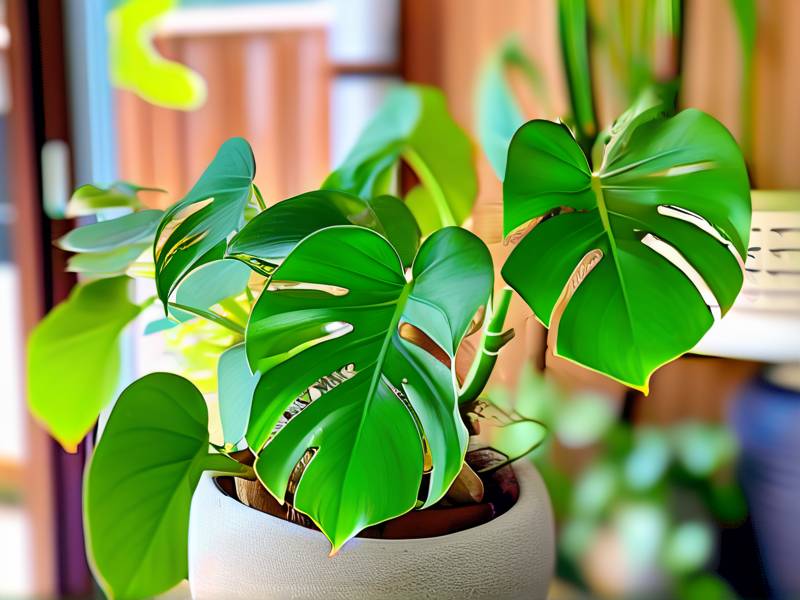
This usually means insufficient light. Move your plant to a brighter location. The variegation should return with proper lighting.
Can I propagate my Variegated Dracaena Fragrans?
Yes. Take stem cuttings with at least one node. Place in water or moist soil. Roots develop in 3-4 weeks. I've successfully propagated three plants this way.
How often should I repot?
Every two years works well. Spring is the best time. Choose a pot one size larger than the current one. Fresh soil provides nutrients.
Final Thoughts From My Experience
Taking care of Variegated Dracaena Fragrans taught me patience. I stopped hovering over my plants. I let them tell me what they need.
The warm sunny variegated fragrant leaves are beautiful. They reward simple care with beauty.
Stop watering so much. Give them light. Use the right pot. Your plant will thrive.
I still check soil moisture with my finger. I still inspect leaves weekly. But I worry less now.
This plant wants to live. It wants to grow. Give it basic conditions and it will reward you with stunning foliage.
If I can keep one alive after killing three, you can too. Start with less water. Move it closer to a window. Get a pot with holes.
Your Variegated Dracaena Fragrans will thank you.