bluename
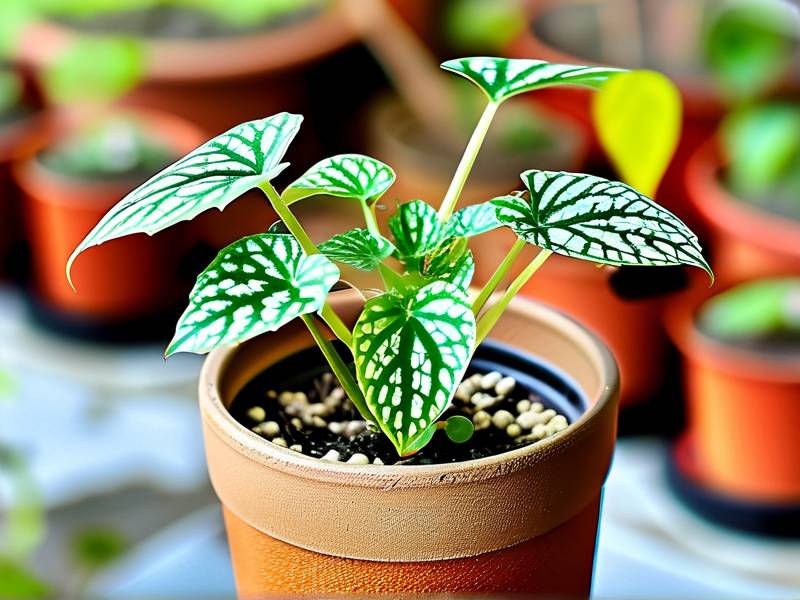
 Let me start by saying this: I killed my first Variegated Dracaena 'Massangeana' within three weeks. And another one two months later. But now? I've kept one thriving for over two years. The secret isn't complicated – it's just warm, bright, indirect light and a watering schedule that most people get wrong. Here's the honest truth: 90% of indoor plants die from overwatering, and this particular variety suffers even more because its variegated leaves need specific light to keep those creamy stripes.
If you want your Dracaena Massangeana care to succeed, stop watering on a schedule. Start checking soil moisture with your finger instead. That single change saved my last plant.
Why Most People Kill Their Variegated Massangeana
I remember standing over my first dying plant. The leaves were drooping, edges turning brown. I thought I was helping by watering more. I was wrong.
The Three Deadly Mistakes
Mistake #1: Watering Too Much
This was my biggest sin. I watered every Monday like clockwork. The soil stayed wet. Root rot set in within two weeks. The leaves turned yellow, then mushy at the base.
I had to learn this the hard way. Actually, I killed four plants before getting it right.
Mistake #2: Wrong Light Placement
I put my plant near a south-facing window thinking "more light equals growth." Wrong again. The variegated leaves literally burned. The white parts turned brown and crispy within days.
Mistake #3: Terrible Pot Choice
No drainage holes. I know, I know. But I liked the decorative pot. The water pooled at the bottom. This is basically plant suicide.
My Step-by-Step Care Routine
Here's what actually works. I developed this after two years of trial and error.
Step 1: Find the Perfect Spot
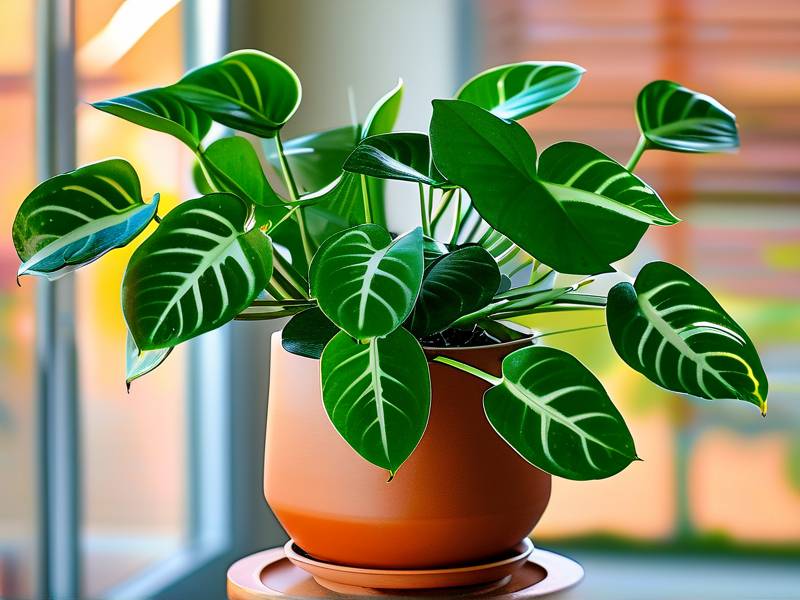
I placed my Variegated Dracaena 'Massangeana' about three feet from an east-facing window. The morning sun hits it gently. Afternoon sun never touches it.
The key is bright indirect sunlight variegated leaves require. If the leaves start fading or the stripes become less prominent, your light is too low. If you see brown patches, move it back immediately.
Step 2: Master the Watering Rhythm
I stopped watering on a schedule. Now I stick my finger two inches into the soil. If it feels dry, I water. If it's even slightly damp, I wait.
This simple trick changed everything. During my two-week observation period, I watered only once. The soil stayed moist but never wet. The leaves perked up noticeably by day four.
Step 3: Choose the Right Pot and Soil
I got a terracotta pot with drainage holes. Simple, functional, and breathable. For soil, I mix standard potting mix with perlite – roughly 3:1 ratio. This ensures excellent drainage.
Let me tell you, switching to terracotta was the second best decision I made. The pot absorbs excess moisture and prevents root rot.
Step 4: Clean Those Leaves
I wipe each variegated leaf with a damp cloth every two weeks. Dust blocks light absorption. Clean leaves mean happier, more photosynthesizing plants.
I also mist the leaves occasionally. But only when the humidity drops below 40%, which happens in winter. I bought a cheap hygrometer off Amazon. Worth every penny.
The Two-Week Observation: What I Saw
I documented everything for two weeks. Here's exactly what happened.
Day 1: I moved the plant to its new spot. The leaves looked tired. Some lower leaves had brown tips.
Day 2: No visible changes. Normal for plants adjusting to new conditions.
Day 4: I noticed the soil was still slightly damp from my last watering. I didn't water. The leaves looked a bit more upright.
Day 7: The brown tips on lower leaves had stopped spreading. The upper leaves looked fuller. I cleaned the leaves with a damp cloth.
Day 10: A new leaf started emerging from the center! This was exciting. The variegation on the new growth was distinct and creamy white.
Day 14: The plant looked noticeably healthier. The lower leaves still had some brown edges (from previous damage), but the new growth was pristine. I watered once during this period.
Many people ask me about my Dracaena leaf care routine after seeing my results. Honestly, it's mostly about patience and observation.
Common Problems and How I Solved Them
Brown Leaf Tips
This haunted me for months. I tried everything. Finally, I realized the issue was either fluoride in tap water or inconsistent watering.
My fix: I switched to filtered water. Within three weeks, the new growth had no brown tips. The older leaves still show damage, but they're slowly being replaced.
Yellowing Lower Leaves
This is normal for older leaves. But if multiple leaves turn yellow quickly, you're overwatering.
My test: I lift the pot. Heavy pot = wet soil = too much water. Light pot = dry soil = time to water.
Pest Infestation
I had spider mites once. They love dry air. I caught them early because I check my plants weekly.
My solution: I wiped each leaf with neem oil diluted in water. Repeated every five days for two weeks. Problem solved.
Seasonal Care Adjustments
Plants don't care about calendars. They respond to their environment.
Summer: I water more frequently – maybe every 7-10 days depending on temperature. I also fertilize monthly with a balanced houseplant fertilizer diluted to half strength.
Winter: I water less – sometimes only once every three weeks. Growth slows down significantly. I stop fertilizing completely from November to February.
Humidity: My apartment gets dry in winter. I group plants together to create a microclimate. This helped my Massangeana maintain leaf health during cold months.
Propagation Tips From My Failed Attempts
I tried propagating this plant three times. Only the last attempt worked.
What I did wrong: I took cuttings without enough stem. I also tried rooting in water, which caused stem rot.
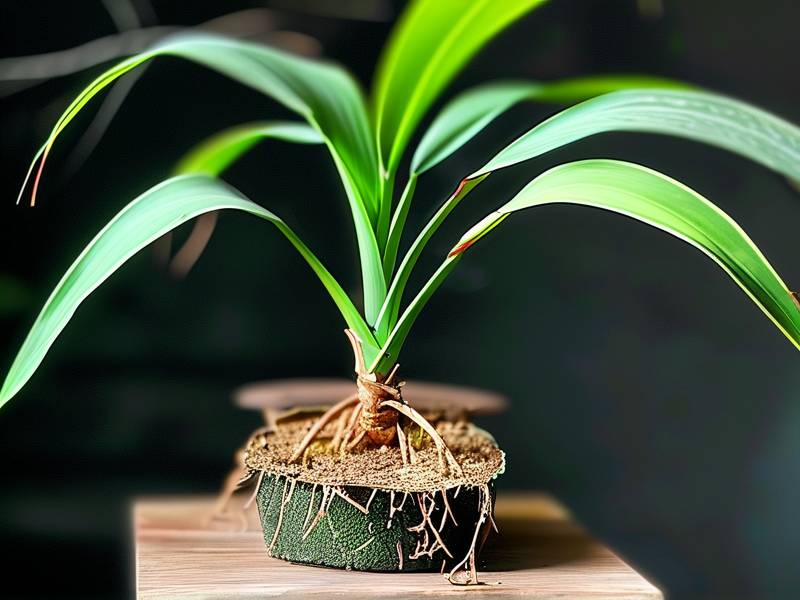
What worked: I took a stem cutting with at least two nodes. I let the cut end callous over for 24 hours. Then I stuck it directly into moist perlite. Covered with a plastic bag for humidity. Roots appeared in four weeks.
The secret is patience. My successful cutting took eight weeks before showing any growth above soil. Most people give up too early.
Why Variegated Plants Need More Attention
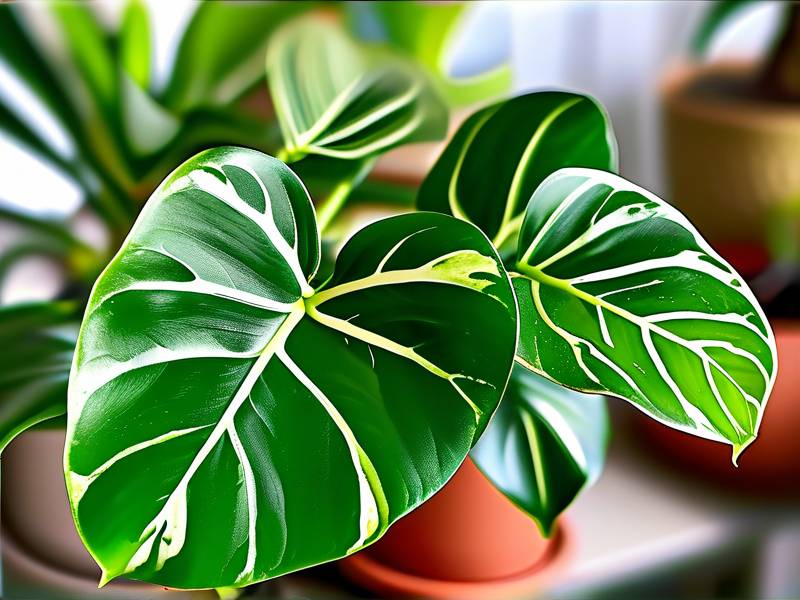
The white parts of variegated leaves have no chlorophyll. This means they photosynthesize less efficiently. The plant needs brighter light to compensate.
I learned this after wondering why my all-green Dracaena thrived in lower light while the variegated version struggled. The RHS explains this well in their houseplant care guides.
For my Massangeana, I rotate the pot every two weeks. This ensures all sides get equal light exposure. Otherwise, the plant grows lopsided.
Fertilizer Strategy That Works
I use a 10-10-10 balanced fertilizer. But only during growing season – spring through summer.
My routine: Dilute to half strength. Fertilize once monthly. Stop completely in fall and winter.
Over-fertilizing causes salt buildup. This leads to burned roots and brown leaf tips. I flush the soil every three months by running water through the pot until it drains freely.
What I Wish Someone Told Me
- Don't rush repotting. These plants like being root-bound. I repotted only when roots appeared through drainage holes.
- Use a moisture meter if you're unsure. It's not cheating – I use one for my fussier plants.
- Accept that lower leaves will eventually drop. This is normal growth pattern.
Frequently Asked Questions
Q: How often should I water my Variegated Dracaena 'Massangeana'? A: There's no fixed schedule. I water only when the top two inches of soil feel completely dry. In my home, this means every 10-14 days in summer and every 20-25 days in winter.
Q: Why are my variegated leaves turning all green? A: This usually means insufficient light. Move your plant closer to a window. The variegation reduces when the plant tries to maximize photosynthesis in low light.
Q: Can I propagate from a single leaf? A: No. You need a stem cutting with nodes. Single leaves won't grow into new plants. I learned this after wasting several months trying.
Final Thoughts
I honestly believe Variegated Dracaena 'Massangeana' is easier than most people think. The key is understanding its needs rather than following rigid rules.
Stop overthinking. Stop watering too much. Give it warm, bright, indirect light. Use a pot with drainage. Clean the leaves occasionally.
I spent two years and killed multiple plants learning these lessons. You don't have to make the same mistakes. Start with proper light and cautious watering. Everything else follows naturally.
The plant will reward you with stunning variegated foliage that brightens any room. Just be patient.