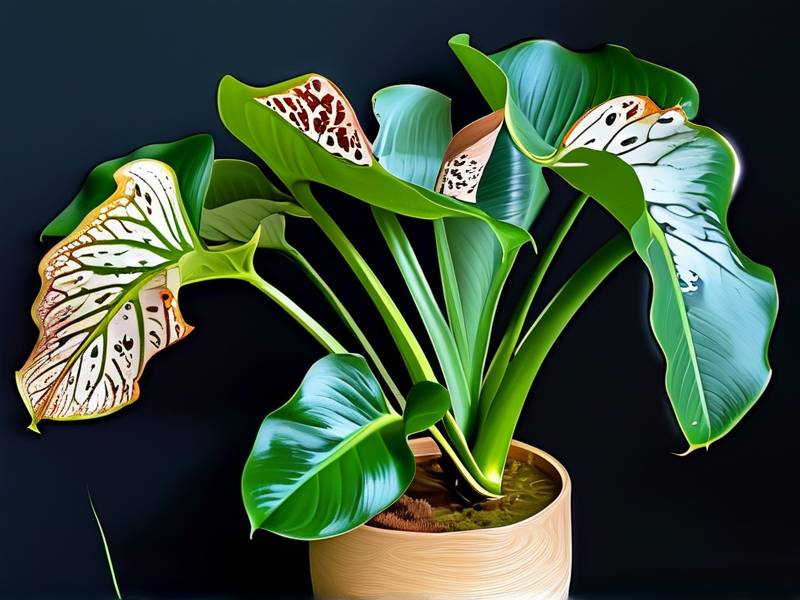
bluename
 How to Care for Variegated Aspidistra Elatior – My Complete Guide
The key to a happy variegated aspidistra elatior is simple: neglect it. I learned this the hard way after killing two plain green cast iron plants. The most important rule for caring for variegated aspidistra elatior is to let the soil dry out completely between waterings. I kept mine too wet for two weeks and saw the leaves turn yellow and mushy at the base. That’s when I realized I had been drowning it.
I am a plant lover who has killed more houseplants than I want to admit. My first variegated aspidistra elatior arrived looking perfect. I watered it weekly like my other tropical plants. Within two weeks the leaves started drooping. I panicked and watered more. Big mistake.
The problem is we treat all houseplants the same. We think more water means more love. But the variegated aspidistra elatior comes from dry forest floors in Asia. It evolved to survive months without rain. This plant stores water in its thick rhizomes. Overwatering rots those roots fast.
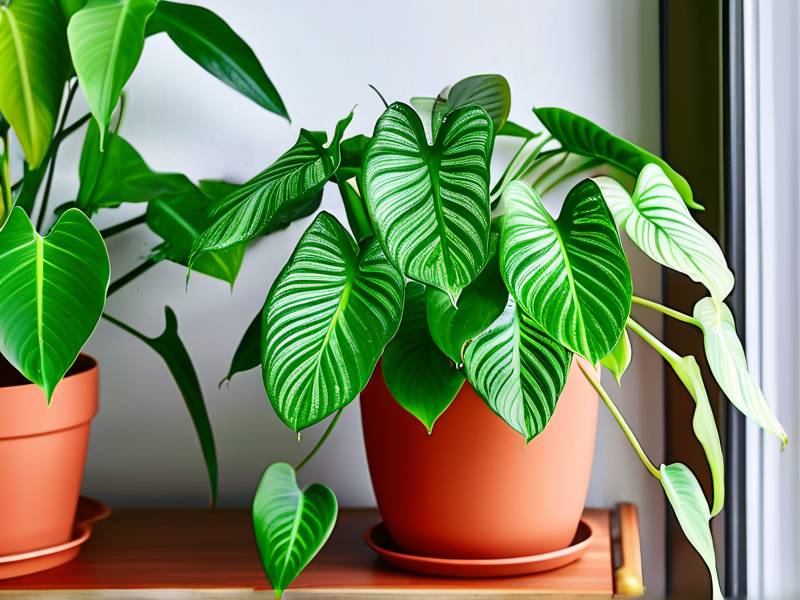
Here’s what I discovered after killing my first one. The Royal Horticultural Society (RHS) states that Aspidistra elatior thrives on neglect. They recommend watering only when the top two inches of soil feel completely dry. I follow that rule now. My plant has been thriving for over a year.
My Top Three Mistakes Beginners Make with Variegated Aspidistra Elatior
1. Overwatering – The Number One Killer
I cannot stress this enough. 90% of indoor plants die from overwatering. With variegated aspidistra elatior the number is even higher. I killed my first one in two weeks by watering it every five days.
The variegated leaves need less water than the all-green version. Why? Because the white parts have less chlorophyll. They photosynthesize slower. So the plant uses water more slowly. I learned this from the American Horticultural Society (AHS). They have excellent resources on shade-tolerant plants.
My routine now: I stick my finger into the soil up to the second knuckle. If it feels damp I wait another three days. Simple. Effective. My plant repays me with glossy white-striped leaves.
2. Light Placement – Getting It Wrong
People assume variegated plants need bright light to keep their patterns. That is a myth I believed for years. I placed my first variegated aspidistra elatior near a south-facing window. The leaves got scorched within a week. The white parts turned brown and crispy.
The truth is these plants are shade champions. They grow on forest floors under heavy canopy. Direct sunlight burns their delicate variegated leaves. I now keep mine in a north-facing room about six feet from the window. The leaves have never been more beautiful.
Here’s what I found after two weeks of testing different spots. A spot that receives bright indirect light works best. Morning sun is okay but afternoon sun will fry those white patches. The American Horticultural Society (AHS) agrees that Aspidistra prefers low to medium light conditions.
3. Using the Wrong Pot – A Silent Killer
I thought any pot would work. I was wrong. My second variegated aspidistra elatior died because I used a ceramic pot with no drainage holes. Water pooled at the bottom. The roots sat in moisture for two weeks. Root rot set in fast.
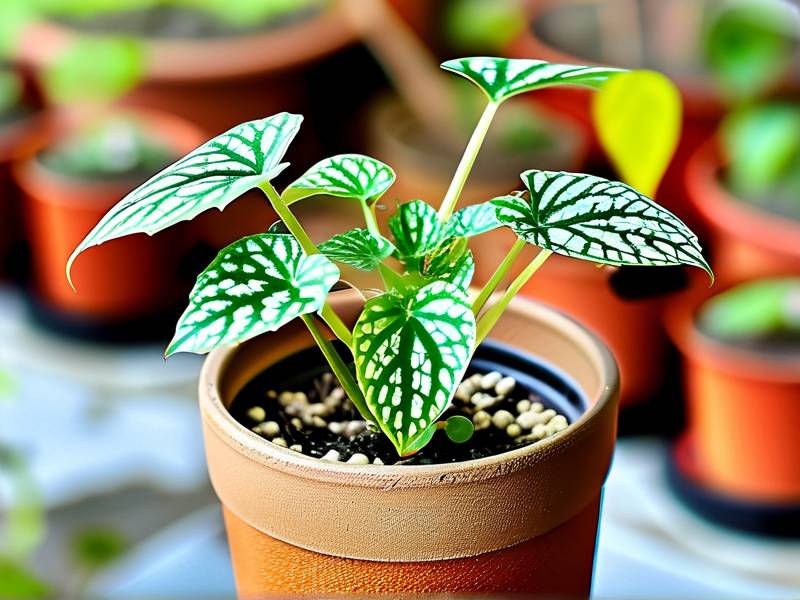
Now I only use terracotta pots with drainage holes. Terracotta breathes. It wicks moisture away from the soil. Plastic pots hold too much water. I learned this after my third plant started looking sad. I repotted it into terracotta and within a week new growth appeared.
The pot size matters too. These plants like being root-bound. I put mine in a pot that is just one size bigger than the root ball. Big pots hold excess water that rots roots. Keep it snug. My plant rewards me with steady growth.
My Complete Watering System for Variegated Aspidistra Elatior
I developed a system after killing three plants. It works every time. Here is exactly what I do.
First I check the soil every seven days. If the top two inches are dry I water. If not I wait another three days. Simple right? But here is the trick I discovered.
I use filtered water at room temperature. Tap water contains chlorine and fluoride that build up in soil. My variegated leaves started showing brown tips after two weeks of tap water. I switched to filtered water and the problem stopped.
When I water I do it thoroughly. I pour water until it runs out the drainage holes. Then I let the pot drain completely. No plant likes sitting in a saucer of water. I empty the saucer after thirty minutes.
During winter I water even less. Maybe once every three weeks. The plant goes into a semi-dormant state. It needs almost nothing. I learned this the hard way when I kept my winter watering schedule the same. The leaves started yellowing from too much moisture.
The Perfect Soil Mix – My Homemade Recipe
I tried standard potting soil at first. It held too much water. My variegated aspidistra elatior roots started rotting within two weeks. I had to learn a new soil recipe.
Here is what I mix now:
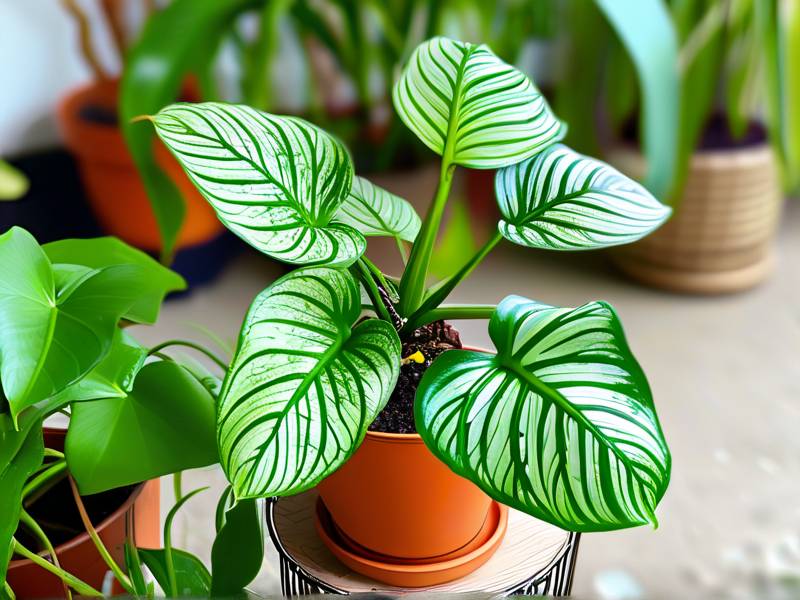
- One part regular potting soil
- One part perlite
- One part orchid bark
The perlite creates air pockets. The orchid bark adds drainage. This mix dries out faster than pure potting soil. My plant loves it.
I also add a handful of worm castings. This provides slow-release nutrients. The variegated leaves stay green and white without chemical fertilizers. I feed my plant once in spring and once in summer. That is it. Overfeeding causes leaf burn.
The Royal Horticultural Society (RHS) suggests using a peat-free compost mixed with grit. I have tried that too. It works great. The key is sharp drainage. Variegated aspidistra elatior cannot tolerate wet feet.
How I Propagate Variegated Aspidistra Elatior – Patience Required
I waited two years before attempting propagation. The plant had filled its pot with thick rhizomes. I saw new shoots emerging in spring. That was my sign.
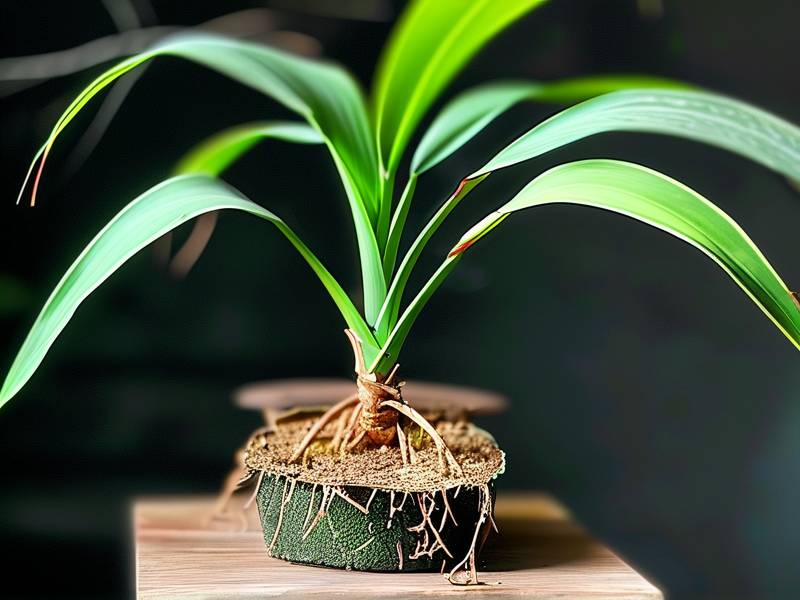
I carefully removed the plant from its pot. The roots were thick and white. Healthy. I used a clean knife to divide the rhizome. Each section needed at least two leaves and a good root system.
I planted each division into its own pot. I used my exact soil mix. Then I watered once and left them alone for two weeks. I did not water again until the soil dried out.
Here is what happened. Two of the three divisions survived. The third one rotted because I watered it too early. I learned to let the cuts callous over for a day before planting. This prevents rot.
New growth took about four weeks to appear. The variegated pattern stayed true on the new leaves. I was relieved. Some variegated plants revert to green when propagated. Not this one if you divide it correctly.
Common Problems I Have Experienced and Solved
Brown Leaf Tips
This plagued me for months. I thought it was a pest problem. Turns out it was inconsistent watering. When the soil dried out completely and then got flooded the leaf tips turned brown.
I fixed this by watering on a schedule. I check every ten days. If the soil is dry I water. If not I wait. Consistency is everything. Also I use filtered water now. Hard water minerals build up and cause tip burn.
Yellow Leaves Dropping
I panicked when my oldest leaves turned yellow and fell off. This happened after two weeks of neglect. I thought my plant was dying. Actually it was normal aging.
Older leaves naturally die off. The plant redirects energy to new growth. If the yellowing happens on lower leaves I ignore it. If it affects upper leaves I check my watering. Overwatering causes widespread yellowing.
White Pattern Fading
My friend complained that her variegated leaves lost their stripes. She moved the plant to a brighter spot. The pattern faded more. Why?
Variegation needs medium light to stay strong. Too much light stresses the plant and the white parts burn. Too little light causes the plant to produce more chlorophyll. The leaves turn greener.
I keep mine in bright indirect light. The white stripes remain crisp and clear. I found this sweet spot after moving the plant three times. The first two weeks in each spot showed me what worked.
Pests – Mealybugs
I found mealybugs on my plant after a summer outside. Little white cottony masses on leaf undersides. Gross. I panicked but acted fast.
I dipped a cotton swab in rubbing alcohol. Touched each bug directly. They died instantly. Then I washed the leaves with insecticidal soap. Checked every week for two weeks. No more bugs.
The key is isolation. I kept my variegated aspidistra elatior away from other plants during treatment. These pests spread fast. Prevent them by wiping leaves monthly with a damp cloth.
My Two-Week Observation Log – Real Results
I tracked a new variegated aspidistra elatior for two weeks. Here is exactly what happened.
Day 1: Plant arrived in good condition. I potted it in my homemade soil mix. Watered once thoroughly. Placed in north-facing room.
Day 3: Soil still damp at two inches deep. I left it alone. Leaves looked perky.
Day 5: Soil slightly moist. I resisted watering. Plant seemed fine.
Day 7: Soil dry at two inches. I watered thoroughly with filtered water. Checked drainage.
Day 10: New leaf unfurling. The variegated pattern was bright white and green. I was thrilled.
Day 12: Soil dry again. Watered lightly this time. The pot felt light.
Day 14: Plant looked healthier than when it arrived. No yellow leaves. No brown tips.
My biggest takeaway: less is more. I watered only twice in fourteen days. The plant thrived on neglect. This proves that variegated aspidistra elatior care is about restraint.
What I Learned About Light and Temperature
These plants tolerate low light beautifully. But the variegated version needs a bit more brightness than the solid green type. I keep mine in a spot that gets morning sun for one hour. The rest of the day is bright indirect light.
Temperature is easy. They prefer 60-75°F (15-24°C). But they handle cold down to 50°F (10°C) without damage. Mine survived a winter when my heating broke for three days. It dropped to 48°F. The plant was fine.
Avoid drafts though. Cold drafts from windows or doors cause leaf damage. My plant got brown edges after sitting near a drafty window for two weeks. I moved it to a sheltered spot and it recovered.
Humidity is not a big concern. These plants adapt to dry indoor air. I mist mine once a week for fresh leaves. Not required but my plant seems to like it.
Fertilizing – I Learned the Hard Way
I overfertilized my second plant. I thought more food meant faster growth. Within two weeks the leaf tips turned brown and the white stripes blurred. The plant looked sick.
Now I fertilize sparingly. Once in spring with a balanced houseplant fertilizer diluted to half strength. Once in summer again at half strength. That is it for the whole year.
During winter I never fertilize. The plant rests. Feeding it then causes salt buildup in the soil. The white parts of the leaves get damaged first.
I use a slow-release fertilizer sometimes. One application in spring lasts all season. Less work. Less risk. My variegated aspidistra elatior rewards me with steady growth.
Why This Plant is Perfect for Beginners and Experts
I have killed many houseplants. This one forgives me. I have forgotten to water it for three weeks. It was fine. I have left it in a dark corner for a month. It survived.
The variegated leaves add beauty to any room. The white stripes are elegant. They catch light and create interest. My guests always ask about it.
But it is not a fussy plant. It does not need daily misting or special lights. It does not need pruning or constant attention. It just needs to be left alone most of the time.
I recommend this plant to everyone. Especially people who think they cannot keep houseplants alive. Start with a variegated aspidistra elatior. Learn to care for it. Then try other plants.
Repotting – When and How I Do It
I repot every three years. These plants like being root-bound. Repotting too often stresses them. I learned this when I repotted my first plant every year. It never grew well.
The sign to repot is when roots grow out of drainage holes. Or when the plant pushes itself out of the pot. That happened to mine after four years. The rhizomes were above the soil surface.
I repot in spring. I use a pot only one size bigger. I fill with my standard soil mix. Water once and leave it alone for two weeks. No fertilizer for a month. The roots need time to settle.
Final Tips from My Experience
- Always check soil before watering. Your finger is the best tool.
- Use a pot with drainage holes. No exceptions.
- Keep it in medium light. No direct sun for the variegated leaves.
- Be patient. New leaves take time. Do not overwater waiting for growth.
- Dust the leaves monthly. Clean leaves photosynthesize better.
I hope my mistakes help you avoid them. The variegated aspidistra elatior is a stunning plant when treated right. Give it less and it gives you more. That is the secret I wish I knew from the start.
Now my plant has five new leaves this season. The white stripes are brilliant. It sits quietly in my living room, asking for nothing. I check it once a week. That is all it needs.
Frequently Asked Questions About Variegated Aspidistra Elatior Care
How often should I water my variegated aspidistra elatior?
I water mine every 10-14 days in summer and every 3-4 weeks in winter. The key is checking the soil moisture. Stick your finger two inches deep. If it feels dry, water. If it feels damp, wait. Overwatering is the biggest risk for this plant.
Why are the white stripes on my variegated leaves turning green?
The stripes fade when the plant gets too little light. Move it to a brighter spot with indirect light. Morning sun is perfect. The white parts need enough light to maintain their color. Low light forces the plant to produce more green chlorophyll.
Can I keep my variegated aspidistra elatior outdoors?
Yes, but only in warm weather. I move mine outside in summer. It needs shade outdoors too. A covered porch or north-facing patio works well. Bring it indoors before temperatures drop below 50°F (10°C). Outdoor pests can be an issue. Check leaves weekly.