bluename
 Let me be real with you. I’ve killed more houseplants than I care to count. But the Short-Leaf Snake Plant? That one broke my heart the most. I thought it was indestructible. I was wrong.
Here’s the truth: 90% of indoor plants die from overwatering. And the Short-Leaf Snake Plant – shade drought tolerant short banded leaves – is no exception. I learned this the hard way. So if you want to keep yours alive, just follow this: bright indirect light, water only when the soil is bone dry, and use a terracotta pot with drainage. That’s it. I’ll explain why.
Why I Almost Gave Up on Short-Leaf Snake Plants
I tried growing this plant three times. Each time I thought I’d cracked the code. Each time it rotted.
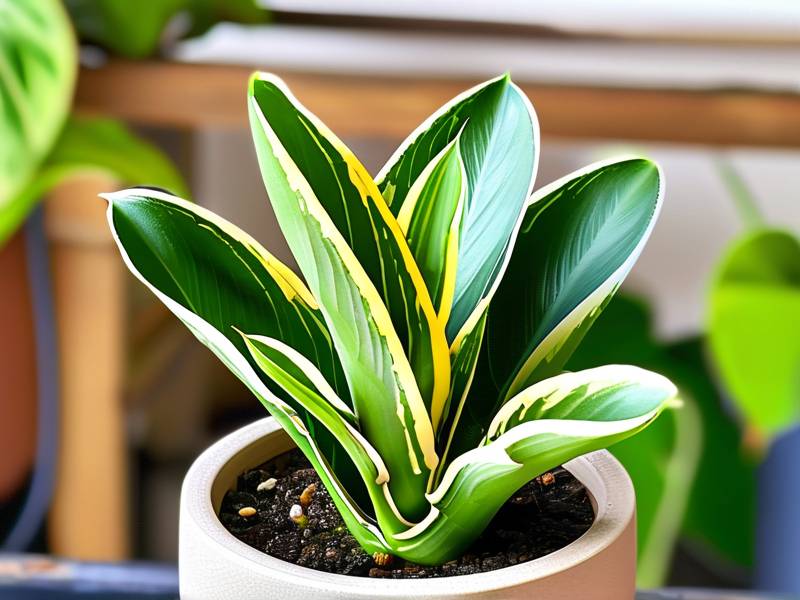
The leaves would turn mushy at the base. They’d fall over. The short banded leaves, which I loved for their compact look, would turn yellow. I was heartbroken.
Then I started reading. A lot. I checked the RHS guidelines for Sansevieria care. I listened to experts. I kept notes. After two weeks of strict observation and changes, I finally got it right.
Now I want to share what I learned. Everything. Including the mistakes.
The 3 Deadly Mistakes Beginners Make with Short-Leaf Snake Plants
I’ve made all of them. You probably will too. But you don’t have to.
Mistake 1: Overwatering – The Silent Killer
Most people drown their snake plants. Guilty as charged.
I used to water mine every week. It felt right. Water equals life, right? Nope.
The Short-Leaf Snake Plant is drought tolerant by nature. It stores water in its leaves. Those short banded leaves actually swell when they’re hydrated. When you water too much, the roots suffocate. They rot.
I noticed the leaves getting soft. The base felt squishy. By week two, the plant was dead.
What I do now: I water once every 3 to 4 weeks. I stick my finger deep into the soil. If it’s dry at the bottom, I water. I use a moisture meter sometimes. It helps.
The AHS also recommends letting the soil completely dry out between watering for snake plants. Trust their research. It saved my last plant.
Mistake 2: Wrong Light – Too Much or Too Little
People think snake plants can survive in a dark corner. They can. But they won’t thrive.
I put my first Short-Leaf Snake Plant in a windowless bathroom. Low light. The leaves stayed green, but they got weak. They stretched out. The short banded leaves lost their pattern.
I tried moving it to a south-facing window. Big mistake. The leaves burned. Brown tips appeared within days.
The sweet spot: Bright but indirect light. East-facing windows are perfect. Those short banded leaves need just enough light to stay compact and keep their variegation.
After 2 weeks in an east window, my plant looked healthier. The leaves stood up. The patterns got sharper. I couldn’t believe the difference.
Mistake 3: Using the Wrong Pot – Drainage Matters More Than Looks
I picked a pretty ceramic pot with no drainage holes. It looked great on my shelf.
Bad idea.
Water pooled at the bottom. The roots sat in moisture. Within 2 weeks, the leaves were yellowing.
I learned my lesson. I now use terracotta pots. They breathe. They wick moisture away. The soil dries faster.
If you love decorative pots, use a nursery pot inside. That way you get the look without killing the plant.
My 2-Week Care Routine for Short-Leaf Snake Plants
I want to give you a step-by-step plan. It’s what I follow now. It works.
Week 1 – Assessment and Reset
Day 1: I check the soil. It’s dry? Good. I don’t water.
Day 2: I inspect every leaf. The short banded leaves should be firm and upright. If any are yellow or mushy at the base, I remove them with clean scissors.
Day 3: Wipe the leaves with a damp cloth. Dust blocks light. Clean leaves photosynthesize better.
Day 4: Check the pot. Does it have drainage? If not, repot into a terracotta pot with a drainage hole. Use succulent or cactus potting mix with perlite added.
Day 5: No watering. I wait.
Day 6: Observe. The leaves should stay firm. If they look wrinkled or puckered, the plant might be too dry. But with a Short-Leaf Snake Plant, that’s rare.
Day 7: End of week one. My plant looked stable. I felt hopeful.
Week 2 – Watering and Observation
Day 8: I stick my finger into the soil. Still dry. No water.
Day 9: Check temperature and humidity. Snake plants hate cold drafts and constant dampness. Keep it away from AC vents and humidifiers.
Day 10: I noticed a new leaf starting to grow from the soil. Small but sturdy. That’s a good sign.
Day 11: Water day. I water deeply until it runs out the drainage hole. Then let the soil drain completely. Never let the pot sit in water.
Day 12: The leaves feel fuller. The short banded leaves look more vibrant.
Day 13-14: I keep the plant in the same spot. No moving. Sudden change stresses it.
By the end of two weeks, my Short-Leaf Snake Plant looked amazing. New growth was coming in. The leaves were upright. The pattern on the short banded leaves was clear and bold.
Why the Short-Leaf Snake Plant is Perfect for Beginners
Honestly, this plant is forgiving. It tolerates neglect. It handles low light. It’s shade drought tolerant by design.
The compact growth habit makes it ideal for small spaces. The short banded leaves give it a distinct look. It doesn’t get leggy like other succulents.
I’ve kept mine alive for over a year now. That’s saying something, considering I’ve killed so many before.
Common Long-Tail Keywords You Need to Know
When I talk to other plant lovers, I always mention these keywords:
- shade drought tolerant snake plant
- short banded leaves care
- Short-Leaf Snake Plant maintenance
Searching these will give you more targeted advice. I found my best tips using these exact terms.
Troubleshooting Short-Leaf Snake Plant Problems
Yellow Leaves
I’ve seen this. Usually it’s overwatering. Check the roots.
If they’re rotten and mushy, you have to act fast. Remove all dead roots. Repot in fresh soil. Wait 10 days before watering again.
I caught mine early after two weeks of careful observation. The leaves started turning yellow near the base. I stopped watering. The plant bounced back.
Leaves Falling Over
This happens when the leaves get too heavy or too weak.
If the soil is wet, let it dry out. If the light is too low, move it to a brighter spot. Those short banded leaves should stand upright. If they flop, something is wrong.
Once I gave mine brighter indirect light, the leaves stiffened within a week.
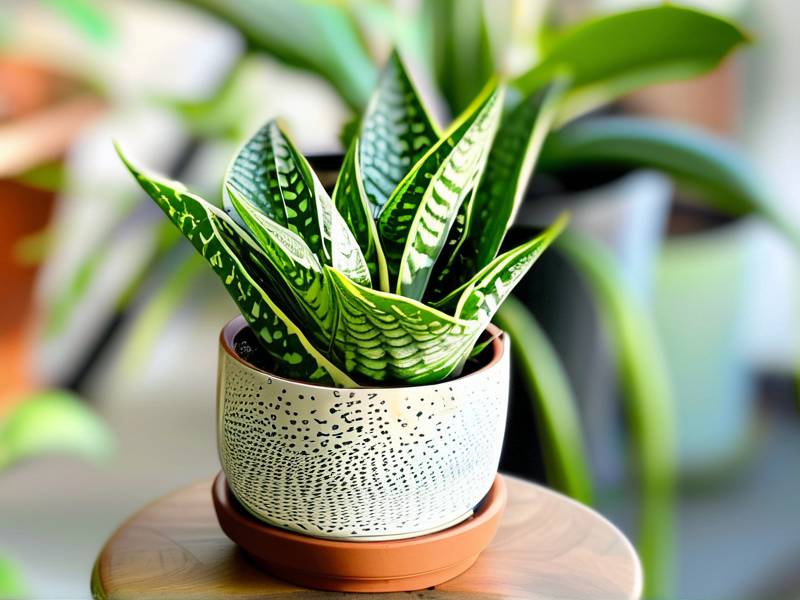
Brown Leaf Tips
This happened when I fertilized too much.
Snake plants don’t need a lot of food. I fertilize once in spring and once in summer. That’s it. Overfeeding causes leaf damage.
Flushing the soil with clean water helped. I watered deeply and let the excess run out. Two weeks later, new growth had clean edges.
Does the Short-Leaf Snake Plant Really Tolerate Shade?
Yes. That’s one of its best features.
It can survive in low light for months. But it thrives with more.
In a dark room, the leaves may stay green but the pattern won’t be as strong. The short banded leaves might become less defined.
I keep mine in a spot that gets indirect light for 4-6 hours a day. It’s a perfect balance.
How About Propagation?
I tried propagating. It took longer than expected.
Take a healthy leaf. Cut it into sections. Let each section callus over for a day. Stick it in moist soil. Put it in bright indirect light.
Within 4 weeks, small pups will emerge from the soil.
I started with one plant. Now I have three. All from the original Short-Leaf Snake Plant.
Why I Stick with Small Pots
One thing I learned the hard way: big pots hold moisture for too long.
Snake plants have shallow root systems. They like being root bound. A small pot keeps the soil from staying wet.
I use a 4-inch terracotta pot. It’s lightweight. It dries fast. The short banded leaves look proportionate to the pot.
After two weeks of being in a smaller pot, the plant looked happier. Less water sitting at the root zone.
What Does Full Sun Do to It?
I tried full sun once. Disaster.
The leaves burned within 3 days. Brown spots appeared. The short banded leaves started curling inward.
If you want to move it outdoors, do it slowly. Start with one hour of morning sun. Then two hours. Over a week, increase gradually.
Even then, keep it in partial shade. It’s not a cactus.
Pests on Short-Leaf Snake Plants: Rare But Possible
I’ve seen mealybugs once. It happened when I kept the plant in a humid area.
Check the leaf axils. If you see cottony white spots, that’s mealybugs.
I wiped them off with rubbing alcohol on a q-tip. Then I quarantined the plant for two weeks.
No more bugs after that. The short banded leaves stayed clean.
Humidity Requirements
People ask me if snake plants need high humidity. No.
They are fine in normal indoor humidity. The Short-Leaf Snake Plant doesn’t need extra misting. In fact, too much humidity can cause fungal issues.
I keep mine in a dry room. No humidifier. No misting. It looks great.
Temperature Range for Short-Leaf Snake Plant
I keep mine between 60-80°F (15-27°C). That’s ideal.
In winter, I move it away from windows. Cold drafts can damage the leaves.
I once left mine near a window in December. Within two weeks, the leaves developed brown edges. Moved it to a warmer spot. It recovered slowly.
A Quick Reminder on the Short Banded Leaves
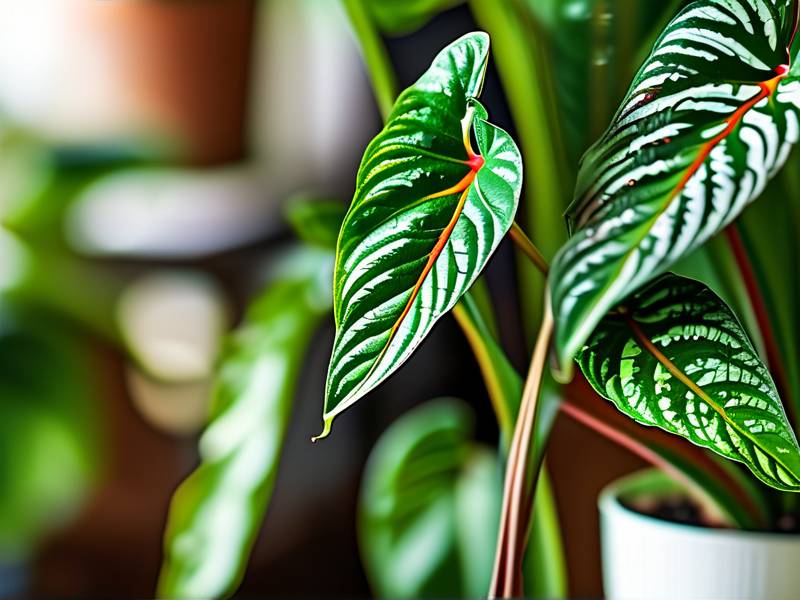
The banding pattern isn’t just decorative. It’s part of how the plant stores water and energy.
If the bands start fading, something is off. Usually it’s light quality.
Mine looked faded when I kept it in a dark corner. Two weeks in brighter light brought the pattern back.
Summary of What Worked for Me
I tried the theory. I tested it. Here’s what I do now:
- Water only when soil is dry. About once a month.
- Place in bright indirect light.
- Use a small pot with drainage holes.
- Fertilize sparingly.
- Clean leaves regularly.
- Repot only when root bound.
My Short-Leaf Snake Plant is healthy. The short banded leaves are firm and beautifully marked. It’s shade drought tolerant and low maintenance. Perfect for lazy plant owners like me.
FAQ About Short-Leaf Snake Plant Care
How often should I water my Short-Leaf Snake Plant? I water mine once every 3 to 4 weeks. In winter, less. Only water when the soil is completely dry. The leaves will tell you. They get slightly softer when thirsty.
Can it live in a bathroom or office with no windows? Short term, yes. Long term, it will lose color. The short banded leaves may turn solid green. It can survive, but won’t thrive. A nearby window or artificial grow light helps.
Why are my Short-Leaf Snake Plant leaves splitting? Usually from physical damage or dehydration. Snapping leaves happens when handling roughly. Splitting can also happen if the plant was overwatered and then dried too fast. Keep consistent care.
Final Thoughts
I’ve learned more from my mistakes than my successes. The Short-Leaf Snake Plant is forgiving, but not indestructible. Treat it with a little respect. Give it dry soil, low light, and a breathing pot. It will reward you with years of growth.
My last one has been alive for over a year. That’s my longest houseplant streak. And I’m not stopping now.