bluename
 How to Rescue Dying Pachira Glabra Money Tree With Root-Rot Decay
I still remember the sour smell coming from the pot of my third pachira glabra. The leaves had gone yellow, then brown, then limp. I pulled the plant out and the roots were dark, mushy, and falling apart. That was my first real lesson in how to rescue dying pachira glabra money tree with root-rot decay. The fix is not complicated, but it needs to happen fast, usually within two weeks. You have to remove the rot, dry the roots, and replant in a fast-draining mix. Do that and most money trees pull through.
The pachira glabra, often sold as the money tree or Malabar chestnut, is a tropical plant with braided trunks and glossy palmate leaves. Indoors, it usually grows two to six feet tall. It looks tidy on a desk or beside a sofa. It is also forgiving, as long as you do not drown it. The RHS lists poor drainage as a leading cause of indoor plant decline, and the AHS says most houseplants suffer more from overwatering than underwatering. I found that out the hard way.
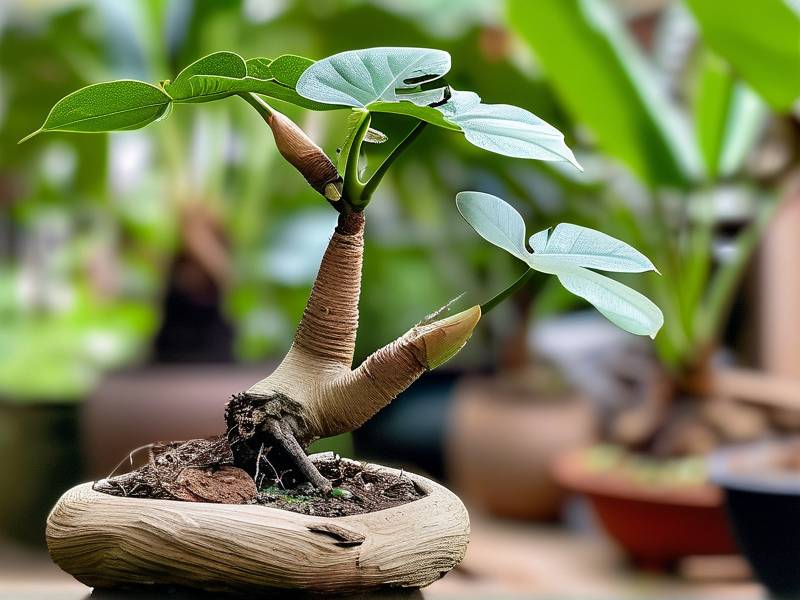
The short answer. If your pachira glabra has root rot, take it out of the pot, cut away every brown or mushy root, let the healthy roots air-dry for a few hours, dust the cuts with cinnamon or sulfur powder, and repot in fresh gritty mix. Water only after two or three days. Then keep it in bright indirect light and water only when the top two inches of soil are dry. I followed that process on a six-year-old money tree. By day fourteen, it had pushed out two new pale green shoots.
Why root rot happens so fast
Root rot is a fungus or water mold problem. It starts when roots sit in wet, airless soil. The roots suffocate, then decay. Once decay begins, the rot spreads upward. Leaves turn yellow because the roots can no longer pull water. The plant looks thirsty even though the soil is soaked.
I used to think yellow leaves meant I needed to water more. That was my biggest mistake. The plant was actually drowning. I killed two money trees before I finally checked the roots. Now I always check the soil first.
The three fatal newbie mistakes
The first mistake is overwatering. I call this the silent killer. A pachira glabra in a cool room may need water only every ten to fourteen days. Many people water weekly out of habit. That is how rot starts.
The second mistake is putting the plant in the wrong light. A dark corner keeps soil wet longer. Direct midday sun can scorch leaves. Both extremes stress the plant. Bright indirect light is what you want.
The third mistake is using the wrong pot. A pot that is too large holds too much wet soil around the roots. A pot with no drainage hole is a death sentence. I once used a pretty ceramic pot with no holes. The roots rotted within three weeks.
Light: the sweet spot
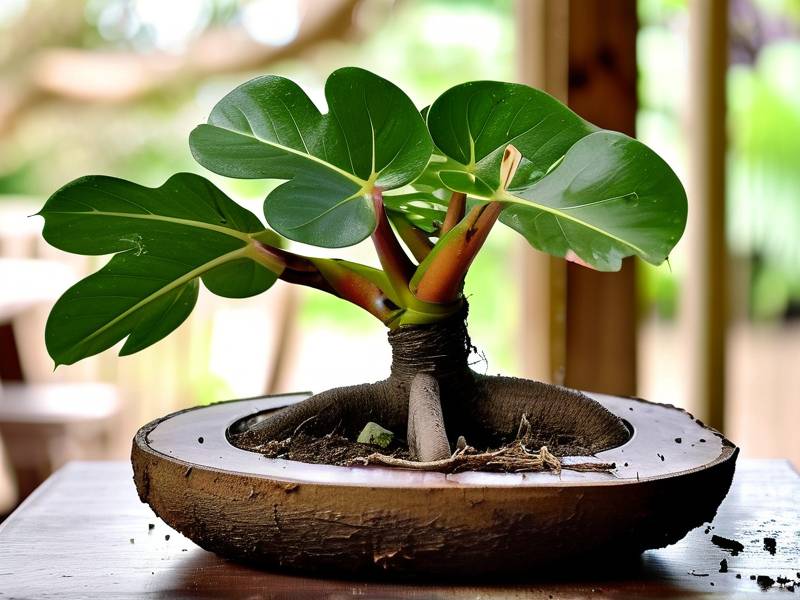
Pachira glabra likes bright, filtered light. An east window is close to ideal. A south or west window works if you pull the plant back a few feet or use a sheer curtain. Low light slows growth and keeps the soil damp. Too much direct sun causes leaf scorch. You will see crisp brown patches.
I rotate my money tree a quarter turn every two weeks. That keeps the braided trunk from leaning. If the light is too weak, new leaves come in small and pale. Move the plant closer to a window gradually. A sudden move can shock it.
Watering: the complete guide
The core rule is simple. Water deeply, then let the top two inches of soil dry out. Stick your finger in the soil. If it feels moist, wait. If it feels dry, water until it runs out the drainage holes. Never let the pot sit in a saucer of water.
I keep a moisture meter for my bigger plants. It cost less than a coffee. It saved me from guessing. In summer, my money tree may need water every seven to ten days. In winter, every two to three weeks is often enough.
If you already have root rot, stop watering completely during treatment. Any extra water feeds the rot. That is hard to do, but it matters.
Soil and repotting
A good mix for pachira glabra is three parts potting soil, one part perlite, and one part orchid bark. That gives air pockets and drainage. I also add a handful of coarse sand. Never use garden soil indoors. It compacts and holds water.
Choose a pot only one or two inches wider than the root ball. Terracotta breathes and helps prevent rot. Plastic works too, but only with plenty of drainage holes. Repot every two to three years in spring. If you see roots circling the pot, it is time.
Fertilizer without overdoing it
Feed with a balanced liquid fertilizer diluted to half strength. Do this once a month in spring and summer. Stop in fall and winter. Never fertilize a plant with root rot. The damaged roots cannot absorb nutrients. Salt buildup can make things worse.
I learned that lesson after I fed a struggling money tree. The leaves burned at the tips. I flushed the soil with plain water three times and waited a month before feeding again.
Seasonal care for a healthy money tree
Spring is for recovery and growth. If the plant is healthy, repot it. Trim dead leaves and leggy stems. Start feeding again. This is also the best time to rescue a root-rotted plant, because new roots grow fast.
Summer brings heat and strong light. Move the plant out of direct sun. Keep the room ventilated. Check for spider mites and mealybugs. Wipe leaves with a damp cloth. Water more often, but still let the soil dry.
Fall is for slowing down. Cut back on fertilizer. Water less. Remove yellowing leaves so pests do not hide there. If nights get cold near a window, move the plant inward.
Winter is the danger zone. Keep the plant above fifty-five degrees Fahrenheit. Water sparingly. Stop fertilizing. Cold, wet soil is a root-rot factory. I nearly lost a money tree one January because I left it beside a drafty window.
Pests and other problems
Spider mites show up as fine webbing and stippled leaves. Mealybugs look like white cotton. Treat both with insecticidal soap or neem oil. Repeat every seven days for three weeks.
Yellow leaves can mean overwatering, cold drafts, or low light. Brown crispy leaves usually mean dry air or too much sun. Mushy stems mean rot has spread. Cut back to firm green tissue and repot.
My two-week rescue timeline
Day one. I unpot the plant. I rinse the roots. I cut away all brown, mushy roots with sterilized scissors. I dust the cuts with cinnamon. I let the plant sit in a dry, shaded spot for four hours.
Day two. I repot in fresh gritty mix. I do not water. I place the pot in bright indirect light.
Day three. I water lightly around the edge of the pot. Just enough to settle the soil.
Day seven. I check the soil moisture. Still damp, so I wait.
Day ten. A small new leaf bud appears near the base of the trunk.
Day fourteen. Two new shoots are visible. The remaining leaves are firm again. That is when I know the rescue worked.
Frequently asked questions
Can a money tree survive if all its roots are mushy? Usually no. You need at least some firm, white or tan roots to support new growth. If every root is brown and soft, the plant is likely too far gone.
How often should I water after root rot treatment? Water only when the top two inches of soil are completely dry. That may be every ten to fourteen days in mild weather. In winter, wait even longer.
Should I cut off all the yellow leaves? Cut only the ones that are fully yellow or brown. Green leaves are still working for the plant. Removing too many leaves weakens it.
Final thoughts
Root rot on a pachira glabra feels like a disaster, but it is fixable. Act fast. Cut away the rot. Replant in a breathable mix. Hold back the water. Give it bright, indirect light. In two weeks, you may see new growth. That moment never gets old, even after rescuing many plants. Remember the golden rule. Ninety percent of indoor plants die from overwatering. Your money tree is no exception.