bluename
How to Get Rid of Fungus Gnat Larvae in Adiantum raddianum Soil
If you've spotted tiny black flies hovering around your Adiantum raddianum and noticed things getting worse, you're probably dealing with fungus gnat larvae in the soil. I've been there—my first maidenhair fern nearly died because I ignored those little pests for too long. The good news? You can get rid of them without reaching for harsh chemicals, and I'll walk you through exactly what worked for me over a two-week stretch.
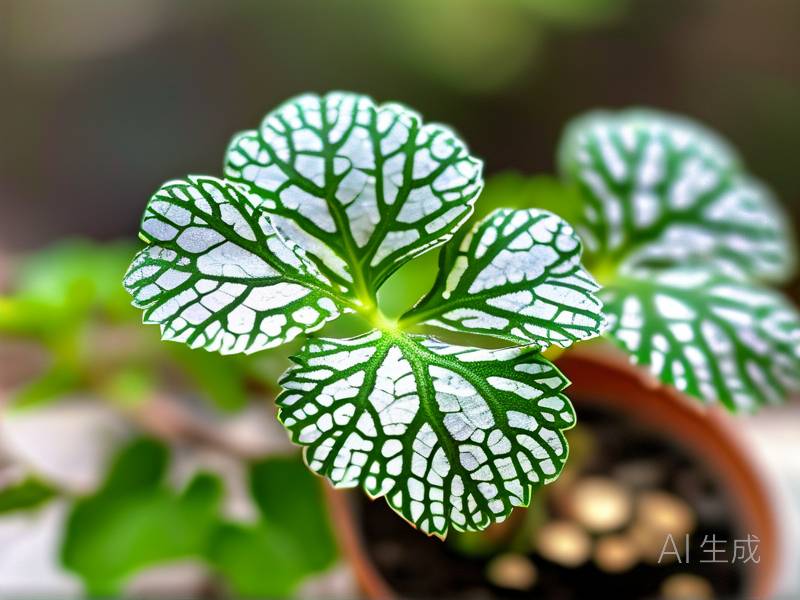
Adiantum raddianum, commonly called the maidenhair fern, is one of those plants that looks delicate but rewards attentive care. Its fan-shaped leaflets and wiry black stems make it a showstopper in any indoor collection. The catch is that it's also a magnet for fungus gnats because it loves consistently moist soil—and so do those larvae.
Here's the short answer: fungus gnat larvae thrive in wet, organic-rich soil. To eliminate them, you need to break their life cycle by letting the top layer of soil dry out between waterings, using sticky traps for adults, and applying a biological control like mosquito dunks or beneficial nematodes. I'll break down every step below.
Why Fungus Gnat Larvae Love Your Maidenhair Fern
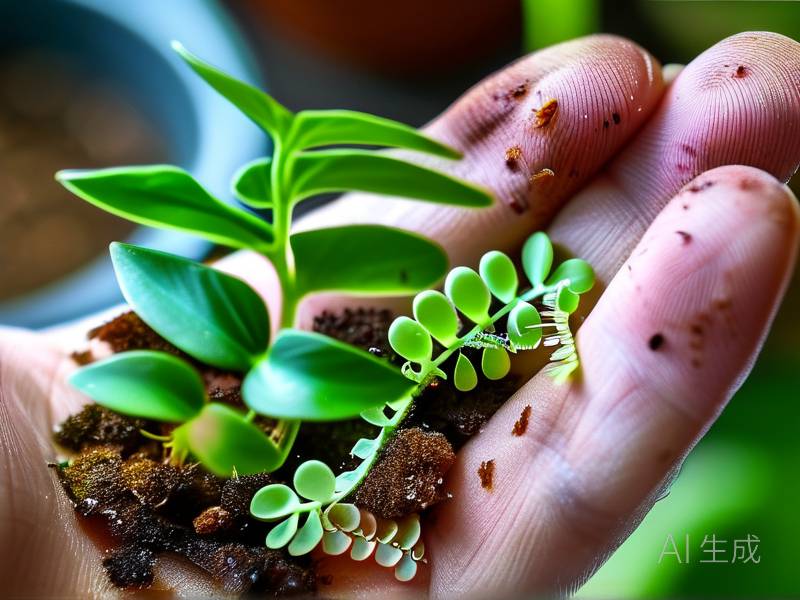
Fungus gnats aren't just annoying—they're a sign that something in your watering routine needs adjusting. The adults are harmless, but the larvae live in the top inch or two of soil and feed on fungi, algae, and fine root hairs. In a fern that stays consistently damp, you're basically running a five-star hotel for them.
According to the RHS, fungus gnats are particularly problematic in greenhouse and indoor environments where ventilation is poor and potting mix stays wet for extended periods. I learned this the hard way when I kept my fern in a closed terrarium-style setup—terrible idea, by the way.
The Three Mistakes That Got Me Here
I've killed more than one maidenhair fern, and every single time, I made at least one of these mistakes.
1. Overwatering
This is the big one. I used to water on a schedule—every three days, no matter what. That's a recipe for disaster. The soil never had a chance to dry out, and the gnats multiplied faster than I could swat them. Here's a stat that stuck with me: 90% of indoor plants die from overwatering. Not underwatering. Overwatering. That number comes from countless conversations with other growers and my own embarrassing track record.
2. Light Mismatch
I once stuck my fern in a dark corner thinking it would be "happy" there. Wrong. Low light means slower growth and slower water uptake, which means soggy soil for longer. That's prime fungus gnat territory.
3. Wrong Pot
I used a decorative ceramic pot with no drainage hole. The water pooled at the bottom, roots rotted, and the gnats had a field day. If you take nothing else from this article, please use a pot with drainage.
My Two-Week Fungus Gnat Elimination Plan
I tested this approach on my current Adiantum raddianum after spotting a fresh outbreak last spring. Here's what I did, day by day.
Days 1–3: Stop Watering and Set Traps
I let the top inch of soil dry out completely. I know—maidenhair ferns hate drying out. But you have to disrupt the larval habitat. I also stuck yellow sticky traps into the soil surface to catch adults before they could lay more eggs.
I placed the traps close to the soil line and replaced them every few days. The first 48 hours caught dozens of adults. Gross but satisfying.
Days 4–7: Apply Biological Control
I used mosquito dunks (the kind with Bacillus thuringiensis israelensis, or Bti). I crumbled a quarter of a dunk into a watering can, let it sit overnight, and watered the fern with that solution. Bti targets the larvae specifically without harming plants or pets.
I repeated this application every five days for the next two weeks. By day seven, I noticed far fewer adults on the traps.
Days 8–14: Adjust Watering and Monitor
This is where you retrain yourself. Instead of watering on a fixed schedule, I checked the soil with my finger every morning. If the top inch felt dry, I watered deeply until it drained out the bottom. Then I waited again.
By the end of week two, the sticky traps were mostly clean, and I hadn't seen a single gnat hovering around the fern. The fern itself looked slightly stressed from the dry-down period, but it bounced back within a few days.
Watering Your Maidenhair Fern Without Inviting Gnats
This is the tricky part. Adiantum raddianum likes moisture, but it doesn't want to sit in a swamp. The AHS recommends consistently moist but well-draining soil for most ferns, and that's exactly the balance you need.
My rule now: water thoroughly, then let the top inch dry out before watering again. In summer, that might mean every two to three days. In winter, it could stretch to a week.
I also bottom-water when I can. Place the pot in a saucer of water for 20 minutes, then let it drain completely. This keeps the surface drier, which makes it less attractive to gnats.
Soil and Repotting to Prevent Reinfestation
If you've had a serious infestation, consider repotting with fresh soil. I use a mix of two parts peat-free potting compost, one part perlite, and a handful of orchid bark. The perlite and bark improve drainage and airflow, which fungus gnats hate.
When repotting, shake off as much old soil as possible from the root ball. Rinse the pot thoroughly if you're reusing it. I also sterilize my pots with hot soapy water before refilling—cheap insurance against round two.
Light, Temperature, and Airflow
Your fern wants bright, indirect light. Direct sun will scorch those delicate fronds. But too little light keeps the soil wet longer.
I keep mine near an east-facing window and rotate it every few days. Good airflow also helps. I run a small fan on the lowest setting nearby—not pointed directly at the fern—just to keep air moving. This dries the soil surface faster and makes life harder for gnats.
Fertilizing Without Feeding the Gnats
I fertilize my maidenhair fern lightly—quarter-strength liquid fertilizer every three weeks during the growing season. Don't fertilize in winter when growth slows. And never fertilize when the soil is already wet and gnats are present—the extra organic matter just feeds the larvae.
Season-by-Season Care Tweaks
Spring is when I repot and check for any lingering issues. I trim dead fronds and start fertilizing again.
Summer means watching for heat stress and keeping the soil consistently moist—but not soggy. I check for gnats weekly.
Autumn is when I cut back on watering and stop fertilizing. I also clean the pot saucer and check for any eggs stuck to the rim.
Winter is the danger zone for overwatering. I water sparingly and keep the fern away from cold drafts.
FAQ
How long does it take to get rid of fungus gnat larvae?
With consistent treatment—letting soil dry, using sticky traps, and applying Bti—you can break the cycle in about two weeks. The adults live around a week, and larvae die once the soil dries or Bti does its job.
Can I use hydrogen peroxide to kill fungus gnat larvae?
I've tried it. A dilute solution (one part 3% hydrogen peroxide to four parts water) can kill larvae on contact, but it doesn't solve the underlying moisture problem. I prefer Bti because it's more targeted and less risky for your fern's roots.
Will mosquito dunks hurt my fern?
No. Bti is specific to fungus gnat and mosquito larvae. It doesn't harm plants, pets, or beneficial insects. I've used it on ferns, peace lilies, and pothos without any issues.
Fungus gnats are annoying, but they're also a signal. They tell you your watering routine needs a tweak. Fix the moisture, break the life cycle, and your Adiantum raddianum will reward you with fresh green fronds instead of a cloud of tiny flies.