bluename
 You’ve got a clumping Chamaedorea elegans sitting on your shelf, and it looks sad—yellow tips, droopy fronds, maybe some browning. I’ve been there. Here’s the straight answer: keep the soil slightly moist but never soggy, give it bright indirect light (east or north window), and always use a pot with drainage holes and a light, chunky mix. Do that, and your clumping Chamaedorea elegans will thrive in that warm semi-shade clumping foliage spot you planned for it. I murdered my first two before I figured this out.
The Three Deadly Mistakes Newbies Make
Mistake #1: Overwatering
90% of indoor plants die from overwatering. I’m not kidding. I drowned my first clumping Chamaedorea elegans within three weeks. The soil stayed wet, roots rotted, and the whole plant just collapsed. I thought I was being kind by watering every few days. Nope.
What I do now: I stick my finger about two inches into the soil. If it feels dry, I water deeply until water runs out the drainage hole. Then I let the pot drain completely—never leave it sitting in a saucer full of water. The Royal Horticultural Society (RHS) backs this up: most houseplants need the top inch of soil to dry before the next watering. You can check their guide at RHS. Honestly, this one habit saved my next plants.
Mistake #2: Wrong Light
I put my first clumping Chamaedorea elegans in a south-facing window. Full sun. Within a week, the leaves turned pale yellow and crispy. I thought it needed more light. Wrong again. These guys are warm semi-shade clumping foliage plants. They come from the understory of tropical forests—dappled light, never direct sun.
I moved my second plant to a north window. Perfection. If you only have west or south windows, use a sheer curtain. Direct sun scorches them. I learned this after killing plant number two. Now my clumping Chamaedorea elegans gets bright indirect light for about 4-6 hours a day and looks lush.
Mistake #3: Wrong Pot
Plastic nursery pots with no drainage? That was my third mistake. I planted my clumping Chamaedorea elegans in a cute ceramic pot that had a single tiny hole. Water pooled at the bottom, roots sat in moisture, and the plant slowly declined. The American Horticultural Society (AHS) emphasizes proper drainage for healthy root systems—check their advice at AHS.
Now I always use terra cotta or any pot with multiple drainage holes. Plastic works too if you drill extra holes. The key is that water can flow out freely. I also add a layer of coarse gravel at the bottom to prevent soil from clogging the holes. It’s a cheap trick that works.
My Step-by-Step Care Routine (With Real Observations Over 2 Weeks)
I bought a new clumping Chamaedorea elegans from a local nursery. It was in a standard 6-inch plastic pot, a bit rootbound, but healthy. Here’s what I did:
Week 1 – Repotting and Adjustment
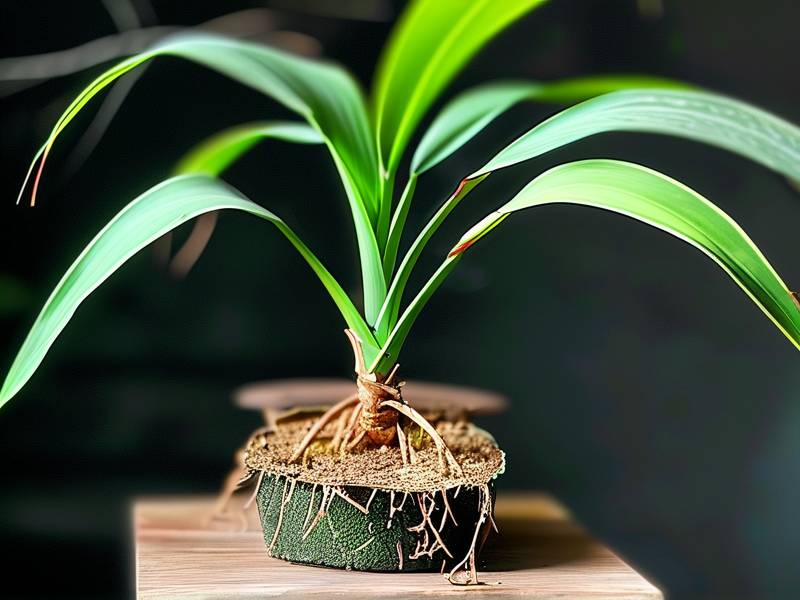
I chose a 8-inch terra cotta pot with plenty of drainage holes. For soil, I mixed regular potting mix with perlite and a handful of orchid bark—ratio about 2:1:1. This gives the chunky, airy texture they love. I gently loosened the rootball and placed it at the same depth as before. Then I watered thoroughly until water ran out the bottom. That first day, I put it in my east-facing living room where it gets morning sun (filtered through a curtain) and bright shade the rest of the day.
After one day, the leaves looked a bit droopy—transplant shock. I didn’t water again. After three days, the fronds perked up. By day five, I saw a tiny new spear emerging from the center. That was exciting.
Week 2 – Observation and Tweaks
I continued touching the soil every other day. On day 8, the top two inches felt dry, so I watered again. Same deep watering routine. I also started misting the leaves every morning with a spray bottle because these plants love humidity. My apartment is dry, around 40% humidity. Misting helps, but a small humidifier nearby would be better.
By day 12, the new spear had unfurled into a bright green frond. No yellowing, no browning. The older leaves held their dark green color. I noticed the soil was drying more quickly now—about every 5 days. That’s a good sign the roots are active.
On day 14, I checked the root system by gently tipping the pot. I saw white, healthy roots reaching the drainage holes. The plant had produced two more new fronds starting to emerge. The whole clump looked fuller and happier.
Additional Practical Tips I Learned the Hard Way
Fertilizing – I feed my clumping Chamaedorea elegans with a balanced liquid fertilizer (like 10-10-10) diluted to half strength, once a month from spring to fall. Winter? No feeding. Over-fertilizing causes burned leaf tips—I did that on my third plant.
Temperature – They love warmth. Keep them above 60°F (15°C) at night. I once left one near a drafty window in winter—leaves turned brown. Now they stay away from AC vents and cold drafts.
Cleaning Leaves – Dust blocks light. I wipe each frond with a damp cloth every two weeks. It’s tedious but makes a big difference. You can also give them a gentle shower in the sink.
Pest Issues – I had spider mites once. Tiny webs on the undersides. I sprayed with neem oil solution (1 tsp neem oil + 1 tsp dish soap + 1 quart water) every 5 days for two weeks. Gone. Prevention: keep humidity up.
When to Prune – Only cut dead or yellowing fronds at the base. Don’t cut green ones. I accidentally trimmed a healthy frond once, and it stressed the plant.
Common Questions From Fellow Plant Lovers
FAQ 1: My clumping Chamaedorea elegans has brown leaf tips. What’s wrong?
This usually means low humidity or fluoride in tap water. I switched to filtered water or let tap water sit out overnight. Also, mist daily or use a pebble tray. My tips stopped browning once I did that. If the entire leaf is brown, it could be overwatering or sunburn.
FAQ 2: How often should I repot my clumping Chamaedorea elegans?
Every 2-3 years, or when roots start coming out the drainage holes. I repot in spring. Don’t go too big—just one size up. I use the same chunky mix as before. If the plant is rootbound but still healthy, you can also just refresh the top inch of soil.
FAQ 3: Can I grow this plant in low light?
Yes, but it won’t thrive. Mine did okay in a dim corner for a few months—slow growth, leggy. It survived but looked sparse. If you want that full, clumping habit, give it bright indirect light. I moved mine to a brighter spot and saw new fronds within two weeks.
Final Thoughts From My Own Journey
Look, I’ve killed three clumping Chamaedorea elegans before I got it right. The first one drowned, the second one sunburned, the third one suffocated in a wrong pot. Now I have a beautiful cluster of lush green fronds that keeps pushing out new shoots. It stands about two feet tall and fills that corner perfectly.
Keep the soil on the drier side, give it warm semi-shade clumping foliage conditions, and use a pot that breathes. Trust me, once you get those three things dialed, this plant is practically unkillable. It rewards you with that tropical vibe without any drama. I check on mine every morning, give it a quick mist, and it just does its thing. Honestly, if I can do it, anyone can.