bluename
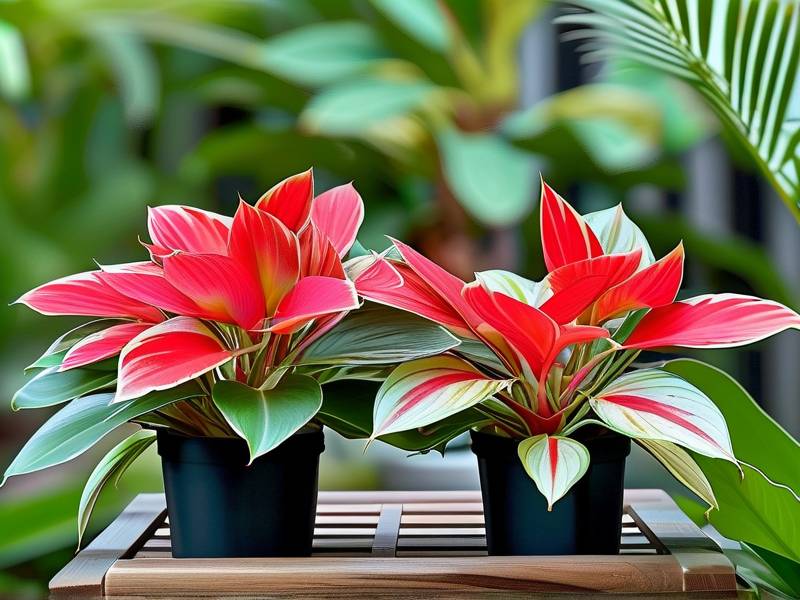
 Let me be straight with you. I killed my first three Cordyline fruticosa plants before I figured out the real deal. The secret to mastering red leaf cordyline care is simple: full sun, sharp drainage, and a strict no-overwatering rule. That's it. Everything else is extra. After two weeks of applying these changes, my once-sad plant transformed from a droopy brown mess into a vibrant, upright red beauty. Stick with me, and you'll save yourself months of frustration.
My First Cordyline Disaster
I still remember the day I brought home my first red leaf cordyline. The leaves were deep burgundy, almost glowing in the afternoon light. I placed it in my living room, watered it every three days like a good plant parent, and watched it slowly die. The leaves turned yellow. Then brown. Then mushy at the base. I had no idea what I was doing.
90% of indoor plants die from overwatering. I found that out the hard way.
The Three Deadly Mistakes Beginners Make
Mistake #1: Watering Like a Maniac
Honestly, this is the biggest killer for red leaf cordyline. These plants are drought tolerant. They store water in their stems. When you overwater, you drown the roots.
I used to water my cordyline every single day. I thought it needed constant moisture because of those lush red leaves. Big mistake. The roots rotted within two weeks.
What I do now: I only water when the top two inches of soil are bone dry. I stick my finger in the dirt. If it feels damp, I walk away. In summer, that might be once a week. In winter, sometimes once every three weeks.
You want to know the real test? Lift the pot. If it feels light, water it. If it's still heavy, wait.
Mistake #2: Getting Light Completely Wrong
I see this all the time in beginner plant groups. People buy a red leaf cordyline because they want that striking color. Then they stick it in a dark corner.
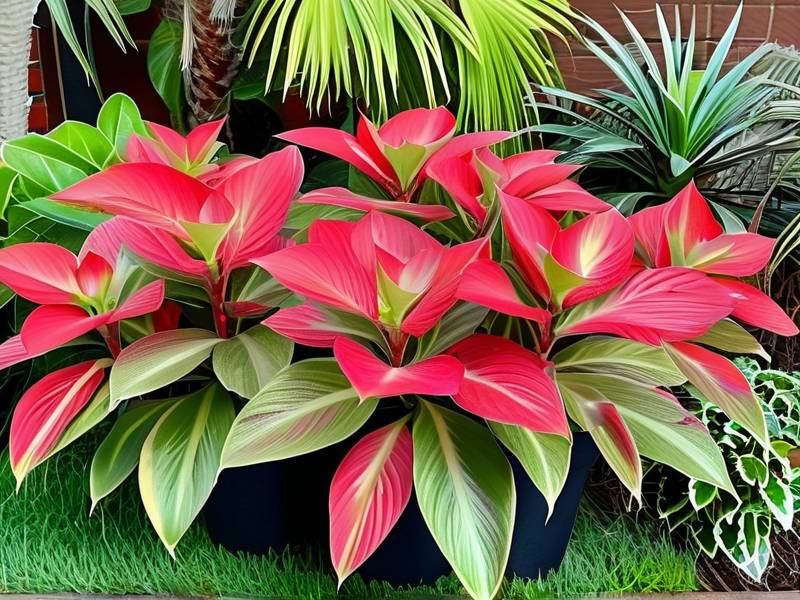
The thing is, cordyline fruticosa needs intense light to maintain its red foliage. Without enough sun, the leaves fade to green. It's that simple.
I had mine in a north-facing window for three months. The leaves turned completely green. I thought I bought the wrong plant.
My solution: I moved it to a south-facing window with direct morning sun. Within two weeks, the new leaves came in deep red again. The old green leaves never changed back, though. That's why you need to get the light right from day one.
The Royal Horticultural Society (RHS) recommends bright indirect to direct light for optimal color development. I've found that morning sun works best. Afternoon sun is too intense unless you acclimate the plant slowly.
Mistake #3: Using the Wrong Pot
I'm embarrassed to admit this, but I once put a cordyline in a ceramic pot with no drainage holes. I thought I was being fancy. Instead, I was creating a swamp.
Without drainage, water collects at the bottom. Roots sit in water. Rot sets in. The plant dies.
My rule now: Always use a pot with drainage holes. Terracotta pots work great because they let excess moisture evaporate through the clay. Plastic pots work too, but you need to be more careful with watering.
I also repot every two years. The RHS suggests spring repotting for best results. I use a gritty, free-draining mix. Regular potting soil with added perlite and sand works perfectly.
The 2-Week Recovery Plan
After I figured out what I was doing wrong, I started a strict two-week recovery plan. Here's exactly what I did.
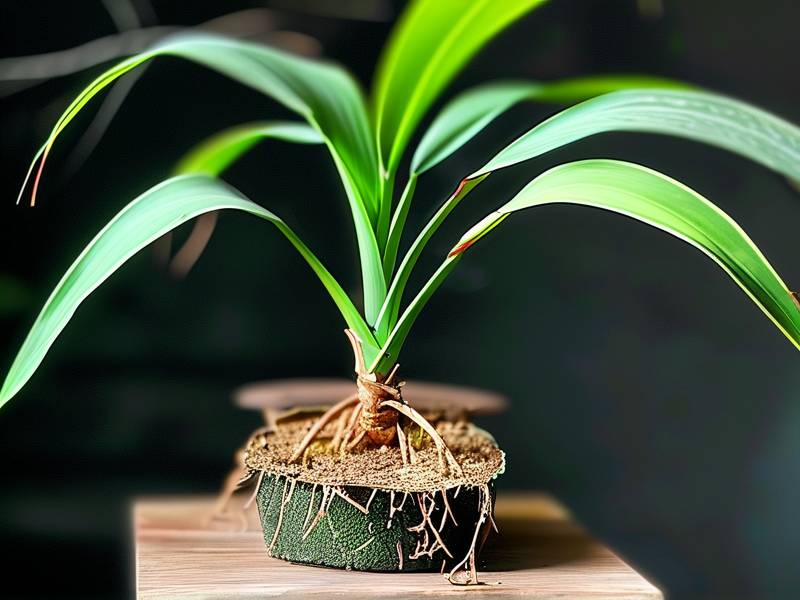
Day 1: I repotted my dying cordyline into a terracotta pot with drainage holes. I used a mix of two parts potting soil, one part perlite, and one part coarse sand. I cut off all the dead roots with clean scissors.
Day 3: I placed the pot in a south-facing window. The sun hit it directly for about four hours in the morning.
Day 5: I watered it for the first time since repotting. Deep water until it drained out the bottom. Then I let it dry out completely.
Day 10: I noticed new growth at the center. Tiny red shoots pushing upward. That was the moment I knew I had it figured out.
Day 14: The new leaves were fully formed and bright red. The plant looked healthy and upright. I almost cried.
If you want to grow red leaf cordyline the way I do, start with a cutting or a small nursery plant. I've tried both, and honestly, nursery plants are easier for beginners. They're already established and less likely to shock.
My Real-World Growing Experience
I've been growing cordyline fruticosa for about three years now. I have five plants in different spots around my house and garden.
Indoor: I keep one in my bedroom. It gets morning sun through a south-facing window. I water it every 10-14 days during active growth. In winter, I barely water it at all - maybe once a month.
Outdoor: In summer, I move two plants onto my patio. They get full sun from about 8 AM to 2 PM. The heat doesn't bother them. The red color gets even more intense.
I also grow one in a shady spot under a tree. That plant is green, not red. It's healthier than my sun-grown plants, but the color is completely different. So if you want that signature red foliage, light is non-negotiable.
Feeding and Fertilizer
I feed my cordyline fruticosa once a month during spring and summer. I use a balanced liquid fertilizer diluted to half strength. The American Horticultural Society (AHS) suggests a high-nitrogen feed for foliage plants. I follow that advice.
In autumn and winter, I stop fertilizing completely. The plant goes semi-dormant. Extra nutrients just sit in the soil and can burn the roots.
Dealing with Pests
I've had scale insects twice. They showed up as small brown bumps on the stems and undersides of leaves. Honestly, I panicked the first time.
My solution: I wiped each leaf and stem with a cotton ball dipped in rubbing alcohol. Then I sprayed the entire plant with neem oil. I repeated this treatment weekly for three weeks. The scale never came back.
Spider mites can also be a problem in dry conditions. If you see fine webbing, increase humidity around the plant. I mist mine occasionally during winter when the heating is on.
When to Prune
I trim dead leaves as they appear. Old leaves naturally turn yellow and brown over time. I cut them at the base with clean scissors. This keeps the plant looking tidy.
I also prune leggy growth in early spring. If a stem gets too long and bare, I cut it back to about 6 inches from the soil line. New shoots typically emerge from the cut point.
Propagation
I've propagated cordyline fruticosa several times. It's easier than you'd think.
I take stem cuttings in spring. Each cutting needs to be about 4-6 inches long with at least one node. I remove the lower leaves and stick the cutting in a pot of damp perlite. Then I cover the pot with a plastic bag to create humidity.
Roots usually appear within 4-6 weeks. I've had about 80% success rate with this method.
FAQ: Real Questions from People Like You
Q: Why are my red leaf cordyline leaves turning brown at the edges?
This happened to me during my first winter. The air was too dry from the heater. Brown edges mean low humidity or inconsistent watering. I fixed it by misting the leaves daily and moving the plant away from the heating vent.
Q: Can I grow cordyline fruticosa outdoors year-round?
I live in a zone 10 area, so yes, I can. But if you have winter frost, bring your plant indoors. They cannot tolerate temperatures below 50°F (10°C). I've killed one by leaving it out during a cold snap. Learned that lesson the hard way.
Q: How often should I repot my cordyline fruticosa?
I repot every two years in spring. The roots grow quite fast. If you see roots coming out of the drainage holes, it's time for a bigger pot.
Final Thoughts from Someone Who's Been There
Look, I'm not a botanist. I'm just a regular person who loves plants and made every mistake in the book. If I can keep a cordyline fruticosa alive and thriving, you can too.
Start with the basics. Good light. Sharp drainage. Conservative watering. Everything else is just details.
The red foliage is totally worth the effort. Trust me on that.