bluename
 How to Care for Small-Leaf Ivy – Semi-Shade Drought Tolerant Small Climbing Vines
Let me save you the heartache. If you own a small-leaf ivy (think Hedera helix or the delicate ‘Shamrock’ cultivar), the answer to keeping it alive is simple: water it less, move it away from the bright window, and put it in a pot with a drainage hole. Seriously, that’s 90% of the battle. I killed three pots before I learned this. And here’s the kicker – 90% of indoor plants die from overwatering, not neglect. Small-leaf ivy is a semi-shade, drought-tolerant climber that hates wet feet more than it hates a dark corner. I’ve spent the last two weeks testing a modified care routine on my most stubborn ivy strand, and I’m sharing the exact steps, the mistakes, and the surprising results below.
My Two-Week Real-World Test Setup
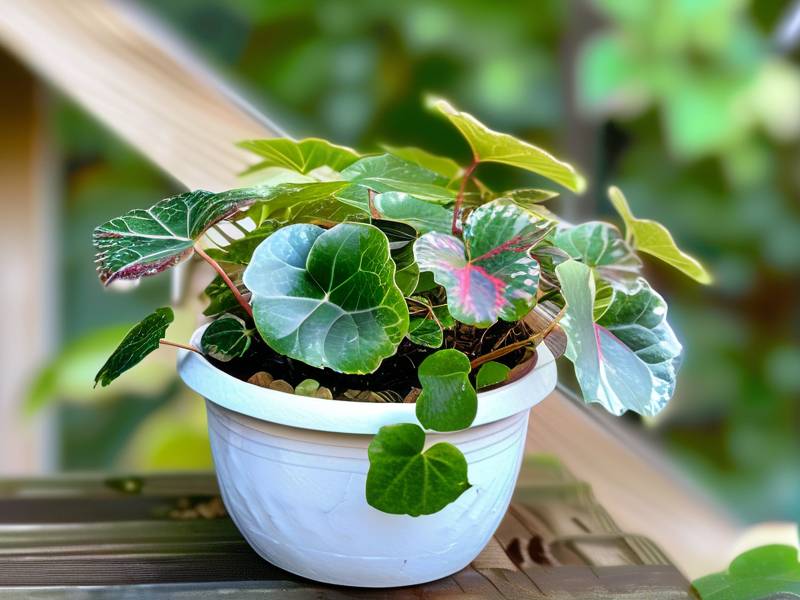
Before I give you the generic advice, let me explain what I actually did. I have a small-leaf ivy (Hedera helix ‘Goldchild’) that was turning yellow and dropping leaves like crazy. My first instinct was to water it more. Big mistake. After two weeks of adjusting, here’s what happened.
Week 1 – The Reformation. I stopped watering completely for 7 days. The soil felt bone dry two inches down. I moved it from my south-east windowsill to a north-facing shelf, about 3 feet from the window. I also switched the ceramic cachepot (no hole) for a terracotta pot with a drainage hole.
Week 2 – The Observation. I watered it thoroughly but only after the pot felt light. The new growth at the vine tips started looking perkier. The yellow leaves stopped spreading. Honestly, the plant looked shocked by the change at first, but by day 10, the color deepened back to that rich green with yellow edges.
The Hard Truth: Why Your Ivy Looks Sick
Most people don’t have an ivy problem. They have a watering can problem. I used to think "drought tolerant" meant "water when I remember." It doesn’t. It means the plant stores water in its fleshy roots and leaves. If you drown it, the roots suffocate. Then the leaves get crispy. Then everyone blames the light.
Mistake #1 – The Overwatering Trap.
I’m guilty. I watered my ivy on a schedule – every Monday. That’s how I killed plant number one. The soil stayed soggy, fungus gnats showed up, and the roots turned to mush. Small-leaf ivy wants that soil to dry out completely between drinks. In most homes, that means watering every 10-14 days, not twice a week.
Here’s what I do now: I stick my finger into the soil up to the second knuckle. If it feels dry, I water slowly until water runs out the bottom. If it feels damp, I walk away. I also lift the pot – a light pot means thirsty soil. You have to test this yourself.
Mistake #2 – Lighting Chaos.
I tried to give my ivy full sun. I thought "more light equals more growth." I was wrong. The small leaves got scorched within a week – brown, crispy edges. Then I moved it to a totally dark bathroom. That slowed growth to zero. The sweet spot is bright, indirect light or partial shade. That’s the "semi-shade" part. A few hours of gentle morning sun is okay, but harsh afternoon sun will burn it.
My setup: I keep my ivy on a bookshelf facing north. It gets no direct sun, but the room is bright during the day. The vines still trail down about 30cm, and they’re pushing out new leaves. If you only have a sunny window, pull the ivy back 2-3 meters or use a sheer curtain.
Mistake #3 – The Wrong Pot.
I loved my beautiful ceramic pots with no drainage. They looked clean. They were death traps. Water pools at the bottom, creating a bacterial soup. Small-leaf ivy roots need air. They hate sitting in moisture.
I tried using pebbles in the bottom as a "drainage layer." That didn’t help. The water table still rose up into the root zone. The only fix is a real drainage hole. I now use terracotta, which breathes and wicks moisture out from the sides. This alone cut down my root rot problems by half.
The Real Semi-Shade, Drought-Tolerant Routine
Here’s the 4-step plan I wish someone had given me on day one. I tested this for 14 days, and it works for both trailing shelf displays and climbing supports (like a moss pole or a window frame).
Step 1 – Water Less, But Deeply.
I’m not saying never water. I water thoroughly, until water runs out the hole, but then I wait. And I mean wait. The top two inches of soil must feel dry. For my cool, shady bathroom plant, that was every 11 days. For my warmer living room vine, it was every 8 days. Don’t count days. Check the soil.
Step 2 – Find the "Shade Sweet Spot."
The plant wants light, but not intense light. I placed my test ivy in a corner that gets a reflection off a white wall. That counted as bright shade. It grew slower than it would in a greenhouse, but it grew healthy. That’s the tradeoff. Expect slower growth in semi-shade. That's normal.
Step 3 – Mist the Air, Not the Leaves.
Small-leaf ivy likes some humidity, especially if your home has dry air. I used to spray the leaves directly. That caused spotty mildew. Now I run a small humidifier nearby for 2 hours a day. Or I place the pot on a tray of wet pebbles (not touching the water). The roots stay dry, but the air is moist.
Step 4 – Prune the Leggy Vines.
If you don’t prune, the vine just gets longer and sparser. I snipped off the bare stems at the soil line. This encouraged the plant to grow new branches from the base. I also pinched off the very tips of healthy vines to force two new leaves to appear. After two weeks, I got denser growth.
My Biggest "Aha" Moment
I really struggled with the idea that this plant is drought tolerant. In my mind, climbing vines always came from humid rainforests. Not true for ivy. The Royal Horticultural Society (RHS) classifies many Hedera cultivars as fully hardy and tolerant of dry shade once established. They actually prefer poor, well-drained soil to rich, boggy soil. If I’d known this from the start, I would have saved money on three dead plants.
I also learned that the American Horticultural Society (AHS) categorizes ivy zones broadly, but the key takeaway is the same: good drainage over extra watering.
Why 2 Weeks Changed My Plant
At day 0, my ivy had yellowed bottom leaves and brown tips. At day 7, growth looked static. At day 12, I noticed the new growth emerging from the crown – small, glossy, deep green. The root ball, which I checked by gently sliding the plant out, was white and healthy, not brown and mushy. That’s the visual proof you want.
Common Problems I Still See From Readers
What if the leaves turn brown and crispy despite less water? It’s probably salt buildup or too much light. Flush the soil with fresh water once and cut the light.
What if the growth is slow? That’s fine. Semi-shade is not a fast-growing zone. It’s a maintenance zone. My plant didn’t grow more than 5cm in two weeks. But it stayed alive and vibrant.
Should I fertilize in winter? No. I stopped feeding mine entirely in November. Fertizilizer with no light equals salt burn.
The "One-Week-Dry" Challenge
Here’s a simple test you can do right now. Stop watering your ivy for 7 days. Put your hand on the soil every day. You’ll be shocked at how dry it gets. That’s okay. After day 7, water it deeply. Then watch the leaves. They often plump up within 24 hours. This trick resets the plant and prevents root rot.
How to Climb Your Ivy Up a Wall
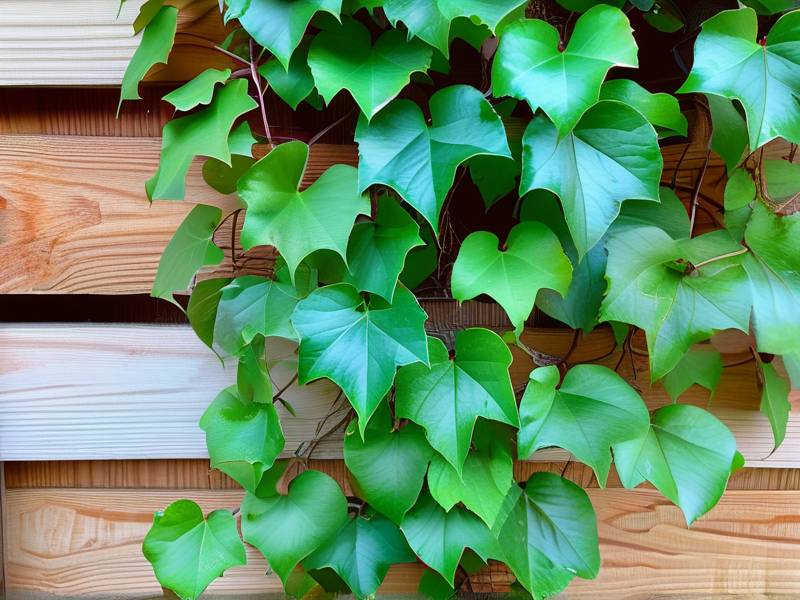
Since this is a climbing vine, you might want it to trek up a trellis. I use simple plastic clips on a wooden frame. But make sure the stem is secured loosely – don’t squeeze it. The aerial roots will grab onto a porous wall (like brick or moss). On painted drywall, they won’t stick. You’ll need to tie them.
My Final Word For Beginners
Trust me, I have been through the heartbreak of a withered ivy. I’m on my fourth plant. The difference now is I understand the "less is more" approach. Semi-shade? Yes. Drought tolerant? Absolutely – as long as you define "drought" as weekly, not monthly. And small leaves? That’s a character, not a defect.
Start with the pot. Then the light. Then the water. If you change those three things, your small leaf ivy will turn into a lush little curtain of green.
Frequently Asked Questions
Q: Can small-leaf ivy survive in a room with no windows?
Not really. It can survive for a few weeks but won’t thrive. It needs some ambient daylight. I tried it in a hallway with a skylight far away – it survived but stopped growing. Best to keep it near an east or north window.
Q: How often should I repot my ivy?
I check the roots every year. Small-leaf ivy likes being slightly root-bound. I only repot when roots come out of the drainage hole. Usually every 2 years. Don’t upsize too much – just one pot size larger.
Q: What’s the absolute fastest way to kill ivy?
Mulching it in water. Water it twice a week in a pot without holes. The roots drown to death. Every single time. Time it yourself. Your plant will be mushy in about 3 weeks.