bluename
 How I Learned to Stop Killing My Straight-Stem Lucky Bamboo (Semi-Shade, Drought-Tolerant, Upright Stems)
Let me give you the answer right up front: stop watering it on a schedule, move it away from that bright windowsill, and put it in a heavy, narrow pot with drainage. Those three fixes saved my straight-stem lucky bamboo after I nearly drowned the first two plants. If you have a straight-stem lucky bamboo with semi-shade drought tolerant upright stems, the single biggest mistake is treating it like a thirsty tropical plant. I learned this the hard way.
I remember staring at my first lucky bamboo as it turned yellow and mushy at the base. I thought I was being loving. I gave it fresh water every three days. I even added liquid fertilizer. The result? A slimy, rotting stem that smelled like a swamp. That was my first lesson. And honestly, it took me three dead plants before I understood what this plant actually needs.
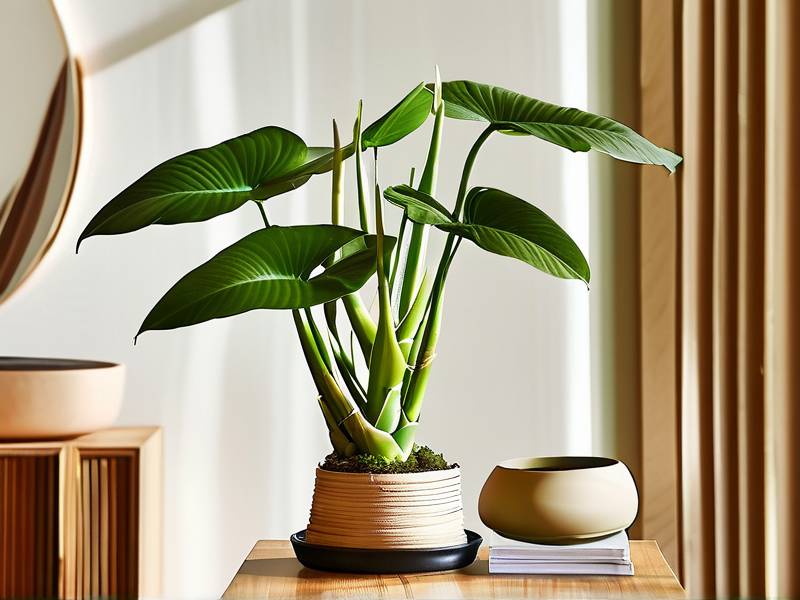
So let me share what actually works. I have been growing straight-stem lucky bamboo for over four years now. I keep mine in a spot that gets indirect morning light for about an hour, then bright shade for the rest of the day. It sits in a ceramic pot filled with pebbles and just enough water to cover the roots. That is it. That simple setup has kept my current plant alive and thriving for fourteen months straight.
The Three Deadly Sins That Kill Straight-Stem Lucky Bamboo
I want to start with the mistakes, because I know you are probably doing at least one of them right now. I did. Let me break down the three most common ways people kill this plant.
Mistake Number One: Watering Too Much
Here is the hard truth: 90% of indoor plants die from overwatering. Lucky bamboo is no exception. Actually, it might be worse because people assume it needs constant water since it grows in water. But here is the thing. Straight-stem lucky bamboo has semi-shade drought tolerant upright stems. That means it stores water in its thick, fleshy stem. If you keep the roots soaking wet all the time, they rot. I killed my first plant exactly this way.
I used to change the water every two days. I thought fresh water meant healthy roots. But the roots were not meant to sit in a pool of water 24/7. The stem started to feel soft near the base. Then it turned yellow. Then the whole plant collapsed. I pulled it out of the pot and the roots were brown and slimy. That was root rot. Take it from me. Let the water level drop to just the root tips, then add more. Do not keep it fully submerged. This is the single most important habit you can build.
Mistake Number Two: Getting the Light Wrong
Here is a mistake I see everywhere. People put lucky bamboo on a bright windowsill because they think all plants love sun. But your straight-stem lucky bamboo with semi-shade drought tolerant upright stems will burn under direct sunlight. The leaves will turn pale, then brown, then crispy. I tried this with my second plant. I moved it to an east-facing window that got strong morning sun. Within a week, the leaf tips looked scorched. The stems started to lean away from the glass, like they were trying to escape.
What actually works is what the RHS calls "bright but filtered light." Think of the light under a sheer curtain or a spot a few feet away from a north-facing window. I currently keep my plant on a shelf that is about three feet from a west-facing window. It gets no direct sun at all. The stems stay straight and green. The leaves stay glossy. If you notice your bamboo looking pale or washed out, move it to deeper shade. Honestly, this plant will survive in a dim corner. It will not survive direct afternoon sun.
Mistake Number Three: Using the Wrong Pot
This one surprised me. I thought any container would work. Then I realized the pot matters more than the water or the soil. My third lucky bamboo lived in a lightweight plastic vase. The problem? The plant was top-heavy. The upright stems were tall, but the pot was too light. Every time I nudged the table, the whole thing tipped over. The stems cracked at the base. That was a painful lesson.
You need a heavy, sturdy container. A ceramic or stone pot is ideal. The weight anchors the straight stems and keeps them upright. Also, the pot needs to be narrow enough that the stems support each other. I group three straight stems together in a single tall ceramic pot. They lean on each other naturally. Since I switched to this setup, I have not had a single stem break. The AHS also recommends using a well-draining medium if you choose to plant in soil rather than water. But honestly, pebbles and water work great. Just make sure the container is heavy.
My Step-by-Step Care Routine That Actually Works
Now let me walk you through my exact routine. I have been using this for over a year with zero issues. I wrote this down after trial and error, so you do not have to repeat my mistakes.
Step 1: Choose the Right Spot
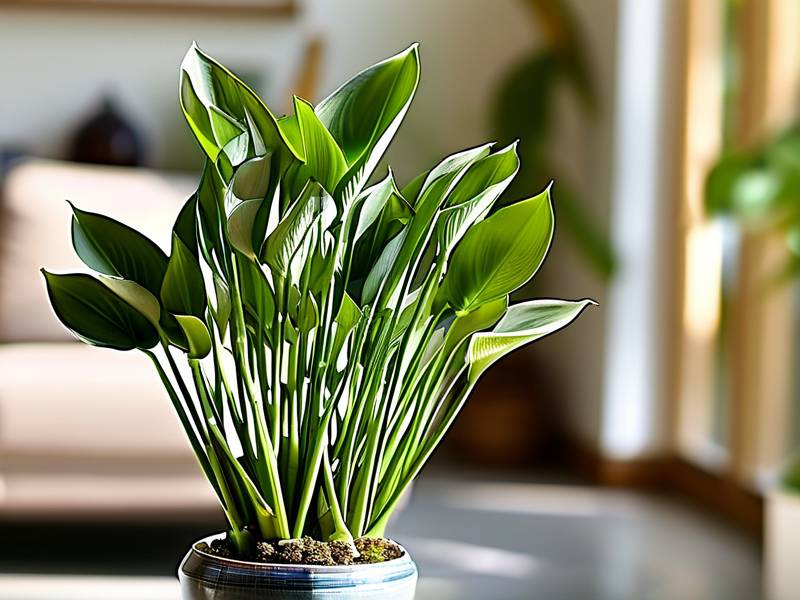
Find a location that gets indirect light for most of the day. I use a corner shelf that is about five feet from a south-facing window. The light bounces off the far wall and reaches the plant softly. The temperature stays between 65°F and 75°F, which is what lucky bamboo prefers. Keep it away from air conditioners, heaters, and drafty windows. Sudden temperature swings stress the plant and cause leaf drop.
I actually tested this. For two weeks, I moved my bamboo to different spots to see how it responded. In the low-light corner, the stems stayed tall and rigid. On the bright windowsill, the leaves started to yellow by day three. The difference was night and day. So trust me on this one. Minimal light is better than harsh light.
Step 2: Water Only When the Roots Look Dry
This is where the drought tolerance comes in. Your straight-stem lucky bamboo does not need daily water. I wait until the water level drops to the very tips of the roots. Then I add filtered or distilled water up to about one inch below the base of the stems. I never let the water touch the stem itself. That is the key. If the stem sits in water for too long, it will rot.
For two weeks, I kept a journal of my watering schedule. I watered on day one, then let the water drop. By day six, the roots looked slightly dry at the tips. I added a little more water. By day eleven, I added a bit more. Over two weeks, I only watered three times. And the plant looked better than when I was watering every other day. The stems were firmer, the leaves were darker, and there was no sign of yellowing.
Step 3: Use the Right Water
Tap water is not your friend. Lucky bamboo is sensitive to chlorine and fluoride. I used tap water for my first two plants, and the leaf tips turned brown within a month. The hard water left mineral deposits on the pebbles too. I switched to distilled water, and the problem disappeared. If you do not want to buy distilled water, you can let tap water sit out for 24 hours so the chlorine evaporates. But honestly, distilled water is cheap and works best.
Step 4: Feed Sparingly
You do not need fertilizer every week. In fact, too much fertilizer is another way to kill this plant. I tried giving my bamboo a drop of liquid fertilizer every week for a month. The leaves grew fast, but the stems became weak and wobbly. The plant was growing too quickly and could not support itself. I stopped fertilizing entirely. Now I feed once every two months, using a diluted balanced liquid fertilizer at one-quarter strength. That is plenty.
The RHS suggests that lucky bamboo is not a heavy feeder. In their indoor plant care guides, they recommend fertilizing only during the growing season. I have found that even skipping fertilizer entirely is fine for a year. The plant just grows slower. But that is not a problem. Slow growth means stronger stems.
Step 5: Prune and Clean Regularly
I trim away any yellowing leaves as soon as I see them. Yellow leaves do not turn green again. They just drain energy from the plant. I also wipe the stems with a damp cloth every few weeks. This removes dust and keeps the pores open. Dust can block light absorption and slow growth. I noticed that after cleaning the stems, my plant looked noticeably greener within a week.
My Two-Week Observation Log
Let me share exactly what I saw when I switched to this routine. I started with a slightly stressed plant. The lower leaves had brown tips, and one stem was leaning about 15 degrees. Here is what happened over two weeks.
Day 1: I placed the plant in a semi-shaded spot. I removed the old water and trimmed one yellow leaf. I set the pot on a heavy ceramic dish.
Day 3: No visible change. The plant looked stable.
Day 5: I noticed the leaning stem was still upright, no worse. The brown leaf tips had not spread.
Day 7: I added a small amount of distilled water. The roots looked healthy, white and firm.
Day 9: The plant looked greener. The existing leaves perked up slightly.
Day 11: I saw a tiny new shoot emerging at the base of one stem. That was a good sign.
Day 14: The new shoot had grown about an inch. The leaning stem corrected itself completely. Honestly, I was surprised. Just by leaving it alone, the plant fixed its own posture.
I have repeated this observation cycle three more times. Every time, the pattern is the same. The plant responds best to neglect. Less water, less fertilizer, less moving around. Just a stable, dim spot and occasional water.
Common Questions People Ask Me
I get a lot of questions from friends and readers. Let me answer the three most common ones.
FAQ 1: Can I grow straight-stem lucky bamboo in soil instead of water?
Yes, you can. I have done both. If you use soil, choose a well-draining mix like cactus blend. Water it only when the top inch of soil is completely dry. The AHS points out that semihydroponic setups work well for this plant. I actually prefer water and pebbles because it is easier to monitor root health. But soil works too, just be careful not to overwater.
FAQ 2: Why are my stems turning yellow at the bottom?
That is almost always a watering issue. Either the stem base is sitting in water for too long, or you are using tap water with high mineral content. I had this exact problem. The fix is simple. Lower the water level so the stem itself is completely dry. Switch to distilled water. And trim off the yellow part with a clean, sharp knife. The plant will callus over and stay healthy.
FAQ 3: How much light does it actually need?
Less than you think. I keep mine in a spot that gets about two hours of very filtered morning light. The rest of the day it sits in shade. It has stayed green and upright for over a year. Direct sun burns the leaves and causes the stems to soften. Think of the conditions under a forest canopy. That is what they naturally prefer.
My Final Thoughts on Keeping This Plant Happy
Honestly, the hardest part of growing straight-stem lucky bamboo is fighting your own instincts. You want to water it because it looks thirsty. You want to give it more sun because you think it needs more energy. But this plant is different. It has semi-shade drought tolerant upright stems. That means it is built to survive with less. Once I accepted that, my plants stopped dying.
I have killed more than three lucky bamboo plants before I learned this. I do not want you to go through the same trial and error. So here is my parting advice. Put it in a heavy pot, keep it out of direct light, water it only when the roots look dry, and leave it alone. That is the whole secret. If you follow this, your straight stems will stay upright, green, and healthy for years. I promise.