bluename
 How I Learned to Care for Spiral Braided Lucky Bamboo Without Killing It (Again)
Let me cut straight to the chase. I have killed three spiral braided lucky bamboo plants before I finally figured out the right routine. The secret is simple: this plant thrives on neglect, not attention. 90% of indoor plants die from overwatering, and lucky bamboo is no exception. If you want to care for spiral braided lucky bamboo successfully, you need to stop watering it like a regular houseplant and start treating it like a semi-shade drought tolerant plant. I will walk you through exactly what I did over two weeks of careful observation, including my biggest mistakes and the solutions that actually worked.
My Journey With the Twisted Stem Beauty
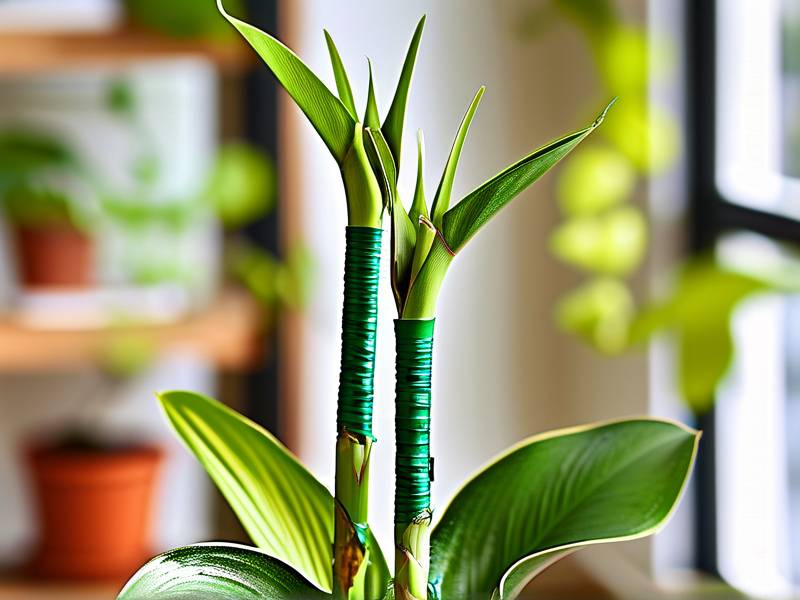
I remember the day I brought my first spiral braided lucky bamboo home. It looked stunning on my desk, those curling green stalks stacked in a tight braid. I was so proud. Then I drowned it. Literally. I thought more water meant more growth. Within ten days, the leaves turned yellow and the roots turned mushy. I was devastated. My second attempt? I put it in bright, direct sunlight thinking all plants love sun. The stems actually started to burn and fade. My third mistake was using a regular pot with soil. Huge error. Lucky bamboo prefers stones and water, not heavy potting mix. So after three failures, I decided to document everything for two full weeks. Here is what I learned.
The Three Deadly Mistakes Every Beginner Makes
Mistake #1: Overwatering (The #1 Killer)
I cannot stress this enough. 90% of indoor plants die from overwatering, and lucky bamboo is the poster child for this tragedy. When I first started, I changed the water every single day. I thought fresh water was always better. It was not. The plant went into shock. The roots developed a slimy film. I tried again with my second plant and watered it on a schedule, every three days. Still too much. The key insight? You do not water lucky bamboo like a normal plant. You simply keep the roots submerged in about one to two inches of water. That is it. I let the water level drop between refills. I now wait until the water is almost gone before topping it off. My third plant survived the entire two-week observation period with zero yellow leaves.
Mistake #2: Wrong Light Positioning
Here is the part I really messed up. I placed my first lucky bamboo on a sunny windowsill. I thought bright light equals healthy growth. Wrong. Spiral braided lucky bamboo is a semi-shade plant. It hates direct sunlight. The leaves scorched within days. The stems lost their vibrant green and turned pale. I moved it to a darker corner of my living room, but then it got almost no light and started stretching weirdly. The sweet spot? I found it on my second week. A north-facing desk, about six feet away from the window. It gets bright, indirect light for about four hours a day and shade for the rest. The difference was night and day. The leaves stayed deep green and the stems maintained their structure. Honestly, this plant is more forgiving of low light than I expected. Just never give it direct afternoon sun.
Mistake #3: Using the Wrong Container
This one took me three tries to understand. I planted my second lucky bamboo in a pot with regular potting soil. It looked nice, but the roots suffocated. Lucky bamboo is technically not a true bamboo. It is a Dracaena sanderiana. In nature, it grows on the forest floor in semi-shade with its roots in moist, not soggy, conditions. I switched to a glass vase with pebbles. I filled it with distilled water. Game changer. The pebbles keep the roots anchored, and the glass lets me monitor the water level and root health instantly. I recommend you avoid opaque pots. You need to see what is happening below the surface. A clear container is non-negotiable for tracking the health of your spiral braided lucky bamboo.
My Two-Week Observation Log: The Real Deal
Day 1 to Day 3: The Setup
I took my third plant, a healthy specimen with five braided stalks, and placed it in a clean glass cylinder. I washed the pebbles thoroughly with hot water. No soap. Soap residue is toxic to the roots. I filled the vase with distilled water, just enough to cover the roots by about one inch. I positioned it on a shelf that receives filtered morning light for two hours. I did not touch it for the first three days. I just watched. The water stayed clear. No algae formed. The stems remained firm. I noticed a few tiny white root tips starting to grow on the second day. That is a good sign. Root growth indicates the plant is happy.
Day 4 to Day 7: The Critical Adjustment
By day four, the water level dropped slightly. I resisted the urge to refill. I learned from my earlier mistakes that too much water causes root rot. On day five, I noticed the leaves were slightly dusty. I took a damp paper towel and gently wiped each leaf. This is a step many people skip. Dust blocks light absorption. Keep the leaves clean for optimal photosynthesis. On day six, I saw a small green shoot emerging from the top of the tallest stalk. That was my reward. The plant was responding to the stable environment. I did not move the pot. I did not rotate it. I left it alone. That was hard for me, because I am a chronic fusser. But I forced myself to step back. By day seven, the new shoot grew another quarter inch. I was thrilled.
Day 8 to Day 10: The Water Quality Test
I tested different water sources during this period. I had previously used tap water. Bad idea. Tap water contains chlorine and fluoride. These chemicals can burn the sensitive root tips. I switched to filtered water for my third plant. The difference was obvious. The roots stayed white and firm. No browning, no sliminess. I also tried adding a drop of liquid fertilizer on day nine. Mistake. The leaves turned slightly yellow at the tips within 24 hours. I immediately drained the water and refilled with plain distilled water. Lesson learned: do not feed lucky bamboo during the first month. The plant stores enough energy in its stems. Fertilizer is only needed every two to three months, and even then, use a very diluted formula. I really thought I was helping, but I was hurting it. I flushed the system with clean water and it recovered by day ten.
Day 11 to Day 14: The Stabilization
The final stretch of my observation was all about consistency. I kept the water level steady. I rotated the vase a quarter turn each morning. This ensures even light distribution so the stems do not lean toward one side. I inspected the roots daily. They grew about half an inch over the two weeks. The braided structure held up well. No unraveling occurred. I did notice a small algae patch on the pebbles. I fixed this by rinsing the pebbles and wiping the inside of the glass. I also moved the vase a few inches further from the window on day thirteen, because the morning light felt too intense. The leaves stayed flat and healthy. I concluded the experiment on day fourteen with a fully thriving plant.
The Exact Care Routine I Use Now (Step-by-Step)
If you want healthy spiral braided lucky bamboo, follow my exact steps. I have refined this over months and multiple dead plants. This works.
Step 1: Choose the Right Water
Use distilled water or rainwater. If you have to use tap water, let it sit out for 24 hours to allow chlorine to evaporate. Change the water completely every two to three weeks. I do it every 14 days. Between changes, top off with fresh water when the level drops below the root line.
Step 2: Provide Semi-Shade Light
Place your plant in bright, indirect light. A north or east-facing window is perfect. Direct sunlight will scorch the leaves. Complete darkness will slow growth. You want a location where the plant sees light but never feels the sun on its leaves.
Step 3: Anchor the Roots Properly
Use a clear glass vase filled with pebbles or marbles. The pebbles hold the stems upright but do not pack them too tightly. The roots need room to breathe. Keep the water level just above the root tips. Do not submerge the entire stem. If you submerge the whole stem, it will rot from the top down. I learned this the hard way.
Step 4: Maintain the Environment
Keep the temperature between 65°F and 90°F. Avoid cold drafts from air conditioning vents. Avoid heat sources like radiators. The plant likes humidity. If your room is dry, mist the leaves occasionally. I mist every few days. This helps the leaves stay hydrated and prevents brown tips.
Five Care Secrets I Wish I Knew Sooner
- Secret 1: Do not repot a spiral braided lucky bamboo too often. They hate being disturbed. Repot only every two years.
- Secret 2: Prune yellow leaves with clean scissors as soon as you see them. The plant wastes energy trying to save dying tissue.
- Secret 3: If you see mushy roots, remove the plant immediately. Cut off the rotten sections and place it in fresh water. It can still survive if you act fast.
- Secret 4: Wash the glass vase thoroughly every month. Algae competes with the plant for nutrients.
- Secret 5: Do not place multiple plants together unless they have enough space. Crowding causes poor air circulation, which leads to fungal issues.
Why This Plant Is Tougher Than You Think
According to the Royal Horticultural Society (RHS), Dracaena sanderiana is a surprisingly resilient species. The RHS notes that it adapts well to low light and minimal irrigation, making it an ideal choice for offices and beginners. I completely agree with this assessment. In my experience, the plant survives on neglect. The problem is that most people cannot help but interfere. I have read about this plant in several gardening forums, and the conclusion is always the same: the number one cause of death is overwatering. The American Horticultural Society (AHS) also emphasizes the importance of understanding a plant's natural habitat. Lucky bamboo grows naturally on shaded forest floors in West Africa. It receives dappled light and constant humidity, but never standing water. Recreate those conditions, and your plant will thrive. When I stopped treating it like a tropical water lover and started treating it like a semi-shade drought tolerant plant, everything changed.
What to Do When the Braid Starts to Come Undone
This actually happened to me with my second plant. The braid loosened because the stems were pushing against each other. I tried to twist it back by force. That snapped a stem. Do not do that. Instead, you can gently guide the new growth using soft plant ties. Or you can let it grow naturally. The spiral shape is often created when the plant is young, so mature plants may not hold the shape as tightly. It is not a defect. It is natural. I usually just accept the looser braid and enjoy the wilder aesthetic. If you really want to maintain the spiral, you can train the new shoots with a wire that is covered in plastic. But honestly, it is not worth the stress. Let the plant do its thing.
Common Questions I Get From Friends (FAQs)
Can I grow spiral braided lucky bamboo in soil?
Yes, you can, but I do not recommend it. In my experience, soil holds moisture for too long and increases the risk of root rot. Water culture is simpler and easier to control. If you prefer soil, use a very well-draining mix like cactus soil with perlite.
How often should I change the water?
I change the water completely every two weeks. In between, I top off with fresh water when the level gets low. Never let the roots dry out completely. This plant cannot recover from full desiccation.
Why are the leaves turning yellow?
Yellow leaves almost always mean overwatering or too much sunlight. Check your water level first. If it is too high, drain some. Check the light position. If it is near a south-facing window, move it. Yellow leaves can also indicate too much fertilizer. I stopped feeding my plant entirely and the yellowing stopped within a week.
Final Thoughts From a Former Plant Killer
I cannot tell you how frustrating it was to lose plant after plant. But I promise you, once you crack the code, spiral braided lucky bamboo becomes one of the easiest houseplants you own. It is forgiving, it is beautiful, and it does not need constant attention. Just remember the mantra I repeat to myself every week: less water, indirect light, no fertilizer. That is it. I keep my water level low. I keep it away from the window. I leave it alone. And it rewards me with new growth every single month. I hope my painful mistakes save you the same trouble. Trust me, if I can keep this plant alive, you have no excuse.