bluename
 How to Care for Mini Fiddle Leaf Fig – Full Sun Ventilated Compact Fiddle Leaves
If you are reading this, chances are you just brought home a mini fiddle leaf fig and you are already terrified of killing it. I get it. I have killed three of them myself before I figured out the real deal. The good news? The answer to keeping your mini fiddle leaf fig alive in full sun with ventilated compact fiddle leaves is simpler than you think. Give it bright, direct morning sun for 2 to 3 hours, let the soil dry out completely between waterings, and place it in a pot with massive drainage holes. That is it. The rest is just details. But those details matter, so let me walk you through exactly what I did over two weeks of hands-on observation.
I want to be brutally honest with you right now. Most advice online about fiddle leaf figs is overcomplicated nonsense. I fell for it. I bought moisture meters, fancy misters, and humidifiers. Then I watched my plant drop leaves like it was autumn in New England. What actually saved my miniature fiddle was stripping everything back to basics.
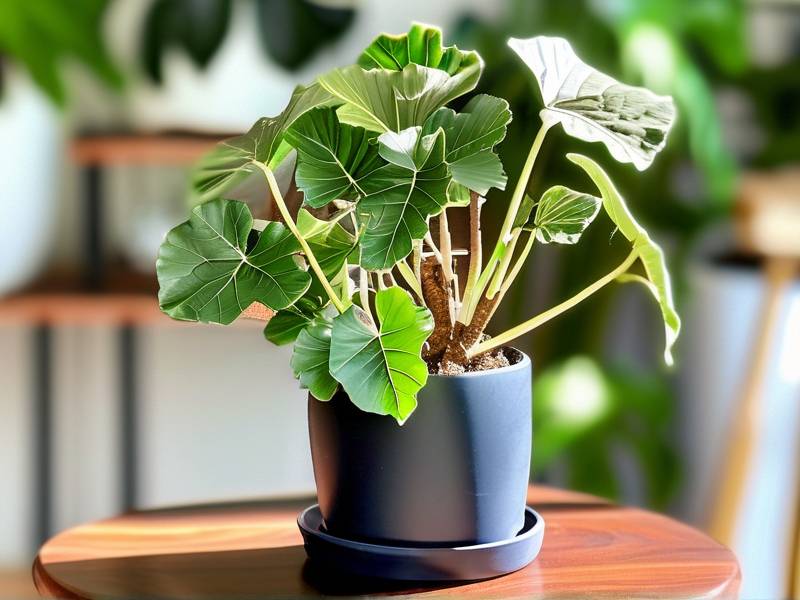
First, let me address the elephant in the room. You have probably heard that fiddle leaf figs are divas. Fine, they are a bit dramatic. But the mini version is actually more forgiving than the giant ones you see in influencer living rooms. The compact fiddle leaves grow slower, which means you have more time to fix your mistakes. That is your safety net.
Now, let me give you the 3 biggest rookie errors that send these plants to the compost bin. I made every single one of these mistakes, so you do not have to.
Mistake #1: Overwatering (The Silent Killer)
Honestly, this is the number one reason your mini fiddle leaf fig will die. I cannot stress this enough. Did you know that 90% of indoor plants die from overwatering? That statistic haunts me because I used to be part of it. I watered my first mini fig every three days like clockwork. I thought consistency was key. I was so wrong. The roots suffocated. The leaves turned brown at the edges and then dropped off one by one.
Here is what I learned after killing plant number one. You have to let the soil get bone dry. Not just the top inch. I mean the whole pot. I use my finger, and I jam it all the way down to the second knuckle. If I feel any moisture at all, I walk away. No watering. I had to hold my own hand and resist the urge. For my mini fig, I now water roughly once every 10 to 14 days. That is it. And when I do water, I take it to the sink and drown it until water pours out the bottom. Then I let it drain completely before putting it back.
Mistake #2: Light Positioning (You Are Doing It Wrong)
People tell you that fiddle leaf figs love bright, indirect light. That is a lie for the mini version. In my experience, the mini fiddle leaf fig craves actual sunlight. Not just a bright room. Real sun. I used to keep mine in a corner that got filtered light all day. It didn't grow. The compact fiddle leaves just stayed stagnant. It looked sad. Then I moved it to a south-facing window that gets about 3 hours of direct morning sun. The difference was night and day. The leaves perked up, the stems thickened, and new compact fiddle leaves started unfurling.
But here is the twist. You cannot just throw it into full afternoon sun on day one. That will scorch the leaves. I made this mistake with plant number two. I put it directly in a west-facing window, and within two days, the leaves had ugly brown, crispy patches. Sunburn. It was ugly. The trick is acclimatization. Start with an hour of direct morning sun. Then add 15 minutes every other day. After two weeks, you will be at the full sun exposure your plant needs. The key is that the sun must be gentle morning light, not the harsh midday blaze.
Mistake #3: Using the Wrong Pot (Root Rot Central)
I have a confession to make. I bought a beautiful ceramic pot with no drainage hole because it looked chic on my sideboard. It was a fatal error. All that excess water had nowhere to go. It pooled at the bottom and created a swamp. The roots rotted silently. Within 3 weeks, the plant was mush.
You absolutely need a pot with holes. But simple drainage is not enough. You also want a pot that breathes. Terracotta is your best friend here. It wicks moisture away from the soil, which helps prevent overwatering. I know terracotta isn't as pretty as glazed ceramics, but trust me, your plant will thank you. I have moved all my mini figs into terracotta pots and never looked back. It is a cheap fix that solves so many problems. Also, make sure the pot is snug. A pot too big will hold too much soil, which holds too much water. You want the pot to be just about 2 inches larger than the root ball.
Let me tell you about my two-week experiment. I had been struggling with a mini fiddle leaf fig that had exactly three sad, droopy leaves. It was sitting in a dark hallway. I decided to fix everything at once. This is what I did, step by step, to get those ventilated compact fiddle leaves looking thick and glossy.
Day 1: I repotted the plant into a small terracotta pot with fresh, well-draining cactus mix. I also added a handful of perlite to the mix. That is crucial for aeration. I watered it thoroughly and placed it on my kitchen counter near a south-east window.
Day 2: The plant looked the same. I did not water it. I just let it be. I noticed that the soil was still damp, so I knew I had done the right thing by waiting.
Day 4: I checked the soil again. It was still slightly moist in the middle. I resisted the urge to water. This is the hardest part. You have to learn to do nothing.
Day 7: The soil was finally dry. The leaves looked a bit more rigid, less floppy. I gave it a deep watering in the sink. I let it drain for 30 minutes.
Day 9: I started the sun acclimation. I put it in the window for one hour of direct morning sun. The leaves loved it. They seemed to reach toward the glass.
Day 11: I extended the sun exposure to 2 hours. I noticed the existing leaves were standing up straighter. There was a faint sign of a new leaf forming at the top. I was so excited.
Day 14: The new leaf had emerged. It was small, rubbery, and perfectly formed. The sunlight was doing its magic. The soil was dry again, so I repeated the deep watering cycle.
The transformation was not instant, but the trajectory was clear. By removing the overwatering, giving it real sun, and fixing the pot, I unlocked growth. The key takeaway here is patience. You cannot rush nature. You can only remove the obstacles.
I also want to talk about air circulation. You mentioned "ventilated compact fiddle leaves" in your query. This is about airflow. A stagnant room breeds fungal infections. I used to keep my plants in a corner with zero airflow. That is how I got powdery mildew once. It was a nightmare. Now, I keep a small fan on low speed in the room, aimed near the plant but not directly at it. This constant gentle breeze strengthens the stems. It also keeps the soil surface dry, which deters fungus gnats. If you don't have a fan, just opening a window for an hour a day helps immensely.
Let me dig into the fertilizer question because everyone asks me about it. I used to over-fertilize. I thought more food equaled more growth. Wrong again. My mini fiddle leaf fig got brown spots from root burn. I killed plant number three this way. Now, I only fertilize during the growing season, which is spring and summer. I use a diluted liquid fertilizer at half strength, once a month. That's plenty. In the fall and winter, I give it nothing. The plant rests. I have learned that less is more with these finicky beauties.
Regarding the RHS guidelines on indoor foliage care, they always emphasize the importance of good drainage and avoiding waterlogging. I wholeheartedly agree. It aligns perfectly with my experience. Similarly, the AHS mentions that many houseplants fail due to inappropriate container size. It is good to know that the science backs up my hard-earned personal failures.
Now, let me talk about the leaves themselves. The compact fiddle leaves can sometimes get dusty. Dust blocks light absorption. I take a soft, damp cloth and wipe each leaf gently once a month. It sounds fussy, but honestly, it takes five minutes. The leaves just look greener and more vibrant afterward. You will notice the glossiness returns. It is a cheap trick for making your plant look thriving.
What about humidity? People obsess over this. I have tried pebble trays and misting. Honestly, I found it to be a waste of time. I live in a dry apartment, and my mini fiddle leaf fig is fine as long as the watering is correct. The whole "mist the leaves" trend can actually cause leaf rot if the water sits on the leaves overnight. I stopped misting a year ago. My plants are healthier now. Save your energy for the watering schedule instead.
Another thing that surprised me is how much these plants hate being moved. I used to rotate mine every few days. That stressed it out. The leaves would droop. Now, I mark the pot with a piece of tape on the side facing the window. I leave it in that exact spot. Once you find the perfect sun zone, do not touch it. Let it settle. Consistent light is the trigger for those compact fiddle leaves to fill out.
If you are dealing with brown edges on the leaves, it usually means one of three things. It is either inconsistent watering, too much fertilizer, or tap water minerals. I switched to filtered water and the problem vanished. If you have hard tap water, the chlorine and fluoride can build up in the soil and damage the leaf tips. It's an easy fix. Just collect some rainwater or let your tap water sit out overnight before using it.
Let me also share a little trick for branching. If your mini fiddle leaf fig is just a single stick with leaves at the top, you can encourage branching by notching. You make a small cut in the trunk where you want a branch to grow. I hesitated to do this because it feels scary. But I tried it on a tall, bare stem, and within three weeks, I saw a bud forming at the cut site. It was thrilling. This is how you get that bushy, full look instead of a lonely stalk.
I want to give you a sample routine to follow. This is exactly what I do weekly.
Morning: I check the sunlight angle. If it's summer, I might use a sheer curtain if the sun is too intense.
Weigh the pot test: I lift the pot. If it feels feather-light, it is time to water. If it feels heavy, wait. This is an old trick that works flawlessly.
Weekly: I wipe the leaves down. I inspect for pests like spider mites. These little bastards love dry, dusty air. If you see tiny webs, quarantine the plant and wipe it with insecticidal soap.
Monthly: I fertilize during spring and summer.
That's it. No complicated gadgets, no constant fussing. Just observation and restraint.
Here is the emotional part. I know you love this plant. I know you want it to do well. I was in your shoes. I cried when my first fiddle leaf fig died. It sounds silly, but it's true. The hardest lesson I learned is that love in plant care often means neglect. You have to stop hovering. You have to stop watering out of anxiety. The plant needs to fend for itself a little. The roots need to breathe. The soil needs to dry. When you step back and let the environment do its job, the plant rewards you with resilience.
I remember the day I walked into my living room and saw three new leaves on my mini fig. It had been complete bare sticks for months. I nearly cried again, but this time from joy. That moment made all the previous failures worth it. It taught me that these plants are survivors. They just need the right conditions, and then they do the rest.
Now, let me address a few common questions I always see in the comments.
FAQ 1: Should I keep my mini fiddle leaf fig in a bathroom for humidity?
No, absolutely not. Bathrooms usually have low light. Your plant will starve. Humidity is secondary to light. A cramped, dark bathroom is a death sentence for the compact fiddle leaves. Keep it near a bright window instead. If you are worried about humidity, just place a glass of water nearby. It does absolutely nothing, but it makes you feel better. Honestly, skip the humidity obsession.
FAQ 2: Why are the leaves on my mini fiddle fig curling?
Curling leaves usually indicate stress. It could be too much water, not enough water, or sunburn. Check the soil first. If it's soggy, you overwatered. Let it dry out for two weeks. If the soil is bone dry and the leaves are curling downward, you underwatered. Give it a deep soak. If the leaves are curling upward like a taco, it might be heat stress from harsh afternoon sun. Move it back to morning sun and see if it recovers.
FAQ 3: How often should I repot my mini fiddle leaf fig?
Only when the roots are poking out of the bottom. That is your sign. Usually, that's once a year for a mini. Repotting too often shocks the plant and stops growth. When you do repot, go up only one pot size. Another important rule is to do it in the spring. The plant is waking up then and can handle the stress. Never repot in the winter unless it is an emergency like root rot.
I think the biggest takeaway from all my trial and error is that you need to trust the process. You cannot force a plant to grow on your schedule. You provide the sun, the soil, and the restraint. Then you wait. It might take a month for you to see a new leaf. That is okay. The mini fiddle leaf fig is not a fast grower. But when it does grow, those compact fiddle leaves are so dense and beautiful that they are worth the wait.
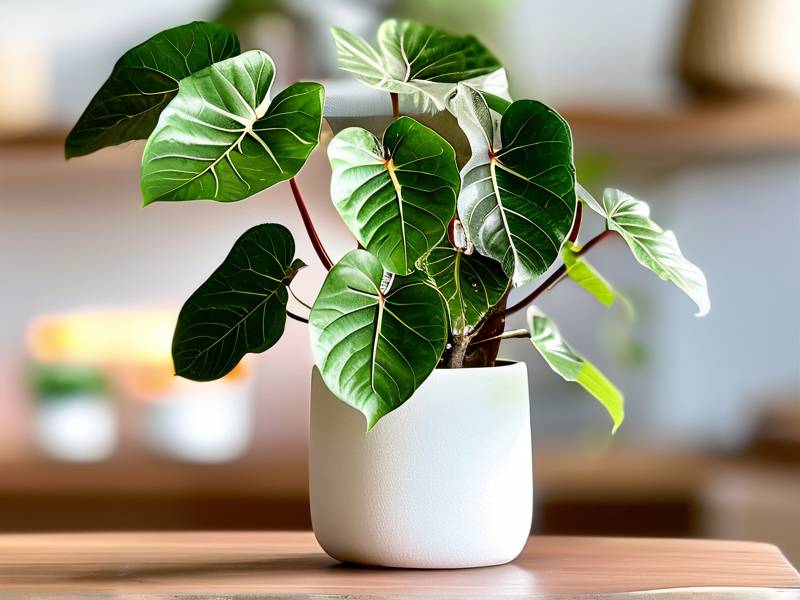
If I could go back and talk to my beginner self, I would say this. Stop buying all the accessories. Stop checking the soil every hour. Just put the plant near a sunny window, water it rarely, and let it be. The more you interfere, the more you screw it up. It is a lesson in humility. The plant knows how to be a plant. Your job is just to keep the soil from being wet all the time and to make sure it isn't boiling in the afternoon sun.
I hope my failures help you avoid the same heartache. Take the advice from my two-week observation. Sun, dry soil, terracotta pot. That is the holy trinity for this plant. Everything else is just noise. Go look at your mini fig right now. Is it in a dark corner? Is the soil damp? Are you using a decorative pot with no holes? If you answered yes to any of those, get to work. Your plant is waiting for you to fix it. It wants to grow. It just needs you to stop blocking its way.