bluename
 How to Care for Dwarf Philodendron Selloum – Warm Semi-Shade Moist Compact Split Leaves
If you are searching for how to care for Dwarf Philodendron Selloum, the honest answer is this: give it warm semi-shade, keep the soil lightly moist, and never let it sit in a soggy pot. I learned this the hard way after killing my second plant. The first one died from root rot. The second one died from sheer neglect mixed with too much direct sun. The third one? It thrived. And it all came down to three simple fixes.
I remember the day I brought my first Dwarf Philodendron Selloum home. It looked perfect. Compact, dark green, those signature split leaves like little hands reaching out. I placed it near a south-facing window because I thought more light equals more growth. Within ten days, the leaf edges turned brown and crispy. I was furious. I had done everything right. Except I hadn’t.
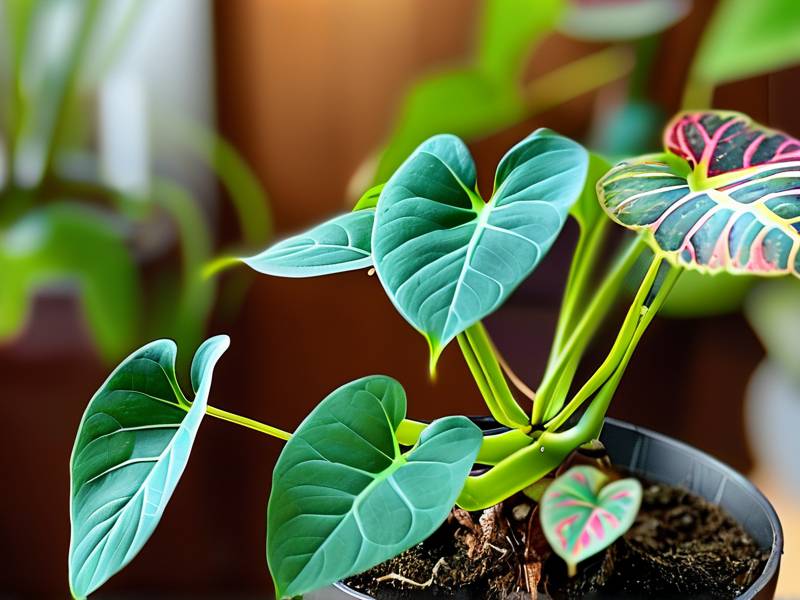
Here is the deal. This plant is not a full-sun diva. It is a semi-shade lover. Think of a jungle floor under a canopy. That is its happy place. So placement matters more than almost anything else. I keep mine about three feet away from an east-facing window now, and the new leaves come out glossy and firm. The temperature stays between 18°C and 27°C. I never let it drop below 15°C because cold drafts cause black spots. I also avoid air conditioning vents like the plague.
Now, about watering. I cannot stress this enough. 90% of indoor plants die from overwatering. That is not my opinion. That is a statistic I have seen repeated across countless gardening forums. And I believe it because I was part of that 90%. My second Dwarf Philodendron Selloum died because I watered it on a fixed schedule. Every Monday. Like clockwork. The soil stayed wet for days. The roots suffocated. The leaves yellowed and dropped. It broke my heart.
So here is my routine now. I stick my finger into the soil up to my second knuckle. If it feels dry, I water. If it feels even slightly damp, I wait. Simple as that. I also switched to a terracotta pot with a drainage hole. That was a game changer. Terracotta wicks away excess moisture. Plastic pots trap it. I learned this after my third plant started showing early signs of stress. The moment I repotted into terracotta, the leaves perked up within a week.
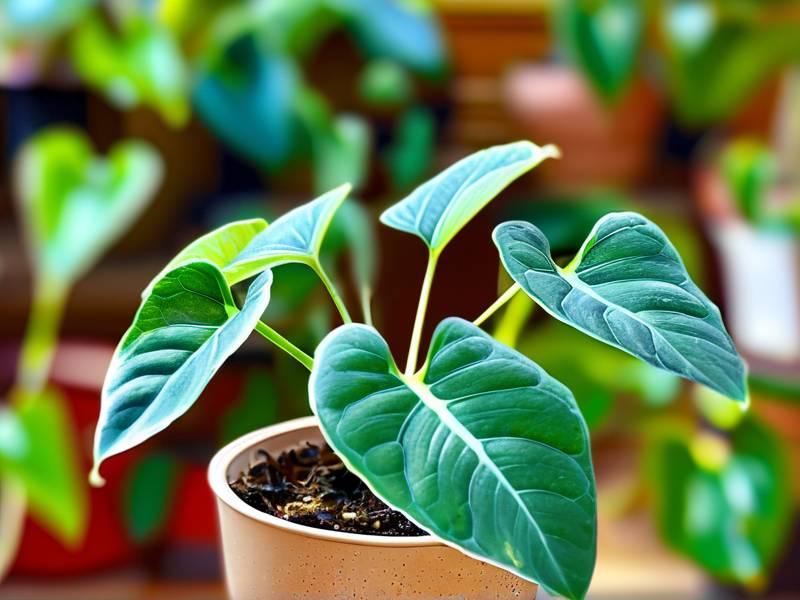
Let me tell you about the three deadly mistakes beginners make. I made all of them, so I know them intimately.
Mistake number one is overwatering. I already covered this. But let me repeat it because it is that important. Your plant does not need a drink every day. It needs a drink when the top inch of soil is dry. Most people water out of love, not out of necessity. Stop that. Your plant will thank you.
Mistake number two is wrong light placement. People often think "low light" means "no light". That is false. Dwarf Philodendron Selloum needs bright, indirect light. Direct afternoon sun burns the leaves. Deep shade makes the stems leggy and the leaves smaller. I learned this when I moved one plant to a dark corner of my bedroom. It stretched toward the window like it was reaching for life. The internodes became long and awkward. The split leaves lost their definition. It looked sad. I moved it back to bright filtered light, and within two weeks, new growth appeared. Tight, compact, beautiful.
Mistake number three is using the wrong pot. I cannot tell you how many times I see people use a decorative pot with no drainage. They plant their Philodendron directly into a ceramic jar or a glass vase. That is a death sentence. Water collects at the bottom. Roots sit in water. Rot sets in. If you love a decorative pot, use it as a cachepot. Plant your Philodendron in a nursery pot with holes, then slide that into the pretty container. Always dump out any excess water that collects after watering. Do not let it sit there.
I also tried self-watering pots once. Big mistake. They kept the soil too wet for my taste. My plant developed yellow lower leaves. I repotted into a standard pot with a mix of potting soil, perlite, and orchid bark. That combination gives me the perfect balance of moisture retention and aeration. The roots can breathe. The water drains freely. And I stopped losing plants.
Let me walk you through my exact two-week observation routine. Day one, I check the soil moisture. If dry, I water thoroughly until water runs out the bottom. I let it drain completely. Then I do not touch it again until the soil feels dry at the top. Usually that takes four to five days in my environment. By day seven, I notice the leaves are standing upright and firm. By day ten, a new leaf starts to unfurl from the center. It is pale green at first. That is normal. It will darken over the next few days. By day fourteen, the new leaf is fully open, glossy, and the split edges are visible. I feel a little thrill every time.
One thing I want to share about humidity. Most apartments are dry, especially in winter. This plant tolerates average home humidity, but it appreciates a little extra. I mist mine every few days. Some people use a pebble tray. I tried that too. It works, but I found misting simpler. Do not go overboard. Too much moisture on the leaves can cause fungal spots. Just a light mist in the morning is fine. Or better yet, group it with other plants. They create their own microclimate.
Fertilizing was another area where I messed up. I used to feed my plants every week because I thought more food equals more growth. Wrong. I burned the roots. The leaf tips turned brown. The plant looked stressed. Now I feed it once a month during spring and summer. I use a balanced liquid fertilizer diluted to half strength. In autumn and winter, I do not fertilize at all. The plant rests. That rest period is crucial for healthy growth in the next season.
Pruning is simple. I only remove yellow or dead leaves. I use clean scissors and cut at the base of the stem. I also rotate the pot a quarter turn every week. This ensures the plant grows evenly. Otherwise, it will lean toward the light source, and the shape will become lopsided. I like a compact, bushy look. Regular rotation helps with that.
Pests are not a huge issue for me, but I have seen spider mites and mealybugs. The best cure is prevention. I wipe the leaves with a damp cloth every two weeks. This keeps dust off and lets the plant photosynthesize properly. If I spot pests, I use a neem oil solution. Spray the leaves, especially the undersides. Repeat after a week. It usually works.
I want to mention the RHS view on this plant. The Royal Horticultural Society recommends warm indoor conditions with bright, filtered light. They emphasize allowing the top layer of compost to dry out between waterings. That aligns perfectly with my experience. The American Horticultural Society also highlights the importance of well-draining soil and consistent moisture without waterlogging. I trust these sources because they base their advice on years of horticultural research. My personal experience matches their guidelines, which makes me feel confident in sharing this advice.
Repotting is something you only need to do every two years or so. This plant likes to be slightly root-bound. I repot in spring only when I see roots coming out of the drainage holes. I move it to a pot that is one size larger. No more. Too much space can cause water to linger and root rot to develop. I use a fresh mix of potting soil, perlite, and bark. After repotting, I water lightly and keep the plant in a shaded spot for a few days. This reduces transplant shock.
I remember one year when I repotted in summer. Big mistake. The heat stressed the plant. It dropped a few leaves. I panicked. But I left it alone, kept the soil barely moist, and within three weeks, it bounced back. The lesson? Do things at the right time. Do not force change during extreme weather.
If you are a beginner, I want to say this clearly. Do not start with the fanciest pot or the most expensive fertilizer. Start with the basics. A good pot with drainage. A well-draining mix. A consistent watering routine. And the right light. That is 80 percent of success. The rest is just patience and observation.
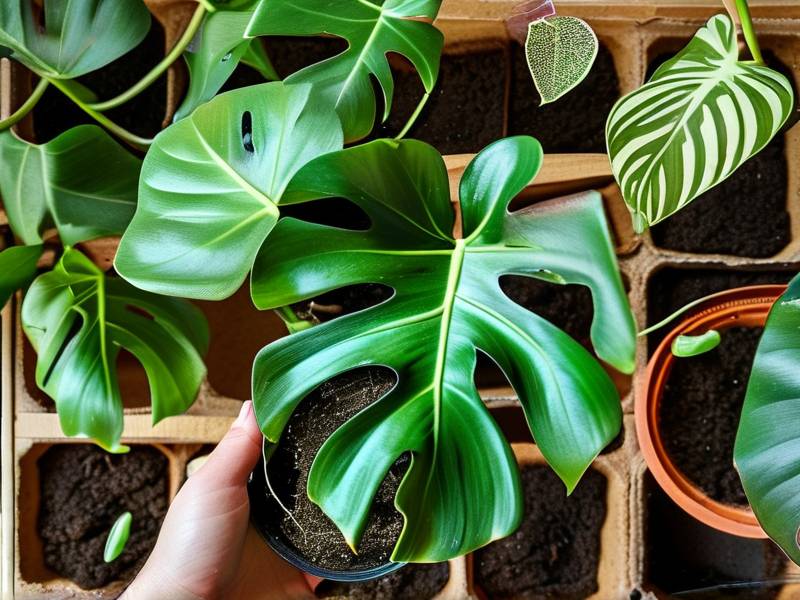
Many people ask me how to make the split leaves more pronounced. Honestly, you cannot force it. The split leaves develop with age and proper care. Young plants have smaller, less divided leaves. As the plant matures, the leaves get larger and the splits become more dramatic. Give it time. Keep the environment stable. Do not move it around too much. Stability is key.
I also want to address the question of outdoor growing. This plant can go outside in summer in mild climates. I tried it. I placed mine on a shaded porch. It loved the fresh air. The growth rate increased. But I brought it indoors before temperatures dropped below 15°C at night. These plants are tropical. They do not handle cold. Do not leave them out in autumn. It is not worth the risk.
One more thing about watering technique. When I water, I do it slowly. I pour a little, wait for it to absorb, then pour more. This ensures the water reaches the roots evenly. I do not just dump a cup of water on top. Sometimes the soil becomes hydrophobic if it dries out completely. In that case, I soak the pot in a basin of water for about fifteen minutes. That rehydrates the soil properly. Then I let it drain thoroughly.
The Dwarf Philodendron Selloum is a forgiving plant once you understand its needs. It does not demand constant attention. It grows at a moderate pace and rewards you with stunning foliage. But it will not survive if you treat it like a cactus or a fern. It is somewhere in between. Warm, humid, and stable. That is the sweet spot.
I have killed three of these plants in my time. That is a hard confession. But each failure taught me something valuable. The first taught me about overwatering. The second taught me about light. The third taught me about pot choice. Now I am on my fourth plant, and it is thriving. The leaves are huge, split, and dark green. It sits in my living room, away from direct sun, in a terracotta pot with well-draining soil. I water it only when needed. I mist it occasionally. I rotate it weekly. And it rewards me with a new leaf every few weeks.
You can do this too. Just remember the basics. Warm semi-shade. Moist but not wet soil. Compact growth from proper pruning and light. Split leaves that come with maturity. Forget the complicated routines. Keep it simple. Watch your plant. Respond to its needs. That is the whole secret.
Now, let me answer three common questions people ask me.
FAQ one: How often should I water my Dwarf Philodendron Selloum? I water mine every four to five days in summer and every ten days in winter. But do not follow a schedule. Check the soil with your finger. Water only when the top inch feels dry. That is the only reliable method.
FAQ two: Why are the leaves turning yellow? Yellow leaves usually mean overwatering. Check the soil. If it is soggy, you are watering too much. Let it dry out completely. Also check for drainage issues. If the pot has no holes, repot immediately. Yellow leaves can also come from cold drafts. Move the plant to a warmer spot.
FAQ three: Can I keep this plant in my bathroom? Yes, if the bathroom has a window. Bathrooms offer humidity, which this plant loves. But they also need light. A dark bathroom will not work. If you have a bright, steamy bathroom, go for it. Just keep it away from direct sun.
That is everything I have learned. I hope it helps you avoid the mistakes I made. This plant is a beauty when cared for properly. Give it the right environment, and it will live for years. Trust me. I finally got it right.