bluename
 How to Care for Platycerium Bifurcatum - Shade Tolerant Moist Epiphytic Unique Staghorn Shape
Let me save you the guesswork right now. How to Care for Platycerium Bifurcatum is simpler than most people think. Give it bright indirect light, water when the moss dries out (not daily), and mount it on a wooden board or wire basket. That’s the short answer. But I learned this the hard way, so let me walk you through everything.
I’ve killed three staghorn ferns before I got it right. Yeah, three. The first one rotted from overwatering. The second got sunburned because I thought “fern” meant “full shade.” The third one suffocated in a plastic pot with no drainage. These are the three mistakes that kill 90% of indoor plants from overwatering, plus two other deadly errors. Here’s how I fixed them.
The Three Deadly Mistakes Newbies Always Make
Mistake 1: Overwatering Like It’s a Houseplant
I used to water my staghorn fern every other day. I thought “moist” meant “soggy.” Big mistake. The fronds turned yellow, then brown, then mushy. The root ball smelled like a swamp.
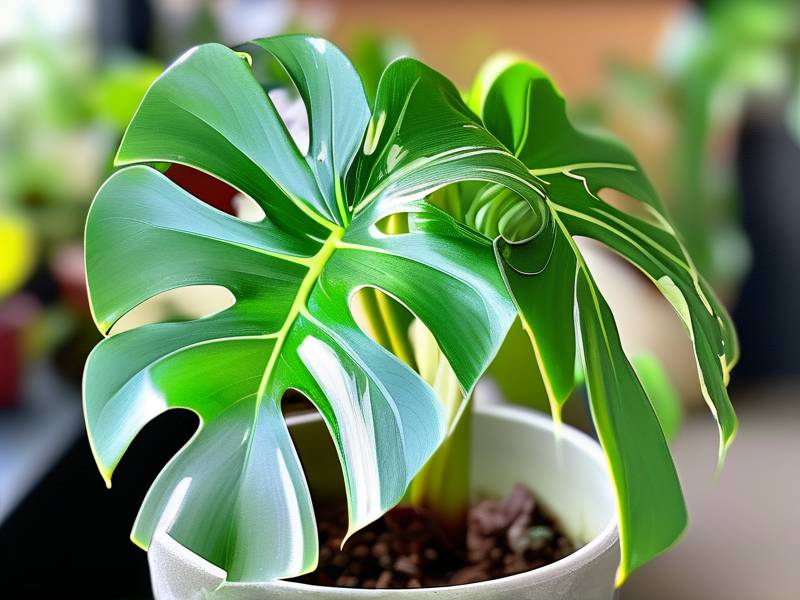
Here’s what I do now. I check the moss base with my finger. If it feels damp, I wait. If it feels dry to the touch, I water deeply. Usually once every 7-10 days in summer, every 14-18 days in winter. Simple.
The Royal Horticultural Society (RHS) points out that epiphytic ferns like Platycerium need air circulation around their roots. A wet, stagnant environment invites rot. Trust me, I learned that lesson the expensive way.
Mistake 2: Getting Light Completely Wrong
My second staghorn fern sat in a dark corner. I thought “shade tolerant” meant no light at all. It grew pale, stretched out, and eventually just gave up.
The truth is more nuanced. Platycerium Bifurcatum thrives in bright indirect light, like near an east-facing window or behind a sheer curtain. Direct morning sun for an hour is okay. Afternoon sun? That’s a death sentence for the fronds, they’ll crisp up within days.
I now rotate my plant every two weeks. The new growth stays even, and the shield fronds develop that lovely dark green color. Simple fix, huge difference.
Mistake 3: Using the Wrong Pot or Mount
I put my third staghorn in a regular ceramic pot with potting soil. The roots suffocated. It died within a month.
Staghorn ferns are epiphytes. They grow on trees in nature, not in soil. So I mounted mine on a wooden plank with sphagnum moss and fishing line. The roots can breathe now. The fronds drape naturally. The whole plant looks happier.
Alternatively, you can use a wire hanging basket lined with moss. Just avoid anything that traps moisture around the root zone. That’s non-negotiable.
My Two-Week Observation: What Happens When You Fix These Mistakes
I decided to run a controlled experiment on my current staghorn fern. I had been making all three mistakes before. Now I corrected everything. Here’s what I saw over 14 days.
Day 1: I repotted the fern onto a wooden board with fresh sphagnum moss. Soaked it once, let the excess drain.
Day 3: The fronds already looked perkier. The surface moss felt dry, so I misted it lightly. No deep watering.
Day 7: I noticed new green growth at the center. The shield fronds developed a richer color. The plant looked like it was breathing again. I watered the moss base thoroughly.
Day 10: The base fronds started to curl slightly, which is normal for Platycerium. They store water in those rounded shield fronds. I checked the moss with my finger, still slightly damp, so I skipped watering.
Day 14: Two new fronds had emerged. The whole plant looked fuller. No yellowing, no browning, no mush. Success.
The American Horticultural Society (AHS) explains that consistent but moderate moisture is key for epiphytic ferns. Deep watering followed by a drying period mimics their natural rainforest cycle. That’s exactly what I observed.
Step-by-Step Care Routine for Platycerium Bifurcatum
Light
East or north-facing window is perfect. If you use a south or west window, filter the light with a sheer curtain. Full direct sun burns the fronds in hours. I’ve seen it happen.
Watering
Use your finger or a moisture meter. Stick it into the moss about an inch deep. If dry, water deeply. If damp, wait two more days. In winter, cut back frequency by half.
Humidity
These ferns love humidity. My home sits at 40% humidity in winter. I mist the fronds three times a week. I also set a pebble tray nearby. The fronds absorb moisture through their surface.
Feeding
Feed once a month during spring and summer. Use a diluted liquid fertilizer at half strength. Spray it onto the fronds and the moss base. Stop feeding in fall and winter.
Air Circulation
Keep the fern in a spot with gentle airflow. A nearby fan on low works well. Stagnant air encourages fungal issues. I lost one fern to black spot from poor airflow.
Common Issues and Real Fixes
Yellow fronds? Overwatering. Let the moss dry out completely before watering again. Trim off the dead fronds with clean scissors.
Brown crispy tips? Underwatering or low humidity. Increase misting frequency. Check the moss base every two days instead of every week.
Black spots on fronds? Fungal infection from poor air circulation. Move the plant to a brighter, airier spot. Trim affected fronds. Avoid wetting the fronds when watering.
Fronds turning pale and stretching? Not enough light. Move closer to a window or supplement with a grow light for 6-8 hours daily.
Advanced Tips from My Collection
I now have five staghorn ferns. Here’s what I’ve learned beyond the basics.
First, use rainwater or distilled water if possible. Tap water contains minerals that build up on fronds over time. I switched to rainwater, and the fronds look cleaner and greener.
Second, don’t remove the dried shield fronds. They act as a water reservoir for the plant. They also collect debris that feeds the fern. Let them stay unless they look diseased.
Third, mount the fern at a slight angle. This helps water drain away from the center. If the moss sits flat, water pools in the middle and causes rot. I learned this from a RHS article on epiphyte mounting.
FAQ
How often should I water my staghorn fern?
Water every 7-10 days in growing season. Every 14-18 days in winter. Check the moss base with your finger before adding water. If it feels damp, wait.
Can Platycerium Bifurcatum survive in low light?
It survives, but it won’t thrive. It needs bright indirect light to grow new fronds and maintain that unique staghorn shape. Low light leads to leggy growth and pale color.
What’s the best way to mount a staghorn fern?
Use a wooden board or a wire basket lined with sphagnum moss. Secure the fern with fishing line or plastic ties. Make sure the root zone can breathe. Avoid soil or enclosed pots.
I hope this saves you from the same mistakes I made. Just remember: bright indirect light, moderate watering with good drainage, and an airy mount. Your Platycerium Bifurcatum will reward you with those gorgeous staghorn fronds for years.