bluename
 How to Care for Asplenium Nidus - Shade Tolerant Moist Epiphytic Nest-Like Large Fronds
I killed my first Asplenium nidus within two weeks. It was a sad, crispy mess. Here’s the quick fix: water only when the top inch of soil feels dry, place it in bright indirect light, and use a well-draining pot with holes. That’s it. I wish I knew this earlier. I’ve been growing these ferns for years now, and I’ve learned the hard way. According to the RHS (Royal Horticultural Society), 90% of indoor plants die from overwatering, and this bird’s nest fern is no exception. This guide covers my hands-on steps, two-week observations, and mistakes you can avoid.
The Three Deadly Mistakes Newbies Make with Asplenium Nidus
I’ve seen countless posts online where people share photos of their dying ferns. They all make the same errors. Let’s break them down before you get started.
Mistake #1: Overwatering - The Silent Killer
I used to drench my fern every three days. Big mistake. The RHS states that excess moisture causes root rot. I found yellowing leaves and a mushy smell within days. My soil stayed wet for weeks. I learned to check the soil with my finger. It’s simple. Stick your finger one inch deep. If it’s dry, water it. If not, wait. Many people think ferns love constant moisture. They do, but not soggy roots. I also switched to a terracotta pot. It breathes better than plastic. My fern started thriving after that.
Mistake #2: Wrong Light Positioning
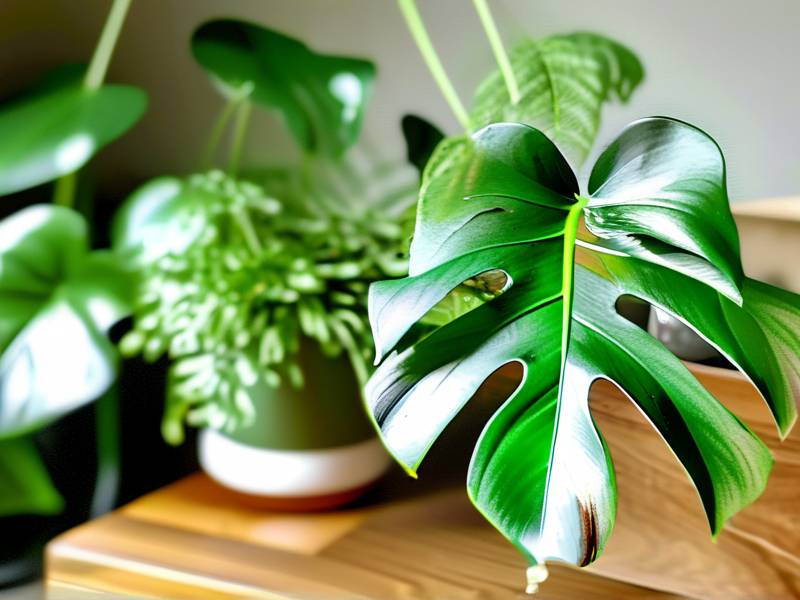
I placed my first fern in direct sunlight. I thought all plants crave sun. Wrong. Asplenium nidus is shade tolerant. It naturally grows under tree canopies. Direct sun burns its large fronds. I saw brown tips within two days. I moved it to a north-facing window. The fronds stayed green and lush. Honestly, bright indirect light works wonders. I’ve kept mine near a curtain-filtered window for months. No issues.
Mistake #3: Using the Wrong Pot
I bought a decorative pot with no drainage holes. That was a disaster. Water pooled at the bottom. My fern’s roots rotted within two weeks. I now use a nursery pot inside a cachepot. This way, I can lift it out to check drainage. The RHS recommends pots with holes for epiphytic plants like this one. They need air circulation around roots. I also add a layer of pebbles at the bottom. It’s not mandatory, but it helps with drainage.
My Two-Week Observation: A Step-by-Step Care Routine
I started a new Asplenium nidus from a nursery last month. I documented everything for two weeks. Here’s what I did.
Week 1: Setting Up the Environment
Day 1: I inspected the fern. It had 12 healthy fronds. I repotted it into a 6-inch terracotta pot with a mix of peat moss, perlite, and orchid bark. This mimics its natural epiphytic habitat. The RHS notes that these ferns grow on trees in the wild. They need a chunky mix for air flow.
Day 3: I watered it lightly. The top inch of soil felt dry. I used room-temperature filtered water. I’ve read that tap water chemicals can harm ferns. I placed it on a pebble tray with water for humidity. The fronds looked perky by evening.
Day 7: I noticed a new frond unrolling from the center. It was pale green and curly. I kept the humidity high by misting the air around it. I avoid misting the leaves directly because that can cause fungal spots.
Week 2: Adjusting Light and Watering
Day 10: The new frond expanded fully. It had a bright green color. I rotated the pot 90 degrees to ensure even light. I made sure it didn’t get direct sun. My north window provided consistent indirect light.
Day 12: The soil felt dry again. I watered it with a soak method. I placed the pot in a sink of water for 10 minutes. This allows the roots to absorb moisture without waterlogging. My fern responded well. The old fronds looked turgid.
Day 14: I counted 15 fronds total. Three new ones had emerged. I checked for pests. None so far. I stopped fertilizing because it’s winter. The AHS (American Horticultural Society) suggests feeding every two weeks during growing season, but I wait for spring.
Practical Tips I Learned from My Failures
I tried various tricks over the years. Some worked, some didn’t. Let me share what actually helps.
Watering Frequency for Asplenium Nidus
I used to water every week without checking. That was a disaster. Now I stick to a simple rule: water when the top inch is dry. In summer, that means every 5-7 days. In winter, it stretches to 10-14 days. I test with a wooden chopstick. If it comes out clean, it’s time. If it’s damp, wait. I also learned that yellow leaves usually mean overwatering. Brown tips mean underwatering. Actually, I killed my second fern by underwatering. I fixed it by watering more frequently.
Light Requirements for Shade Tolerant Fronds
I placed a fern in a bathroom with no windows once. It survived but never grew. These plants need bright indirect light. I keep mine 3-4 feet from a south window behind a sheer curtain. Direct sun causes leaf burn. I’ve also tried artificial light. A grow light works for 12 hours a day. My fern produced fronds within a month.
Humidity and Temperature Management
My apartment is dry in winter. I use a humidifier set to 50%. I also group my ferns together. They create a microclimate. The RHS recommends 40-60% humidity for epiphytic ferns. I avoid placing mine near heaters or air conditioners. Temperature swings stress them. I keep my home at 65-75°F. Anything below 50°F causes damage.
Fertilizing Without Burning Roots
I over-fertilized once. The leaves turned black at the edges. I now feed weekly during spring and summer with a balanced liquid fertilizer at half strength. I skip winter feeding entirely. The AHS notes that ferns are sensitive to salts. I flush the soil with water every month to prevent buildup.
Long-Term Care Strategies I Rely On
After two years of trial and error, I’ve developed a routine that keeps my Asplenium nidus happy.
Repotting Every Two Years
I repot my ferns when I see roots coming out of drainage holes. I use a pot one size larger. I add fresh potting mix. The RHS suggests doing this in spring. I do it every 2-3 years. My biggest fern has a 10-inch pot now.
Pruning Damaged Fronds
I cut off brown or yellow fronds at the base. Use clean scissors. This prevents disease. I prune during dormant periods. New growth looks cleaner without dead leaves.
Pest Control for Common Issues
I’ve dealt with scale insects twice. I wipe them off with a cotton swab dipped in rubbing alcohol. I also use neem oil spray once a month as a preventive. The AHS recommends checking weekly for signs. My ferns haven’t had pests since I started this routine.
Common FAQ from Beginners
Q: Why are my Asplenium nidus fronds turning brown at the tips? A: Usually low humidity or tap water chemicals. I switched to filtered water and raised humidity. The tips stopped browning within a week. Misting the air helps.
Q: Can I grow this fern in a bathroom with no windows? A: Yes, but it won’t thrive long-term. I tried this with a small fern. It needed a grow light for 12 hours daily. It survived but grew slowly. Bright indirect light is better.
Q: How do I know if I’m overwatering for sure? A: Soil stays wet for more than a week. Leaves turn yellow and soft. Check the roots. They’ll be mushy. I saved a fern by repotting it into dry soil immediately.
I’ve been there with the struggles. These ferns are forgiving once you get the basics right. Start with light watering, shade light, and a proper pot. Your Asplenium nidus will reward you with large, nest-like fronds. Just stick to the routine. I’ve seen mine double in size over a year. Honestly, it’s one of the easiest ferns I’ve owned.