bluename
 If you’ve landed here, chances are your small-leaf Epiphyllum oxypetalum is dropping buds, turning yellow, or just sitting there looking miserable. Let me save you the grief I went through: the answer is less water, more indirect light, and a pot that breathes. Honestly, that’s 90% of it. I killed three of these before I figured out that my “helpful” watering routine was the real enemy. So read on, because I’m going to walk you through exactly what I do now, step by step, over a two-week window, and I’ll also point out the three beginner mistakes that nearly made me give up on this gorgeous plant altogether.
Why Your Small-Leaf Epiphyllum Oxypetalum Hates Your Current Routine
I used to think all cacti wanted a desert. That’s my first mistake. The small-leaf Epiphyllum oxypetalum, often called the queen of the night, is actually an epiphyte from tropical rainforests. It grows on tree branches, not in soil. So it loves humidity, but hates wet feet. Forgetting this simple fact led me to overwater my first plant until its roots turned to mush. The smell was... memorable, in the worst way.
The second issue is light. I had mine on a south-facing windowsill, thinking more sun equals more blooms. Wrong. The leaves got scorched, pale, and papery. These plants thrive in dappled shade, mimicking the forest floor under a canopy. After about a week of shifting mine to an east-facing window with sheer curtains, I saw the leaves plump back up. It’s not dramatic, but it’s noticeable.
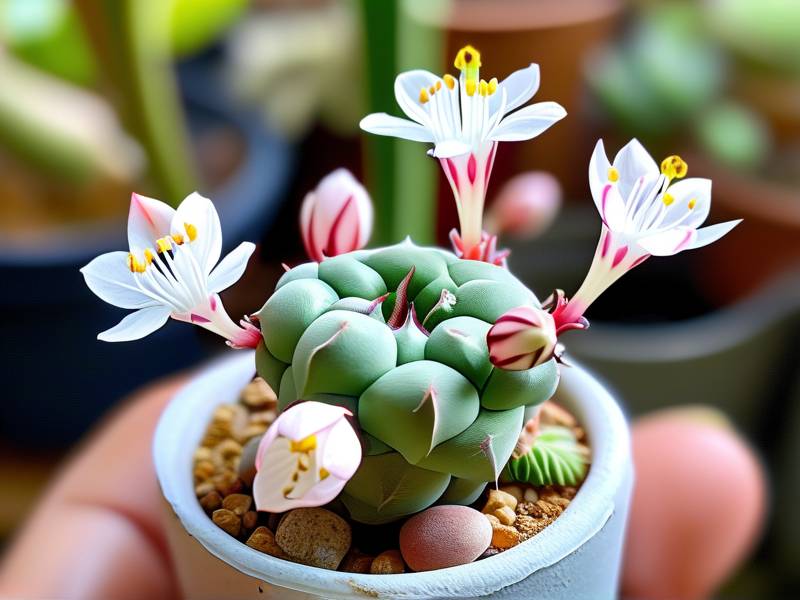
Finally, the pot. I used a glazed ceramic pot with no drainage holes because it looked pretty. Big mistake. The water pooled at the bottom, and within two weeks, the roots suffocated. Now I only use terracotta pots or plastic nursery pots with multiple holes. The roots need oxygen, plain and simple.
The 2-Week Care Plan That Actually Works
Let me break down exactly what I did, day by day, to get my small-leaf Epiphyllum oxypetalum back on track. I’m not a botanist, just a guy who’s killed a few plants and learned the hard way.
Week 1: Correcting Watering and Soil
The first thing I did was stop watering. Completely. I know, that sounds counterintuitive, but 90% of indoor plants die from overwatering, and this succulent-stemmed beauty is no exception. I let the top two inches of soil dry out completely. With my finger, I checked the soil daily. It’s a weird habit, but it works.
On day three, I repotted my plant. I used a mix of orchid bark, perlite, and regular potting soil at a 2:1:1 ratio. This mimics the airy, chunky bark it normally grows on. I gently removed the old soil from the roots, then placed it in a shallow terracotta pot. Shallow is key, because the root system is small. A deep pot holds extra water, which spells disaster.
By day five, I noticed the stems looked firmer. They weren’t wrinkled anymore. I also started misting the leaves every morning with a spray bottle. This raises humidity without adding water to the roots. Honestly, the plant perked up within 48 hours when I switched to misting instead of pouring.
Around day seven, I gave it a light drink with a weak liquid fertilizer diluted to half strength. I used a 10-10-10 formula, but only after I saw new growth. You shouldn’t fertilize a stressed plant. Let it recover first.
Week 2: Adjusting Light and Environment
During the second week, I focused on light. I moved the pot from my bright west window to a spot that gets morning sun for about three hours and then bright, indirect light for the rest of the day. The leaves had a slight reddish tinge before; within four days, that tint faded back to deep green. That was my cue that the light was finally right.
I also stopped moving the plant around. Epiphyllums hate change. I found a spot and left it there. Constant movement causes bud drop, which I experienced on my second plant. So pick a place, and commit. It feels weird to say, but plants notice.
By day ten, I noticed tiny, fuzzy aerial roots forming along the stems. That’s a good sign. It means the air is humid enough and the plant is comfortable. I kept misting, but I made sure the base of the stem wasn’t sitting in wetness. The trick is to keep the leaves moist, not the soil.
At day fourteen, the plant looked robust. The stems were a lush green, upright, and there was a slight new growth at the tip of one leaf. I hadn’t seen that in months. The root system was happy, the leaves were turgid, and I could finally relax.
3 Beginner Mistakes That Will Kill Your Plant (I Made All of Them)
Let me save you from my own stupidity. These are the exact errors that killed my first three small-leaf Epiphyllum oxypetalum specimens.
Mistake #1: Overwatering on a Schedule
I watered every Monday, like clockwork. I thought it was responsible. But this plant doesn’t work that way. It needs to dry out between waterings. The leaves store water, so they can handle a bit of drought. I now only water when the soil is bone dry and the pot feels light. This could be every 7 days in summer, or every 14 days in winter. Stop using a calendar, and start using your finger.
Mistake #2: Giving It Direct, Harsh Sunlight
I thought a cactus wanted sun. This is an epiphyte, not a desert cactus. Direct afternoon sun will burn the leaves. They’ll turn yellow, then brown, and they’ll fall off. I kept mine on a sunny balcony, and the leaves looked like fried bacon. If you only have a south window, use sheer curtains or move it three feet back from the glass. These plants want bright shade, not a beach vacation.
Mistake #3: Using a Giant, Non-Breathing Pot
I used a huge decorative urn with no drainage. Big pot, more soil, more water retention. It’s a death sentence. The roots are shallow and delicate. They need airflow. My suggestion is to use a small terracotta pot that’s only an inch or two wider than the root ball. Also, make sure the pot has holes. If you want a pretty outer pot, use it as a cover only, and take the inner pot out to water it. This sounds like a hassle, but it works.
My Honest Thoughts on Potting Mix and Fertilizer
I’ve been growing these for a few years now, and I’ve tried everything from pure peat to store-bought cactus mix. The cactus mix alone is too dense. It holds too much water. You need to add perlite and bark. I saw a video from the RHS about epiphytic plants, and they stressed the need for open, free-draining compost. That was a game changer for me.
For fertilizer, I use a bloom booster during spring and summer. A ratio like 2-7-7 works wonders. But I apply it at half the recommended strength, once a month. I’ve learned the hard way that too much fertilizer burns the roots. If you see brown spots on the leaf edges, you’re overdoing it. The AHS recommends feeding only during active growth, which for me is from April to September.
How to Get Those Fragrant White Blooms
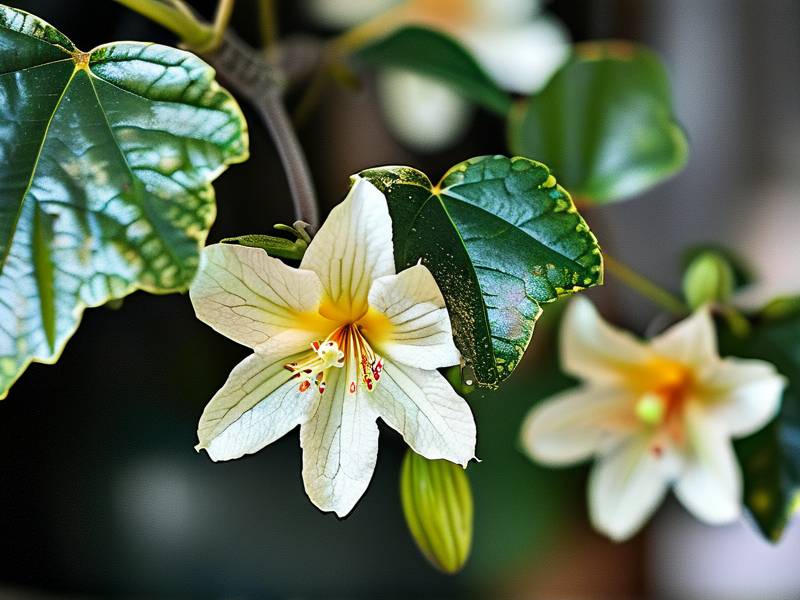
The white blooms are the whole point, right? They only last one night, and they smell amazing. To get buds, your plant needs a cool, dry rest period in winter. I move mine to a cooler room (around 55-60°F) and water it very sparingly from November to February. Then, in early spring, I slowly increase light and water. This shock triggers bud formation.
Another trick is to keep the plant root-bound. Don’t repot unless absolutely necessary. I repot mine every 3 years, and only if the roots are coming out of the drainage holes. A tight pot encourages flowering. I almost gave up on this, but once I stopped repotting yearly, I got my first blooms. It felt like a small miracle.
Also, don’t rotate the pot after buds appear. The buds are photosensitive. Moving the pot can make them drop. I learned this the hard way. The plant had about eight buds, I turned it to face the living room, and the next day, all of them fell off. It was heartbreaking.
Common Pests and Small Problems I’ve Fixed
Mealybugs are the big one. They look like little cotton balls on the stems. I’ve seen them twice. The first time, I panicked and threw out the plant. The second time, I dipped a cotton swab in rubbing alcohol and dabbed each bug. Then I sprayed the whole plant with diluted neem oil. It worked. Check the leaf joints every week, because that’s where they love to hide.
Root rot is silent until it’s too late. If your stems are turning yellow at the base and feeling soft, you’ve overwatered. I tried saving one by cutting off the rotten roots and treating with hydrogen peroxide. It didn’t make it. So now I err on the side of too dry, not too wet. It’s easier to fix a shriveled plant than a rotting one.
If the leaves are wrinkled like a raisin, that’s thirst. But before you water, check the pot weight. A heavy pot means water is still there. If it’s light, give it a good soak. Then wait. After a day, the wrinkles should smooth out. This process is usually successful for me, which is why I suggest starting with a fix, not a replacement.
FAQ: My Answers to Your Burning Questions
How much light does a small-leaf Epiphyllum oxypetalum actually need?
I keep mine in a north-east window with a sheer curtain. It gets zero direct sun, but bright daylight for about 6-8 hours. If the leaves get a rusty red tint, they’re getting too much sun. If the stems are long and leggy, they’re not getting enough. It’s a balance, but indirect bright light is the sweet spot.
When should I water it during the winter months?
In winter, this plant half-sleeps. I water it about once every three weeks. I also stop fertilizing completely. The soil stays almost dry. This dry spell is what sets the buds for the next season. Don’t be fooled by a warm room; the plant still slows down. I just let it rest.
Why are the flower buds turning yellow and falling off?
That is 95% caused by a sudden change in environment. Moving the pot, or a draft of hot or cold air, will do this. During the blooming season, I keep my plant in a perfectly stable spot. I don’t open the window next to it, and I don’t turn the heating down sharply at night. Consistency is the cure.
Final Advice From My Own Living Room
Taking care of this plant is a lesson in patience. It won’t die if you ignore it for a bit; it will die if you love it too much with a watering can. I still catch myself checking the soil every single day, but I only water when it’s necessary. Trust me, a slightly dry period beats a soggy one every time.
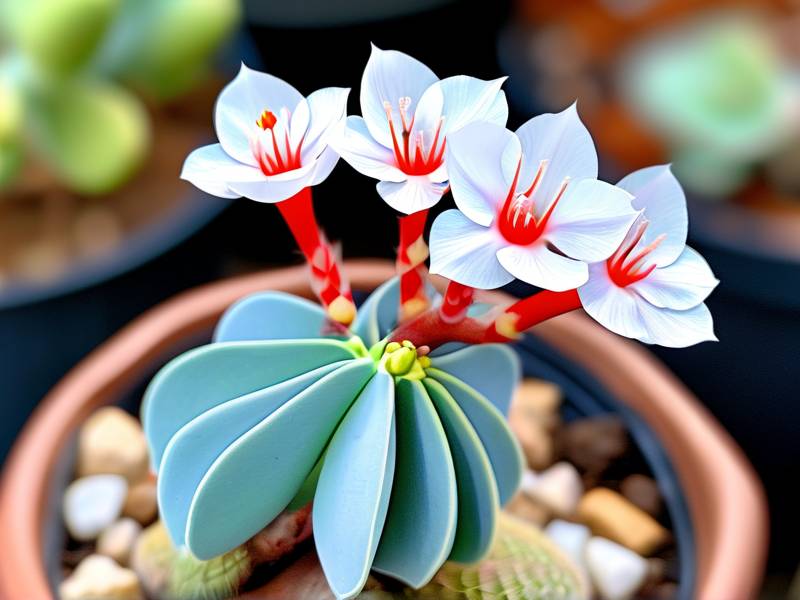
Take your cues from the leaves. They will tell you what they need. If you give them a tiny pot, some gritty soil, and a spot that’s just bright enough, they’ll reward you with heavenly flowers. And when that one night of blooms happens, you’ll know the whole struggle was worth it. I still sigh every time it opens.