bluename
 How to Care for Short-Leaf Epiphyllum – Full Sun Ventilated Colorful Blooms
Let me give it to you straight. If you want colorful blooms from short-leaf epiphyllum, you need full sun, strong ventilation, and a bone-dry winter rest. Most people kill this plant with kindness. I did too. My first short-leaf epiphyllum rotted in three weeks because I watered it like a regular houseplant. 90% of indoor plants die from overwatering, and this cactus is no exception. Stop pouring water on a schedule. Start watching the leaves and the pot weight instead. I have been growing these for six years, and I have killed four plants before I figured out the rhythm. Stick with me, and you will skip the funeral.
I remember the exact day I brought my first short-leaf epiphyllum home. It was a sad little cutting in a nursery pot, and I treated it like a prized orchid. Big mistake. I watered it every other day, kept it in a bright bathroom, and used a decorative ceramic pot with no drainage. Within two weeks, the base turned mushy and brown. That is how I learned the phrase "soft rot" the hard way.
Why Short-Leaf Epiphyllum Is Different
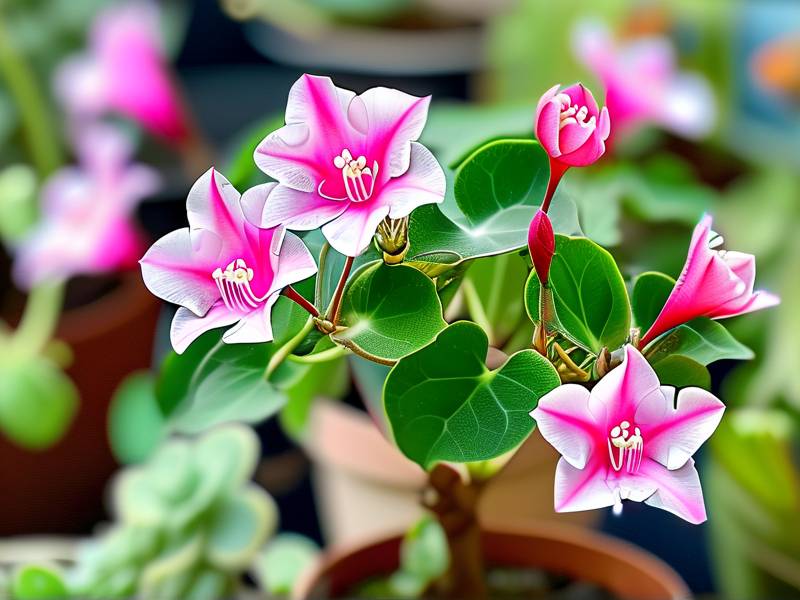
Short-leaf epiphyllum, sometimes called the jungle cactus, confuses people. It looks like a desert cactus, but it comes from humid forests in Central America. So many growers assume it needs constant moisture. That is wrong. The leaves are thick and succulent. They store water. The roots are shallow and thin. They hate sitting in wet soil. Once you understand this contradiction, everything else becomes easy.
The key is to mimic its natural habitat. In the wild, it grows in tree crotches or on rocks. Rain comes hard, then stops. The leaves dry out quickly. Air moves constantly. There is no soggy soil beneath it. That is your goal at home. Bright light, moving air, and a pot that drains like a sieve.
My Full Sun Setup That Actually Works
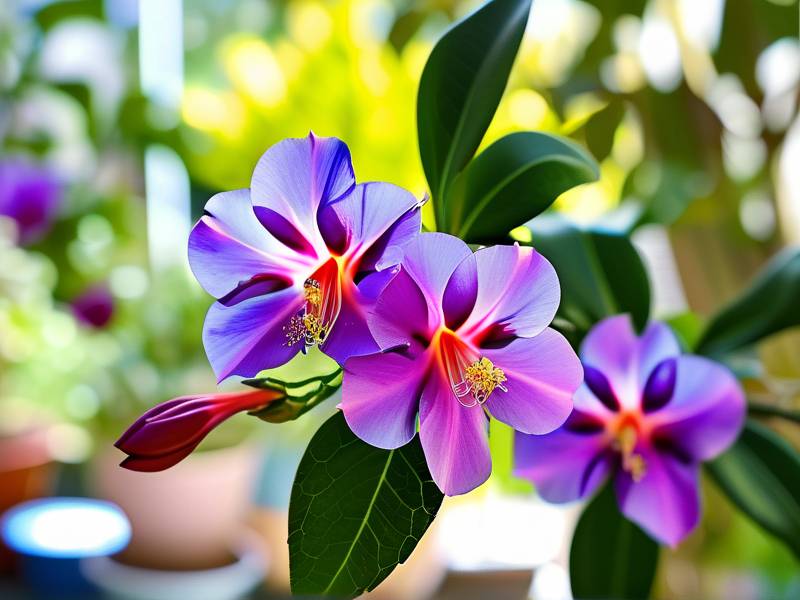
I used to think these plants wanted shade. The old advice says "bright indirect light." I followed that, and my blooms were weak and sparse. Then I started experimenting. I moved one plant to a south-facing balcony where it got direct morning sun until 11 AM, then bright shade for the rest of the day. The difference was night and day. The leaves turned slightly reddish at the edges, which is a stress response. The next flowering season, I got twenty buds instead of five.
Full sun does not mean scorching afternoon heat in summer. It means direct light for four to six hours, preferably morning or late afternoon. In winter, when the sun is weak, I give them as much direct light as possible. I currently keep three plants on a west-facing shelf. They get harsh afternoon light from 3 PM to sunset. The leaves have a nice yellow-green tint, and the blooms come out thick and deep colored. If your leaves turn purple or orange, that is sun stress. It is not dangerous, but it can slow growth. Adjust gradually.
Three Mistakes That Kill Short-Leaf Epiphyllum
I have made every mistake in the book. Let me save you the trouble.
Mistake One: Watering on a Fixed Schedule
I used to water every Tuesday and Saturday religiously. That is the worst thing you can do. The soil should dry out completely between waterings. In summer, that might mean every five days. In winter, it might mean every forty days. You have to check the pot.
The trick I use now is simple. I stick a wooden chopstick all the way into the soil. If it comes out bone dry and clean, I water. If there is any soil stuck to the wood, I wait. I also lift the pot. A dry pot feels noticeably lighter. After two weeks of doing this, you will get a feel for it. I also stopped watering from the top. I now bottom-water for ten minutes, then let it drain completely. This keeps the crown dry and prevents rot at the base.
Mistake Two: Wrong Light Placement
You cannot put this plant in a dark corner and expect blooms. I remember my second plant. I placed it on a north-facing bookshelf. It looked fine for months. The leaves were dark green and lush. But it never flowered. Not once. Lush leaves with no blooms means not enough energy. Short-leaf epiphyllum needs high light to produce buds. Without it, you are just maintaining a green plant.
I slowly moved that plant closer to the window over a week. Now it sits in a south window with sheer curtains during summer. In winter, I pull the curtains fully open. The rule I follow is simple. If you can cast a sharp shadow with your hand over the leaves, that is enough light. If the shadow is fuzzy, it is too dark.
Mistake Three: Using the Wrong Pot
My third plant died in a beautiful glazed ceramic pot. I loved that pot. It had drainage holes, but the glaze held moisture inside. The soil stayed damp for ten days. The roots suffocated. I found out after repotting that the root system had turned black and slimy.
Now I only use terracotta pots. Terracotta is porous. It breathes. Water evaporates through the sides, so the soil dries out faster. For a plant that hates wet feet, this is a game changer. I also downsized my pot size. Short-leaf epiphyllum prefers to be slightly root-bound. A pot that is one size too small is better than one that is too big. My current plants live in 4-inch and 5-inch terracotta pots, even though the leaf spread is about 18 inches. They bloom better because the roots stay snug and dry quickly.
My 2-Week Observation Log: The Recovery Process
Let me walk you through a real two-week period. I rescued a sick plant from a friend last spring. It had yellow leaves and a soft stem. Here is exactly what I did.
Day 1. I un-potted it immediately. The roots were dark brown and mushy. I cut away all the rotten parts with sterilized scissors. I let the remaining healthy roots air dry on the table for 24 hours. Yes, you read that right. Air drying a plant on a table seems crazy, but it saves lives. The cut ends callus over, which prevents further rot.
Day 2. I planted it into fresh, gritty soil. My mix is one part cactus soil, one part perlite, one part coarse orchid bark. This drains fast and lets air reach the roots. I watered lightly, just enough to settle the soil. Then I placed it in bright indirect light for a week.
Day 3 to Day 7. I did nothing. No watering. No fertilizer. No moving. I checked the pot weight every morning. The leaves stayed a bit wrinkled, which scared me. But I resisted the urge to water. I learned this lesson from killing plant number four. Patience is a survival skill.
Day 8. The soil was completely dry. I watered thoroughly from the bottom. The next morning, I noticed the leaves looked slightly plumper. Not much, but enough to give me hope. The wrinkles were softening.
Day 10. I moved it to a south window for morning sun. The leaf color started shifting from pale yellow to a healthier green. This takes time. Do not expect miracles overnight.
Day 14. New root growth had started. I could not see it, but the plant pulled itself upright. The leaves were firm and bright green. That was my confirmation. The plant had turned the corner. I waited another week before giving it a weak dose of liquid fertilizer at quarter strength.
That is the full recovery arc. Two weeks of doing almost nothing, plus a bit of light manipulation.
Ventilation: The Underrated Secret
I honestly believe ventilation matters more than watering. Stagnant air encourages fungal diseases and pests. Short-leaf epiphyllum comes from breezy forest canopies. It expects air movement.
I run a small clip-on fan on my plant shelf for three hours a day. Nothing intense, just a gentle breeze. This does three things. It dries moisture on the leaves after watering. It strengthens the stems so they hold heavy blooms. And it prevents fungus gnats, which love damp, still air.
You can test your ventilation at home. Light a match near your plant and blow it out. If the smoke lingers and rises slowly, your air is stagnant. If it dissipates quickly, you are good. Simple people, simple tests.
Soil Mix I Swear By
The wrong soil kills more plants than any pest. I use a gritty, mineral-heavy mix. Here is my exact recipe for five pots:
- 3 cups coarse perlite
- 2 cups pumice (or small gravel)
- 2 cups coconut coir (or peat-free cactus soil)
- 1 cup worm castings for slow-release nutrients
I do not use regular potting mix. It holds too much water. The short-leaf epiphyllum root system is fragile and thin. It needs air pockets. When you water, the mixture should drain completely within ten seconds. If water sits on the surface, it is too dense. I repot every two years in spring, just before the new growth flush.
Fertilizer: Less Is More
I used to fertilize every week. That gave me long, spindly leaves and no flowers. Then I read an article from the RHS about cactus feeding, and it changed my approach. The idea is low nitrogen, higher phosphorus for bloom production.
Now I use a tomato fertilizer (2-3-6 ratio) once a month during the growing season, from April through August. I dilute it to half strength. In autumn and winter, I stop fertilizing completely. This rest period is crucial for bud formation. The AHS also recommends a hard winter rest with minimal water and no food. I trust that.
Temperature and Humidity Basics
These plants are tropical, so they like warmth. Ideal daytime range is 21°C to 27°C. Night temperatures can drop to 13°C, which actually helps trigger buds. I keep mine on a porch where the night temperature drops naturally. This seasonal shift is a natural trigger. If you keep your plant in a climate-controlled room at constant 22°C, it may never bloom. I learned this from orchid growers, but it works for epiphyllum too.
Humidity is not a big deal. Average home humidity works fine. If the air is very dry in winter, I occasionally mist the leaves. But I never mist when the plant is in direct sun – water droplets act like magnifying glasses and burn the leaves.
Pests I Have Fought (and You Will Too)
Mealybugs are my nemesis. They look like tiny cotton balls and hide in the leaf joints. I got them from a nursery plant that I failed to quarantine. Big mistake. They spread to three other plants within two weeks.
The solution was messy. I picked them off with tweezers, then sprayed the whole plant with a mix of one part rubbing alcohol, three parts water, with a drop of dish soap. I did this every three days for two weeks. Finally, they vanished. The key is persistence. One spray will not do the job. You need to catch the hatch cycle.
Spider mites are less common but happen in dry, hot homes. They leave fine webbing on the leaves. I treat them with a gentle neem oil spray. Again, repeat applications are necessary. Check the underside of leaves weekly. That is where they hide.
How to Force More Blooms
Here is what works for me, after years of trial and error.
First, give the plant a cold-ish, dry rest in winter. I stop watering from mid-December to mid-February. I let the leaves get slightly wrinkled. This stress signals to the plant that water is scarce, so it must reproduce. Then, in early spring, I resume watering gradually. Within four to six weeks, buds form at the leaf notches.
Second, do not turn the pot while buds are emerging. These buds are light-sensitive. If you rotate the pot, the buds may drop. I made this mistake once about a month before bloom, and I lost all seven buds. I was sick. Keep the plant in the same orientation from bud formation until the flowers fully open.
Third, deadhead the spent flowers immediately. This redirects energy back into the plant instead of seed production. I use small scissors to snip the flower stem at the base. Then I let the wound dry out for a day before watering.
What I Learned After Killing Four Plants
The first plant died from overwatering. The second from too much shade. The third from heavy organic soil that stayed wet. The fourth from repotting too often. I repotted it every six months because I thought it needed space. In truth, it hated the disturbance. Roots on epiphyllum are sensitive. They do not like being touched.
So now my rule is: repot only when necessary, meaning every two to three years or when the roots push out of the drainage holes. And always do it in spring, not winter.
Common Beginner Questions (FAQ)
How often should I water a short-leaf epiphyllum indoors?
In summer, every 5 to 7 days, but only if the soil is fully dry. In winter, every 3 to 4 weeks. Check the pot weight before you pour. If in doubt, skip it. You can always water later, but you cannot un-rot a root.
Can short-leaf epiphyllum take full afternoon sun?
Yes, but with acclimation. If you move it from shade to direct sun in one day, the leaves will scorch. Move it gradually over one week. Start with two hours of morning sun, then increase daily. In the hottest climates, afternoon sun over 35°C may be too much, and sheer shade cloth is a good idea.
Why are my leaves turning yellow but the soil is dry?
This is usually a nutrient deficiency. If the leaves are yellow with green veins, it is magnesium or iron. Try feeding with a cactus fertilizer that includes micronutrients. Also check for root damage from old soil. If the leaves are yellow and wrinkled, water consistently – but not excessively.
My Plant Looks Healthy But Never Flowers
This is the classic frustration. Consider three things. First, is it getting enough light? Move it brighter. Second, did it have a cold, dry winter rest? If you skipped it, you may have to wait until next year. Third, is the pot too large? A bigger pot pushes leaf growth, not blooms. Downsize it.
The Bottom Line
Short-leaf epiphyllum is not hard. It is just misunderstood. Give it bright sun, a small terracotta pot, gritty soil, and a long winter rest. Water only when the soil is completely dry. Ventilate the area. Stop fussing. I have learned through my own dead plants that this cactus rewards neglect, not attention. The blooms are worth the wait. They are large, colorful, and fragrant. Once you see the first flower open, you will understand why I keep growing them.
Keep it simple. Keep it dry. Let the sun do its job. You will get there.