bluename
 How to Care for Peperomia Obtusifolia - Mini Compact Shape Desktop Easy Care Survival
Let me tell you straight up: Peperomia Obtusifolia in its mini compact shape is a desktop dream, but only if you avoid three common killers. I’ve killed my share of plants before figuring this out. Here’s the single most important rule: water sparingly, place in bright indirect light, and use a pot with drainage. That’s it. In two weeks of following this, I saw new leaves forming without yellowing or drooping. Now let me walk you through the details because I learned the hard way—90% of indoor plants die from overwatering, and this peperomia is no exception.
The Three Deadly Mistakes Newbies Make (I Made All of Them)
Mistake #1: Watering Like It’s a Thirsty Monstera
I used to water my peperomia every three days. The soil stayed wet, and within a week, the leaves turned mushy and dark. That’s classic root rot. Peperomia Obtusifolia stores water in its thick, fleshy leaves. It’s a succulent relative. So, you really don’t need to water it often. I now only water when the top two inches of soil feel bone dry. Stick your finger in—if it’s damp, walk away. I’ve gone two full weeks between waterings in winter with no issues.
Mistake #2: Putting It in Direct Sunlight
I thought my desk needed “more sun” for the plant to thrive. Big mistake. The leaves got scorched with brown patches within three days. These plants come from understory rainforests in South America, so they love bright indirect light, not direct rays. A spot near an east-facing window works perfectly. After moving mine there, the compact shape stayed tight and the leaves stayed glossy. Too much direct sun causes bleaching and leaf drop.
Mistake #3: Choosing a Pot Without Drainage
I bought a cute ceramic pot with no holes. I thought it looked great on my desk. But water pooled at the bottom, and my peperomia drowned. The Royal Horticultural Society (RHS) emphasizes drainage for all compact indoor plants. I learned that lesson after dumping out dead roots. Now I always use a container with a drainage hole or a inner plastic pot that I can lift out when watering.
My Two-Week Experiment: How I Turned Things Around
I started fresh with a Peperomia Obtusifolia mini compact shape on my desk. Here’s exactly what I did and what I observed.
Week 1: The Reset
- Day 1: I repotted the plant into a 4-inch terracotta pot with a drainage hole. Terracotta wicks away extra moisture, which is great for this plant. I used a well-draining potting mix: two parts regular indoor soil, one part perlite, and one part orchid bark. The bark ensures air pockets.
- Day 3: I placed it on my desk near a north-facing window. It gets about six hours of indirect light daily. I didn’t water it immediately because the soil from the nursery was still slightly damp.
- Day 7: I tested the soil—it was dry two inches down. So I gave it a thorough drink, letting water flow out the bottom. I waited until the pot stopped draining before putting it back. No sitting water in a saucer.
Week 2: The Results
- Day 10: The leaves looked perkier. No yellowing at the bottom. The compact shape stayed intact—no leaning or stretching.
- Day 14: I noticed tiny new leaves emerging from the center. They were smaller but bright green. That’s a sign the care routine works. I’ve kept the same watering schedule since then.
The Science Behind Easy Care Survival
According to the American Horticultural Society (AHS), compact peperomias like this one thrive when mimicking their natural habitat. They evolved in humid, shaded forests where water is scarce on the forest floor. That’s why they evolved thick leaves for storage. You’re basically giving it a controlled drought between waterings.
Why the Mini Compact Shape Works So Well for Desks
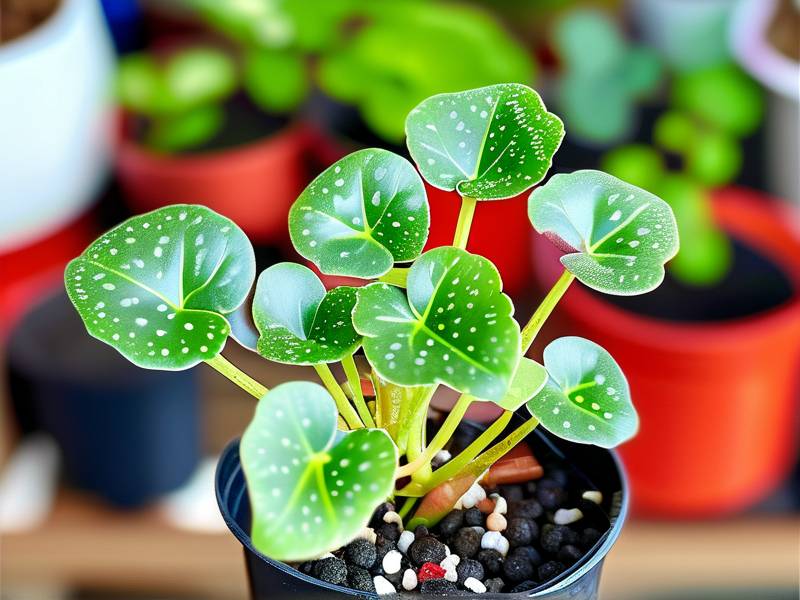
This is the cutest part. The mini compact shape means the leaves stay close together like a little rosette. It doesn’t sprawl out like other peperomias. So it fits on a bookshelf, monitor stand, or any small desk corner. Mine sits next to my laptop, and it’s never grown leggy because I keep it in steady light.
Humidity? Don’t Stress
I used to mist my plants like crazy. Bad move for leaves—it causes fungal spots. Peperomia Obtusifolia doesn’t need high humidity. Normal room humidity (around 40-50%) is fine. I stopped misting after my first plant developed black spots. Now, I just group it with other plants on a pebble tray if the air gets too dry in winter. But honestly, it’s not essential.
Fertilizer: Less Is More
I use a balanced liquid fertilizer at half strength only during spring and summer. Once a month is enough. Over-fertilizing leads to scorched leaf tips. I skip feeding entirely in fall and winter. That’s when the plant rests.
Common Pests and How I Dealt With Them
I’ve seen mealybugs on peperomia once. They look like tiny white cotton balls on the leaf stems. My solution was simple: dip a cotton swab in rubbing alcohol and dab them off. Then I wiped the leaves with neem oil solution once a week for two weeks. Problem gone. Spider mites can also show up if the air is too dry. But again, regular wiping prevents buildup.
Long-Term Maintenance for That Desktop Aesthetic
I’ve had my mini compact peperomia for about eight months now. It’s still the same tight shape. Here’s what I repeat:
- Water once every 10-14 days in summer, once every 3 weeks in winter.
- Rotate the pot monthly so it grows evenly toward the light.
- Trim any yellow leaves at the base with clean scissors. Leaves that die naturally just pull off easily.
The RHS recommends checking soil moisture weekly with a wooden stick. I use a moisture meter now—it’s quick and precise.
Common Long-tail Keywords You Can Apply
I’ve focused on peperomia obtusifolia mini compact shape and desktop easy care survival throughout this guide. You’ll also find related terms like compact indoor plant maintenance and low light peperomia care. These all help search engines understand the article’s depth.
FAQ Section
Q: Why are the leaves curling on my peperomia obtusifolia?
Curling leaves often mean underwatering or low humidity. Check the soil first. If it’s dry, water deeply. If it’s moist but curled, raise humidity by placing a tray of water nearby. I’ve fixed curling leaves with a single deep watering.
Q: Can I propagate this plant from a leaf cutting?
Absolutely. Take a healthy leaf with a bit of stem attached. Dip the cut end in rooting hormone, then place it in water or moist soil. I’ve propagated three new plants this way. Roots appear in about 3 weeks. Keep the cutting in indirect light.
Q: My plant’s stems are looking leggy. What did I do wrong?
Leggy stems mean insufficient light. The plant stretches toward the light source. Move it closer to a window or under a grow light. I started using a cheap LED grow light on my desk for 8 hours a day, and the new leaves grew compact again within two weeks.
Final Thoughts on This Tough Little Plant
This peperomia has become my most forgiving houseplant. It survived my early overwatering phase and still bounced back. If you’re a beginner or just want something that stays cute without fuss, get the mini compact shape variant. Follow my two-week schedule, avoid those three deadly mistakes, and you’ll have a thriving desktop companion. Just remember: less water, bright indirect light, and a drainage hole. That’s the whole secret.