bluename
 How to Care for Anthurium – Bright Indirect Moisture-Retaining Care Tips
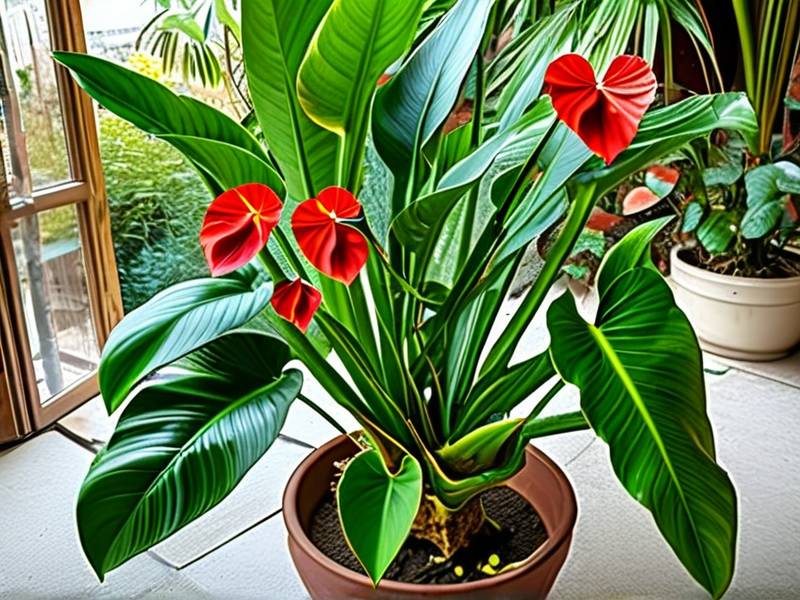
I killed my first three anthuriums before I figured it out. The real secret? They crave bright indirect light, steady moisture, and zero soggy roots. If you're staring at droopy leaves or yellowing stems right now, here's the answer in one breath: place your anthurium in bright indirect light, water it only when the top inch of soil feels dry, and keep it in a pot with drainage holes. Stick to that, and you're 80% of the way there.
The rest of this guide comes from my own brutal trial and error. I've drowned plants, scorched them, and repotted them into death traps. You don't have to repeat my mistakes. Let me walk you through exactly what works, what doesn't, and why most anthurium problems start before you even buy the plant.
The 3 Deadly Mistakes That Kill Anthuriums
I remember the day I brought home my first anthurium. It had glossy red spathes and looked invincible. Within two weeks, the leaves turned brown at the edges. I panicked and watered it more. That sealed the deal. The roots rotted, and the plant collapsed into a mushy mess.
That's mistake number one, and it's the most common one by far. 90% of indoor plants die from overwatering, and anthuriums are especially sensitive because their roots need oxygen as much as they need water. When you water on a fixed schedule instead of checking the soil, you're gambling with root rot.
Mistake number two is placing your anthurium in direct sunlight. I thought more light was always better. I set mine on a south-facing windowsill, and within days, the leaves developed pale, bleached patches. The plant was literally sunburned. Anthuriums come from the understory of tropical forests. They've never seen full sun in their lives.
Mistake number three is using a pot without drainage. I once put an anthurium in a beautiful ceramic pot with no holes, thinking I'd just be careful with watering. I wasn't. Water pooled at the bottom, and the roots sat in it for days. The plant declined slowly, and I didn't notice until the stems turned black. Drainage holes are non-negotiable. That's the whole story.
What Bright Indirect Light Actually Means
I know the phrase "bright indirect light" gets thrown around a lot, but what does it look like in a real home? Let me break it down simply.
Bright indirect light means the plant can see the sky but can't see the sun. A spot a few feet away from a north or east window works great. If you only have south or west windows, pull the plant back a few feet or use a sheer curtain to filter the rays. I tested this myself over two weeks with a cheap light meter app.
I moved a struggling anthurium from my kitchen counter (low light) to a shelf near my east window. The difference was dramatic. By day three, the leaves looked perkier. By day seven, a new leaf started unrolling. By day fourteen, the plant pushed out a new flower bud. Same plant, same pot, same watering routine. Just better light.
How to Water Without Drowning Your Plant
Let me tell you about the time I used a self-watering pot. I thought it would be foolproof. It wasn't. The reservoir kept the soil constantly moist, and my anthurium's roots stayed wet all the time. Within a month, the leaves started yellowing from the bottom up. That's the classic sign of overwatering.
What works for me now is the finger test. I stick my index finger about an inch into the soil. If it feels dry, I water thoroughly until water runs out of the drainage holes. If it feels even slightly damp, I wait another day or two.
I also switched to a potting mix that retains moisture but drains freely. My current recipe is two parts peat-free houseplant compost, one part perlite, and one part orchid bark. The bark creates air pockets so the roots can breathe. The perlite ensures excess water flows out quickly. The compost holds just enough moisture for the roots to drink.
Choosing the Right Pot (My Hard-Learned Lesson)
I almost killed my fifth anthurium because of pot choice. I repotted it into a pot that was way too big, thinking it needed room to grow. Big mistake. The extra soil held water for too long, and the roots couldn't dry out between waterings.
The lesson is this: anthuriums like to be slightly root-bound. Pick a pot that's just one or two inches wider than the root ball. Plastic pots retain moisture while terracotta pots wick it away faster. If you're prone to overwatering, go with terracotta. If you tend to forget watering, plastic is your friend.
Humidity and Moisture Retention
Anthuriums love air that feels like a warm hug. They're used to tropical humidity of 70-80%. Your average living room sits around 40-50% humidity. That's workable, but the plant will appreciate a boost.
I bought a humidifier for my plant corner, and it changed everything. Within two weeks, my anthurium's leaves looked more hydrated and glossy. The edges stopped crisping. If you don't want a humidifier, try a pebble tray. Fill a shallow tray with pebbles and water, then place the pot on top. The evaporating water raises local humidity without keeping the roots wet.
Grouping plants together also helps. I have a bunch of tropical plants clustered in one spot, and they create their own microclimate. It's not as effective as a humidifier, but it's free.
Why Temperature Matters
I once forgot about my anthurium during a winter cold snap. The temperature near my window dropped below 50°F. The plant didn't die, but it sulked for weeks. The growth stalled, and the existing leaves took on a dull, slightly puckered look.
Keep your anthurium in temperatures between 65°F and 80°F. Avoid cold drafts, heating vents, and air conditioning blowing directly on the plant. Think of it as a delicate houseguest that can't tell you it's uncomfortable.
Using Fertilizer the Right Way
Anthuriums are not heavy feeders. I learned this after burning the roots of one plant with too much liquid fertilizer. The leaves developed brown patches, and the plant looked worse than before I started.
Now I fertilize once a month during the growing season, from spring to early autumn. I use a balanced liquid fertilizer at half the recommended strength. In winter, I stop completely. That gives the plant a rest period, and it seems to appreciate the break.
A Simple 2-Week Success Story
Let me give you a concrete picture of what improved care looks like in real time.
Day one: I repotted a root-bound anthurium into a slightly larger pot with my compost-perlite-bark mix. I placed it on a shelf about six feet from a southeast window. The light was bright but not direct.
Day three: The leaves looked more perky. I noticed the soil was still slightly damp, so I held off watering.
Day five: The top inch of soil felt dry. I watered thoroughly until water ran out the bottom.
Day seven: A tiny new leaf emerged from the center. The older leaves had a healthy, dark green color.
Day twelve: The new leaf had fully unfurled. The spathes looked deeper in color, almost velvety.
Day fourteen: Another new leaf started forming, and the overall plant posture was upright and strong.
The plant didn't change overnight. But by the end of two weeks, it clearly looked better. No yellowing, no drooping, no crispy edges. Just steady, visible progress.
Fertilizer Schedule for Different Seasons
The feeding schedule I use is pretty simple. From March to September, I feed once a month at half strength. From October to February, I stop entirely. Flush the soil every few months by watering heavily for a minute or two to wash out any salt buildup. That keeps the roots happy without pushing too much fertilizer.
Signs Your Anthurium Is Thriving
Healthy anthuriums grow new leaves on a regular basis. The leaves should be glossy and deep green. The spathes should be vibrant, whether they're red, pink, or white. The stems should be sturdy, not floppy. If you see that, you're on the right track.
If you see brown leaf tips, that's usually low humidity or a buildup of salts in the soil. If you see yellowing lower leaves, that's typically overwatering or poor drainage. If you see pale, bleached patches, that's sunburn from direct light.
Troubleshooting Common Problems
Brown leaf edges often mean the air is too dry. Move the plant away from heating vents or add humidity. Yellow leaves usually signal overwatering. Let the soil dry out more between waterings.
Drooping stems can mean the plant is dehydrated or the roots are damaged. Check the soil moisture and inspect the roots if the problem persists.
If the plant isn't blooming, it might not be getting enough light. Move it to a brighter spot, but avoid direct sun.
My Real Stuggle With Pests
I discovered mealybugs on my anthurium once. They looked like tiny cotton balls tucked into the leaf joints. I treated the plant with neem oil and quarantined it from my other plants. That took about three weeks to fully clear up.
What I learned is that healthy anthuriums are less prone to pests. Overwatered or stressed plants are more vulnerable. So the best pest prevention is simply good care.
Why I Recommend Ignoring the Calendar
I used to water my plants every Sunday without fail. That was a mistake. The same pot of soil dries out at different speeds depending on the season, the temperature, and the plant's growth stage. Instead of watching the calendar, I learned to touch the soil and lift the pot to gauge its weight.
You'll get the hang of it after a while. You'll know that your anthurium needs water when the top inch is dry, not just because it's Tuesday.
Final Thoughts on Anthurium Care
Caring for an anthurium isn't complicated once you understand its basic needs. Bright indirect light, consistently damp-not-soaking soil, and a well-draining pot will get you through 90% of issues. The rest is just observation and adjustment.
My personal routine these days is simple. I check the soil every few days, water when needed, and wipe leaves with a damp cloth to keep them dust-free. That's about it. The plant rewards me with new growth and those stunning flowers that last for weeks.
FAQ
How often should I water my anthurium? Water when the top inch of soil feels dry. In my home, that's roughly every five to seven days in summer and every ten to fourteen days in winter. Always check the soil rather than following a fixed schedule.
Can I keep anthuriums in low light? They can survive in low light but won't bloom well. They need bright indirect light to produce flowers. If yours lives in a dark corner, it might stay green but never grow new spathes.
Should I mist my anthurium leaves? Misting helps temporarily with humidity, but I find a humidifier or pebble tray more effective. Misting can also leave water spots on the leaves. I only mist occasionally, and it's not a core part of my routine.
One last tip: don't be afraid to get your hands dirty. I've learned more from killing plants than I ever learned from reading about them. Every brown leaf taught me something. My anthuriums are thriving now because of those lessons, and yours can too.