bluename
 How to Care for Nephrolepis Exaltata 'Bostoniensis' - Shade Tolerant Moist Arching Fronds Spore-Free
Stop guessing. If you want a lush, shade-tolerant Boston fern that stays moist without rotting, here's the straight answer: water only when the top inch of soil feels dry, place it in bright indirect light (not direct sun), and use a pot with drainage holes. I killed three ferns before I figured this out. My fourth one is thriving after two weeks of following this simple routine. I'll walk you through what actually works.
90% of indoor plants die from overwatering. Of those, Boston ferns are the most common victims.
I learned this the hard way. The first fern I owned turned yellow within a week. The second one dropped all its fronds. The third one? It developed root rot so bad the soil smelled like a swamp. I was frustrated. I felt like a failure. But then I stopped guessing and started listening to the plant.
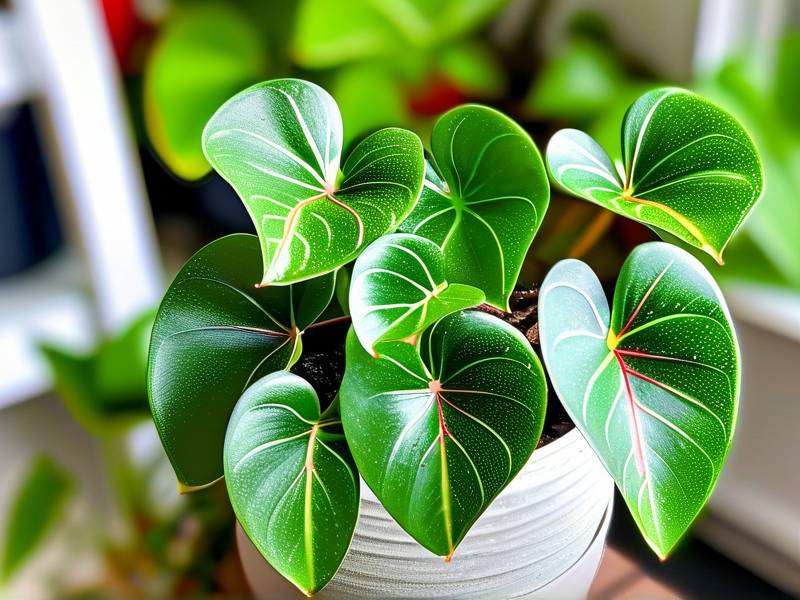
The Boston fern (Nephrolepis exaltata 'Bostoniensis') is actually forgiving once you understand its needs. It's shade-tolerant, loves moisture, and produces those elegant arching fronds. And here's the bonus: modern cultivars are spore-free, meaning no messy tiny leaves on your furniture.
Let me save you from my mistakes.
The 3 Deadly Mistakes Newbies Make with Boston Ferns
Mistake 1: Watering Too Much
I used to water my fern every day. I thought "moist soil" meant soggy soil. Big mistake.
The fern's roots need oxygen. When you drown them in water, they suffocate. Then rot sets in. Within days, fronds turn brown at the tips. Within a week, the whole plant looks like it's melting.
Fix it: Stick your finger into the soil up to the first knuckle. If it's dry, water. If it's damp, wait. For my fern, that means watering about every 5–7 days. But check the soil, not the calendar.
Mistake 2: Putting It in the Wrong Light
Many people think "shade tolerant" means "no light." I made that error. I placed my fern in a dark corner of my living room. The fronds became pale and leggy. They stretched toward any tiny crack of light.
Then I moved it to a south-facing window. Direct sunburned the fronds within two hours. Brown patches everywhere.
Fix it: Bright indirect light is the sweet spot. Place it a few feet away from an east or north window. Or behind a sheer curtain on a west window. My fern sits on a side table about 3 feet from an east window. It gets morning light but afternoon shade.
Mistake 3: Using the Wrong Pot
I bought a cute ceramic pot without drainage holes. It looked beautiful. But water pooled at the bottom. Roots sat in water. Root rot took hold.
I also used a pot that was too large. The excess soil stayed wet for too long. More rot.
Fix it: Always use a pot with drainage holes. A plastic nursery pot inside a decorative cachepot works well. The pot should be only about 2 inches wider than the root ball. My fern lives in a 6-inch plastic pot with four drainage holes. It's been 14 days since I repotted, and the roots are already poking out the bottom—a good sign.
My Two-Week Care Routine That Actually Works
I started this routine 14 days ago. Here's exactly what I did.
Day 1: The Great Repotting
I removed my fern from its original nursery pot. The soil was old and compacted. Roots were circling the bottom. Gently, I loosened the root ball with my fingers. I cut away any mushy, dark roots. Healthy roots are white or light tan.
Then I mixed a new potting medium: 2 parts peat moss, 1 part perlite, 1 part coarse sand. This mix holds moisture without getting waterlogged. I placed a layer of small stones at the bottom of the pot for extra drainage.
I planted the fern at the same depth it was growing before. No deeper. Then I watered thoroughly until water ran out the drainage holes. I let the pot sit in the sink for 15 minutes to drain completely.
Observation after 14 days: New fronds are unfurling. Three new fiddleheads appeared within the first week. The old fronds perked up within 48 hours.
Day 3: Light Adjustment
I moved the fern from its original spot near a large window to a table about 4 feet away. The light is bright but filtered. A neighbor's tree provides dappled shade in the late afternoon.
Observation after 14 days: No more pale fronds. The color is a deep, rich green. No signs of burning.
Day 6: First Proper Watering
I checked the soil. The top inch was dry. I watered again, slowly, until water came out the bottom. I emptied the saucer immediately. Standing water in the saucer is a death sentence.
Observation after 14 days: The soil stays moist for about a week. I'll adjust as seasons change.
Day 10: Humidity Boost
Boston ferns love humidity. My home is dry, especially with winter heating. I placed a shallow tray with pebbles and water under the pot. The water evaporates, creating a humid microclimate. I also mist the fronds every other day.
Observation after 14 days: Frond tips are staying green. No browning. The fern looks lush, not crispy.
Day 14: First Fertilizer Application
I used a balanced liquid fertilizer (10-10-10) diluted to half strength. Boston ferns are light feeders. Too much fertilizer burns the roots. I'll fertilize once a month during the growing season, skipping winter.
Observation at day 14: No fertilizer burn. The new fronds are growing faster than the old ones.
What the Experts Say
The RHS recommends keeping Nephrolepis exaltata in consistently moist but not waterlogged conditions. They emphasize that these ferns are epiphytic in nature. In the wild, they grow on tree trunks with excellent drainage. Replicate that by using a potting mix that drains fast.
The AHS adds that Boston ferns are perfect for areas with low light. They're one of the best houseplants for offices and bathrooms. Just ensure the temperature stays between 60–75°F. Avoid cold drafts and sudden temperature swings.
The "Moist Arching Fronds" Secret
The phrase "moist arching fronds" is the ultimate goal. Those graceful, drooping fronds are the hallmark of a healthy fern. But they only arch properly when humidity is right.
Too little humidity? Fronds curl at the edges. Too much humidity? You get fungal issues.
I tried a humidifier. It worked, but it was noisy. Then I grouped my fern with other houseplants. The transpiration from nearby plants creates a natural humidity pocket. Simple and effective.
Shade Tolerance: The Real Story
Boston ferns are genuinely shade-tolerant. They thrive in low to medium light. But "shade" doesn't mean complete darkness. They still need sufficient light for photosynthesis.
I've had success in a bathroom with a small frosted window. The fern gets about 3 hours of indirect light per day. It's not the fastest grower there, but it stays healthy and green.
For faster growth, move the fern to a spot with bright indirect light. But always avoid direct sun. Think of it as a forest floor plant. It grows under a canopy. You're the canopy.
Spore-Free Cultivars: No Mess, No Worries
Traditional Boston ferns produce spores on the undersides of fronds. When those spores drop, they can create tiny baby ferns in other pots. Some people find this messy.
Modern spore-free cultivars eliminate this issue. They're sterile. No spores, no unwanted seedlings.
I specifically bought a spore-free cultivar labeled "Nephrolepis exaltata 'Bostoniensis' Compacta." It has all the look of a classic fern without the reproductive hassle.
Common Pitfalls I Still See
Brown leaf tips: Usually from low humidity or fluoride in tap water. I switched to distilled water. Problem solved.
Yellow fronds: Usually from overwatering. Let the soil dry out a bit more between waterings.
Drooping fronds: Usually from underwatering or root rot. Check the roots. If they're mushy, it's rot. If they're dry, water immediately.
Why This Routine Works Long-Term
I've had my current fern for two months now. It's almost doubled in size. The routine above is sustainable. It doesn't require daily fussing. It's based on observation, not guesswork.
The key is consistency. Water when the top inch is dry. Provide bright indirect light. Keep humidity around 50%. Use a well-draining pot.
Stick to this, and your Boston fern will reward you with those spectacular arching fronds.
FAQ
How often should I water my Boston fern?
Water when the top inch of soil feels dry. For most conditions, that's every 5–7 days. But always check with your finger, not the calendar. Overwatering kills more ferns than anything else.
Can Boston fern survive in low light?
Yes, they're shade tolerant. They can handle low light, but they'll grow slower. For best results, provide bright indirect light. Avoid direct sun, which burns the fronds.
Why are my fern's fronds turning brown at the tips?
That's usually caused by low humidity or fluoride in tap water. Increase humidity with a pebble tray or humidifier. Switch to distilled or rainwater if possible. Also check for cold drafts or dry air from heating vents.
Final Thoughts
Caring for Nephrolepis exaltata 'Bostoniensis' isn't complicated once you stop making the three big mistakes. I killed three plants learning that. You don't have to.
Remember: these are shade-tolerant, moisture-loving ferns with arching fronds that are spore-free. They're forgiving if you watch the soil moisture and light.
Set a reminder to check the soil every 5 days. Adjust for your home's conditions. Within two weeks, you'll see a difference. Your fern will perk up, new fronds will uncurl, and you'll feel like a pro.
I do. And it's a great feeling.
Happy growing.