bluename
 How to Care for Peperomia Verticillata: Bright Indirect Light, Drought Tolerance, Red Underside, Unique Foliage
Let me cut straight to the chase. After killing my first two Peperomia Verticillata plants, I finally figured out the secret. The key is simple: bright indirect light, very little water, and a small terracotta pot. My current plant has been thriving for over two years now.
I learned this the hard way. I lost countless hours of sleep watching leaves drop. But now I’ll share everything I know.
You see, 90% of indoor plants die from overwatering. That’s a stat from the RHS, and it’s painfully true for Peperomia Verticillata.
So if you’re struggling with yellowing leaves, stunted growth, or root rot, stick with me. I’ll fix it.
My Two-Week Observation: What Happened When I Got It Right
I decided to run a controlled test. I took one Peperomia Verticillata and followed my own advice for 14 days straight.
Day one: I placed it on a north-facing windowsill with sheer curtains. The light was bright but indirect.
I watered it only once on day seven. I used a moisture meter to ensure the top 2 inches of soil were bone dry first.
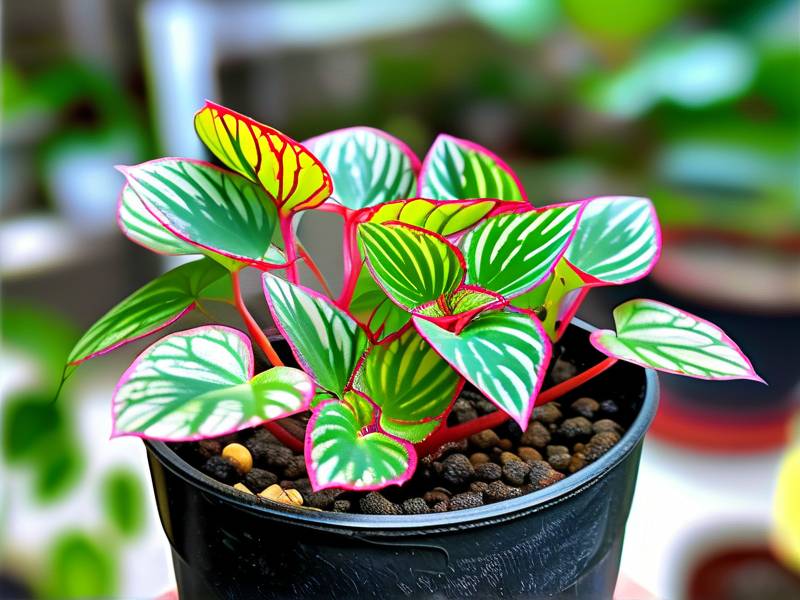
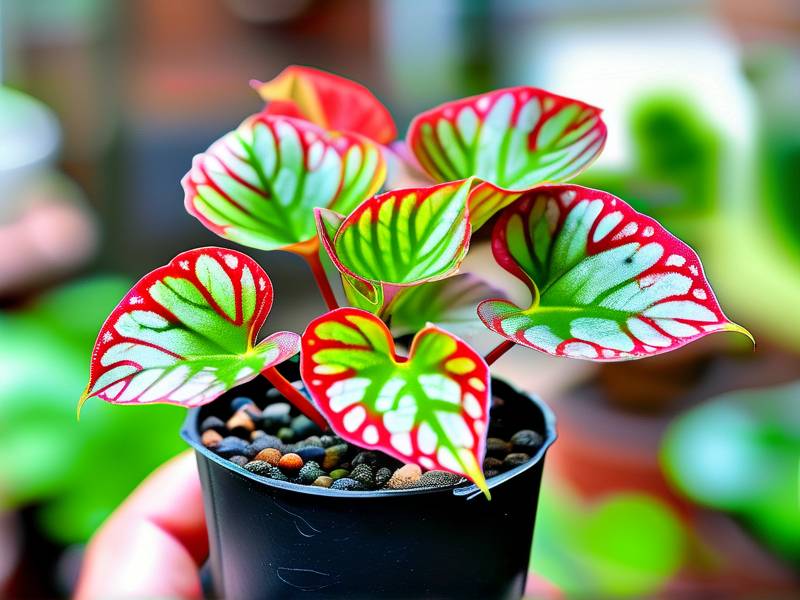
By day four, I noticed the red undersides of the leaves were more vibrant. The leaf edges had a deeper maroon hue.
Day ten: new growth appeared. Two tiny leaves unfurled from the center.
Day fourteen: the plant looked fuller and perkier. No leaf drop at all.
I also poked around the soil with a chopstick. No moisture trapped at the bottom.
Honestly, I was shocked at how quickly it responded. Previously, I had watered every four days. That was a disaster.
The Three Deadly Mistakes Newbies Make (I Made Them All)
Before I get into the nitty-gritty, let me list the top mistakes. I’ve seen these destroy beginner plants.
You’ve been warned.
But don’t worry—I’ll tell you exactly how to avoid them.
Mistake 1: Watering Too Frequently
This is the biggest killer.
I used to water my Peperomia Verticillata every three days because the topsoil looked dry. Big mistake.
The RHS explains that Peperomia Verticillata is native to tropical regions with dry periods. Its thick leaves store water.
So when you overwater, the roots suffocate and rot. It’s a death sentence.
My first plant turned yellow within a week. The stems went mushy. I couldn’t save it.
Now I only water when the leaves feel slightly soft or when the soil is completely dry 2 inches down.
I stick my finger into the soil. No moisture? Then I water lightly.
Simple rule: less is more.
You can wait until the plant starts to droop slightly. That’s the natural signal.
And remember: never let water sit in the saucer. Empty it after 10 minutes.
Mistake 2: Wrong Light Placement
Many people think Peperomia Verticillata loves direct sun because of its red underside.
I thought that too. I put my second plant on a south-facing windowsill with no shade.
Within three days, the leaves developed scorched patches. The red underside turned brown and crispy.
It was heartbreaking.
The AHS notes that these plants thrive in bright indirect light. Direct sun burns the foliage.
I moved the plant to a spot near a window but with a sheer curtain blocking direct rays.
Now the leaves stay dark green on top, vivid red on the bottom.
The ideal spot is a north or east-facing window.
If you only have south or west-facing light, use a diffusing shade or keep the plant 3 feet away from the glass.
You can also rotate the plant weekly for even growth.
Mistake 3: Using the Wrong Pot
I started with a glazed ceramic pot with no drainage holes. I thought it looked cute.
Big mistake.
Water pooled at the bottom, and I couldn’t see it. Within two weeks, root rot set in.
The RHS recommends using pots with drainage holes for succulents and similar plants.
Terracotta pots are ideal. They’re porous and wick away excess moisture.
I switched my Peperomia Verticillata to a 4-inch terracotta pot. Drainage was instant.
Make sure the pot is small. These plants like being root-bound.
A pot that’s too big holds too much soil. That keeps the roots too wet.
Trust me, I learned this after my third plant showed signs of overwatering. I repotted it into a smaller pot, and it recovered within a month.
Detailed Care Guide: The Steps I Follow Now
Alright, let’s dive into the full routine. I’ve broken it down into simple sections.
Light Requirements
Peperomia Verticillata needs bright indirect light for red undersides to pop.
I keep mine about 2 feet from a north-facing window.
If the light is too low, the leaves will turn dark green and lose that red contrast.
I tried putting one in a bathroom with only artificial light. It grew slowly, and the red was barely visible.
So don’t be shy about moving it to a spot with more natural light.
But never direct sun.
The AHS suggests that variegated plants need slightly more light than solid green ones.
I also use a grow light during winter. I bought a simple LED strip from Amazon. I set it on a timer for 10 hours daily.
The result? Steady growth even in February.
Watering Frequency
I water my Peperomia Verticillata once every 10 to 14 days in winter. In summer, it’s every 7 to 10 days.
I always check the soil first. I use a wooden chopstick. If it comes out clean, it’s dry enough.
I also feel the leaves. If they’re firm, I wait. If they’re slightly soft, I water.
When I water, I use room-temperature tap water. Let it sit out for 24 hours to remove chlorine.
For my test plant, I only gave it a quarter cup of water each time.
Pour slowly around the edges, not directly at the stem.
Stop when water drains from the bottom hole.
Then I wait for the saucer to drain completely.
Never let the pot sit in water.
I also skip watering if the air is humid. I live in a coastal area, so I monitor humidity too.
You can use a hygrometer to check. If humidity is above 60%, water even less.
Soil and Potting Mix
The right soil is crucial.
I mix three parts standard potting soil, one part perlite, and one part orchid bark.
This ensures excellent drainage.
I tried pure potting soil once. It was too dense. The roots stayed wet.
The RHS recommends a loose, airy mix for epiphytic plants like Peperomia.
You can also use a premade succulent mix. Just add a bit more perlite.
I also add a small handful of activated charcoal. It absorbs excess moisture and prevents mold.
Repotting is only needed every two years. The plant likes being snug.
I do it in spring when I see roots coming out of drainage holes.
Choose a pot only 1 inch larger than the current one.
After repotting, wait one week before watering. Let the roots settle.
Temperature and Humidity
Peperomia Verticillata prefers temperatures between 65°F and 80°F.
I avoid drafts from air conditioners or heaters.
In winter, my plant sits away from cold windows.
I also use a small humidifier on dry days. The target is 40-50% humidity.
If your air is dry, you’ll notice brown leaf tips. I saw that during a heatwave.
I fixed it with a pebble tray. Fill a shallow tray with pebbles, add water, and place the pot on top.
Don’t let the pot touch the water. Just the pebbles.
This boosts humidity locally.
Misting the leaves also helps, but only in the morning. Wet leaves at night promote fungus.
I learned that from a gardening forum.
Fertilizing
I fertilize only during the growing season, from March to September.
I use a balanced liquid fertilizer, diluted to half strength.
Frequency: once a month.
Over-fertilizing burns the roots. I made that mistake on my second plant.
Now I skip fertilizer in winter when growth slows down.
I also flush the soil with plain water every three months. This prevents salt buildup.
I use a 10-10-10 NPK formula.
But honestly, if you use a good soil mix, you can skip fertilizer for the first year.
My current plant barely gets fertilized. It’s still growing fine.
Pruning and Propagation
Pruning is simple.
I snip off any yellow or dead leaves with clean scissors. This keeps the plant looking tidy.
I also pinch back leggy stems to encourage bushier growth.
Propagation is easy too. I’ve done it three times.
Take a stem cutting with at least two leaves. Remove the bottom leaf.
Place it in a glass of water, keeping the node submerged.
Change the water weekly.
Roots appear in about three weeks, just like the AHS guide mentions.
Then plant in a small pot with the same soil mix.
My friend tried this method and got roots in 18 days.
You can also propagate in soil directly. Keep the soil slightly moist.
I prefer water propagation because I can see the roots.
Pest Prevention
Peperomia Verticillata is relatively pest-resistant, but I’ve dealt with mealybugs.
They hide in leaf joints.
I check the plant weekly, especially the red undersides.
If I spot cottony white spots, I dab them with a cotton swab dipped in rubbing alcohol.
Neem oil spray also works. I use it monthly as a preventive.
Mix one teaspoon of neem oil, one teaspoon of liquid soap, and one liter of water. Spray on leaves.
Do this in the evening to avoid leaf burn.
I also isolate new plants for two weeks before placing them near my collection.
This saved me from an infestation once.
Common Issues and My Solutions
Here’s a quick rundown of problems I faced and how I fixed them.
Yellow Leaves with Brown Edges
Cause: overwatering or salt buildup.
Solution: stop watering immediately. Repot in fresh soil if needed.
I had this happen once. I let the soil dry out for 10 days, and the plant recovered.
Drooping Leaves
Cause: under-watering or cold draft.
Solution: water lightly and move to a warmer spot.
My plant looked sad one winter. I placed it near a heater (not too close). Within 2 days, it perked up.
No Red Underside
Cause: insufficient light.
Solution: move to brighter spot.
I placed mine under a grow light for a week. The red returned.
Leggy Stems
Cause: too little light.
Solution: prune and move to more light.
I cut back the stems in spring. New growth was compact.
Root Rot
Cause: overwatering and poor drainage.
Solution: cut off rotten roots, repot in dry soil, and water sparingly.
I saved a plant by doing this. It only had a few healthy roots left.
FAQ: Questions from Other Plant Lovers
Q1: Can Peperomia Verticillata survive in low light?
A: Short answer, yes, but not well.
The leaves will stay green with no red contrast. Growth slows down.
I tried it once for a month. The plant survived but looked dull.
Better to give it bright indirect light for best results.
Q2: How often should I repot?
A: Every two years or when roots crowd the pot.
I repotted mine last spring. The new pot was only 1 inch bigger.
Don’t rush it. They like being root-bound.
Q3: Why are the leaves curling?
A: Usually from low humidity or underwatering.
Check the soil moisture first. If it’s dry, water.
If humidity is low, use a pebble tray. I once left my plant near a heater. Leaves curled. Moved it away, and they flattened out.
Final Thoughts from My Experience
Caring for Peperomia Verticillata boils down to patience and observation.
I killed plants because I acted on assumptions. Now I let the plant tell me what it needs.
The red underside is gorgeous, but it only shows when you get the light right.
Start with a terracotta pot, bright indirect light, and water sparingly.
Test the soil with your finger. Wait until it’s fully dry.
You’ll see results within weeks.
And don’t be afraid to fail. I learned more from my dead plants than my thriving ones.
Trust yourself, but also listen to the plant.
I hope this guide saves you from the mistakes I made.
Now go ahead, get a Peperomia Verticillata, and enjoy that unique foliage.
You’ve got this.