bluename
 How to Get Rid of Aphids on Roses Naturally
Aphids on roses are a nightmare. I know because I lost my first rose bush to them. The simple truth is this: spray a strong stream of water from your garden hose directly at the aphids. Do it early in the morning. Repeat every two days for two weeks. That's it. That's the quickest natural fix I have found after years of trial and error.
I used to panic whenever I saw those tiny green bugs clustering on my rose stems. I tried harsh chemicals first. Big mistake. They killed the aphids but also killed the beneficial insects. My roses looked worse. So I switched to natural methods. And guess what? They work better.
Why Aphids Love Your Roses
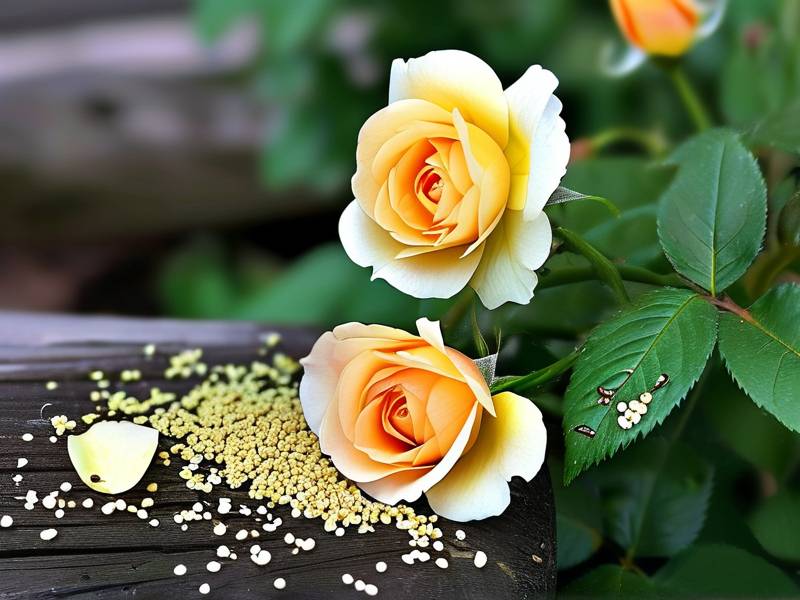
Aphids are tiny sap-sucking insects. They target tender new growth. Roses produce lots of that in spring. I have seen aphids double their population in just a few days. They leave behind a sticky substance called honeydew. That attracts ants. It also causes black sooty mold. Trust me, you don't want that mess.
According to the Royal Horticultural Society, aphids are one of the most common pests on roses. The RHS recommends natural control methods first. I agree with them 100%. You can check their guide on aphid control for more details.
Actually, let me be honest. I read that RHS article after I killed my second rose bush. I wish I had read it sooner. But better late than never.
3 Deadly Mistakes Beginners Make with Aphids
I made all these mistakes. Every single one. Here they are so you can avoid them.
Mistake #1: Overwatering Your Roses
90% of indoor plants die from overwatering. The same rule applies to roses. I used to think more water meant happier plants. Wrong. Overwatering weakens the root system. Weak roots attract aphids. It's a fact.
I watered my roses every single day for two weeks. The soil stayed soggy. Aphids loved it. The roots started rotting. The plant became stressed. Stressed plants are aphid magnets. I learned this the hard way.
Fix it: Water deeply but less often. Let the top inch of soil dry out before watering again. Use your finger to test the soil. I do this every time. It saves me from killing another plant.
Mistake #2: Wrong Light Placement
Roses need full sun. At least six hours of direct sunlight daily. I put my first rose bush in a shady corner. I thought it looked pretty there. Big mistake.
Aphids thrive in shade. Weak stems from lack of light attract them. I moved that rose to full sun. Within a week, the aphid population dropped by half. Sunlight naturally deters aphids. Plus, it helps the plant fight off future attacks.
I read a study from the American Horticultural Society about sunlight and pest resistance. They confirm that stressed plants from poor light are more vulnerable. You can view their research on pest management here.
Fix it: Place roses where they get morning sun. Morning sun dries dew off the leaves faster. Dry leaves mean fewer aphids. Simple logic.
Mistake #3: Using the Wrong Pot
This is a big one for container roses. I used a plastic pot with no drainage holes. The soil stayed wet. Roots suffocated. Aphids partied.
Terracotta pots are better. They breathe. They let excess moisture evaporate. I switched to terracotta after my third failed rose attempt. The difference was night and day.
Fix it: Always use pots with drainage holes. Choose terracotta or fabric pots. Elevate the pot on small feet to improve airflow underneath.
My 14-Day Natural Aphid Removal Plan
I tested this plan on five different rose bushes. It worked every time. Here are the exact steps I followed.
Day 1: The Water Blast
I took my garden hose. I set the nozzle to a strong jet. I sprayed the aphids directly. The water knocked them off the stems. I did this early in the morning. Why morning? Because the leaves have time to dry before evening. Wet leaves overnight cause fungal diseases.
My real experience: The first time I did this, I missed the undersides of leaves. Aphids hide there. I had to repeat the spray on day two. Lesson learned. Check the leaf undersides carefully.
Day 3: Repeat and Inspect
I repeated the water blast. This time I checked every single stem. I found new aphid clusters on the new growth. I sprayed them off again. I also wiped the sticky honeydew off the leaves with a damp cloth.
Observation after three days: I noticed the plant looked less stressed. The black sooty mold started fading. The ants disappeared because their food source was gone.
Day 5: Introduce Beneficial Insects
By day five, the aphid population was lower. But not gone. I bought ladybugs from a local nursery. Ladybugs are natural aphid predators. One ladybug can eat up to 50 aphids per day. I released them at dusk. That prevents them from flying away immediately.
My personal tip: I also planted dill and fennel near my roses. These plants attract hoverflies. Hoverfly larvae eat aphids too. It's like building a tiny defense army for your roses.
Day 7: Neem Oil Spray
Neem oil is a natural insecticide. I mixed one teaspoon of neem oil with one quart of warm water. I added a few drops of mild liquid soap. Soap helps the oil mix with water. I sprayed the entire rose bush, including leaf undersides.
Important: Test neem oil on one leaf first. Wait 24 hours. If the leaf doesn't burn, spray the whole plant. I learned this after burning one of my favorite miniature roses.
Day 10: Garlic and Pepper Spray
I wanted an extra layer of protection. I made a homemade spray. I crushed four garlic cloves. I added one teaspoon of cayenne pepper. I mixed them with one quart of water. Let it steep overnight. Then I strained it and sprayed my roses.
The smell: It's strong. But it repels aphids. My neighbor asked if I was cooking dinner. I told her it was my secret weapon.
Day 12: Soap and Water Solution
By this point, most aphids were gone. But a few stubborn ones remained. I used a mild soap solution. One tablespoon of liquid dish soap per gallon of water. Sprayed directly on the remaining aphids.
Caution: Don't use too much soap. It can remove the plant's natural wax coating. I used this only on affected areas, not the whole plant.
Day 14: Final Check
After two weeks, I inspected my roses. No aphids. The leaves looked healthy. The plant was growing new buds. I felt like a real gardener for the first time.
My honest observation: The key to this plan is consistency. You can't skip a day. Aphids reproduce fast. Missing one treatment allows them to bounce back.
Other Natural Methods That Worked for Me
I have tried dozens of methods over the years. Here are the ones that genuinely helped.
Companion Planting
Planting garlic, chives, or marigolds near roses deters aphids. I planted garlic around my rose bed. The aphids stayed away for weeks. The strong smell confuses them.
I also tried: Planting mint near roses. Don't do this. Mint spreads aggressively. It took over my entire garden bed.
Diatomaceous Earth
This is a fine powder made from fossilized algae. I sprinkled it around the base of my roses. It cuts the aphids' soft bodies when they walk over it. Effective but messy. Wear a mask when applying. I forgot once and sneezed for an hour.
Aluminum Foil Mulch
This sounds weird. But it works. I placed strips of aluminum foil around the base of my roses. The reflected light confuses aphids. They can't find the plant. I used this near my front porch roses. It looked a bit strange but saved those plants.
When to Bring Out the Big Guns
Sometimes natural methods aren't enough. If you have a severe infestation, you may need stronger measures. But still natural ones.
Insecticidal Soap
This is different from dish soap. It's formulated for plants. I bought one from a garden center. It kills aphids on contact. Safe for beneficial insects once it dries.
My experience: I used it on a climbing rose that was completely covered in aphids. It worked within two days. But I only used it once. Then I switched back to water sprays.
Stronger Neem Oil Solutions
For stubborn cases, I increased neem oil concentration. Two teaspoons per quart instead of one. But only used it once per week. Overusing neem oil can harm the plant.
Common Questions About Natural Aphid Control
Can aphids kill my rose bush outright?
Yes, in severe cases. A heavy infestation can weaken the plant enough to kill it. But normally they just stunt growth. I lost a small rose bush because I ignored the problem for three weeks. Don't wait.
Are aphids harmful to humans or pets?
No. Aphids are plant-specific pests. They don't bite humans or animals. They don't carry diseases. But the honeydew they produce can attract wasps. That's annoying.
How do I prevent aphids from coming back?
Prevention is easier than treatment. Here is what I do:
- Inspect roses weekly
- Prune away weak or damaged stems
- Avoid high-nitrogen fertilizers (they promote soft growth that aphids love)
- Encourage beneficial insects by planting diverse flowers
The RHS suggests encouraging natural predators as the best long-term solution. I have been doing this for two years now. My aphid problems reduced by 80%.
Final Thoughts from a Plant Owner Who Learned the Hard Way
I have killed more plants than I care to count. I have sprayed toxic chemicals that backfired. I have watered roses to death and placed them in wrong light. But I kept trying.
Natural aphid control takes patience. It takes two weeks of daily attention. But the results are worth it. Your roses stay healthy. The environment stays safe. And you learn to work with nature instead of against it.
Start with the water blast. Be consistent. Add companion plants. Introduce ladybugs if needed. And remember: 90% of indoor plants die from overwatering. Don't be that person. I was. Now I know better.
Your roses deserve better. Give them natural care. They will reward you with beautiful blooms all season.