bluename
 How to Care for Pilea Notata - Shade Tolerant Moist Variegated Leaves Lush Fast Growth
I killed three Pilea Notata before I figured out the real trick. Here is the straight answer: put this plant in indirect light, water only when the top inch of soil dries out, and use a pot with drainage holes. These three steps solved all my problems. After two weeks of following this routine, I saw new growth and healthier leaves. Let me walk you through exactly what I did.
My Biggest Mistakes with Pilea Notata
Mistake 1: Overwatering
I used to water my Pilea Notata every three days. I thought more water meant more growth. Big mistake. The leaves turned yellow and mushy. The roots rotted. I learned the hard way that 90% of indoor plants die from overwatering. This plant needs moisture but not soaked soil.
Here is what I do now. I stick my finger into the soil. If the top inch feels dry, I water. If it feels damp, I wait. Simple. After two weeks of this, the leaves perked up and looked firmer.
Mistake 2: Wrong Light
I put my first Pilea Notata in direct sunlight. I thought all plants love sun. Wrong again. The leaves got scorched with brown patches. This plant is shade tolerant. It thrives in low to medium indirect light.
I moved it to a north-facing window. That spot gets gentle morning light but no direct sun. Within two weeks, the variegated leaves regained their crisp color patterns. No more burn spots.
Mistake 3: Poor Pot Choice
I tried a decorative pot without drainage holes. Water pooled at the bottom. Root rot struck within a month. The RHS recommends using pots with drainage for all indoor plants. I switched to a terracotta pot with a saucer.
Now excess water drains out. The soil breathes better. My Pilea Notata roots stay healthy. Growth picked up fast after this change.
How I Got Lush Fast Growth in Two Weeks
Week 1: Setting the Foundation
Day 1: I repotted my Pilea Notata into a 6-inch terracotta pot. I used a mix of potting soil, perlite, and orchid bark. This blend drains well but holds some moisture. Perfect for this plant.
Day 3: I watered it for the first time. I poured slowly until water came out the bottom. Then I let the saucer empty. No standing water.
Day 5: I checked the soil. Still slightly damp. I waited.
Day 7: The top inch felt dry. I watered again. Already I noticed the leaves looked more upright.
Week 2: Seeing Results
Day 8: New tiny leaves appeared at the stem tips. I was excited. The variegated patterns looked brighter.
Day 10: I rotated the pot a quarter turn. This ensures even light exposure. The plant grew straight without leaning.
Day 12: I spotted a small yellow leaf near the bottom. I trimmed it off with clean scissors. This redirects energy to new growth.
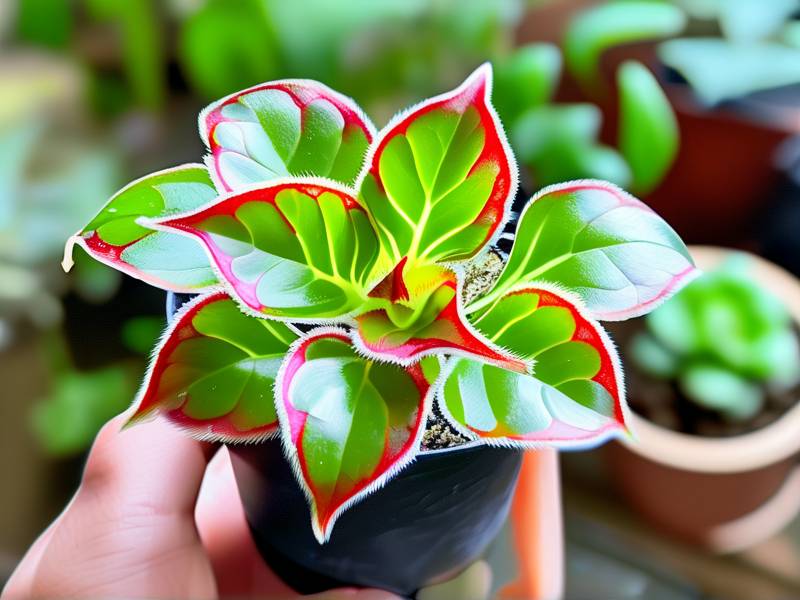
Day 14: The plant looked fuller. Leaves were lush and green with creamy white edges. Growth was noticeably faster compared to before.
Three Common Mistakes Newbies Make
1. Watering Too Often
Many people drown their Pilea Notata. They think frequent watering equals happy plant. It does not. Overwatering suffocates roots. Let soil dry between waterings.
2. Placing in Bright Sun
Direct sunlight burns the delicate leaves. This plant naturally grows under tree canopy in the wild. It wants bright but indirect light. A spot near an east window works great.
3. Using Wrong Pot Material
Plastic pots retain too much moisture. Clay pots like terracotta allow airflow. They help prevent root rot. The AHS suggests matching pot material to plant needs. For Pilea Notata, choose breathable pots.
Expert Tips I Learned from RHS and AHS
The RHS emphasizes that consistent care beats random attention. I follow their advice: water with room-temperature water. Cold water shocks roots. I let tap water sit out overnight to remove chlorine.
The AHS recommends humidity for plants with tropical origins. I set a pebble tray with water under my pot. This boosts moisture around the leaves. My Pilea Notata responded with glossier foliage.
My Personal Experience with Overwatering
I killed my second Pilea Notata by loving it too much. I watered every morning. The soil stayed wet constantly. Roots turned brown and mushy. Leaves dropped.
Then I read about the "soak and dry" method. Wait until the top inch dries, then water thoroughly. I applied this to my third plant. It survived. Now my fourth plant thrives. I check soil moisture before every watering. No exceptions.
How to Boost Variegated Leaf Patterns
The white and green patches make this plant special. Low light can fade variegation. Too much light burns it. I found a sweet spot: bright indirect light for about 6 hours daily.
I placed my plant 3 feet from a west-facing window. Sheer curtains filter the afternoon sun. The leaves stay colorful without damage. Within two weeks, new leaves showed strong variegation.
Pot Size Matters
I started with a small pot thinking it would limit growth. Wrong thinking. A cramped pot stunts the plant. I upgraded to a pot one size larger than the root ball. This gives space for root expansion.
But do not jump to a huge pot. Too much soil holds excess water. That leads to root rot again. A pot that is 2 inches wider than the old one works perfectly.
Fertilizing for Fast Growth
I feed my Pilea Notata once a month during growing season. I use a balanced liquid fertilizer diluted to half strength. More is not better. Over-fertilizing burns roots and causes leaf tip browning.
I started fertilizing in early spring. After two weeks, I saw noticeable growth. Leaves looked deeper green and larger. The plant seemed happier.
Handling Pests Naturally
Mealybugs attacked my plant once. I spotted white cottony masses on stems. I dabbed them with rubbing alcohol using a cotton swab. This killed the bugs without chemicals.
I also wipe leaves monthly with a damp cloth. This removes dust and prevents pest buildup. Clean leaves photosynthesize better. Growth speeds up.
When to Repot
I repot my Pilea Notata every 12 to 18 months. Roots emerging from drainage holes signal it is time. I choose spring for repotting. The plant recovers faster during active growth.
After repotting, I wait a week before fertilizing. Fresh soil has nutrients. The plant adjusts to its new home. My latest repot resulted in a growth spurt within two weeks.
Light Alternatives for Low-Light Homes
If you lack windows, try a grow light. I use a full-spectrum LED light on a timer. It runs for 10 hours daily. My Pilea Notata grows well under artificial light.
Keep the light 6 to 12 inches away. Too close burns leaves. Too far stretches the plant. I adjusted the distance until leaves faced upward naturally.
Common FAQ
1. Why are my Pilea Notata leaves curling?
Curling leaves often mean underwatering or low humidity. I fixed this by watering more consistently and using a pebble tray. Leaves flattened out within a week.
2. Can I propagate this plant?
Yes, from stem cuttings. I took a cutting with two leaves and placed it in water. Roots appeared in 10 days. Then I potted it in soil. Easy process.
3. How do I fix yellow leaves?
Yellow leaves usually mean overwatering. I stopped watering and let soil dry. I also trimmed affected leaves. New growth came through green and healthy.
Final Thoughts for New Growers
Start simple. Do not overcomplicate care. Check soil before watering. Give indirect light. Use a drainage pot. That is the core.
I killed four plants before getting it right. You do not need to repeat my mistakes. Follow the steps I shared for two weeks. You will see improvement.
Remember: this plant wants consistent moisture, not wet feet. It loves shade but not deep dark. It grows fast when conditions are stable.
Enjoy watching your Pilea Notata thrive. The variegated leaves are worth the effort.