bluename
 How to Treat Mealybug-Clustered Schlumbergera Truncata Cactus Joints
If you've noticed little white cotton-like clusters hugging the joints of your Schlumbergera truncata, you're likely dealing with mealybugs. I've been there. Honestly, it's one of the most frustrating things to spot on a Thanksgiving cactus you've nurtured for years. The good news? You can fix this. I'll walk you through exactly what I did to save mine, step by step, over a two-week period. And here's the blunt truth upfront: 90% of indoor plants die from overwatering, not pests. So before you panic and drown your plant with "remedies," let's get the approach right. The key is acting fast but gently, targeting the bugs without stressing the plant further. By the end of this guide, you'll know how to treat mealybug-clustered Schlumbergera truncata cactus joints and keep them from coming back.
Why Mealybugs Love Schlumbergera Truncata Joints
Schlumbergera truncata, often called the Thanksgiving cactus or crab cactus, has segmented, flattened joints. Those little crevices where the joints connect? They're basically five-star hotels for mealybugs.
Mealybugs are tiny, soft-bodied insects that secrete a white, waxy substance. It looks like cotton. They tuck into tight spaces, feed on sap, and multiply fast.
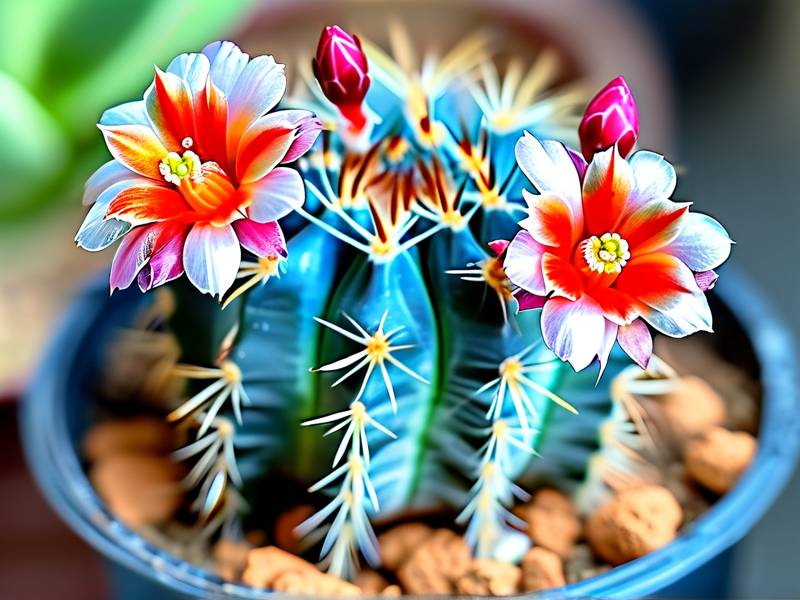
I've seen them cluster right at the joint nodes, sometimes hiding underneath the joint itself. You might miss them until the plant starts looking sad—yellowing, dropping segments, or just refusing to grow.
The waxy coating protects them from many sprays, so you need a multi-pronged attack. That's what I did. And I tracked results every few days for two weeks.
First, Isolate and Inspect (Day 1)
The moment I spot mealybugs, I move that plant away from all my other houseplants. Mealybugs crawl. They also hitch rides on draft, tools, or your hands.
I grabbed a flashlight and inspected every joint, both sides. I also checked the soil surface and the pot rim. They hide there too.
I found three clusters on my Schlumbergera—one near the top, two near the middle joints. The plant was in a 6-inch pot on a windowsill. It had been doing fine until I overwatered it slightly during a warm spell. That moisture stress made it more attractive to pests. Lesson learned.
My Two-Week Treatment Plan for Mealybug-Clustered Joints
Here's exactly what I did, day by day, so you can copy it.
Day 1: Manual Removal with Alcohol
I dipped a cotton swab in 70% isopropyl alcohol and touched each mealybug cluster. The alcohol dissolves the waxy coating and kills the bugs on contact.
I didn't spray the whole plant. I just dabbed. I repeated until no white fluff was visible.
Then I checked again with a magnifying glass. I found two tiny ones I'd missed. Dabbed those too.
I let the plant dry in a shaded spot for a few hours. Alcohol evaporates fast, so no damage.
Day 2–3: Insecticidal Soap Spot Treatment
I mixed a mild insecticidal soap according to the label. I used a cotton swab again, not a spray, because I wanted precision.
I targeted every joint, especially the underside. I did this in the evening to avoid leaf burn from sun.
By day 3, no new clusters. But I knew eggs might hatch. So I kept going.
Day 4–7: Neem Oil and Monitoring
I applied a diluted neem oil solution once on day 4. I sprayed lightly, just enough to coat the joints. I kept the plant out of direct sun for 24 hours.
Each morning, I inspected with a flashlight. On day 6, I saw one tiny crawler on a new joint. I dabbed it with alcohol immediately.
I also wiped the windowsill and pot saucer with soapy water. Mealybugs can hide there.
Day 8–14: Repeat and Observe Recovery
On day 8, I repeated the insecticidal soap dab. On day 10, I checked the roots by gently sliding the plant out of its pot. No root mealybugs, thankfully.
By day 12, the plant looked stable. No new white clusters. The joints that had been infested stopped yellowing.
On day 14, I saw new green growth at the tips. That was my signal that the plant was recovering.
I kept it isolated for another week just to be safe. You should too.
The Three Deadly Mistakes New Growers Make (I Made Them All)
I've killed my share of Schlumbergera. Here's what I wish I'd known sooner.
1. Overwatering
This is the big one. 90% of indoor plants die from overwatering. Mealybugs love stressed, overwatered plants. Wet soil also breeds fungus gnats and root rot.
I used to water on a schedule. Big mistake. Now I water only when the top inch of soil is dry. In winter, I wait even longer.
2. Light Misplacement
Schlumbergera truncata wants bright, indirect light. I once put mine in direct afternoon sun. The joints turned reddish and shriveled. Mealybugs moved in because the plant was weak.
Now I keep mine near an east window with a sheer curtain. That's the sweet spot.
3. Wrong Pot
I used a pot that was too big. The soil stayed wet for weeks. The roots suffocated. Pests came.
Now I use a pot only one inch wider than the root ball. Terracotta is great because it breathes. Plastic works if you're careful with watering.
Light and Temperature Needs for a Healthy Schlumbergera
A strong plant resists pests. So let's get the basics right.
Light
Bright, indirect light is ideal. A few hours of gentle morning sun is fine. But harsh midday sun will burn the joints.
If you see pale, yellowing joints, it's too much light. If the plant gets leggy and won't bloom, it's too little.
Temperature
These cacti prefer 60–70°F (15–21°C) during the day. They tolerate normal home temperatures well. Keep them away from heating vents and drafty windows.
Humidity
Average indoor humidity is fine. If your home is very dry, a pebble tray can help. But don't mist the joints—that can encourage mealybugs and fungal issues.
Watering Guide That Prevents Mealybugs and Rot
Watering is where most people go wrong. Here's my simple rule.
The Core Principle
Water thoroughly, then let the soil dry partially. Never let the pot sit in water.
How I Water
I take the pot to the sink. I pour room-temperature water until it runs out the drainage holes. Then I let it drain completely.
I put it back on the saucer only after no more drips come out.
Seasonal Adjustments
- Spring and summer: water when the top inch of soil is dry. That's about every 7–10 days in my home.
- Fall: reduce watering to encourage blooms. Let the soil dry a bit more.
- Winter: water sparingly. Maybe every 2–3 weeks. The plant is resting.
Preventing Root Rot
Use a pot with drainage holes. Always. No exceptions.
If you suspect rot, unpot the plant. Cut away mushy roots with sterilized scissors. Repot in fresh, dry soil. Wait a week before watering.
Soil Mix and Repotting for Schlumbergera Truncata
Schlumbergera is an epiphyte in nature. It grows on trees, not in dense soil. So it needs airy, fast-draining mix.
My Go-To Soil Mix
I use equal parts:
- Cactus potting mix
- Perlite
- Orchid bark
This drains fast and holds just enough moisture. You can also add a handful of coconut coir for water retention.
Pot Choice
Terracotta is my favorite. It wicks moisture away. Plastic is okay if you're careful. I avoid glazed ceramic unless it has a large drainage hole.
Size matters. A pot that's too big holds too much water. Go one size up from the root ball.
When to Repot
Repot every 2–3 years, preferably in spring after blooming. If you see roots circling the drainage hole, it's time.
I repot when the plant is slightly root-bound. They bloom better that way.
Fertilizing Schlumbergera Without Encouraging Pests
Mealybugs love nitrogen-rich, weak growth. So don't overfertilize.
What I Use
A balanced liquid fertilizer diluted to half strength. I use it once a month from spring to early fall.
When to Stop
Stop fertilizing in late fall. The plant needs to rest to set buds. Resume in spring after blooming.
Signs of Overfertilization
White crust on soil surface. Brown tips on joints. Fewer blooms. If you see these, flush the soil with plain water and skip fertilizer for a month.
Seasonal Care for Schlumbergera Truncata
Each season brings different needs. Here's how I handle mine.
Spring: Recovery and Growth
After winter blooming, I prune any dead or shriveled joints. I use clean, sharp scissors.
I repot if needed. I resume watering and fertilizing. I place the plant in bright, indirect light.
I also check for mealybugs. Spring is when they wake up.
Summer: Heat and Pest Watch
I keep the plant out of direct sun. I water more often but still let the soil dry.
I check joints weekly for pests. I also improve airflow with a small fan if the room is stuffy.
If temperatures soar above 85°F (29°C), I move the plant to a cooler spot. Heat stress invites pests.
Fall: Preparing for Blooms
I reduce watering and stop fertilizing. I give the plant 12–14 hours of darkness at night to trigger buds.
I remove any yellowing or damaged joints. I keep checking for mealybugs, especially in joint crevices.
Winter: Blooming and Rest
I keep the plant cool—around 60–65°F (15–18°C). I water sparingly. No fertilizer.
I don't move the plant once buds form. Bud drop is real. I also keep it away from cold drafts.
If mealybugs appear in winter, I use alcohol dabs only. I avoid heavy sprays because growth is slow.
Common Pests and Problems Beyond Mealybugs
Mealybugs aren't the only issue. Here's what else to watch for.
Fungus Gnats
These come from wet soil. Let the top inch dry out. Use yellow sticky traps for adults. Bottom-water if needed.
Spider Mites
They cause fine webbing and stippled joints. Raise humidity. Spray with neem oil. Isolate the plant.
Root Rot
Mushy, dark roots. Bad smell. Unpot, trim, repot in dry mix. Don't water for a week.
Yellowing Joints
Usually overwatering or too much direct sun. Adjust care. Check for pests.
Bud Drop
Caused by sudden temperature changes, moving the plant, or low humidity. Keep conditions stable.
Segment Drop
Stress response. Could be pests, root issues, or draft. Inspect roots and joints.
FAQ
How often should I check for mealybugs on my Schlumbergera?
Check weekly, especially in spring and summer. Look at every joint, both sides. Use a flashlight. Early detection makes treatment much easier.
Can I use rubbing alcohol on all parts of the plant?
Yes, 70% isopropyl alcohol is safe for spot treatment. Just don't soak the whole plant. Dab the bugs and let it evaporate. Avoid direct sun until dry.
Will mealybugs come back after treatment?
They can if you miss eggs or crawlers. That's why I repeat treatment weekly for at least three weeks. Keep the plant isolated during that time. Inspect new growth closely.
Final Thoughts
Treating mealybug-clustered Schlumbergera truncata joints takes patience, not harsh chemicals. I started with alcohol dabs, moved to insecticidal soap, and finished with neem oil. Over two weeks, I watched the plant recover. The new growth on day 14 told me I'd won.
Remember the big three: don't overwater, give bright indirect light, and use the right pot. Those three fixes prevent most pest problems.
And if you slip up? I have. Many times. Just isolate, treat, and wait. Your Thanksgiving cactus is tougher than it looks. You've got this.