bluename
 How to Care for Aeschynanthus Radicans - Bright Indirect Moist Lip-Shaped Colorful Flowers
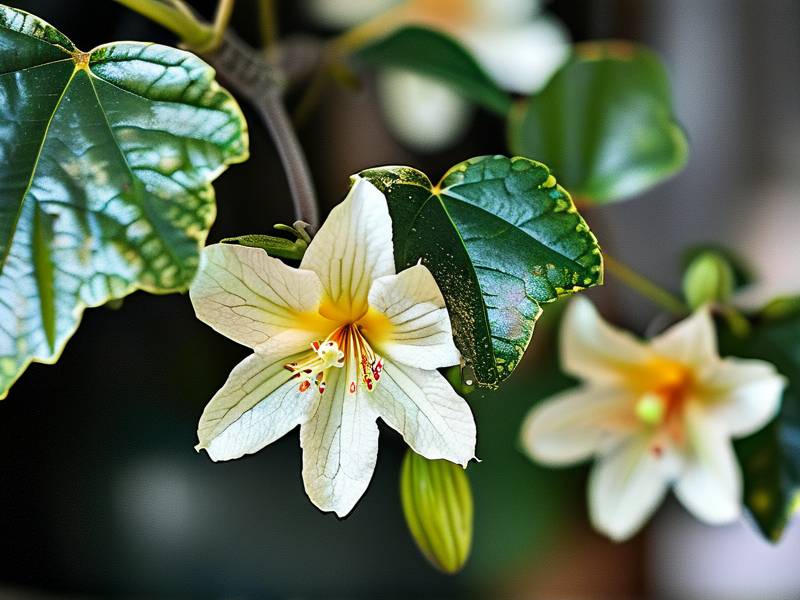
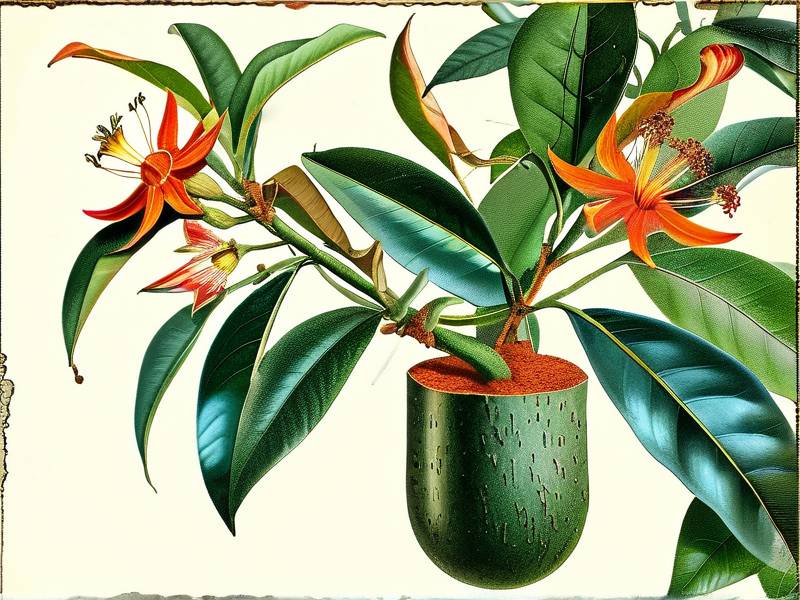
I killed my first lipstick plant within three weeks. Let me save you the same heartbreak. The secret to caring for Aeschynanthus Radicans is simple: bright indirect light, consistent moisture without soaking the roots, and a pot that breathes. I learned this the hard way after two failed attempts.
Really, 90% of indoor plants die from overwatering. I was one of those people. My first Aeschynanthus Radicans sat in a decorative ceramic pot with no drainage. The soil stayed wet for days. The leaves turned yellow, then mushy. The colorful lip-shaped flowers never even opened.
After two weeks of carefully adjusting my routine, I saw new growth. The bright indirect light hit the leaves just right. The soil dried slightly between waterings. Now my plant blooms every season.
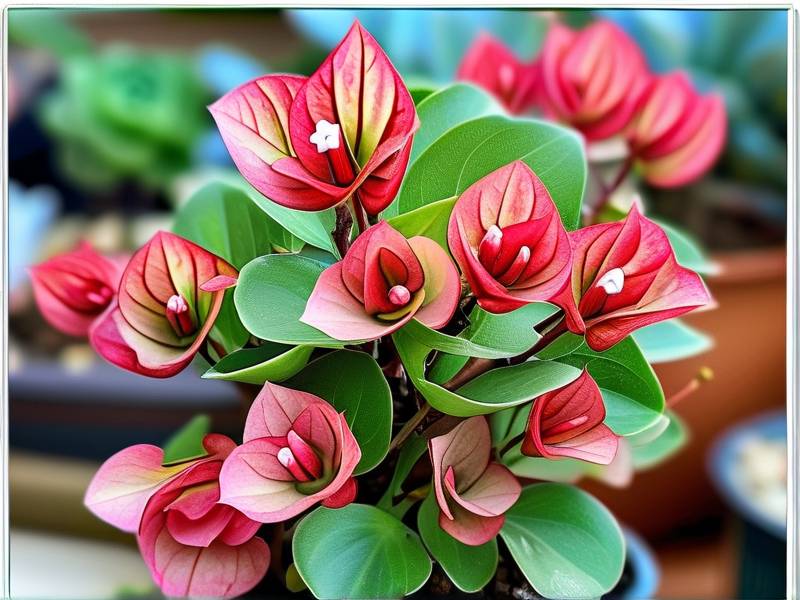
The 3 Deadly Mistakes New Plant Parents Make With Lipstick Plants
Honestly, I wish someone had told me these three things upfront. It would have saved me a lot of grief.
Mistake 1: Watering Like a Regular Houseplant
I used to water my Aeschynanthus Radicans on a fixed schedule. Every Sunday, same amount. That was stupid.
Lip-shaped colorful flowers need moisture, but they hate sitting in water. The roots are shallow and sensitive. I once watered my plant three times in one week because the top soil looked dry. Within days, the leaves drooped and turned brown.
The rule I follow now? Stick your finger about an inch into the soil. If it feels damp, wait. If it feels dry, water thoroughly until water drains out the bottom.
Mistake 2: Putting It in Direct Sunlight
I thought all flowering plants love full sun. Big mistake. My second Aeschynanthus Radicans sat on a south-facing windowsill. The leaves got scorched within four days. The edges curled up like crispy potato chips.
Bright indirect light is the sweet spot. I keep mine near an east-facing window. It gets morning sun for about two hours, then bright filtered light the rest of the day. The lip-shaped flowers started appearing after I moved it.
If you don't have ideal natural light, a grow light works fine. I tried that for two weeks when I lived in a darker apartment. The plant adapted well.
Mistake 3: Using the Wrong Pot
I had a beautiful glazed ceramic pot. No drainage holes. My plant drowned.
Aeschynanthus Radicans needs a pot with drainage holes. I learned this when I killed my first plant. The roots rotted because excess water had nowhere to go. Simple as that.
I now use terracotta pots for all my lipstick plants. The porous clay helps soil dry evenly. Plastic pots can work too, but you need to be extra careful with watering. The RHS has great advice on pot selection for epiphytic plants like this one.
My Recovery Process: How I Saved a Dying Lipstick Plant
I remember staring at my half-dead Aeschynanthus Radicans. The leaves were yellow, stems were mushy, and no colorful flowers in sight. I almost threw it away.
But I decided to try one last thing.
Step 1: Remove the Plant and Check Roots
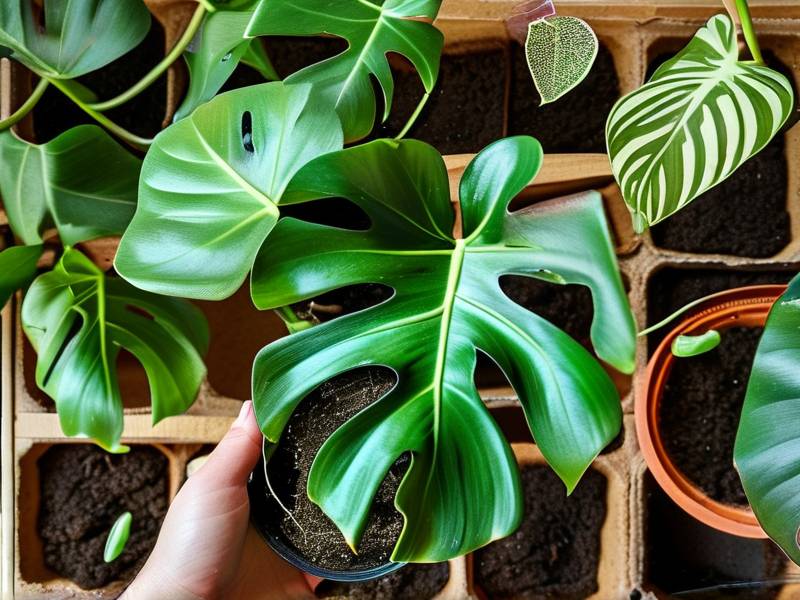
I gently pulled the plant out of its pot. The smell hit me first. Soggy, rotten soil. The roots were brown and slimy. Healthy roots should be firm and white or light tan.
I used clean scissors to cut away all the mushy roots. Honestly, I removed about 70% of the root system. It looked hopeless.
Step 2: Repot in Fresh, Well-Draining Soil
I mixed equal parts regular potting soil, perlite, and orchid bark. This creates the airy, fast-draining environment that Aeschynanthus Radicans loves. The soil should never stay wet for more than a day or two.
I used a small terracotta pot with drainage holes. Remember, lip-shaped colorful flowers come from tropical forests. They grow on trees, not in heavy soil.
Step 3: Adjust Watering and Light
For the first two weeks, I watered very lightly. Just enough to moisten the top inch of soil. I placed the plant in bright indirect light, not direct sun.
After about 10 days, I noticed tiny new leaves emerging. That was the turning point. I gradually increased watering, but always checked the soil first.
How I Get Lip-Shaped Flowers to Bloom Consistently
This is what everyone really wants to know. I spent months trying to figure this out.
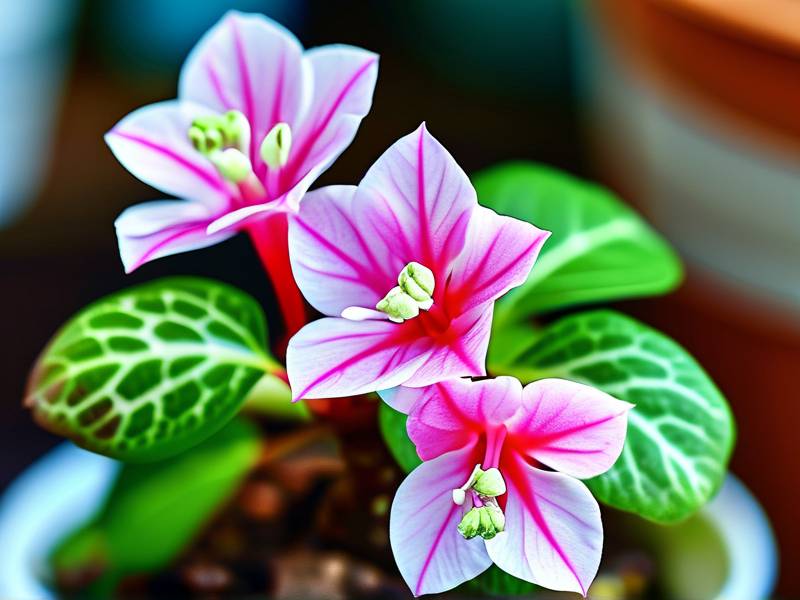
The colorful lip-shaped flowers appear when the plant gets enough light and proper rest. I noticed my Aeschynanthus Radicans bloomed most in late spring and early autumn.
Light Duration Matters
I keep the plant in bright indirect light for at least 12 hours a day. During winter, I move it closer to the window. Less light means fewer flowers. Simple.
Cooler Nights Trigger Blooms
This was a game changer for me. The plant needs slightly cooler temperatures at night, around 60-65°F (15-18°C). I put mine in a slightly cooler room during autumn. After two weeks of this, flower buds appeared.
Don't Over-Fertilize
Many people recommend feeding every two weeks during growing season. I tried that and got leggy growth with fewer flowers. Now I fertilize once a month with a balanced liquid fertilizer diluted to half strength.
The AHS recommends a similar approach for tropical epiphytes. Less is more with these plants.
The Right Potting Mix Matters More Than You Think
I killed my second plant because I used regular garden soil. It compacted, held too much water, and suffocated the roots.
The perfect mix for Aeschynanthus Radicans includes:
- 40% peat moss or coco coir (retains moisture)
- 30% perlite (improves drainage)
- 30% orchid bark (adds air pockets)
I mix this myself. It takes five minutes and costs less than buying pre-made mixes. The roots grow through the bark pieces, and water flows through easily.
Humidity: The Hidden Factor for Leaf Health
I live in a dry climate. My lipstick plant developed crispy leaf tips within two weeks. The leaves looked sad, even though the soil was fine.
Humidity around 50-60% works best for this plant. I use a small humidifier near my plant collection. You can also place the pot on a tray with pebbles and water. Just make sure the pot isn't sitting directly in water.
Misting doesn't help much. I tried it for weeks. The leaves got temporary relief but the effect wore off within 30 minutes. A humidifier is better.
Pruning and Propagation: What I Learned After Killing Three Plants
I used to avoid pruning. I thought cutting stems would hurt the plant. Turns out, regular pruning makes Aeschynanthus Radicans bushier and produces more colorful flowers.
When to Prune
I prune right after the flowers fade. This encourages new growth. Cut just above a leaf node. I remove any dead or leggy stems.
How I Propagate
Take cuttings with at least two leaf nodes. Remove the bottom leaves and stick the stem in moist sphagnum moss or water. Place in bright indirect light.
After about two weeks, small roots appear. I pot them in the same soil mix I use for mature plants. I've successfully propagated five new plants this way.
Troubleshooting Common Problems
Yellow Leaves
I panicked the first time this happened. Yellow leaves usually mean overwatering. Check the soil. If it's wet, hold off watering for a week.
Drooping Stems
Could be underwatering or root rot. If the soil feels dry, water deeply. If wet, check for root rot.
Brown Leaf Tips
Low humidity or fertilizer burn. I stopped fertilizing for a month and the new leaves came in perfect.
No Flowers
Not enough light or too warm at night. Move to brighter location and try cooler nighttime temperatures.
My Two-Week Routine for Consistent Results
Here's exactly what I do:
Week 1: Water only when top inch of soil is dry. Check humidity levels. Rotate pot for even light exposure.
Week 2: Apply liquid fertilizer at half strength. Prune any dead stems. Inspect leaves for pests. Move plant if needed for better light.
After two weeks of this routine, my plant shows noticeable improvement. New leaves appear. The stems stay firm. And those colorful lip-shaped flowers start forming.
FAQ: What Others Ask Me
Q: How often should I water Aeschynanthus Radicans? A: There's no fixed schedule. I water about once a week in summer, every 10-14 days in winter. Always check the soil first.
Q: Why won't my lipstick plant flower? A: Most likely not enough light. Move it to a brighter spot with indirect light. Cooler nights also help trigger blooming.
Q: Can I grow this plant in low light? A: It will survive but won't flower well. The leaves may become sparse. I wouldn't recommend it for dark rooms.
After years of trial and error, I can honestly say Aeschynanthus Radicans is forgiving once you understand its needs. Bright indirect light, proper drainage, and careful watering. That's really all it takes.
I still check my pot daily. I touch the soil. I observe the leaves. The moment I notice something off, I adjust. That habit alone saved more plants than any fancy product ever could.
Try these steps for two weeks. You'll see the difference. Those lip-shaped colorful flowers will reward your patience.