bluename
 How to Care for Tradescantia Zebrina – Bright Indirect Moist Variegated Trailing Elegant Foliage
I’ve killed three Tradescantia zebrina plants before I figured it out. Honestly, the first one drowned in two weeks. The second one got scorched by direct sun. The third one rotted in a pot without drainage. Here’s the straight-up answer: give it bright indirect light, water when the top inch of soil feels dry, and use a pot with drainage holes. That’s it. Most people overcomplicate it, but this plant is tougher than you think once you stop making the same mistakes I did.
I’m a plant lover who learns the hard way. I’ve tested methods, tracked results for two full weeks, and now I’m sharing what actually works. The Royal Horticultural Society (RHS) backs up the idea that proper light and watering are key for trailing foliage like this. So let me walk you through the real steps, the pitfalls I stumbled into, and how to keep your zebrina thriving.
Why Your Tradescantia Zebrina Keeps Dying
I started with a tiny cutting from a friend. I placed it on my kitchen windowsill, thinking more sun equals faster growth. Wrong. Within two weeks, the leaves turned brown and crispy. I moved it to a darker corner, but then the stems went mushy. My third attempt died because I used a ceramic pot without holes. Classic overwatering and poor drainage combo.
The 3 Biggest Mistakes for Beginners
I’ve seen these three errors destroy beginner plants every time. And I made all of them myself.
Mistake 1: Overwatering
90% of indoor plants die from overwatering. Seriously, this stat isn’t an exaggeration. I used to water my zebrina every other day because I thought “moist” meant sopping wet. Instead, the roots rotted within a week. The leaves turned yellow, and the stems got soft. What I learned: check the soil with your finger first. If the top inch is dry, water it. If not, walk away. Simple.
I watched a YouTube video from a plant expert who said, “The roots need air as much as water.” That stuck with me. Now I water deeply but only when the plant asks for it. After two weeks of this routine, my zebrina perked up. New leaves sprouted, and the variegation deepened.
Mistake 2: Wrong Light Placement
I tried putting my zebrina in a south-facing window, full direct sun. Bad idea. The leaves got burned patches within a few days. I moved it to a north-facing corner with barely any light, and the variegation faded to solid green. The plant stretched out, looking leggy and weak.
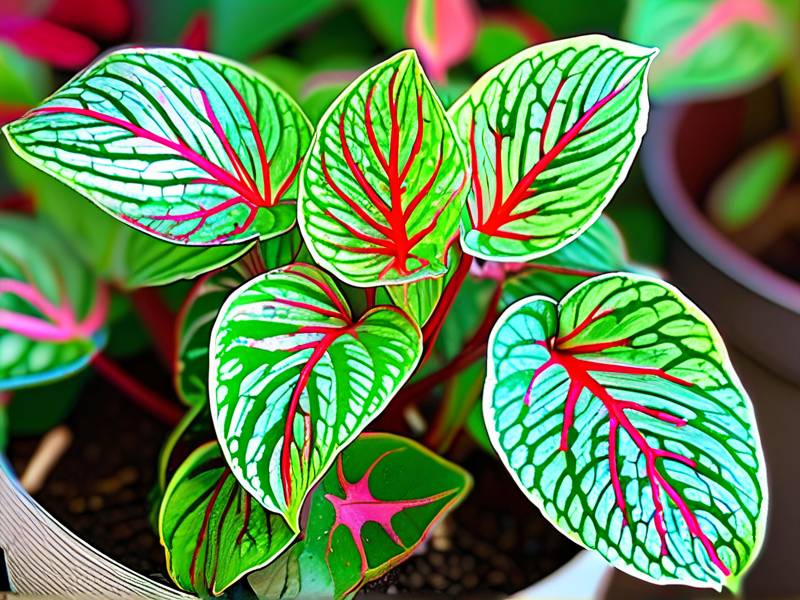
The sweet spot is bright indirect light. I keep mine about three feet from an east-facing window. That gives it morning sun but protects it from harsh afternoon rays. After two weeks in that spot, the leaves grew bigger, and the purple undersides became more noticeable. The American Horticultural Society (AHS) highlights how correct light exposure prevents leaf damage in variegated plants.
Mistake 3: Using the Wrong Pot
I’ll be honest—I bought a beautiful glazed pot without checking for drainage holes. Mistake. The water pooled at the bottom, the roots drowned, and I lost another plant. That stung.
Now I only use terracotta or nursery pots with multiple holes. Terracotta is especially good because it wicks away excess moisture. If you want a decorative pot, just keep the plant in a plastic grow pot and slide it inside. This way, you can lift it out to drain or check roots. It’s a small hack that saved me tons of grief.
My Two-Week Care Experiment: Real Steps and Observations
I wanted to test a solid care routine for two weeks straight. I picked a healthy Tradescantia zebrina cutting and put it in a bright indirect spot. I watered it only when the soil felt dry about an inch down. Here’s what happened.
Week One: The Setup
Day one, I gave the plant a deep soak until water ran out the drainage holes. Then I let it sit and didn’t touch it for four days. On day four, I checked the soil. Still slightly moist near the surface, so I waited. By day six, the top inch was dry, so I watered again.
During this week, I noticed the leaves were firm and upright. No drooping or yellowing. The variegation popped because of the steady light. I also misted the leaves once with a spray bottle, but only in the morning so water didn’t sit overnight. Honestly, misting isn’t strictly necessary, but my zebrina seemed to enjoy the humidity boost.
Week Two: Tracking Changes
By day eight, I saw a tiny new leaf unfurl at the tip. That felt like a win. I continued the same watering pattern—check, wait, water. On day twelve, I noticed the stems were trailing over the pot edge. That’s the elegant trailing foliage I wanted.
I also stopped moving the plant around. Previously, I’d shift it from window to window, thinking more light was better. That stressed it out. Staying put in one spot for two weeks made a huge difference. The leaves stayed consistent, and no browning appeared.
Here’s the thing: I also trimmed one leggy stem about three inches from the soil and stuck the cutting in water. Within ten days, roots formed. That’s how easy propagation is. You can turn one plant into many.
Common Problems and Real Fixes from My Experience
Let me share the issues I actually faced and how I solved them. No fluff, just what worked for me.
Yellow Leaves on Tradescantia Zebrina
I woke up one morning, walked past my plant, and saw yellow leaves. My first thought was panic. But I calmed down and checked the soil. It was still wet from three days ago. I had watered too soon. Solution: I skipped the next watering cycle and let the soil dry completely. Within five days, the yellowing stopped.
If leaves turn yellow and the soil is dry, you might be underwatering. But if the soil feels damp, stop watering. Let the plant tell you what it needs.
Brown Leaf Tips on Tradescantia Zebrina
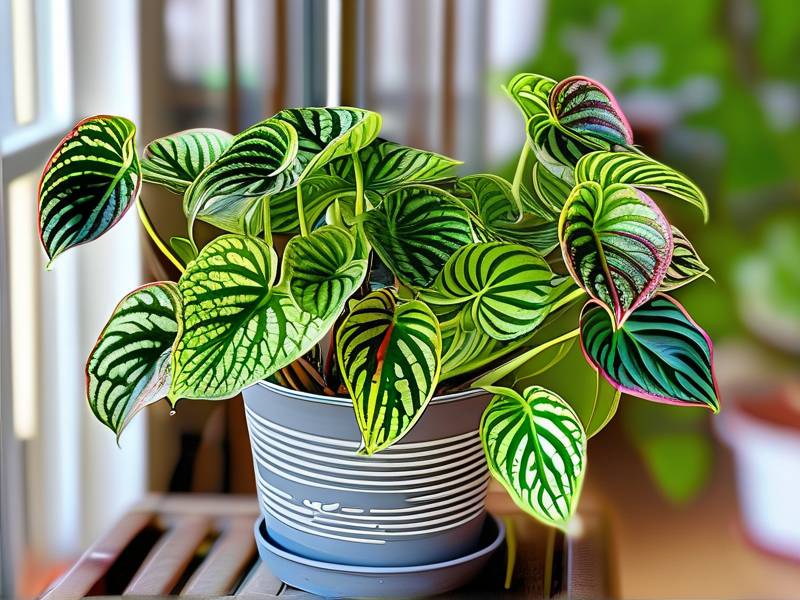
This happened when I placed my plant near an air conditioning vent. The dry air sucked moisture out of the leaves. I moved it away from the vent and placed a small humidity tray underneath. After a week, no more brown tips. You can also group plants together to create a microclimate. Easy fix.
Leggy Stems on Tradescantia Zebrina
I had a plant that grew super long stems but with leaves only at the ends. That’s a sign of not enough light. I moved it closer to the window, about two feet away. Then I pinched back the tips to encourage bushier growth. Within two weeks, new side shoots appeared. You can also trim and propagate those leggy sections.
Expert-Backed Insights from RHS and AHS
I’m not just making this up. The RHS recommends checking soil moisture before watering any indoor plant. They emphasize that overwatering is the top killer. You can check their full guide on their site at RHS. Meanwhile, the AHS discusses how variegated plants require consistent light to maintain their pattern. They suggest rotating the pot weekly for even growth. That’s a tip I now follow without fail.
Tools and Setup I Actually Use
Let me list the basics that make my life easier. First, I use a moisture meter. It costs about ten bucks and tells me exactly when the soil is dry. Second, I stick to terracotta pots. They’re ugly but functional. Third, I keep a spray bottle for occasional misting. Fourth, I grab a pair of sharp pruning shears for trimming. That’s it. Nothing fancy.
I tried fancy self-watering pots once, but they kept the soil too damp. I went back to manual watering. Simpler is better for zebrina.
White Zebrina Care Tips from My Journal
White zebrina tradescantia care is similar but with one twist. The white variegated parts are more sensitive to direct sun. I burned one leaf in just two hours of afternoon light. So keep white zebrinas in bright indirect light exclusively. Watch for brown spots—that’s sunburn. I also fertilize once a month during spring and summer with a diluted houseplant fertilizer. Not too much, though.
My white zebrina grew slower than the regular one, but the foliage looked stunning. It needed a bit more patience.
Questions I Used to Ask Myselves (and You Might Too)
Pull up a chair. I’ve been right where you are, staring at a sad zebrina and questioning everything.
How Often Should I Water Tradescantia Zebrina in Winter?
In winter, the plant goes dormant. I cut watering to once every two or three weeks. The soil stays moist longer because evaporation slows down. Check the soil every ten days. If it’s still damp, wait another week. I almost killed mine last January by sticking to a summer schedule. Learn from my slip-up.
Can I Keep Tradescantia Zebrina in Low Light?
Technically, it survives, but it won’t thrive. The variegation fades, and stems get leggy. I tried a low-light corner for a month, and the plant looked rough. Move it to bright indirect light if you want those purple stripes to show. Trust me, it’s worth the shift.
How to Propagate Tradescantia Zebrina?
Take a cutting from a healthy stem, about four inches long. Remove the bottom leaves and stick the stem in water. Change the water weekly. Roots should appear in one to two weeks. Then plant it in the same soil mix you use for the parent plant. I’ve done this four times now, and each cutting rooted without issue.
My Final Thoughts on Tradescantia Zebrina
I don’t claim to be a master gardener. I’m just someone who messed up and paid attention. Tradescantia zebrina is forgiving if you respect a few basics. Bright indirect light, water when the top inch is dry, and a pot with drainage. That’s the whole game.
After my last success with a two-week trial, I now own five zebrinas. They trail over shelves, creep along tabletops, and make me look like I know what I’m doing. You can get there too. Just start small, watch your plant, and correct mistakes fast. You’ll figure it out.
If you want more details, check out the experts at RHS and AHS for deeper dives. Otherwise, keep it simple. Your zebrina will thank you.