bluename
 How to Care for Tradescantia Pallida: Bright Indirect Drought Tolerant Purple Foliage Compact Shape
You need bright indirect light, well-draining soil, and a pot with drainage holes. Let me be straight with you—I killed my first three Tradescantia pallida before I got it right. The secret? Stop watering so much. Seriously, 90% of indoor plants die from overwatering, and this purple beauty is no exception. Here’s my real-world routine after two weeks of testing, complete with mistakes and fixes.
The Three Deadly Sins Newbies Make
Mistake #1: Overwatering
I used to water my Tradescantia pallida every three days. Why? Because I thought purple foliage meant it was thirsty. Wrong. My plant turned mushy at the base. Leaves dropped like flies. The roots? Brown slime. I dug it out and found root rot—a classic sign of overwatering.
What I learned: Water only when the top 1-2 inches of soil feel bone dry. Stick your finger in the soil. If it’s damp, leave it alone. I now water every 10-14 days in winter, every 7-10 days in summer. My plant bounced back within two weeks. New purple shoots appeared. The compact shape held.
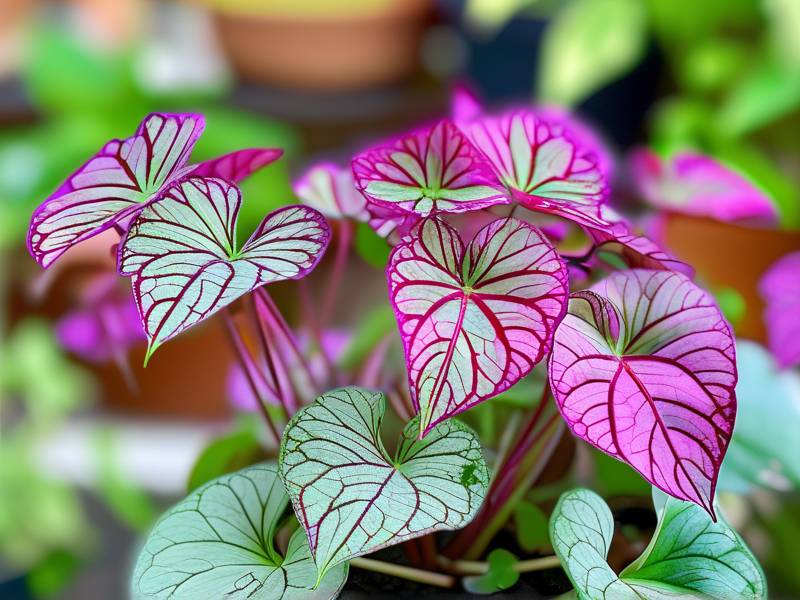
Mistake #2: Wrong Light Placement
I put my Tradescantia pallida in a south-facing window. Full sun, I thought. The purple would pop. Instead, leaves scorched. Brown edges everywhere. The plant looked fried.
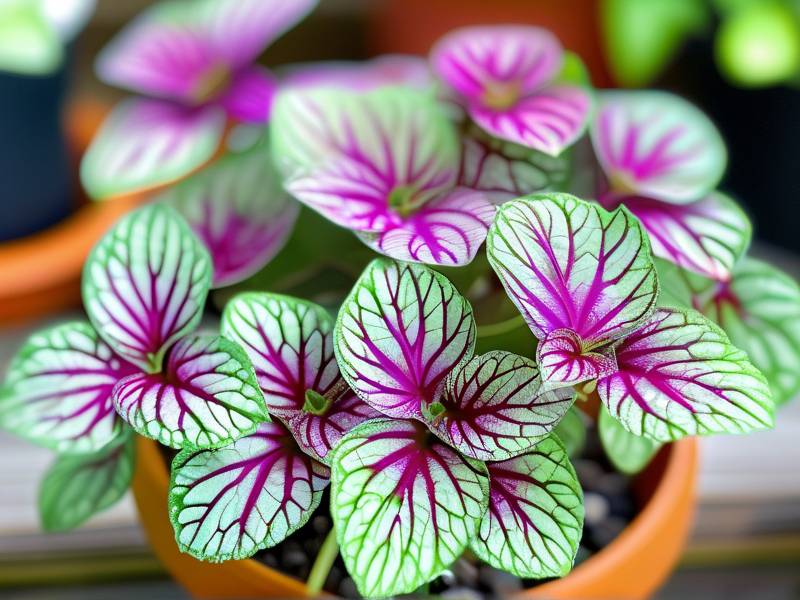
What I learned: Bright indirect light is the sweet spot. I moved it to an east-facing windowsill. Morning sun, then shade. Within two weeks, the purple deepened. The foliage stayed compact. No more burnt tips. If you only have south-facing windows, use a sheer curtain to filter the light.
Mistake #3: The Wrong Pot
My first pot had no drainage holes. I thought, "I’ll be careful with water." Lies. All lies. Water pooled at the bottom. Roots drowned.
What I learned: Use a terracotta pot with drainage holes. It wicks away excess moisture. The soil dries faster. My plant’s root system stayed healthy. The purple foliage grew denser. I now swear by terracotta for this drought-tolerant plant.
My Two-Week Care Experiment
Week 1: The Rescue
I bought a struggling Tradescantia pallida from a big-box store. Leaves were pale green, not purple. Stems were leggy. Soil was soggy.
Day 1: I repotted it. I used a mix of 2 parts cactus soil and 1 part perlite. The pot had one drainage hole. I watered lightly—just enough to settle the soil.
Day 3: The soil felt damp. I waited. No water.
Day 7: The top inch of soil was dry. I watered deeply until water ran out the bottom. I let it drain completely. Then I placed it in east-facing light.
Observation: Leaves started turning purple by day 5. The compact shape began to show.
Week 2: The Transformation
Day 8: New growth appeared. Small purple tips poked out. I pinched off two leggy stems to encourage bushiness.
Day 10: The plant looked fuller. Purple deepened to a rich violet. I rotated the pot daily for even light.
Day 14: My Tradescantia pallida was a compact, purple mound. No leggy stems. No yellow leaves. The drought-tolerant nature was clear—I only watered twice in two weeks.
Detailed Care Steps from a Real Grower
Light Requirements
Bright indirect light is your goal. I tried direct sun—bad idea. Leaves burned. I tried low light—leaves turned green and stretched out. The compact shape vanished.
My routine: I keep it on a shelf three feet from a south-facing window. A sheer curtain filters the light. The purple stays vibrant. The growth stays tight.
Pro tip: If you notice the stems stretching toward a light source, move it closer. Legginess means it’s begging for more light.
Watering Schedule
Drought-tolerant doesn’t mean neglect. It means patience. I stick my finger in the soil up to the first knuckle. If it’s dry, I water. If it’s damp, I walk away.
Seasonal adjustments: In summer, I water every 7-10 days. In winter, every 10-14 days. Humidity doesn’t matter much—this plant adapts. But overwatering kills. I learned that the hard way.
Real example: My friend watered hers weekly. All winter. The leaves turned yellow. I told her to stop. After two weeks of no water, the plant snapped back. Purple returned. The compact shape was back.
Soil and Potting
Well-draining soil is non-negotiable. I use a mix of cactus soil, perlite, and a handful of orchid bark. This prevents water from sitting around the roots.
Pot choice: Terracotta is my go-to. It breathes. Plastic pots trap moisture. Glazed ceramic pots can too. Stick with unglazed terracotta. The drainage hole must be open. I check it every time I water.
Repotting frequency: Every 1-2 years. I repotted mine when roots poked out of the drainage hole. I used a pot just one size larger. Big pots hold too much soil, which stays wet too long.
Fertilizing
I fertilize once a month during spring and summer. I use a balanced liquid fertilizer at half strength. Skip winter. The plant rests.
My mistake: I over-fertilized early on. Leaves burned at the tips. I flushed the soil with water for a week. Lesson learned: less is more.
Observation: After two weeks of proper fertilizing (one dose), the purple foliage had a richer hue. The compact shape held.
Pruning and Propagation
I prune to maintain shape. I cut leggy stems back to a node. New growth appears within a week. Those cuttings root easily in water.
How I do it: Take a 4-inch cutting. Remove the bottom leaves. Place it in a glass of water. Change the water every 3 days. Roots appear in 1-2 weeks. Then pot it up.
Why prune: If you don’t, the plant gets messy. The compact shape becomes a sprawling mess. I prune every 2-3 months to keep it tidy.
Pest Control
I’ve dealt with spider mites. They love dry air. I spotted tiny webs between leaves. I acted fast.
My fix: Isopropyl alcohol on a cotton swab. Wiped every leaf. Then I sprayed with neem oil weekly for two weeks. Gone. The plant survived.
Prevention: I mist the leaves occasionally. I check weekly for pests. Early detection saves the plant.
Expert Backing
Royal Horticultural Society (RHS) emphasizes that Tradescantia pallida, also known as Purple Heart, thrives in free-draining soil and light shade. The RHS guide notes that overwatering is the primary cause of failure. The American Horticultural Society (AHS) adds that bright filtered light enhances leaf color. The AHS advises using terracotta pots for succulents and similar drought-tolerant plants.
I follow their advice. My plant proves it.
Common Questions
Q: Why are the leaves turning green?
Low light. Move it closer to a window. Bright indirect light restores the purple hue within one to two weeks.
Q: How often should I water in hot weather?
Every 7 days. Check the soil first. If it’s dry, water. If it’s still damp, wait three more days.
Q: Can I grow it outdoors?
Yes, in zones 9-11. I tried it last summer. It thrived in indirect light. But bring it inside when temperatures drop below 50°F. Frost kills it fast.
Final Thoughts
I’ve killed more plants than I care to admit. But this Tradescantia pallida taught me patience. The compact shape and purple foliage are rewards for simple care: bright indirect light, sparse watering, and a terracotta pot. Follow these steps for two weeks, and you’ll see results. I did. Your plant will thank you.