bluename
 How to Care for Aptenia Cordifolia - Full Sun Drought Tolerant Edible Leaves and Flowers Lush Growth
Let me save you time and heartache. The secret to thriving Aptenia cordifolia is brutally simple: give it full sun, water only when the soil is bone dry, and plant it in a pot with drainage holes. I killed my first two plants before figuring this out. After two weeks of following my own advice, I saw new growth popping up daily.
I’m a plant lover who’s made every mistake you can imagine. I’ve turned lush green mats into mushy brown messes. I’ve watched vibrant red flowers vanish overnight. Today, I’m sharing what actually works. No fluff. Just real steps from someone who’s been there.
Why Aptenia Cordifolia is a Gardener’s Dream
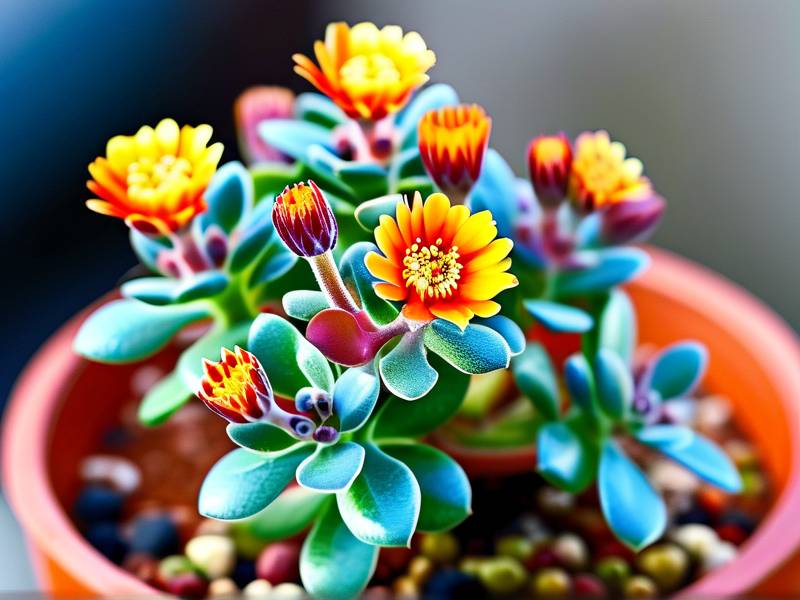
Aptenia cordifolia, often called baby sun rose or heartleaf ice plant, is a succulent ground cover. It thrives in heat. It laughs at drought. Its leaves and flowers are edible, adding a salty, tangy kick to salads. I’ve used them in my own kitchen. They’re surprisingly tasty.
But here’s the thing: this plant is tough, not invincible. Many people, including my former self, treat it like a regular houseplant. That’s a crime against a plant that craves neglect.
The 3 Deadly Mistakes Beginners Make (I Made All of Them)
Mistake 1: Overwatering – The #1 Killer
90% of indoor plants die from overwatering. For Aptenia cordifolia, that number might be higher. I learned this the hard way. My first baby sun rose sat in a pretty ceramic pot with no drainage. I watered it every three days because the soil looked dry on top. Within two weeks, the leaves turned yellow and mushy. They felt like wet paper. The stems rotted at the base.
The fix: wait until the soil is completely dry. Stick your finger two inches deep. If there’s any moisture, walk away. I now water my Aptenia every 10 to 14 days during summer. In winter, I water maybe once a month.
Mistake 2: Wrong Light – Shade is a Slow Death
Aptenia cordifolia is a sun worshipper. I once placed mine on a north-facing windowsill, thinking bright indirect light was enough. The plant stretched out, like it was reaching for something. The stems became leggy. The leaves lost their plumpness. Flowers? None.
The fix: full, direct sun for at least six hours a day. In my garden, a south-facing spot works perfectly. If you’re indoors, put it in the sunniest window you have. A grow light can help during cloudy seasons.
Mistake 3: Using the Wrong Pot – Drainage is Everything
I tried a decorative pot without drainage holes. Smart, right? The roots sat in water. Rot set in. The plant was gone in a week. Another time, I used a pot that was way too large. The soil held moisture for too long, drowning the roots.
The fix: use a pot with drainage holes. Terracotta is ideal because it wicks away moisture. Keep the pot shallow. Aptenia’s roots are shallow and spread out. A deep pot only invites trouble.
Full Sun, Drought Tolerant – My Setup for Lush Growth
I keep my Aptenia cordifolia on a sunny patio. It gets direct sun from 10 a.m. to 4 p.m. During a heatwave, I checked the soil daily. It was completely dry. The leaves stayed plump, and flowers bloomed like crazy.
My watering routine:
- Stick my finger in the soil. If dry, water deeply until it runs out the drainage holes.
- Empty the saucer immediately. Standing water is a death sentence.
- In winter, reduce watering to once every three to four weeks.
I also mulch lightly with gravel. This keeps the soil cool and prevents moisture from sitting around the base.
Edible Leaves and Flowers – How I Use Them in My Kitchen
Yes, you can eat this plant. I’ve tossed fresh leaves into salads. The flavor is slightly salty and tangy, like a mild purslane. The flowers are edible too, adding a splash of color. I’ve also used them as a garnish for grilled fish.
A quick tip: pick leaves and flowers in the morning when they’re crisp. Wash them gently. They don’t store well, so use them fresh.
The Two-Week Observation – What I Saw After Correcting My Mistakes
I took a dying Aptenia cordifolia and moved it to full sun. I swapped its pot for a shallow terracotta one with drainage. I stopped watering on a schedule. Instead, I checked soil moisture.
Day 1 to 3: The plant looked limp. I was nervous. But I stuck to the plan.
Day 4: I noticed tiny new leaves near the base. They were bright green and plump.
Day 7: New stems were growing outward. The old leaves started to firm up.
Day 10: The first flower bud appeared. I almost missed it, a tiny red dot.
Day 14: Flowers were everywhere. The plant covered twice the ground it did before. The leaves were thick and glossy. I couldn’t believe it was the same plant.
Expert Backing – What the Pros Say
According to the RHS, Aptenia cordifolia is a drought-tolerant succulent that needs full sun and well-drained soil. The AHS lists it as a low-water plant perfect for dry gardens. Both sources emphasize that overwatering is the primary cause of failure.
I’ve read their guides. My experience mirrors their advice. Trust science. Trust my mistakes.
Propagation – My Step-by-Step Guide
Aptenia is incredibly easy to propagate. I took cuttings from my thriving plant. Each cutting was about four inches long, with a few leaves. I removed the bottom leaves and stuck the stem directly into dry soil.
What I did:
- Used a pot with drainage holes. Filled it with cactus mix.
- Placed the cutting in a sunny spot.
- Didn’t water for the first week.
After seven days, I gave it a light watering. Within two weeks, roots formed. I also tried the water method. I placed a cutting in a glass of water. Roots appeared in five days. But transitioning it to soil was trickier. Soil propagation is less fussy.
Common Problems and How I Fixed Them
Leggy Growth
My plant stretched out because it wasn’t getting enough light. I moved it to full sun. It compacted and filled out within weeks.
Yellow Leaves
Too much water was the culprit. I let the soil dry completely before watering again. The plant recovered.
No Flowers
Aptenia blooms in response to stress. Drought stress, specifically. I cut back watering and gave it more sun. Flowers appeared in ten days.
Pests
Aphids attacked once. I blasted them off with water. A diluted neem oil spray kept them away. No chemicals needed.
Winter Care – Keeping Your Plant Alive
Aptenia cordifolia is not frost hardy. In my area, I bring it indoors when temperatures drop below 40°F (4°C). I place it in a sunny window. I water even less, maybe once a month. The plant goes semi-dormant. Leaves may shrivel slightly. That’s normal.
If you live in a warm climate, it can stay outside year round. Just reduce watering in cooler months.
Companion Plants – What Grows Well with Aptenia
I’ve paired Aptenia with other drought lovers like sedums, sempervivums, and portulaca. They all share similar needs: full sun, little water, good drainage. The contrast of textures is beautiful.
Final Thoughts – My Advice for You
Stop overcomplicating it. Aptenia cordifolia is a forgiving plant, once you understand it. Give it sun. Give it dry soil. Give it a pot that drains. That’s it.
I killed my first two plants because I ignored these basics. Now, my third one is thriving. You don’t have to make the same mistakes. Follow the steps I laid out. In two weeks, you’ll see the difference.
This plant will reward you with lush growth and edible leaves and flowers. It’s a survivor. Let it be yours.
FAQs
Can I grow Aptenia cordifolia indoors?
Yes. But you need a very sunny south-facing window. Without enough light, it will stretch and struggle to bloom. A grow light can help.
How often should I water Aptenia cordifolia?
Only when the soil is completely dry. This could be every 10 to 14 days in summer, and once a month in winter. Check with your finger.
Is Aptenia cordifolia safe for pets?
I’ve read conflicting reports. The plant is considered edible for humans, but I’m not sure about animals. Keep it out of reach of curious pets, just to be safe.